Tag: lcd

  • Samsung To Use LCD Displays On Their Galaxy A Series Phones

    Samsung To Use LCD Displays On Their Galaxy A Series Phones

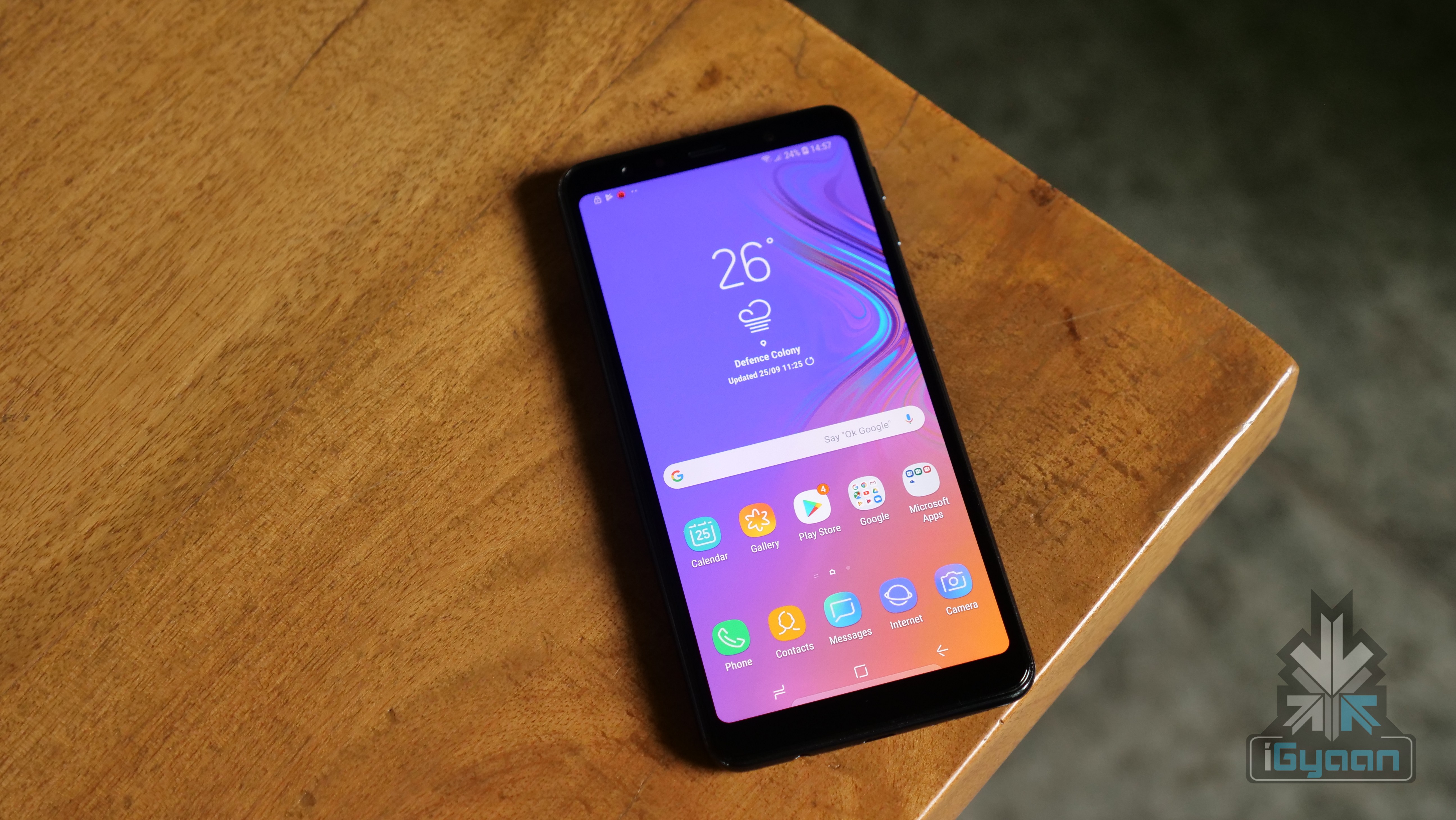
    Samsung is gearing up for a major reshuffling of their phone lineup. The company wishes to eliminate the J series phones entirely and create an M series of phones. It is also reported on a Korean news website that Samsung plans to put an LCD screen on their 2019 version of the J Series of phones. This comes in the wake of Apple making it’s cheapest iPhone XR feature an LCD panel. Samsung reportedly wants to divide the A series models into two segments with OLED as well as LCD options in different price brackets. The Galaxy A8 Star, A8 Plus, A6 Plus all have AMOLED panels at the moment. The A series models will also reportedly see a change of nomenclature.

    What is Samsung Planning?

    Samsung is reportedly reshuffling their phones to get the maximum number of customers as well as to create a price differentiation. Their strategy seems to be to raise the price range of their A9, which has a quad camera setup. This will enable them to capture the lower end of the market with the J series as the company looks to sell more in terms of volume. Samsung will reportedly take Galaxy A series OLED and LCD models to Korean, North American and European markets. The A series will have a quad camera setup. Since these markets have a greater purchasing power, it will be easier to sell the OLED phones there. On the other hand, LCD models will be introduced only in India and Southeast Asia. These markets have a lower purchasing power and has a chance to sell more in terms of volume.

    Also ReadSamsung Launches W2019 Flip Phone With Dual Super AMOLED Displays

    The company is also said to be reorganising its lineup by integrating Galaxy J, Galaxy ON and Galaxy C series into ‘Galaxy M’ next year. This is also one of the major reason’s for the reshuffling plan. There are also speculations that Samsung may be taking this drastic step due to the stiff competition from Chinese manufacturers. Specially in markets like India and parts of South East Asia.

  • LG G7 ThinQ Will Have A ‘Super Bright’ 6.1 inch LCD Display

    LG G7 ThinQ Will Have A ‘Super Bright’ 6.1 inch LCD Display

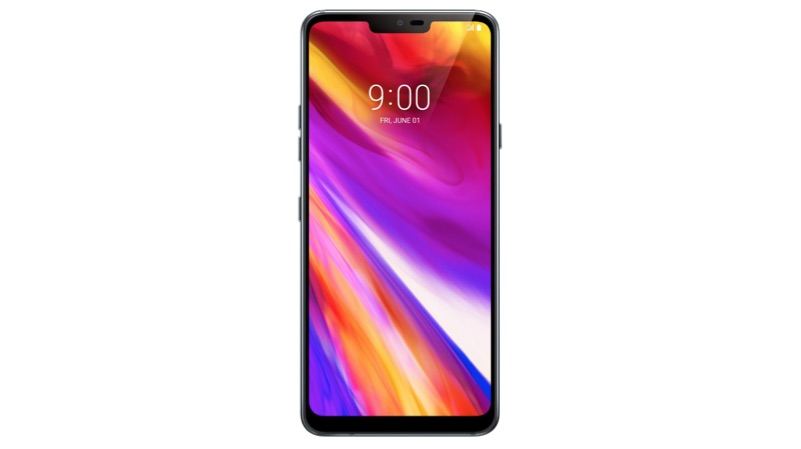
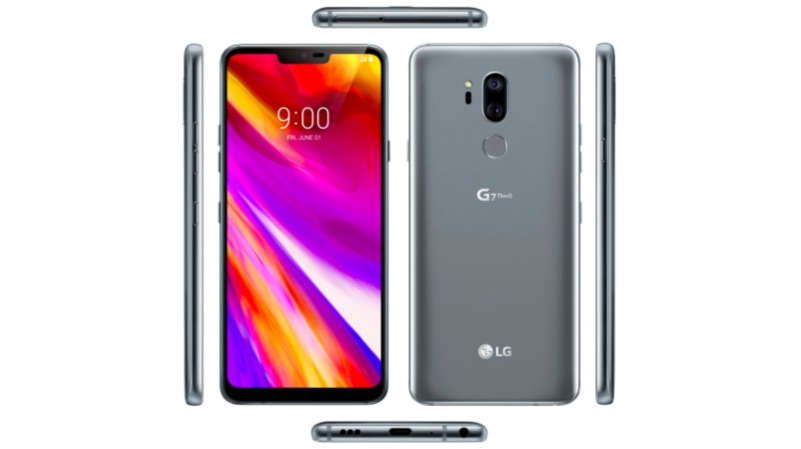
    Last year, leading up to the LG V30 launch, the company teased a few features of the smartphone. The company has resumed its practices with the LG G7 ThinQ launch just a few days away. LG has confirmed what was being rumoured for a long time regarding the display. The LG G7 ThinQ will have an LCD display, just like the LG G6 did.

    The company has confirmed that the LG G7 ThinQ will have a 6.1 inch LCD display with a resolution of 3210 x 1440 px. The highlight of the LG G7 ThinQ, according to the company, will be the brightness of the display. The ‘Super Bright Display’ goes up to 1000 nits while consuming up to 30% less power than the LG G6’s. Apparently, the screen also covers 100 percent of the DCI-P3 colour gamut. The specifications mentioned are not the best in class or nothing we haven’t  seen before. However, if LG is talking up the display of the G7 ThinQ so much, then there has to be something in the execution that LG has done differently. Nothing is certain until the smartphone launches on May 2nd.

    The LG G7 ThinQ will have a 19.5:9 aspect ratio, same as the iPhone X and taller than the 18:9 G6. This taller aspect ratio is the result of a notch on the display which has become quite common for Android smartphones in 2018. LG has also claimed that the chin of the G7 ThinQ is about 50% smaller than the chin on the G6. However, it still won’t be as thin as the iPhone X and would be comparable to the OnePlus 6 (which also has a notch).

    Before the LG V30 launch, LG talked a lot about its shift to an OLED display. However, the display failed to compare with the likes of Galaxy S8 and iPhone X. Furthermore, LG’s OLED technology was scrutinised on the Pixel 2 XL which has suffered a lot of display issues since its launch. Using an LCD panel for the G7 ThinQ also meant that LG could not curve the display from the bottom to remove the chin like Apple did. However, LG does talk about using curved tempered glass on the G7 ThinQ, though it doesn’t sound like the screen itself will curve, thanks to the use of an LCD panel instead of OLED.

    The LG G7 ThinQ is just a few days away from its official launch and LG would be banking on the new flagship smartphone to help revive the flailing smartphone business of LG. The availability and pricing of the G7 ThinQ in India will be revealed soon after its global launch.

  • All Three iPhones In 2018 Will Look Like The iPhone X

    All Three iPhones In 2018 Will Look Like The iPhone X

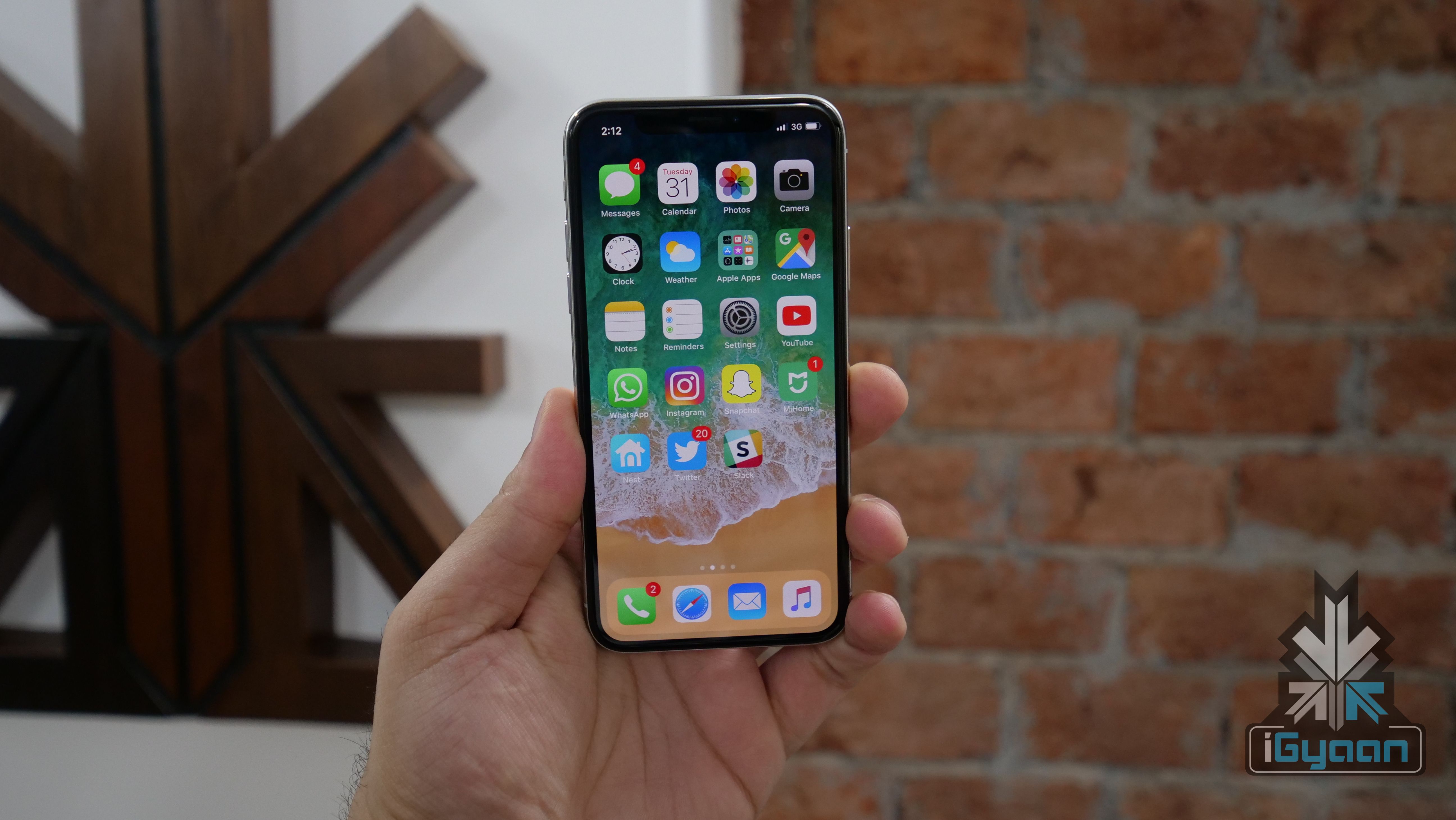
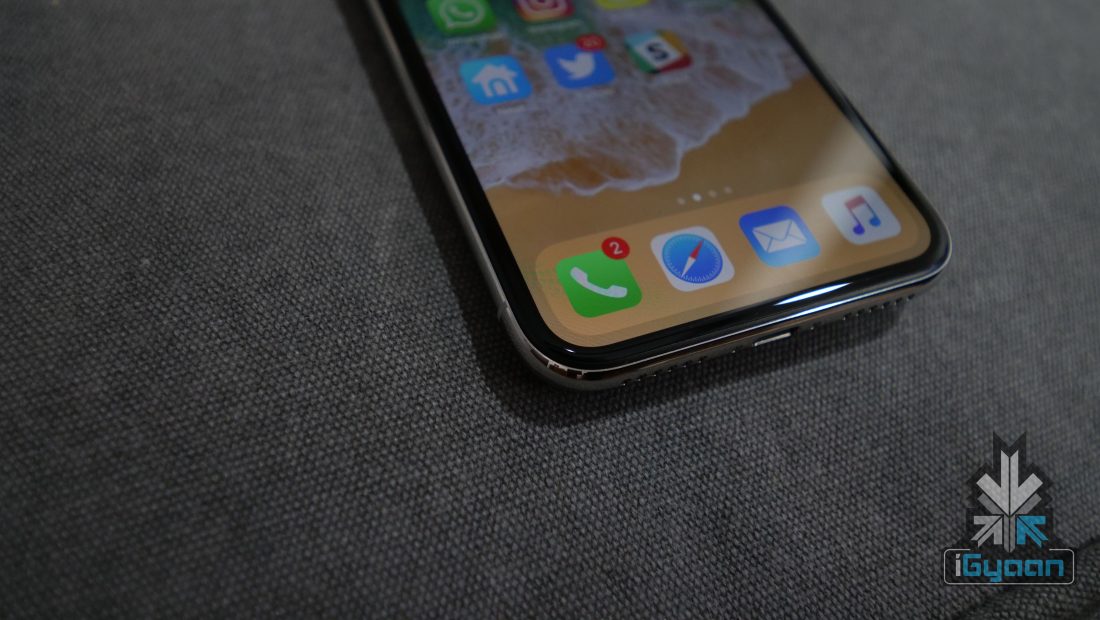
    2017 has seen a surge in bezel-less phones and tall displays. Apple also joined the race with the launch of the iPhone X in September. Apple also launched the iPhone 8 and iPhone 8 Plus, which were an incremental upgrade over the iPhone 7 an 7 Plus. With the iPhone X, Apple took some bold decisions like ridding the home button and introducing an OLED display for the first time. In 2018, it appears that all iPhones will look like the iPhone X, with thin bezels, a tall display and a notch.

    Ming Chi Kuo, an analyst for KGI believes that the iPhones launching in 2018 will be similar to the iPhone X and that there will be no home button in any of the phones. Kuo has had a good track record predicting what Apple might do. He released a research note which was obtained by MacRumours.

    You may also like – I Spent A Day With The iPhone X And I Am Done With The Home Button

    According to the note, the iPhones could come in three different sizes:

    • A 5.8-inch phone with an OLED display (similar to the iPhone X).
    • A 6.5-inch phone with an OLED display (like an iPhone X Plus).
    • A 6.1-inch phone with an LCD display.

    The two iPhones with OLED displays will be priced closer to the iPhone 8 Plus and the iPhone X while the 6.1 inch iPhone with LCD display is expected to be priced similar to the iPhone 8 (US$649).

    The OLED phones are also expected to have better specifications than the LCD iPhone but, that is how Apple will keep the price down for the 6.1 inch model and try to offer an iPhone for everyone in 2018.

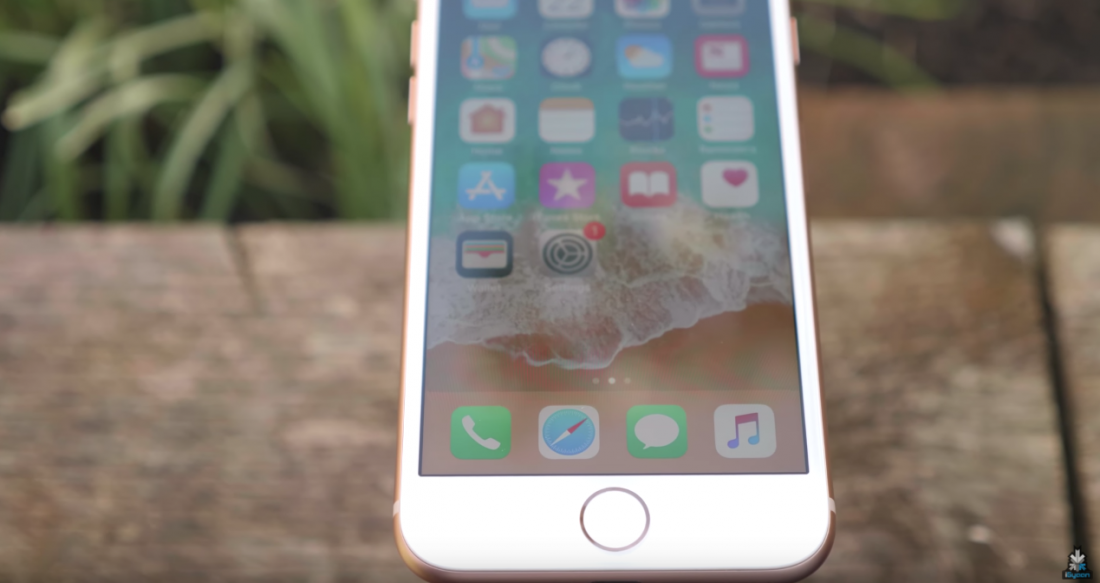
    Home Button On The iPhone 8

    This means that Face ID is here to stay, for now at least. Many believed that the iPhone X is a test run for Apple and want to ease its consumers into the new future of no home button. It is also possible that the OLED iPhones in 2018 will have in-display fingerprint sensor while the LCD iPhone will only have Face ID. However, Face ID in the next-gen iPhones is expected to be better as Apple will have ample time to iron out the few glitches and errors in the current form of Face ID.

    Kuo has also predicted that Apple’s Face ID will come to the iPad Pro and next year’s iPhones.


  • Apple Might Revert To LCD Displays For The iPhone 9

    Apple Might Revert To LCD Displays For The iPhone 9

    The yet to be released iPhone X was met with great response after it was announced that it will finally sport an OLED display. Apple has been using LCD panels for its iPhones for the longest time and the need for a display with more vibrant colours and deeper blacks was on the rise. Apple satiated those needs with the iPhone X but, it looks like the dream of an OLED display on all iPhones will be short-lived. The Wall Street Journal has reported that Apple is interested in buying LCD display panels from a Japanese manufacturer, Japan Display. But, the LCD panels won’t be any ordinary LCD panels, in fact these LCD displays are called Full Active and are expected to make up 70% of Apple’s display orders for its next lineup of iPhones which will launch in September 2018.

    Full Active LCD screens apparently make it easy for smartphone manufacturers to make edge-to-edge phones even more compact. As compared to OLED screens, Full Active LCD screens are only 0.5mm thick (or thin), or half the thickness of OLED screens. Apple’s desire to switch Full Active LCD screen suggests that the Cupertino-based tech giant is on the move to make its smartphones even more bezel-less than the iPhone X. It may also be a case of Apple sticking to LCD screens for its non-marquee smartphones. This also makes sense as LCD screens are cheaper to produce than OLED displays.

    The fact that the iPhone X doesn’t come out till November is enough for us to believe that its preliminary to hear things about the 2018 iPhone. It is more than possible that Apple is bulk-ordering these screens for its budget-tier iPhones like the iPhone SE.

  • OLED Patent Dispute Comes to an End as ‘Samsung and LG’ Choose to Focus on Cooperation

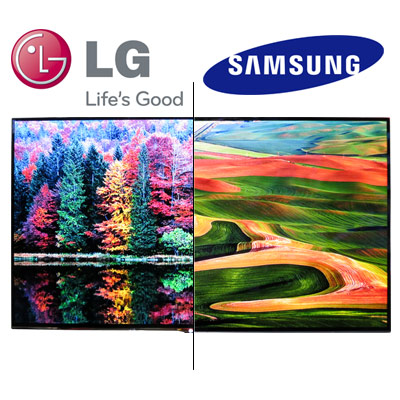
    Samsung Display and LG Display ended the year long dispute in a patent battle over LCD- and OLED-related technology.

    Samsung and LG the world’s top two display panel manufacturers filed lawsuit over a number of patents for next-generation display technologies for TVs and other devices. The two firms had accused each other of stealing liquid-crystal display (LCD) and organic light-emitting diode (OLED) technology and key engineers.

    Samsung and lg

    But now it seems both the companies wants to focus more on the market than on the lawsuits, individual statements from the company say:

    It was agreed that we two should focus more on cementing our leadership in the global market by cooperation, instead of engaging in all-consuming patent disputes,” Samsung Display said in a statement late Monday. 

    While the statement from LG said:

    What’s most important for both of us is upgrading our competitiveness globally,” LG said.


  • Samsung Launches new Galaxy Beam Projector Phone with dual core (PR)

    Samsung Launches new Galaxy Beam Projector Phone with dual core (PR)

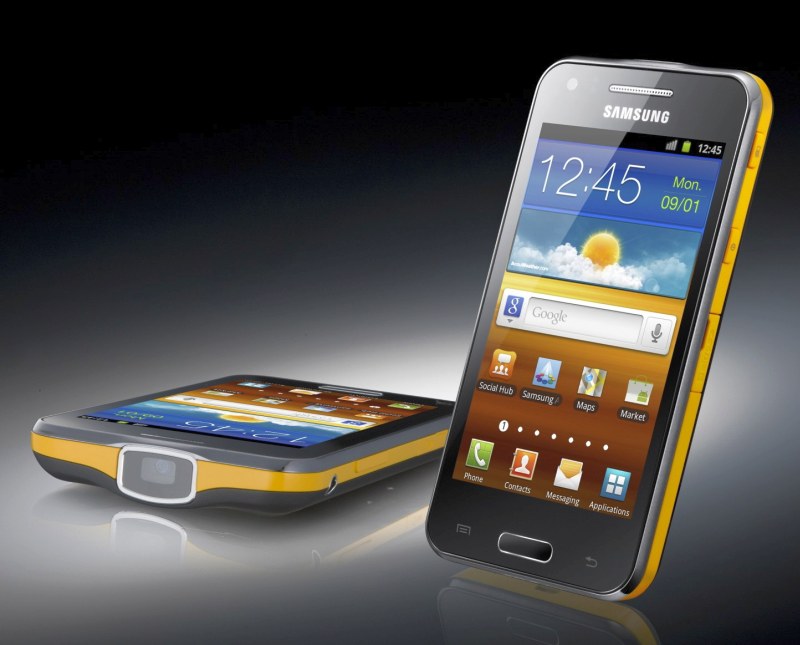
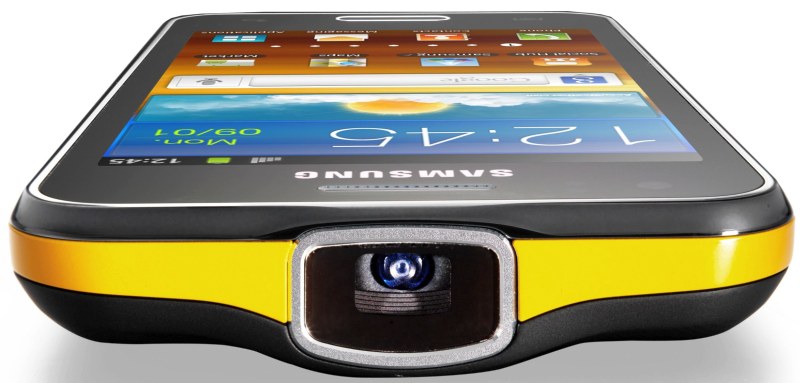
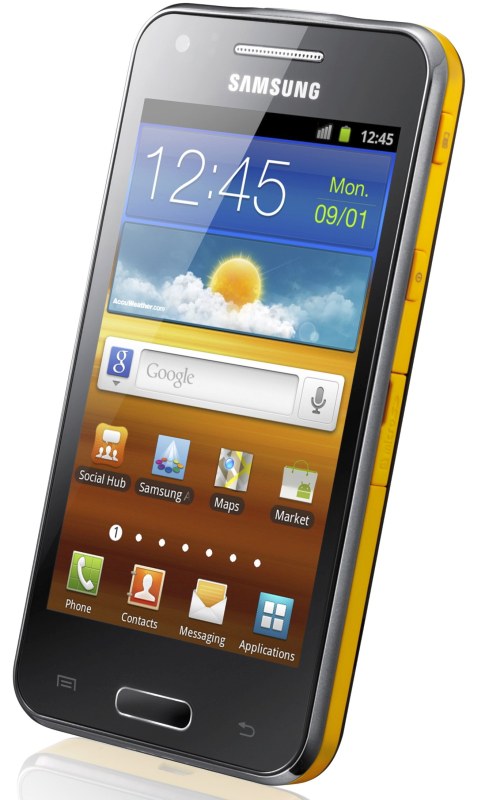
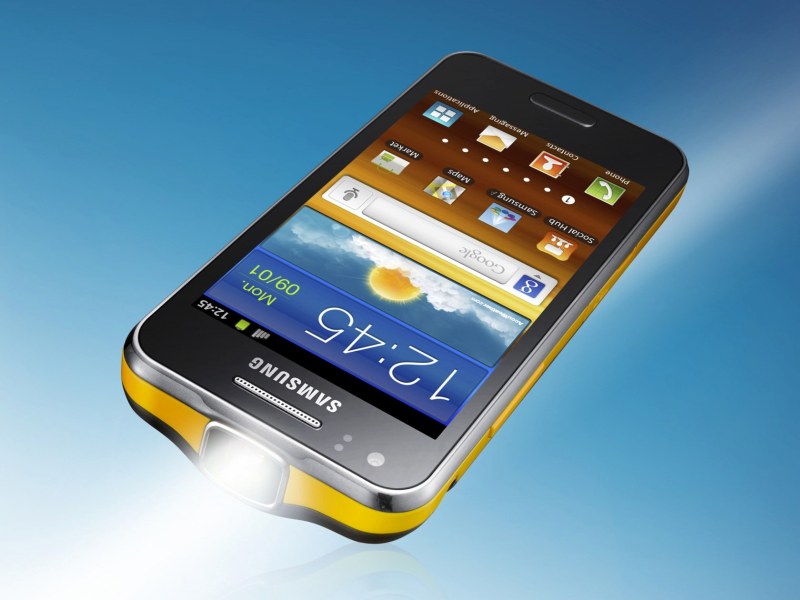
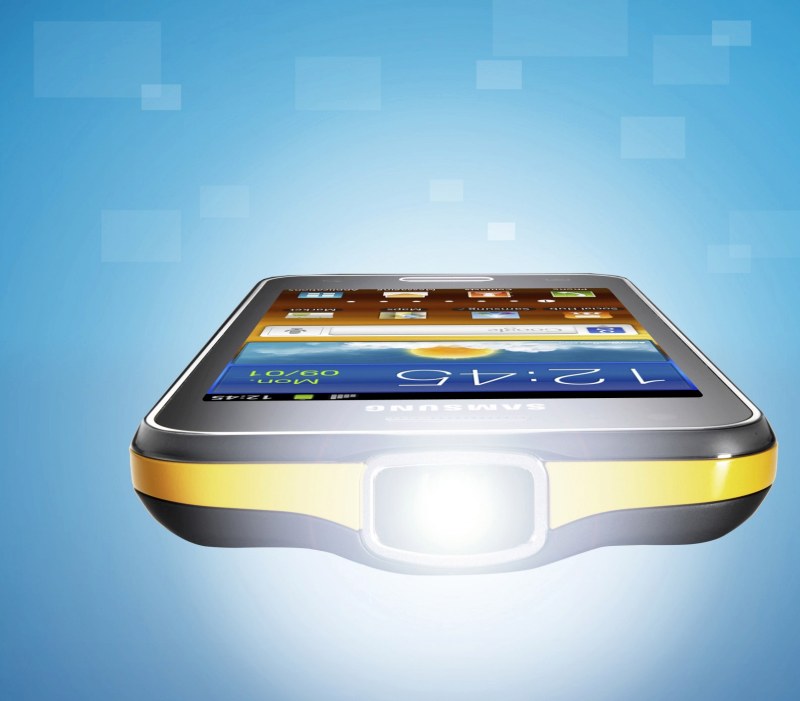
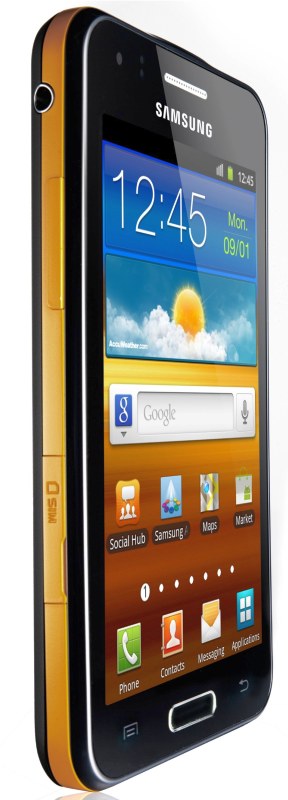
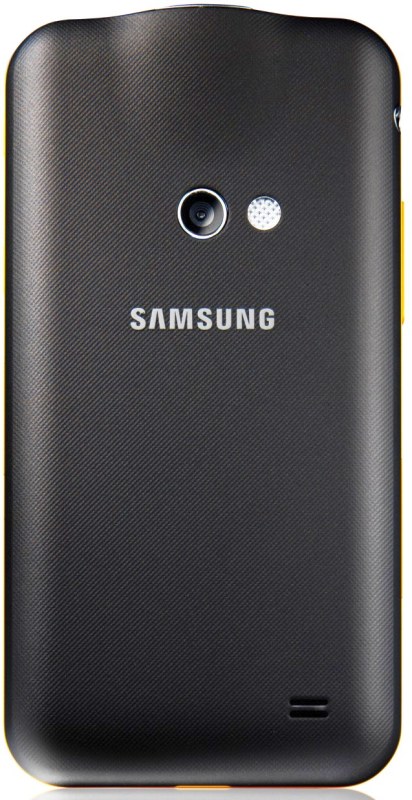
    Samsung has announced its updated projector phone dubbed the ‘Galaxy Beam’. The Beam comes with Android 2.3 and a 1GHz dual-core CPU, and is equipped with an integrated projector of 15 lumen brightness. The Beam also has 4-inch WVGA screen 8GB of onboard storage and  768 MB of RAM , along with a 2000 mAh battery to keep it going. The Galaxy Beam can supposedly rock a 50 inch wide projection in a nice low light environment.

    For connectivity you have BT 3.0?HS, Wifi 802.11 b/g/n 2.4GHz, camera is a 5MP AF ? 1.3MP and Flash at back. Of course Samsung has customized the UI with their very own TouchWiz. The full specs are in the PR below.

    [toggle title_open=”Press Release” title_closed=”Press Release” hide=”yes” border=”yes” style=”default” excerpt_length=”0″ read_more_text=”Read More” read_less_text=”Read Less” include_excerpt_html=”no”]


    Share the Fun with Samsung GALAXY Beam

    February 26, 2012

    Samsung’s projector smartphone offers unforgettable shared experience for playing multimedia content anytime, anywhere

    Barcelona – February 26, 2012 – Samsung Electronics Co., Ltd, a global leader in digital media and digital convergence technologies, today introduced Samsung GALAXY Beam, the projector smartphone that allows users to display and share multimedia content anywhere on a large luminous projector screen.

    GALAXY Beam lets users spontaneously share photos, videos or other digital media with family or friends by beaming content stored on the device directly onto walls, ceilings or improvised flat surfaces, so that everyone can share the fun without the need to huddle around smartphone or pad-sized screens. GALAXY Beam’s ultra-bright 15 lumens projector allows users to freely share life’s memorable moments instantly and in crisp clarity, even in outdoor environments.

    “GALAXY Beam provides mobile freedom, enabling a unique shared experience around digital content for everyone-anywhere and instantly-from a smartphone as slim and portable as any on the market,” said JK Shin, President of IT & Mobile Communications Division at Samsung Electronics.

    GALAXY Beam is a device borne out of Samsung’s insight and innovation, demonstrating Samsung’s commitment to providing extraordinary experiences for consumers with products that let them express and fulfill themselves.”

    Video clips, maps, business information, games – a whole range of multimedia content can be beamed instantly by GALAXY Beam on a crisp, high-definition projection up to 50” wide. The device features a projector-dedicated application which makes it easy to select content and activate projection in a few simple steps.

    Add a dose of ambience or entertainment to a friends’ gathering by transforming any household room or outdoor deck into an instant mini home-theater, projecting full-screen video clips on a ceiling or wall for common sharing, at the touch of a button. Or capture your favorite holiday moments using the GALAXY Beam’s 5MP camera, then display a full photo slideshow to family members on a dining room wall while playing accompanying music straight from the device, so that everyone shares the experience.

    For young users who depend on constant, immediate socializing of digital content and entertainment, GALAXY Beam introduces a new way of sharing. It becomes much more than a phone-a handy digital tool, deployable anywhere, which can add visual entertainment to a simple street gathering, set the mood for a small party, or simply turn life’s moments into something personally and immediately sharable. With GALAXY Beam, a birthday or anniversary party can be enlivened in seconds by sharing YouTube or Hulu music videos straight onto a ceiling or door. Likewise, students can collectively share videos or study-work in any dormitory room or student lounge, turning group study into a whole new interactive experience right from a desk table or from the palm of their hands. GALAXY Beam is also ideal for action-packed interactive gaming: Users can upload their own games or choose from over 1,000 games available via Game Hub, Samsung’s dedicated virtual gaming store, then project games to co-players or observers to turn gaming into an unbeatably interactive, shared experience. Additionally, GALAXY Beam is convenient tool for mid-sized business workers. An estate agent can beam images of candidate properties to customers as they tour them; or an architect can display draft concepts or designs to co-workers on the spot at a building site or public location.

    Despite featuring a full built-in projector, the GALAXY Beam does not compromise on style or portability, measuring just 12.5mm thick and featuring an elegant, ergonomic design. It runs on Android 2.3 Gingerbread which is powered by an impressive 1.0GHz dual-core processor, ensuring great versatility and a highly responsive user interface. An impressive 8GB of internal memory allows ample multimedia storage without compromises, and a powerful 2000 mAh battery ensures greater display power and content freedom.

    The GALAXY Beam is exhibited at Samsung stand (Hall 8), Mobile World Congress 2012. For multimedia content and more detailed information, please visitwww.samsungmobilepress.com.

    Note to Editors:

    Samsung GALAXY Beam Product Specifications

    Network

    HSPA 14.4/5.76 Mbps 850/900/1900/2100

    EDGE/GPRS 850/900/1800/1900

    OS

    Android 2.3 (Gingerbread)

    Display

    4.0″ 480×800 (WVGA) TFT

    Processor

    1.0GHz Dual-Core Processor

    Camera

    5MP AF ? 1.3MP / Flash

    Video

    MPEG4, H.263, H.264, WMV, DivX

    Recording/Playback: 720p@30fps

    Audio

    MP3, AAC, AAC?, eAAC?, WMA0fps

    Connectivity

    BT 3.0?HS, 802.11 b/g/n 2.4GHz, MicroUSB, USB 2.0, 3.5mm Ear Jack

    PC Applications

    Samsung Kies 2.0

    Memory

    6GB RAM ? 8GB Internal Memory, MicroSD slot (up to 32GB)

    Dimension

    64.2 x 124 x 12.5mm, 145.3 g

    Battery

    2000 mAh

    ? All functionality, features, specifications and other product information provided in this document including, but not limited to, the benefits, design, pricing, components, performance, availability, and capabilities of the product are subject to change without notice or obligation.

    About Samsung Electronics Co., Ltd.
    Samsung Electronics Co., Ltd. is a global leader in semiconductor, telecommunication, digital media and digital convergence technologies with 2011 consolidated sales of US$143.1 billion. Employing approximately 222,000 people in 205 offices across 71 countries, the company operates two separate organizations to coordinate its nine independent business units: Digital Media & Communications, comprising Visual Display, Mobile Communications, Telecommunication Systems, Digital Appliances, IT Solutions, and Digital Imaging; and Device Solutions, consisting of Memory, System LSI and LCD. Recognized for its industry-leading performance across a range of economic, environmental and social criteria, Samsung Electronics was named the world’s most sustainable technology company in the 2011 Dow Jones Sustainability Index. For more information, please visit www.samsung.com.

    [/toggle]
  • Samsung makes US $ 42 Billion in Sales and $ 4.7 Billion in operating profit

    Samsung makes US $ 42 Billion in Sales and $ 4.7 Billion in operating profit

    Samsung has released its Q4 results and it shows that the company is headed in the right direction to becoming bigger than ever before. The electronics mammoth company has posted a 5.3 trillion won ($4.7 billion) operating profit in Q4 2011, with a sales revenue of  47.3 trillion won ($42 billion). The major of the chunk of its income is thanks to the impressive smartphone sales by the company , with over 300 million phones sold in 2011.

    The earnings also reported that the mobile division stood accountable for 40% in the total earnings, while other major contributors were Samsung Semiconductors and Display divisions with  2.3 trillion won ($2 billion) and 8.55 trillion won ($7.6 billion) in sales respectively. 

    Samsung reports that in 2012 the sales from mobile phones will account for 50% of its total revenue considering it  has an impressive lineup coming. Shipments of Samsung’s smartphones jumped 30 percent compared to the previous quarter (holiday quarter). Looking forward, Samsung expects the demand for entry-level smartphones and LTE will grow the smartphone market by more than 30 percent over the year, and the company expects tablet demand to grow as well.

  • Sony sells its stake in SLCD back to Samsung for US$ 939 Million (PR)

    Sony sells its stake in SLCD back to Samsung for US$ 939 Million (PR)

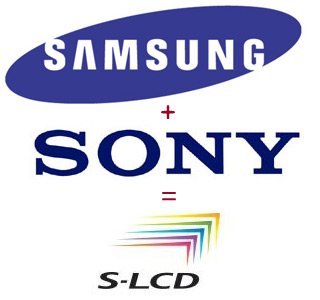
    Sony has sold its stake in the SLCD division of Samsung, the initial tie up was a 50%-50% partnership between the two companies. The venture was started seven years ago and now the companies have decided to part ways. The 50% stake that Sony owned was bought back by samsung for a sum of US $ 939 million, and Sony believes that it will continue engineering efforts for LCD developments in the future alongside Samsung.

    [toggle title_open=”Press Release” title_closed=”Press Release” hide=”yes” border=”yes” style=”default” excerpt_length=”0″ read_more_text=”Read More” read_less_text=”Read Less” include_excerpt_html=”no”]Sony and Samsung Shift to New LCD Panel Business Alliance

    • Samsung to acquire all of Sony’s shares of S-LCD, making the joint venture its wholly-owned subsidiary
    • Sony and Samsung enter into a strategic agreement for supply and purchase of LCD panels.

    Tokyo, Japan – Sony Corporation (“Sony”) and Samsung Electronics Co., Ltd. (“Samsung”) today announced that the two companies have signed agreements to transition the current business relationship with respect to LCD panels.

    Under the agreement, Samsung will acquire all of Sony’s shares of S-LCD Corporation (“S-LCD”), the two companies’ LCD panel manufacturing joint venture, making S-LCD a wholly owned subsidiary of Samsung. In consideration for the share transfer, cash consideration of approximately KRW 1.08 trillion* will be paid to Sony by Samsung. Concurrently, the two companies have entered into a new strategic agreement for the supply and purchase of LCD panels with a goal of enhancing the competitiveness of both companies. The agreement also allows Sony and Samsung to continue cooperative engineering efforts focused on LCD panel technology.

    For Sony, this transaction will enable it to monetize its shares in S-LCD and aims to secure a flexible and steady supply of LCD panels from Samsung, based on market prices and without the responsibility and costs of operating a manufacturing facility. With whole ownership of S-LCD, Samsung anticipates heightened flexibility, speed and efficiency in both panel production and business operations.

    Established in April 2004, S-LCD has continued to deliver advanced and cost-competitive LCD panels to both of its parent companies, contributing to the expansion of the respective parties’ TV businesses, and the large-sized LCD TV market overall. However, LCD panel and TV market conditions have now changed. In order to respond to such challenging conditions and to strengthen their respective market competitiveness, the two companies have agreed to shift to a new LCD panel business alliance.

    The share transfer and payment are targeted to close by the end of January 2012, subject to necessary approvals from regulatory authorities.

    As a result of this transaction, a non-cash impairment loss of approximately JPY 66 billion is expected to be incurred by Sony in the third quarter of the fiscal year ending March 31, 2012, due to the reevaluation of its S-LCD shares. This loss includes an impact from the fluctuation of exchange rate. Despite this one-time loss, Sony estimates that the transaction will result in substantial savings on and after January 1, 2012 in respect of costs associated with its
    procurement of LCD panels. The current estimate of the yearly savings in respect of such costs is approximately JPY 50 billion, compared to LCD panel procurement costs estimated for the fiscal year ending March 31, 2012. Neither the one-time loss nor the estimated cost savings were included in Sony’s forecast of consolidated financial results for the current fiscal year ending March 31, 2012, announced on November 2, 2011. Sony is currently reevaluating this forecast, taking into account this transaction and other factors that might affect its full year FY2011 consolidated financial results forecast.

    Facts about S-LCD
    Established: April 26, 2004
    Capital: KRW 3.3 Trillion
    (Samsung Electronics: 50% plus 1 share, Sony: 50% minus 1 share)
    Representative: Location: Production Items:
    Donggun Park, CEO
    Tangjeong, Chung Cheong Nam-Do, South Korea 7th and 8th generation Amorphous TFT LCD
    *Note: The final amount of such payment will be determined based on S-LCD’s financial statements as of the end of December 2011.[/toggle]

  • Fujitsu Announces the new waterproof Arrows Z ISW11F handset with 13 megapixel Camera (PR)

    Fujitsu Announces the new waterproof Arrows Z ISW11F handset with 13 megapixel Camera (PR)

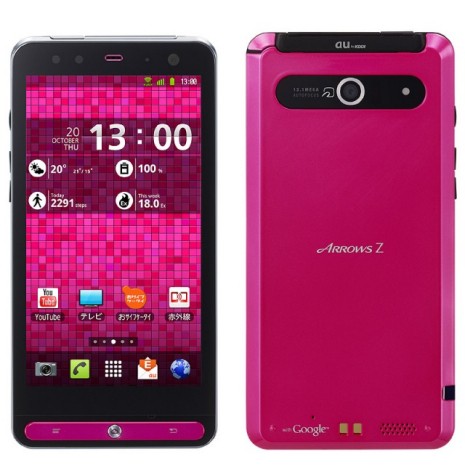
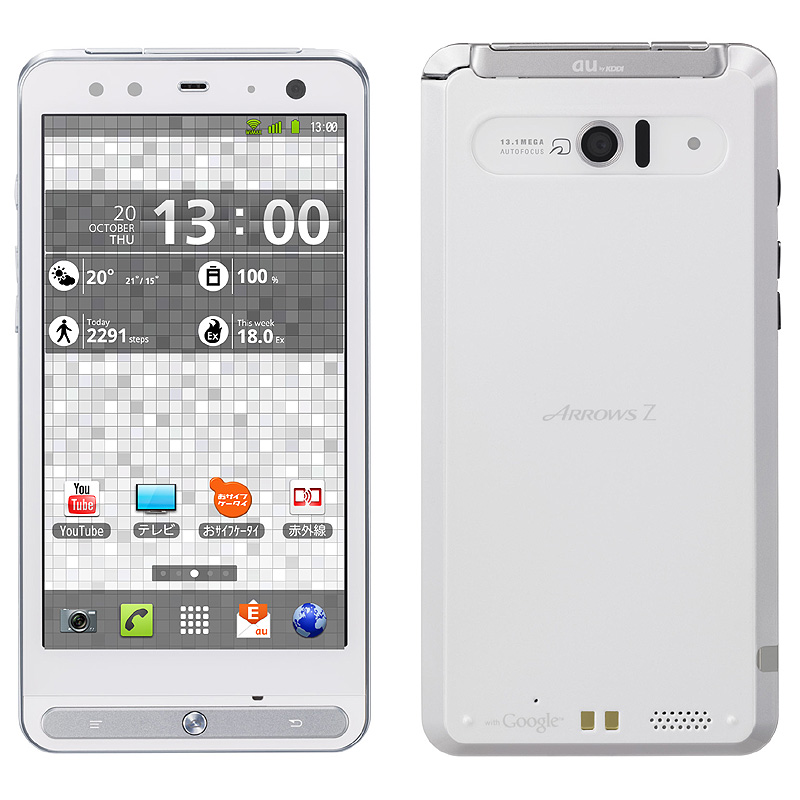
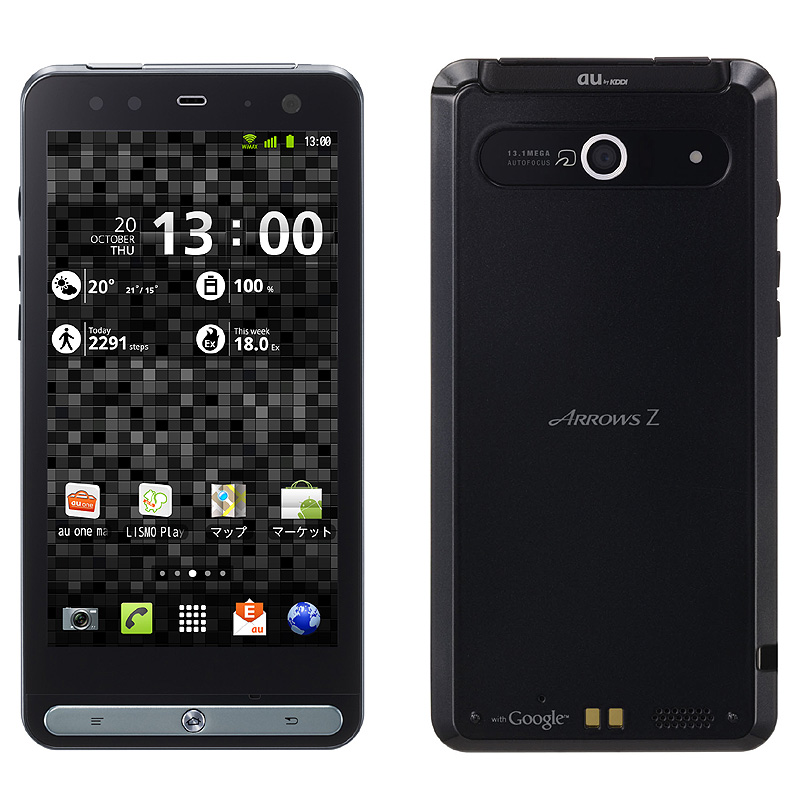
    Poofing Pink is how I like it, The new Fujitsu Arrows Z ISW11f handset caught my attention because of two main things, the color and the fact that its waterproof. Lets also not forget that this phone comes with a awesome 13MP sensor  for those Hi-Def Party Shots and videos. Currently only launched in Japan with KDDI.

    Specifications include

    • Android 2.3.5
    • 4.3-inch LCD display with 1,280×720 resolution
    • Wimax
    • Wi-fi IEEE802.11b/g/n (tethering is possible)
    • waterproof body
    • 13MP CMOS camera (Exmor R for mobile, ISO25600)
    • 1.3MP sub camera
    • 1080p video recording
    • dual-core TI OMAP4430 CPU (1.2GHz)
    • 1GB RAM
    • 8GB ROM
    • HDMI interface, microSDHC card slot (32GB max.), microUSB port
    • Bluetooth 2.1+EDR
    • infra-red
    • e-wallet function
    • digital TV tuner
    • GSM, CDMA
    • size: 64×128×10.1mm, weight: 131g
    [toggle title_open=”Press Release” title_closed=”Press Release” hide=”yes” border=”yes” style=”default” excerpt_length=”0″ read_more_text=”Read More” read_less_text=”Read Less” include_excerpt_html=”no”]For Fall 2011 lineup of au

    September 26, 2011

    KDDI, Okinawa Cellular since early October 2011, Smartphone au “IS series” au mobile phone models and three models of six new lineup, one tablet models, one model will launch a communications terminal sequence.

    This “IS series” is a high-speed communication model can be equipped with WiMAX and tethering of six models four models. To experience the ease and comfort models with dual core CPU, and mobile wallet waterproof ® , available in Japan We offer an unsurpassed model of such infrared-enabled. This well enjoy web and video viewing pleasure, we provide user-friendly operability.

    In addition, au mobile is slim and stylish design to achieve while dealing with waterproof and dustproof, and models with a camera capable of shooting high-speed fast start, for corporate customers, the loss of the event We also offer various security features models with or stolen.

    Further, both Mobile WiMAX and Wi available 3G-Fi router and a business tablet. Business tablet, the impact resistance against water and dust can also take advantage of outdoor activities.

    This time the “IS series” is, E-mail features, in addition, all models also correspond to the Earthquake and Disaster Message Board. In addition, the total support safety / security of the smart phone, “Security Pack confidence,” we offer.
    In addition, automatic photo backup service for smartphones au “au one Photo Air powered by Eye-Fi” and integrated communications services “au one Friends Note”, such as providing, you can choose to enjoy more freedom to communicate easily.

    Smartphones for WiMAX, WiMAX high-speed communications for your stay in more customers, minutes available from 1st January 2012, October 2011, “+ WiMAX” monthly fee of 525 yen (tax included) The campaign to free.

    See separate sheet please visit. As for the models announced today, from 30 September 2011, KDDI Designing Studio (Harajuku, Tokyo), from 27 September 2011, au NAGOYA (Nagoya) starts in Chicago.[/toggle]

  • SteelSeries Sensei gaming mouse soon to become a reality. (PR)

    SteelSeries Sensei gaming mouse soon to become a reality. (PR)

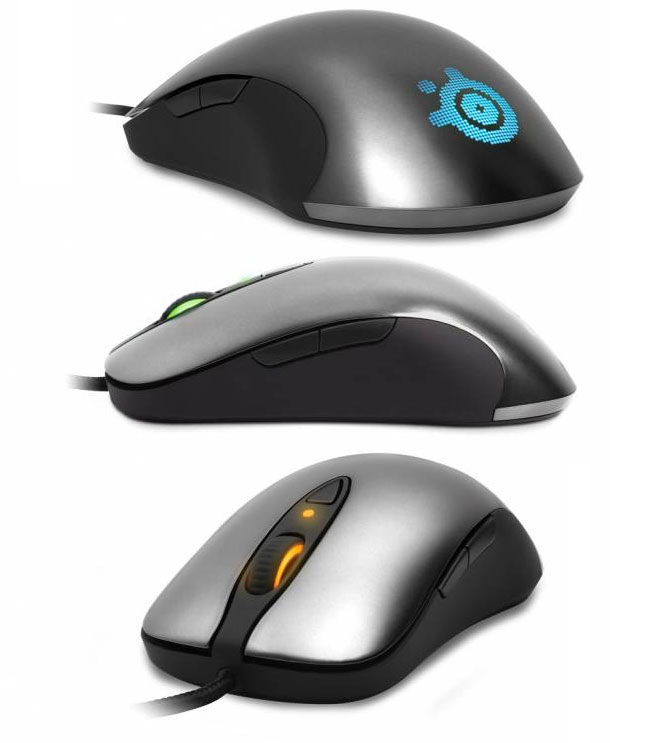
    SteelSeries has started pre-order of the Sensei mouse. This gaming specific mouse tracks up to 150-inches per second with its 10.8 megapixel sensor, and uses a 32-bit ARM processor to calculate it all , so that your PC does not have to share its gaming juice with high end peripherals such as this.

    Specs include:

    – Programmable macro buttons 
    – Ambidextrous shape 
    – Driverless plug-and-play 
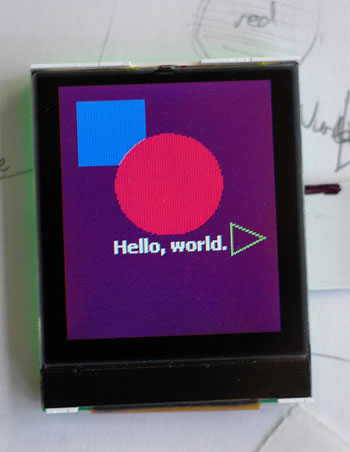
    – User defined bitmaps for the onmouse LCD 
    – SteelSeries ExactSens 
    – SteelSeries FreeMove 
    – Menu system on the mouse 
    – SteelSeries ExactAim 
    – 7programmable buttons 
    – SteelSeries ExactLift 
    – Gold-plated USB connector 
    – 16 million colors of illumination 
    – Three zone lighting – Scroll Wheel, CPI Indicator, and Logo

    People in India can purchase the Special gaming mouse for a MSRP of $89.99 / €89.99, or like we did  from http://steelseries.com for€89.99 +20.88 shipping. The devices go out 1st week of October.

    So you can book yours now if you cant wait for the company to officially bring it India – Side, wont happen till Q2 2012 anyway.


    [toggle title_open=”Press Release” title_closed=”Press Release” hide=”yes” border=”yes” style=”default” excerpt_length=”0″ read_more_text=”Read More” read_less_text=”Read Less” include_excerpt_html=”no”]THE STEELSERIES SENSEI IS AVAILABLE ONLINE NOW

    Consumers Can Order the New Mouse Directly on the SteelSeries Web Shop

    CHICAGO – Sept. 20, 2011 – The most customizable mouse to ever hit the competitive gaming industry, the SteelSeries Sensei, is now available online for consumers directly from the SteelSeries’ Web Shop. With an MSRP of $89.99 / €89.99, and a list of original features that have been perfected alongside some of the world’s most recognized competitive gamers, the Sensei is setting a new standard in mouse customization and capabilities; some of these features include:

    · A 32 bit ARM processor, that powers sophisticated calculations to be done directly on the mouse – without the need for software drivers and without having to rely on the user’s computer.

    · Complete customization, from the buttons, macros and multiple profiles to the colors, and technology settings.

    · Illumination with 16.8 million colors choices to be programmed in 3 different zones on the mouse.

    · Sensitivity settings that can be changed in increments of one from 1 to 5,700 CPI, and an “overclocked” Double CPI feature that allows the user to go all the way up to 11,400 DCPI.

    · A 10.8 megapixel image correlation laser sensor at up to 12,000 frames per second and the ability to handle tracking movements of up to 150 inches per second.

    · An ambidextrous design with a metal, non-slip grip coating and is connected with a double braided nylon cord with a USB connector.

    · Simple plug and play; for the PC Gamers* who want advanced customization options, the Sensei is supported by SteelSeries Engine technology – save multiple profiles, create long and advanced macros with layers, keystrokes and precise timing. The Sensei Mouse is compatible with both Mac and PC; *SteelSeries Engine for Mac will be coming in 2012; for PC it is available now.

    The SteelSeries Sensei can be pre-ordered from the SteelSeries Web Shop directly at http://steelseries.com or by clicking the ‘Buy Now’ button, at http://steelseries.com/sensei.[/toggle]

  • LG fixes iPad display problems and increases panel shipments

    LG fixes iPad display problems and increases panel shipments

    LG has addressed the quality issues and has now boosted its shipments back to their original levels. The company reportedly shipped 4 million 9.7-inch iPad 2 panels during the month of August, up from the 2.4-2.5 million it shipped in July, and it is expected to maintain its current volume through September. Digitimes reports that Apple expects another 12-15 million iPad 2 sales in the next quarter.

    [Read]

  • Solar Powered Smartphones Without Solar Panels – Coming Soon

    Solar Powered Smartphones Without Solar Panels – Coming Soon

    In a very interesting development, researchers from the UCLA Henry Samueli School of Engineering and Applied Sciences, have created an LCD screen which can charge its own batteries from any ambient light source such as the sun, an incandescent bulb and even its own backlight!

    We took a look a little while ago at How Modern LCDs Work. As you might remember, each LCD has a polarizing sheet that controls the amount of light that passes through any given pixel. These polarizers are very inefficient, and waste most of the absorbed energy. With this new development however, the standard polarizers have been replaced by a polarized sheet made with organic photovoltaics. These photovoltaics convert any absorbed energy, into electricity, thereby increasing the battery life of any device that it is used in.

    The researchers say that they are speaking to manufacturers so that this technology may be incorporated into future products.

  • Apple testing Retina Displays from LG and Samsung for iPad 3

    Apple testing Retina Displays from LG and Samsung for iPad 3

    According to Korean Times, Apple is testing 2048 x 1536 displays for the iPad next. 


    Apple’s upcoming iPad 3 will feature an improved display to support quad extended graphics (QXGA), a display resolution of 2048×1536 pixels with a 4:3 aspect ratio to provide full high definition (HD) viewing experience,

    According to their source the iPad 3 is the actual name of the device and not iPad HD. Apple did change its supplier of its primary chipset from Samsung to TSMC earlier this year. This happened due to the series of legal actions b/w Apple and Samsung. Apple however may not find a better manufacturer than Samsung or LG for the display.

  • Tech 101: How OLED Displays Work

    Tech 101: How OLED Displays Work

    In our previous article, we explained How Modern LCDs Work. In this article, we’ll be exploring how the new generation of displays based on OLED technology work.


    What Exactly are OLEDs?

    There are a lot of products in the market today ranging from TV’s to Laptops and even Smart Phones that contain an OLED display. But what are these displays and how do they work? OLED stands for Organic Light Emitting Diode. This technology is named after the organic polymers that are used in its construction. For a long time, organic compounds have been assumed to be electrical insulators but new research and manufacturing techniques have allowed the industry to use these polymers for many applications on a vast scale.

    OLEDs are solid-state devices which are composed of thin films of organic molecules which emit light when a current is applied. OLEDs can provide brighter crisper displays that use less power than conventional Light Emitting Diode (LED) and Liquid Crystal Display (LCD) technologies. Another application for OLEDs is in the form of lights to be used in homes and offices. These lights have a long life and are very efficient.


    The Manufacturing Process

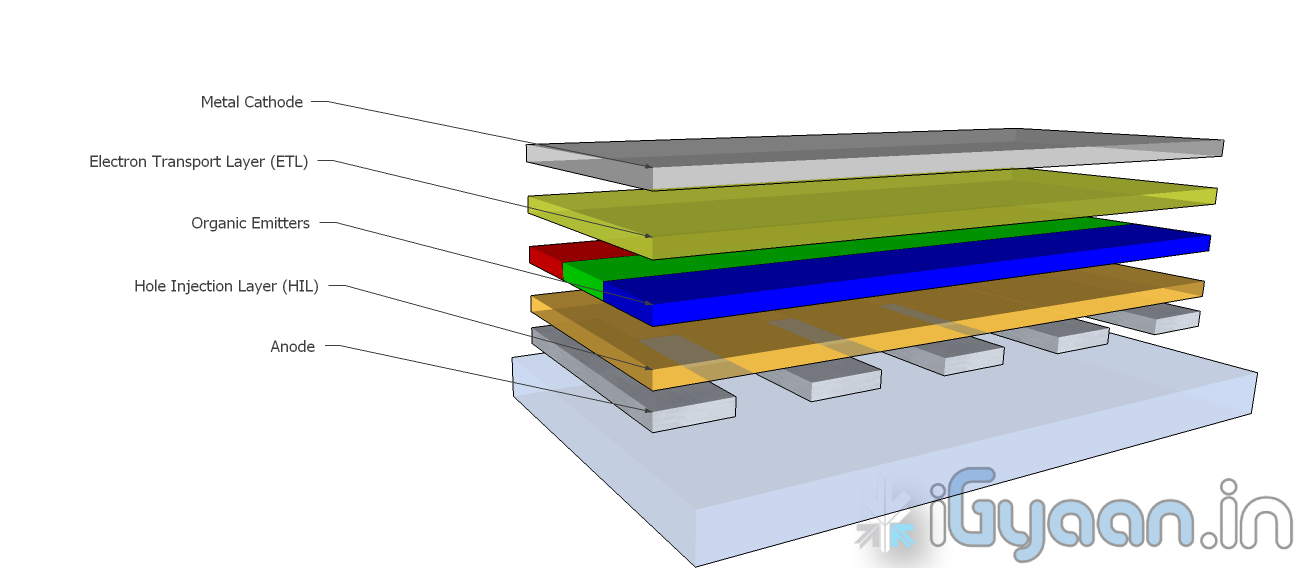
    OLEDs are basically layers of organic material sandwiched between an anode and a cathode and mounted on a substrate. This entire device is usually between 100 to 500 nanometers thick or is about 200 times thinner than a human hair.

    The substrate is usually a sheet of glass which is coated with a transparent conductive oxide which works as the anode. The next layer consists of hole injection material, the organic emitters and the electron transport layer which are together referred to as the organic stack. On top of the organic stack is the inorganic cathode. The device operates as follows:

    • Cathode – The cathode injects electrons into the system when a current flows through the device. It may or may not be transparent.
    • Organic Stack – This layer is made up of different organic polymers that are built up in layers. This is where light is made. The organic stack consists of the following layers:
      • Electron Transport Layer (ETL) – This layer consists of organic polymers or plastics that transport electrons from the cathode to the Organic Emitters.
      • Organic Emitters (OE) – This is a layer that is made up of organic polymers that may or may not be mixed with phosphorescent chemicals.  One polymer used in this layer is polyfluorene.When an electron finds a hole, it falls into the hole and gives up energy in the form of light.
      • Hole Injection Layer (HIL) – This layer is made up of polymers that transport electrons to the anode. This leaves ‘holes’ for electrons transported from the ETL to fill.
    • Anode – The anode removes electrons from the system when a current flows through the device. It is always transparent.

    This is the process by which a single OLED works. To turn them into colour displays, manufacturers place several layers of OEs on a display. There are various methods with which these individual pixels can be turned into a full colour display.


    Types of OLED Displays

    There are several types of OLED Display

    • Passive-matrix OLED
    • Active-matrix OLED
    • Transparent OLED
    • Top-emitting OLED
    • Foldable OLED
    • White OLED
    Passive Matrix OLEDs or PMOLEDs

    PMOLEDs are designed in a hash pattern. The anode and cathode are made in strips that are arranged perpendicular to each other. The points of intersection of the strips of anode and cathode make up the individual pixels where light is emitted. External circuitry is used to control which pixels are on and what colour they emit. The brightness of each pixel is dependent on the amount of current in the system.


    Active Matrix  OLEDs or AMOLEDs

    AMOLEDs have a full layer of anode and cathode materials but they borrow a technology from LCDs to produce a visible display. Sandwiched between the anode and the organic layer is a layer of thin film transistors or TFTs that makes the array. The TFT array is the circuitry that decides which pixel is on and what colour it displays. AMOLEDs are more efficient than PMOLEDs because the external circuitry used to run the PMOLEDs consumes more power. AMOLEDs also have a faster refresh rate which makes them more suitable to larger displays used in televisions and computer monitors.


    Transparent OLEDs or TOLEDs

    TOLEDs are constructed with only transparent  components, and are upto 85% as transparent as the substrate used when they are turned off. When it is turned on, the display still allows light to pass both ways and remains transparent. It can have either an active matrix or a passive matrix. This technology would be perfect for Heads Up Displays and Medical Equipment.


    Top Emitting OLEDs or TEOLEDs

    TEOLEDs are constructed with a substrate that is either opaque or reflective. They are perfectly suited for an active matrix design. They are used in smart-cards.


    Foldable OLEDs or FOLEDs

    FOLEDs are constructed with a highly flexible substrate which could either be a plastic or metallic foil. These types of OLEDs are very lightweight and durable. They are used in cell phones and can reduce breakage. They could also potentially be integrated into fabrics to create smart clothing.


    White OLEDs or WOLEDs

    WOLEDs  emit pure white light that is brighter and more uniform than the light which is emitted by fluorescent lights. . WOLEDs can be made in large sheets and can reduce energy costs massively if used to light homes and buildings due to their low power consumption.


    Advantages and Disadvantages of OLEDs

    OLEDs offer many advantages over the current favorite, LCDs and LEDs.

    • The organic construction of an OLED is much thinner than the many layers required for an LCD or LED display.
    • OLEDs can be built onto a thin plastic substrate which allows them to be flexible instead of the glass used in LCDs and LEDs.
    • Due to its design, an OLED display is much brighter than an LED display. This is because the conductive and emissive layers of an OLED can be stacked several times to produce more light than an LED while still remaining extremely thin.
    • Since OLEDs emit light themselves, they do not require a back-light. LCDs work by selectively  blocking areas of the back-light to produce individual pixels. OLEDs are also much more energy efficient than LCDs because they lack a back-light.
    • As OLEDs are made from plastics, they can be built into large thin sheets which makes them much easier to produce. It is much more difficult to create an LCD display of the same size.
    • OLEDs have a much viewing angle than LCDs because they do not block light in any fashion. Since they produce their own light, they can provide a field of view of upto 170o.

    For all their advantages over LCDs and LEDs, OLEDs have a few problems as well.

    • Red and green OLED films have a very long life of between 46,000 to 230,000 hours while blue OLED films currently have a much shorter lifespan of around 14,000 hours.
    • The manufacturing process for OLEDs is not cheap as of now.
    • OLEDs are not at all water resistant and can easily be damaged on contact with even a few drops of water.


    While LCD and LED technology remains in the mainstream, OLEDs are making headway into the television, computer and mobile segments. Manufacturers and engineers are realizing the potential benefits of using OLED technology for their devices. In the next few years we should see an increase in OLED sales as well as some novel applications of the technology.

    Stay tuned to the Tech 101 segment to learn more about what makes our everyday devices tick.

  • Tech 101: Modern LCD Displays

    Tech 101: Modern LCD Displays


    Displays have come a long way since the old CRT monitors and TVs. Advancements in display technology have made many modern devices possible such as mobile phones, mobile gaming platforms like the Sony PSP, thinner Televisions and Monitors. We use them everyday, for a variety of tasks but do we really know how they work? What is an LCD? What is a TFT Screen? How do they display so many millions of colours? This article will answer these questions and many more.

    What is an LCD?

    The term LCD stands for Liquid Crystal Display. But what exactly are Liquid Crystals? The term is quite confusing. A substance can either be a crystal, like quartz, which is hard as rock, or it can be a liquid which is obviously different. How can it be both? We all learned that matter can exist in 3 states, solid, liquid and gas. Solids have their molecules in a very rigid orientation while liquids and gasses are exactly the opposite. There are a few substances that have properties that are like solids and liquids at the same time. What this means is the the molecules of the substance tend to maintain their orientation, like a solid, but they also tend to move around, like a liquid. This is why they are called Liquid Crystals.

    It takes a lot of energy to convert a solid into this state, and only a little more to convert it into a liquid. This is why LCD’s are so sensitive temperature changes. This property allows them to be used in the making of Mood Rings and Thermometers. There are many types of liquid crystals. The major type used in monitors and other displays are called Twisted Nematic Liquid Crystals. These type of crystals twist and untwist at varying degrees to allow light to pass through when a voltage is applied.

    What is a TFT?

    A Thin Film Transistor LCD or TFT-LCD is named after a very thin layer of transistors that are applied to the back of a Liquid Crystal Display. These transistors allow only one row of pixels to be updated at any given point in time. The speed with which this updation takes place fools your brain into thinking that its viewing a static image.

    In small LCDs such as the ones used in calculators and other devices, a voltage can be applied across one segment without interfering with other segments of the display. This is impractical for a large display with a large number of pixels, since it would require millions of connections, two for each one of the three colors (red, green and blue) of every pixel. To avoid this issue, the pixels are arranged in rows and columns, reducing the connection count from millions to thousands. The column and row wires attach to transistor switches, one for each pixel. The one-way current passing characteristic of the transistor prevents the charge applied to the pixel from draining between refreshes, which creates the persistence of vision.

    What is a Pixel?

    A single pixel is the smallest addressable screen element in a display device, or it is the smallest unit of picture that can be represented or controlled. Each pixel has its own unique address which corresponds to its coordinates on the screen. Pixels are normally arranged in a grid pattern. Each pixel is made up of three Sub-Pixels which have a different color, Red, Green and Blue. The voltage applied to each subpixel decides its colour intensity. There are 256 possible gradations for each subpixel and together all three give a combination of 256 x 256 x 256 = 16,777,216 colours to each pixel on the screen.


    How it Comes Together

    A simple LCD monitor has many layers of technology that make it function. The basic principle behind these types of monitors is the Polarization of Light. What this means is that light is strategically allowed or not allowed to pass through any given point on the screen.

    At the base of a monitor, you have a single line of white LED’s that provide a backlight. There are many layers of films placed on top of these LED’s to create even lighting across the back panel. The next layer consists of a plate of glass. At the back and front of this sheet of glass are two polarization films. Light passes through the back film and is twisted by the glass to be ‘in sync’ with the front film. If the light is ‘in sync’, it passes through, if not, it is blocked by the film.

    The sheet of glass is an amazing piece of technology. It basically consists of a layer of TFT’s and a Liquid Crystal array that is arranged in a grid format. Each point or pixel of the grid consists of three subpixels. These subpixels are what give the pixel its colour. They have a maximum intensity of 255. What this means is that if we set the intensity of the red subpixel to 0, then no light passes through, and it appears black. If the intensity is set to 255, then all the light passes through and it appears bright red. If we wanted to create a single pixel of sky blue colour, the red subpixel would be set at 135/255 intensity, the green subpixel would be set at 206/255 intensity and the blue subpixel would be set at 250/255 intensity. This is how each pixel of your display is updated 60 times a second. Thereore, for a display of 1024 x 768 resolution, the monitor is making 141,557,760 updates per second. If it takes you half a second to flip a switch, making these many updates would take you 819.2 days or 2.24 years. Thats a LOT of updates (and finger cramps).


    To conclude, we would like to point out how much all of us take technology for granted. We have really got no idea what goes in to making most things we use everyday. We bicker and complain about our Tech being too slow or too old. We cant wait for the next big thing. At iGyaan, we have decided to start this section to demystify the basics of technology, so that the end user/consumer understands the true nature of the products that he/she is buying. We hope that you enjoy this section and learn something new from it. We’ll continue to bring you updates on the basics of technology. If you have something specific that you’d like us to talk about, please leave your requests on the comment section below.

    Stay tuned for the next update, continuing along the display line on OLEDs and AMOLEDs.

iGyaan Network
Privacy Overview

This website uses cookies so that we can provide you with the best user experience possible. Cookie information is stored in your browser and performs functions such as recognising you when you return to our website and helping our team to understand which sections of the website you find most interesting and useful.