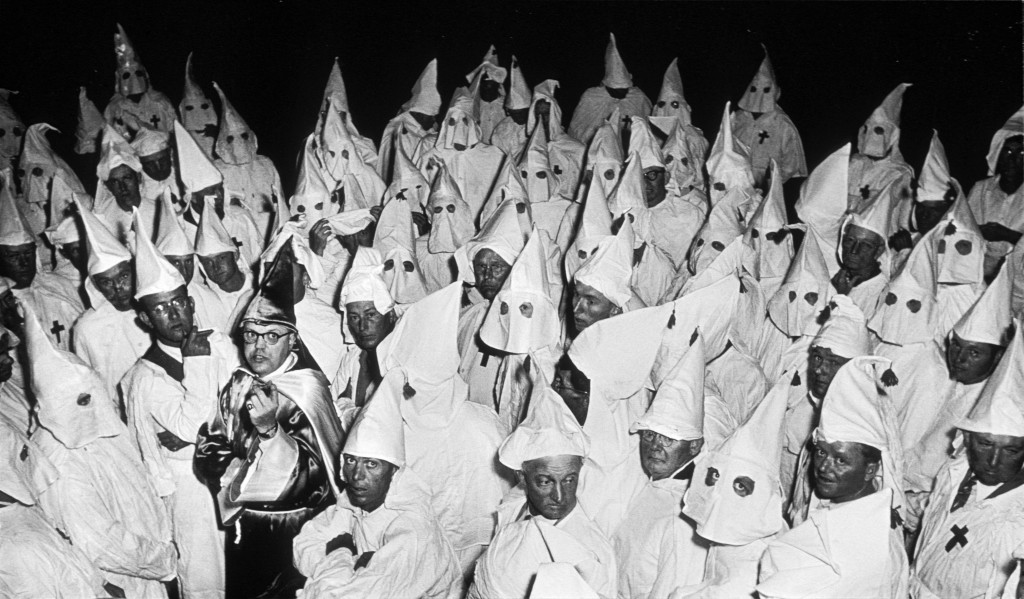
Ku Klux Klan is a white supremacist group in the United States of America and Anonymous is a self-proclaimed “hacktivist” group. How are the two even connected? Well, recent reports tell us that Anonymous hacked into KKK’s Twitter account and have furthermore vowed to release the names of about one thousand Ku Klux Klan members.
This is not the first time that Anonymous has taken upon itself the responsibility to reveal the names of members of a secret group or society. Earlier in May 2015, they had named around nine thousand two hundred members of the ISIS terrorist group, in the wake of the Charlie Hebdo case.
This time, they will reveal the KKK names on the day of Operation KKK’s one-year anniversary. The act is seen as a declaration of cyber-war against the Klan following the grand jury’s decision not to indict a police officer Darren Wilson for the death of a black-american boy named Michael Brown in Missouri, USA.
To give you a background, back in November 2014, the KKK had distributed fliers threatening violence against the hacktivists, warning them that they had “awakened a sleeping giant”. This was followed by Anonymous taking over the KKK’s Twitter account in response to the threat. The account remains under Anonymous’ control till date and they have further sent all Klan affiliated sites with DDoS, that is, distributed denial of service attacks. Anonymous is calling this anti-Klux movement Operation KKK and has even changed the logo of the society’s Twitter account to their own.
The transparency of the web obviously has its positives and negatives, however, the web can also be a very dark place to be in. Hacktivists like Anonymous are using the transparency of this ‘cyber age’ and is using it to bring to the fore various social and political issues. As of now, it seems like a good move, but how long do you think it will be until both parties start facing repercussions?
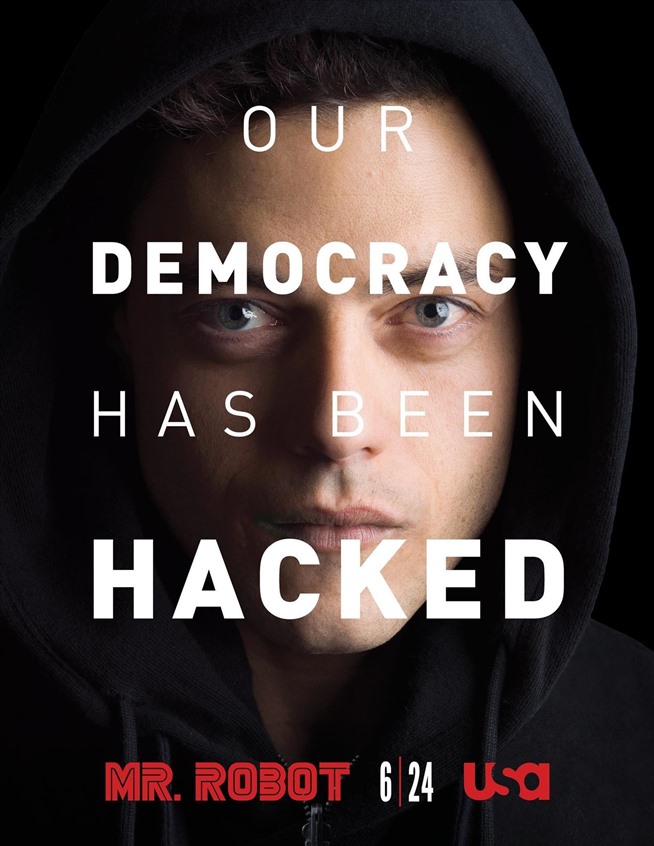
As Slater’s character says in USA’s Mr. Robot, “It controls you and everyone you care about… Money…It’s become virtual. Software –the operating system of our world”, technology truly has become a force to reckon with. It’s interesting to see how the definition of technology and all that it entails has evolved over time, eventually becoming a magical entity which suddenly made information on the remotest of topics available just a simple click away.
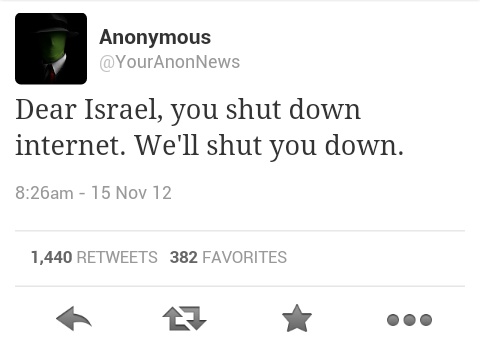
In an attempt to move away from the fictional world of TV shows to the domain of international politics, one wonders how different Anonymous’ taking down of the Israeli websites in response to their attack on Palestinian cyber space is from Elliot’s attempts to take down E corp.
The past decade has revealed the potency of technology in bringing down governments and international institutions. The Arab Springs is a perfect example of a situation where social media became the realm of youth-mobilisation against what was seen as injustice done by the system. When one talks of technology as the space for revolution and change, it is impossible to not delve into an elaborate discussion on Anonymous.
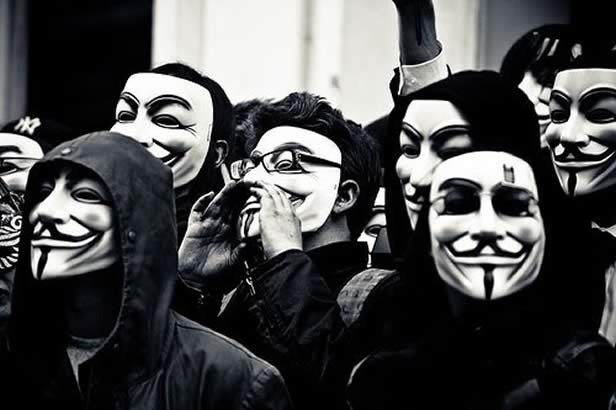
Describing themselves as “an internet gathering” with “a very loose and decentralized command structure that operates on ideas rather than directives”, the group emerged in 2003 and became self-professed defenders of those facing oppression at the hands of political or religious institutions. Anonymous provided the template for any group of maverick hackers trying to bring down big corporate houses, the State or any power structure threatening the well-being of a community. There is perhaps a reason Anonymous has gained a potent cult following, with TV shows like Mr. Robot being the latest reminders of it.
Here’s a closer look at top five successful hacking operations carried out by Anonymous that made the world sit up and think:
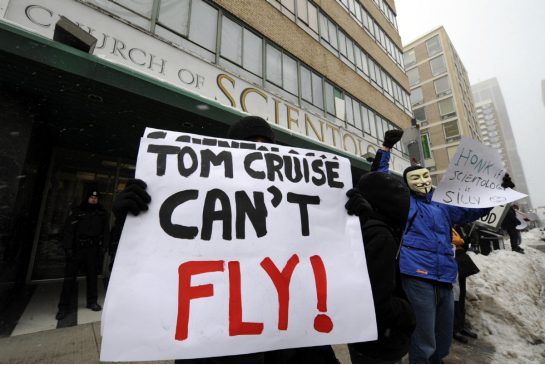
1. Project Chanology (2008): One of the first prominent hacking activities of the group, this project involved a series of DDoS in 2008 against the Church of Scientiology. As part of this attack, a group of Anons posted a video on YouTube where a robotic voice declared, “For the good of your followers, for the good of mankind—for the laughs—we shall expel you from the Internet.” Needless to say, within a week the video had earned hundreds of thousands of views all over the world.
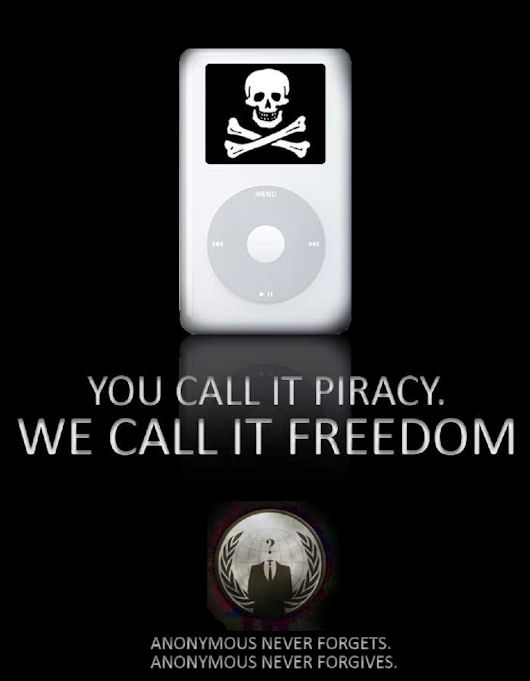
2. Operation: Payback is a Bitch (2010): In 2010, Anonymous came across an Indian software company called Aiplex Software that carried out DDoS attacks against websites like the Pirate Bay that carried pirated content. On September 17th, within a week of having stumbled upon this company, Anonymous launched a DDoS against the site which shut it down for a day. It soon snowballed into a cyber-war which included Anonymous coming to the aid of various bitTorrent sites. The message was emphatic and well-articulated as Anons went ahead to declare in an official statement, “Anonymous is tired of corporate interests controlling the internet and silencing the people’s rights to spread information, but more importantly, the right to SHARE with one another”. The name of the project was put on a hacked website of copyright alliance.
3. Operation Avenge Assange (2010): This became an extension of Project Payback as the Anons took charge of hacking into all those websites which had refused to allow donations to WikiLeaks. Beginning with DDoS attacks against PayPal, Anons hacked into MasterCard and Visa websites, among others. This resulted in PayPal announcing the release of its frozen funds to be directed towards WikiLeaks. Also, in December of the same month, The Daily Telegraph reported a threat by Anonymous to hack into the British government websites if Assange were extradited to Sweden.
4. Operation Darknet (2011): In October, 2011, Anonymous began a series of DDoS attacks against Lolita City, a child pornography website. Anons stated in an official statement, “We vowed to fight for the defenseless, there is none more defenseless than innocent children being exploited.” Multiple demands and warnings were made and issued respectively to take down the server. This was followed by a manifesto in the form of a YouTube video.
When the servers still remained untouched, Anonymous revealed a list of 1589 users of Lolita City along with detailed records of their profiles. The FBI and Interpol were asked to look into the matter further. Eventually a total of 40 child pornography websites were taken down by Anonymous in 2011 itself.
5. Anonymous-ISIS Cyber-War (2015): Earlier in 2015, a group of Anons called GhostSec started a cyber-campaign called #OpISIS against the Islamic State (IS). The campaign is aimed at targeting those members of the extremist IS who are using the internet as a platform to spread propaganda and fundamentalism. In order to “cure the ISIS virus” they are keeping a close track of the activities of the members of IS across various social media platforms. Even as early as April 8, 2015, Anonymous had managed to attack 233 websites, destroy 85 websites and terminate 25,000 Twitter accounts. Though this did result in a significant lull in the intra-group activities of IS, the move was criticised by many for it meant bigger obstacles in keeping track of IS activities.These are just a few examples of what Anonymous has been up to since its inception over a decade ago. Often identified as the archetypal trickster, no one’s really sure of what to make of this secret, super snazzy self-proclaimed group of “hackists”. One is often tempted to wonder if they are operating as vigilantes, saviours of the world from religious and political institutions, or if they are only there for a few laughs, trolling the most powerful organisations of the world simply because they can.
Could technology truly be the space for bringing about the change the reformers, revolutionaries and anarchists of the world dream of? Or is it simply a hoax, an illusion of power given to people to keep them appeased by hiding from them their absolute powerlessness?
The realm of technology clearly raises more questions than it answers. Adding to the blur of conflicting opinions are groups like Anonymous which still leave us unsure of their position in this rigmarole of politics, power, society and ideology. Until the day a consensus is reached, if one is reached at all, here’s to the riot of social media, the fan-following of Anonymous, and well, to the threat of a futuristic society where artificial intelligence enslaves humanity to save a race turned upon itself.
Hackers from the Anonymous India group took down the Telecom Regulatory Authority of India (Trai) website in an attempt to stand against the violation of Net Neutrality in the country. The website may be back online for the time being, but the group remains active on their twitter voicing out their reasons. The DDOS attack was done to the website to stand against the releasing of Email IDs by the organization, claims Anonymous India group.
Although TRAI took to the media outlets and said that the website was down due to technical glitches. However the hacktivist group has asserted claim over the DDOS attack.
TRAI had released a list of email-ID’s from which it had received responses towards and agains Net Neutrality. This makes clear the severe lack of privacy of information from a govt. organization. A lot of Indians voiced their opinions on the lack of discipline in the TRAI functioning.
Anonymous India claimed to have stopped the attack, because a lot of tweets asked them to, Although, they claim that if no action is taken by TRAI, a similar incident will take place in the future.
Clicking on the ‘Buy Now’ tab on Amazon or Flipkart surely gives you that good feeling of owning the very product you wanted to have for long time. But have you ever thought of the possibility of you compromising your personal information in internet Eco-system; that may be used against you or for stealing your money. We’re sure you are aware of these crimes but you think they won’t happen to you. Well you are wrong, and statistics say otherwise.
According to ‘Internet Security Threat’ report that was recently released by Norton (Symantec), India has 42 million cyber crimes affecting 42 million cyber crime victims every year on a pan-India basis. During the last year, 52 per cent of such victims had suffered attacks such as malware, viruses, hacking, scams, fraud and theft. The report adds eighty people are vicitimised under various cyber crimes, every minute across India. The study reports seven out of 10 adults have been victims of different modes of cyber crime in their life time.
Anonymous Group Embelem
With the Internet becoming available at the touch of a button and wannabe computer whiz kids dabbling in hacking for sport, cyber crime has seen an unprecedented upsurge. What makes it infinitely more dangerous than any other crime is the comparative lack of awareness and identification. How could you be expected to know that behind the innocent looking website lurks a compulsive hacker, or worse, consummate identity thief?
History of hacking and identity theft can be traced back to 2004 with the rise of collective called ‘Anonymous‘ who targeted government organisations and corporate. Wikileaks is another major example of hacking and recent one’s like Heartbleed bug posed a major threat to many international organisations. Think if these hacker can bring down biggest names in the global business, where we stand in this mayhem of cyber-crime and identity theft.
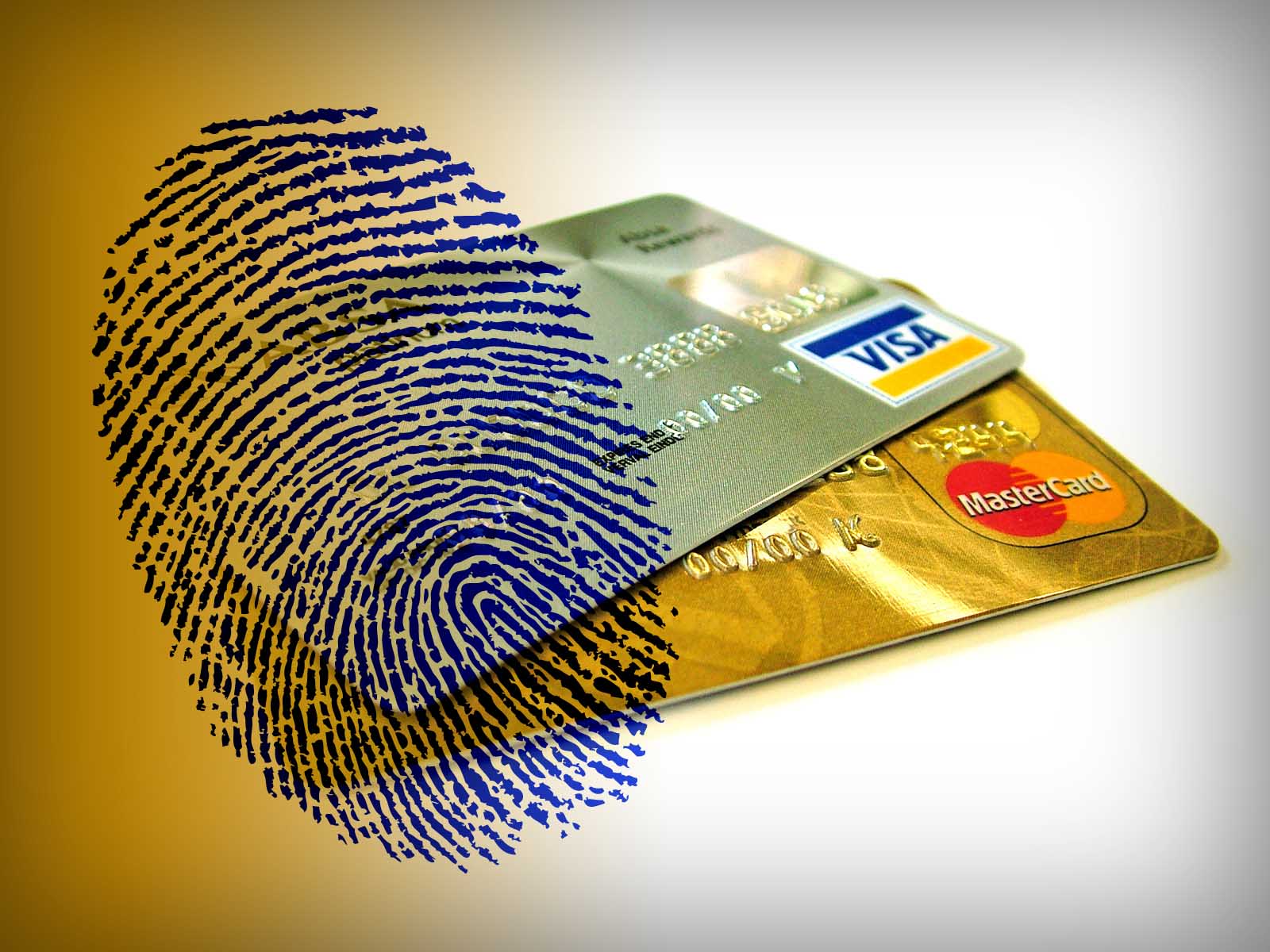
Identity theft is a crime whereby criminals impersonate individuals, usually for financial gain. In today’s society, you often need to reveal personal bits of information about yourself, such as your social security number, signature, name, address, phone number, cell number or even banking and credit card information. If a thief is able to access this personal information, he or she can use it to commit fraud in your name.
Armed with your personal information, a malicious person could do any number of things, like apply for loans or new credit card accounts. This individual could request a billing address change and run up your existing credit card without your knowledge. A thief could use counterfeit checks and debit cards or authorize electronic transfers in your name and wipe out funds in a bank account.
Supposedly, Identity theft is one of the biggest practiced crime of our generation and you need to secure your self with these thefts. Almost every worldwide government agency responsible for identity theft issues will tell you the same thing: The first step to fighting identity theft is to minimize the risk.
To do this they urge consumers to protect their personal information. Start by asking companies how they use your information, and for online transaction, take a moment to review a website’s privacy policy. For Internet transactions, be sure the Web site offers secure data encryption and other services to protect your personal information.
In offline transactions don’t provide credit card numbers, financial account numbers, and personal identifying information over the phone unless you know the communication line is secure. Ideally, you should initiate the phone conversation.
Lastly, there are recommended everyday practices, such as keeping an eye on postal mail to ensure your bills are arriving when they should be, and taking the time to properly dispose of paper documents that may contain credit card numbers and other identifying personal information.
Remember: The more private and secure you keep your personal identifying information, the less susceptible to identify theft you are.
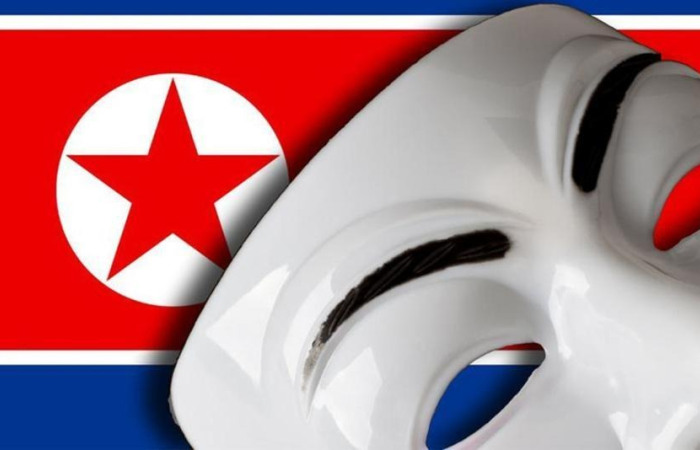
It appears that official North Korean Twitter and Flickr accounts have been hijacked and defaced by groups that are linked to online hacking activism collective Anonymous.
The hack attacks, reported by TheNextWeb, follow last week’s hacking of North Korean news site Uriminzokkiri.com, which was said to have resulted in the theft of 15,000 passwords.
Members of Anonymous inside North Korea are said to have assisted with the latest hack attack, which is retaliation for aggressive moves by the country’s regime and its development of nuclear weapons in defiance of international threats.
More hack activity is promised later in the month if the hackers can tackle the country’s “cyber army,” which locks down computer activity in the North and deals with the nation’s limited and walled-off Net infrastructure.
The North’s Uriminzokkiri Twitter and Flickr accounts stopped sending out content typical of that posted by the regime in Pyongyang, such as photos of North’s leader Kim Jong Un meeting with military officials.
Instead, a picture posted Thursday on the North’s Flickr site shows Kim’s face with a pig-like snout and a drawing of Mickey Mouse on his chest. Underneath, the text reads: “Threatening world peace with ICBMs and Nuclear weapons/Wasting money while his people starve to death.”
The image uploaded on Flickr
Another posting says “We are Anonymous” in white letters against a black background. Anonymous is a name of a hacker activist group. A statement purporting to come from the attackers and widely circulated online said that they had compromised 15,000 user records hosted on Uriminzokkiri.com and other websites. The authenticity of the statement couldn’t be confirmed, but the North’s official website did not open Thursday.
Tweets on the North’s Twitter account said “Hacked” followed by a link to North Korea-related websites. One tweet said “Tango Down” followed by a link to the North’s Flickr page.
North Korea opened its Twitter account in 2010. It has more than 13,000 followers. The North uses the social media to praise its system and leaders and also to repeat commentaries sent out by North’s official Korean Central News Agency.
Tensions have been high in recent days between North and South Korea, and the North’s military warned Thursday that it had been authorized to attack the U.S. North Korea is angry about sanctions against its nuclear program and joint military drills between the U.S. and South Korea.
The AntiSec Campaign which started a few days ago as a partnership between hacker groups LulzSec and Anonymous, is a cat and mouse game between the hackers and the governments they target. One member of LulzSec, Ryan Cleary, a 19 year old from Wickford, Essex, UK, is suspected by authorities to be a leader of the group as well as being the brains behind the attacks on the FBI, CIA and Sony sites. He was arrested by British Police yesterday in a “pre-planned intelligence raid”. He has allegedly performed these acts from a computer in his mother’s house.
In another part of the world, the Brazilian wing of LulzSec seems to be accomplishing their mission(s) quite well. In a tweet from Lulzsec, the group congratulated their Brazilian unit.
[quote]Our Brazilian unit is making progress. Well done @LulzSecBrazil, brothers![/quote]
Meanwhile, Anonymous has not been sitting idle. In a video released a few hours ago, the group urged anyone from around the world who believed in freedom of speech and anti-censorship of the Internet to stand up for their rights and join them.
This cyber war seems to be heating up, with the hackers targeting governments around the world. We shall keep you updated on the action as it happens. Stay tuned.
The two most famous hacker groups in recent times have united in a campaign which they call AntiSec. The targets include banks, government organizations, and other high profile targets. They are urging hackers from around the world to unite to steal and leak classified documents, e-mails, and other information. [quote]We hear our #Anonymous brothers are making progress with #AntiSec, we also have reports of many rogue hacker groups joining in. :D[/quote] the group tweeted a few hours ago.
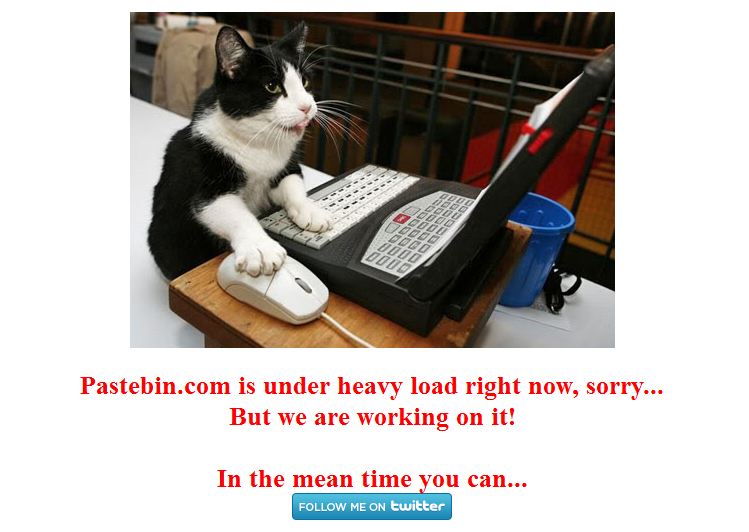
The campaign seems to have hit its first official target target today. The website of UK based Serious Organised Crime Agency was down today. In another tweet, it appears pastebin, the text sharing site appears to be down. LulzSec suspects the UK Government to have perpetrated an attack against the site as the group uses it to distribute materials. They tweeted:[quote]#DearGovernment did you DDoS @Pastebin b/c of this pastebin.com/9KyA0E5v#AntiSec or is that b/c of us reading it?[/quote] When we visited the website, this is what we found:
LulzSec is a group that recently targeted the CIA, the FBI, and Sony among others. The group seems to want to embarrass their targets just for kicks and are speculated to be an offshoot of Anonymous.
Anonymous is a group that targets governments and organizations for political reasons and mostly in the support of freedom of speech. In the past they have targeted the governments of Iran, Turkey and Egypt. They have also targeted Sony for the company’s legal action against PlayStation 3 hacker George Hotz, and Paypal, MasterCard and VISA after they removed their services from the WikiLeaks website which enabled the site to receive donations.
Stay tuned for more news on the on-going cyber war.
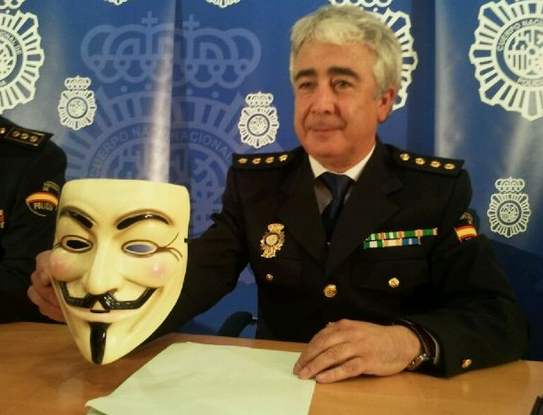
Anonymous, the name behind various recent cyber attacks including one in our own home, are finally under the scanner in a major way, Authorities in Spain say they have arrested three members of the organization that claims to be an Activist for morals. They also seized at least one computer used in the attacks on Sony. Those arrested are believed to have been important in coordinating the group’s activities in the country and to have distributed the Loic DDoS tool to others.
The group became infamous for hacking credit card companies, such as MasterCard and Visa, and PayPal in retribution for not allowing donations to be made to Julian Assange’s WikiLeaks. Sony has blamed the attack on its PlayStation Network partially on Anonymous, but the arrest of three of its members is a far cry from retribution for the company which has damages that total more than $172 million.
The arrests serve more as a message to other hacking groups, such as the headline stealing LulzSec, that given time law enforcement will track them down. However, this particular set of arrests will probably do little to discourage hacktivists across the world.
Spanish government are on high alert to make sure they are protected against any attacks from the various legions of Anonymous.
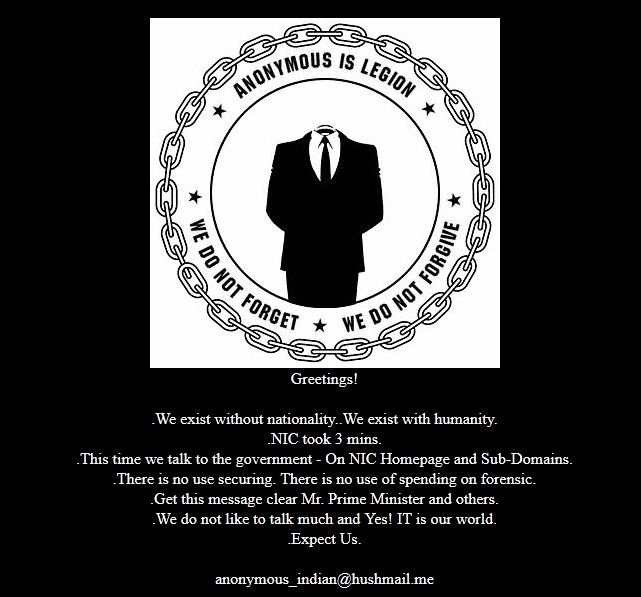
The hacker group know as Anonymous has shown its support for India’s Anti-Corruption Movement by hacking the National Infomatics Center (NIC) Website and placing this message:
The NIC is responsible for implementing and managing IT related projects including e-governance in India. Until now, most cyber attacks on India have been done by Pakistan based hackers as part of the on-going cyber-war between the two countries. Anonymous placed its logo along with a message for Prime Minister Manmohan Singh on the NIC website. The page was not accessible by Tuesday, but a google cache of the page still reveals the message.
There was however no data stolen by the hack, or any damage done, according to a government expert on cyber security. “This was more a playful threat, that exploited some weaknesses of the NIC site,” an NIC official said on condition of anonymity.
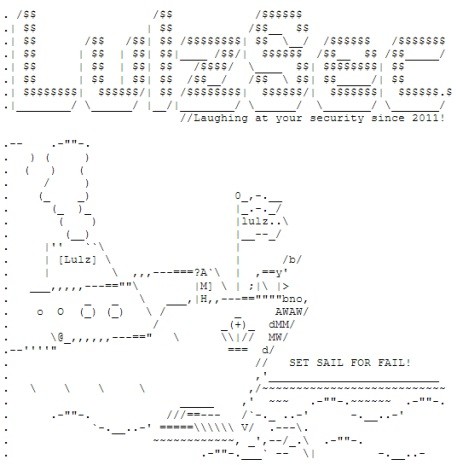
Sony is dealing with a bad year. After several cyber attacks already in the past month, this time around Sony Pictures was attacked by Lulz Security (laughing at your security since 2011) and they claim to have stolen the personal information of over 1,000,000 users. The attackers claim that the information was stored in plain text format in plain sight in and required just an SQL injection.
The group has already revealed 20,000 email / password combos of unfortunate users, along with 20,000 Sony music coupons, and the admin database for BMG Belgium employees.
Sony should soon be opening job positions for Cyber Security experts, get your CV’s ready.
Sony has been targeted by Hackers yet again. In the biggest attack against an organization, hackers all over the world are taking revenge for their rights with Sony. After several attacks including PSN, SONY BMG, and even a service all owned by Sony, This time its Sony Ericsson’s Canadian Online store and the intrusion extracted personal data of more than 2,000 Canadian Eshop customers.
According to SE the passwords taken were encrypted and no credit card details were lost. Hopefully SONY will tighten its security post these attack making it one of the most secure Company with online presence.
On Tuesday, security firm Sophos said Sony Music Japan suffered the same fate — with hackers exploiting a system vulnerability and posting such taunts as “stupid Sony, so very stupid” inside the data they made available online.
And while the series of attacks suggest Sony has more work to do securing its networks Phil Lieberman, CEO of online security consulting firm Lieberman Software, said it is also the price Sony is paying for its hard-line approach to the hacking community.
Sony is crying foul, with repeated attems at breaking its security have come into light, Several PSN attacks and other subsidiary attacks later. Now, Sony BMG in Greece is the next target. An anonymous poster has uploaded a user database to pastebin.com, including the usernames, real names and email addresses of users registered on SonyMusic.gr.
If you are a user of SonyMusic.gr, it is highly recommended that you reset your password. Expect that any information you entered when creating your account may be in the hands of someone with malicious intent, and keep a close eye out for phishing attacks
According to The Wall Street Journal hackers have accessed the customer accounts of Sony subsidiary So-net Entertainment Corp, an ISP, and have stolen about $1,225 worth of redeemable gift points. This after the massive breach of Sony’s Playstation Network which caused a loss of 12.3 million credit card numbers from the networks database.
Sony said the So-net hacker tried to break into its systems more than 10,000 times before he or she was able to successfully log-in. The intruder was able to access 201 accounts, and he or she stole the redeemable points from 128 customers.
“Although we can’t completely rule out the possibility that there is a connection with the PSN issue, the likelihood is low,” said So-net Entertainment spokesperson Keisuke Watabe, noting that the style of attack was different.






 According to The Wall Street Journal hackers have accessed the customer accounts of Sony subsidiary So-net Entertainment Corp, an ISP, and have stolen about $1,225 worth of redeemable gift points. This after the massive breach of Sony’s Playstation Network which caused a loss of 12.3 million credit card numbers from the networks database.