Tag: windows phone

  • Top Android And iOS Competitors That Got Lost In The Wheel Of Time

    Top Android And iOS Competitors That Got Lost In The Wheel Of Time

    Google’s Android and Apple’s iOS are the most popular and the most used mobile Operating Systems worldwide. While their success is unprecedented and doesn’t seem like it can be beaten; there was a time when many companies were close. Here is the list of all the once-promising competitors to the hulking giants in the smartphone OS market. Most of them have been forgotten in the wheel of time.

    Windows Phone
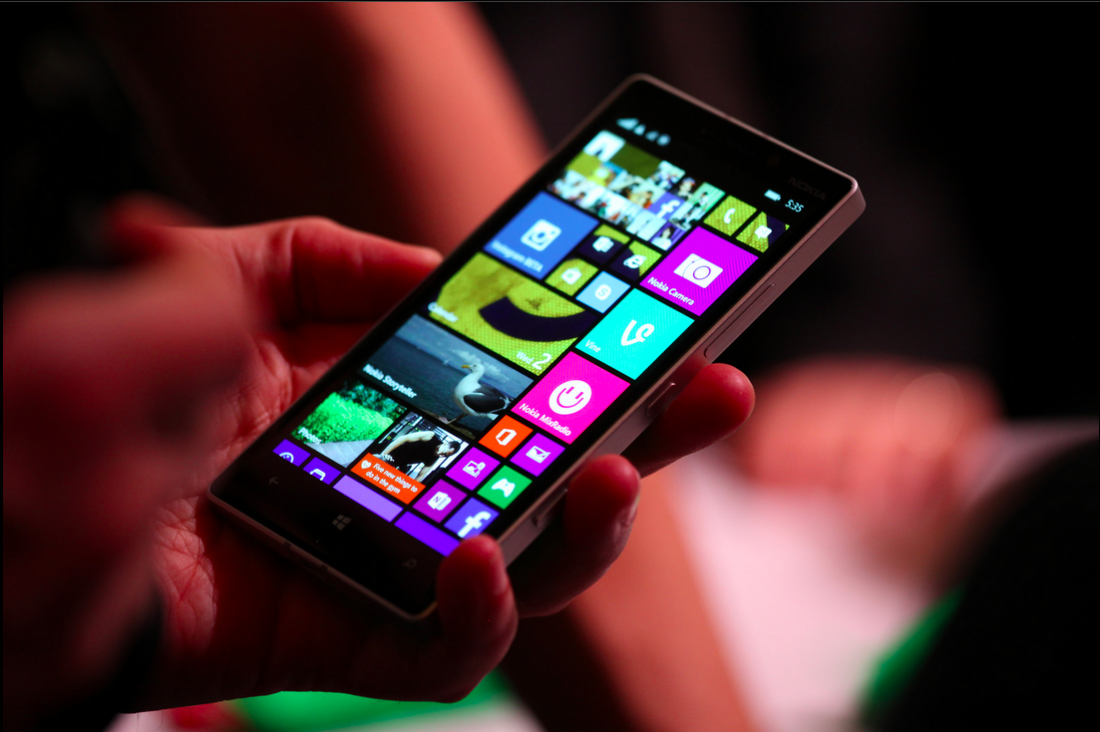
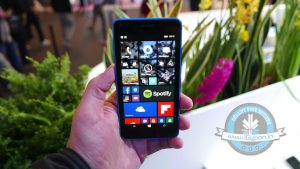
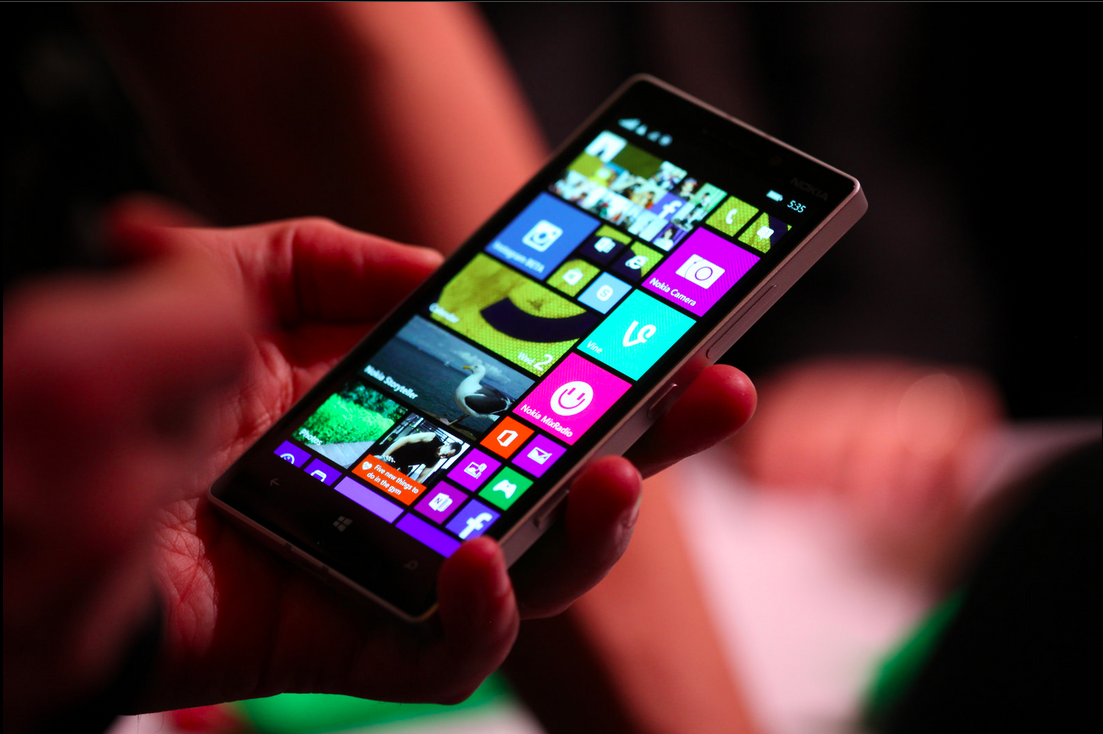
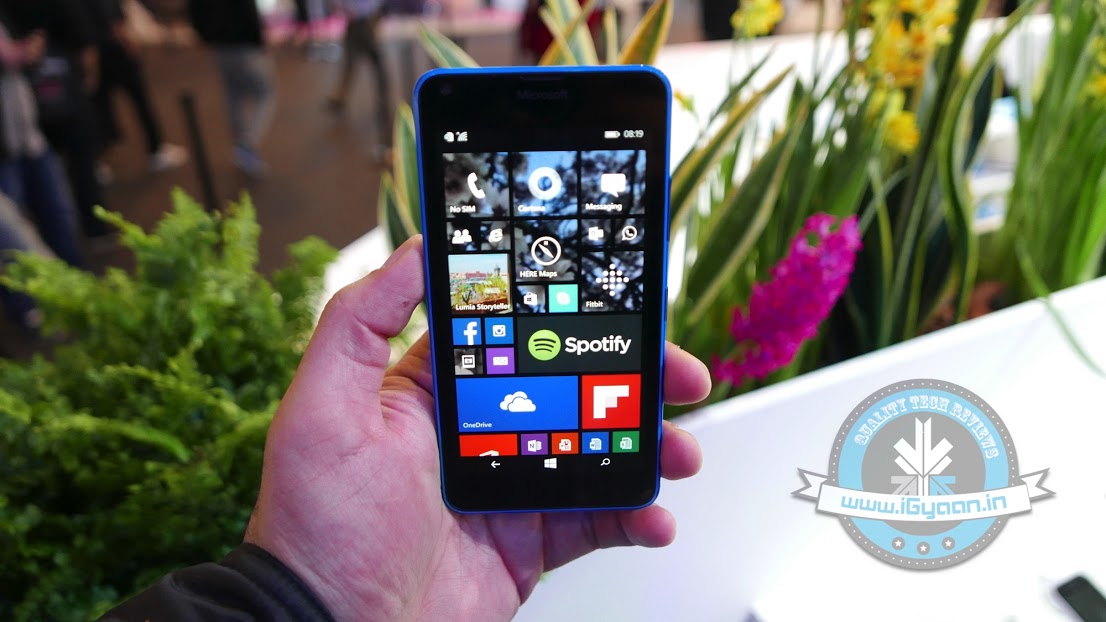
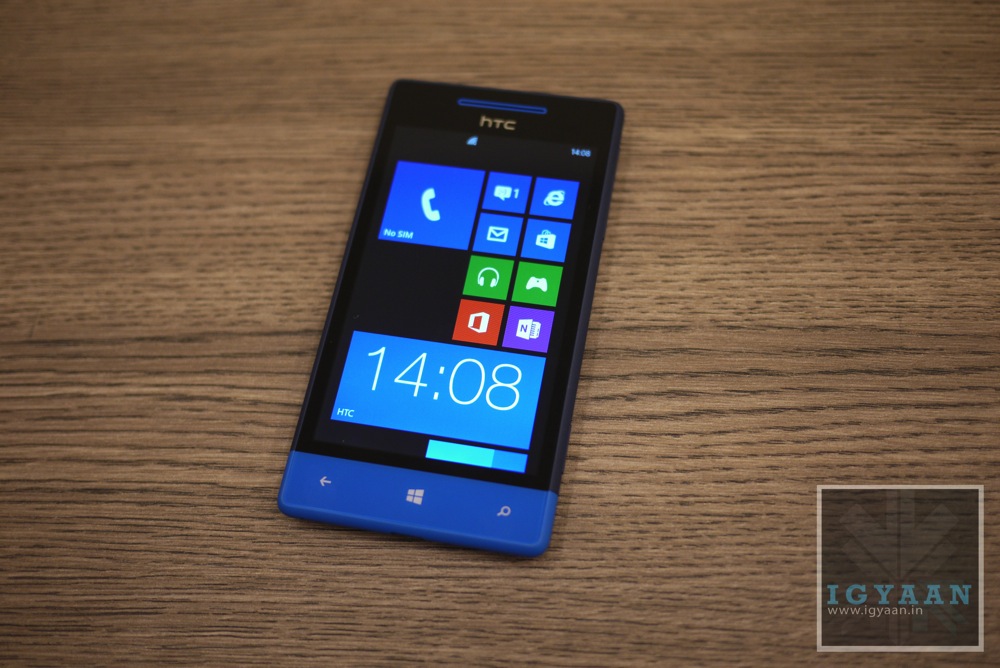
    Windows Phone first debuted in the early 2000s and ran on QWERTY based mobile phones. After the ever increasing hold of Android and iOS on the consumer market, Microsoft shifted its strategy and named it Windows Phone in 2010. With support for touchscreen devices and partnership with renowned smartphone OEMs like Nokia, HTC and Samsung; it was a refreshing take on Operating System for mobile phones. Alas, due to the poor app support and partners backing out of the project, the company officially shut down the Windows Phone two years ago. While the loyalists would still swear by its fluidity and colourful UI; the Windows Phone is still the closest any competitor ever arrived at beating Android and iOS.

    Symbian
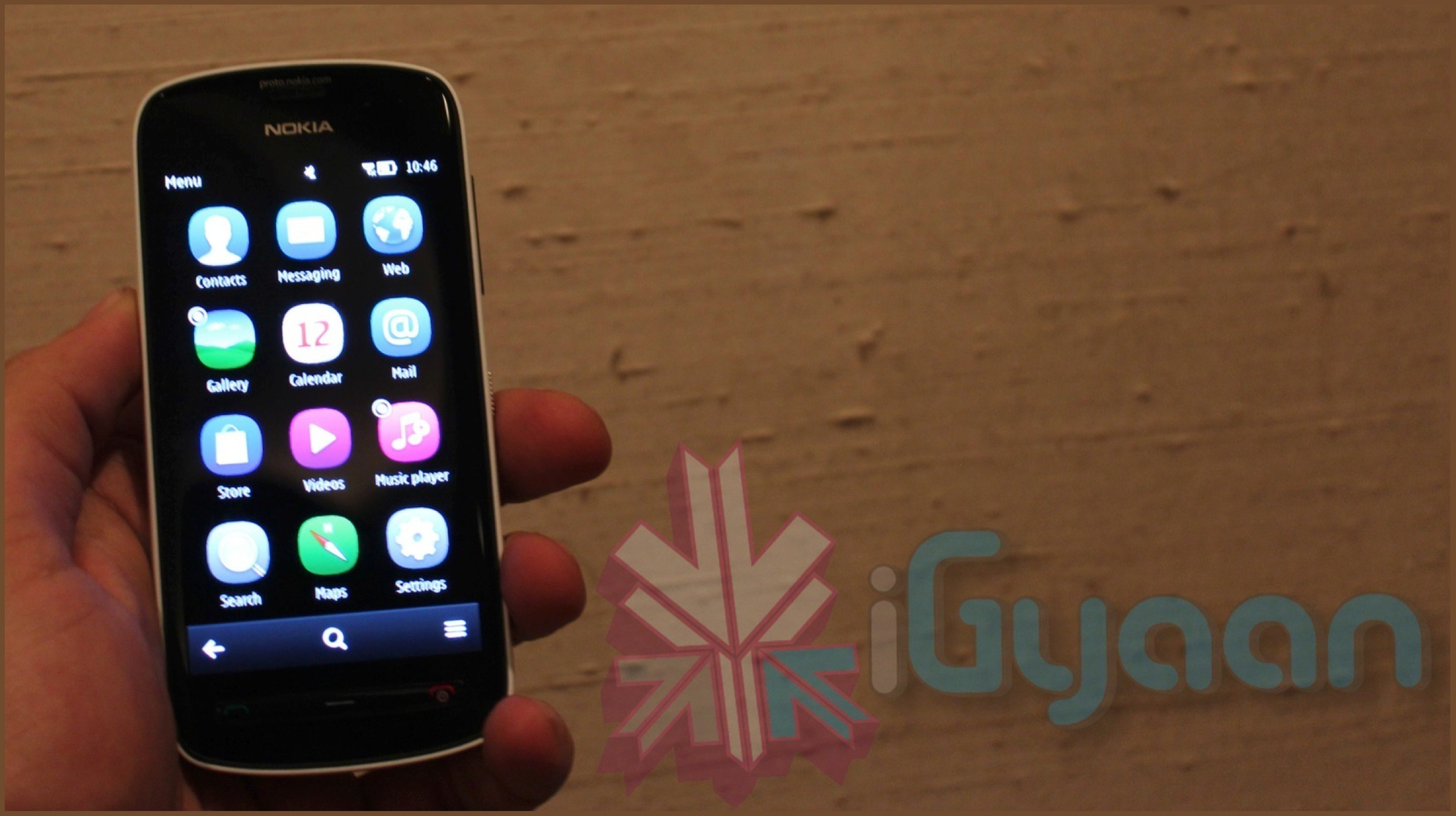
    Symbian OS was developed by Symbian Limited and was launched in the year 1998. While it was earlier designed for Personal Digital Assistants (PDAs), many major phone makers adopted the OS. The most prominent one of them was Nokia. The king of mobile phone OEM at the time also used a User Interface (UI) called S60. But, due to the ever increasing adoption of Android and iOS and Nokia’s foray into Windows Phone, Symbian also had to meet its ill-fated end. The legendary Nokia 808 PureView released in the year 2012 was the last phone to run SymbianOS from Nokia.

    Sailfish OS
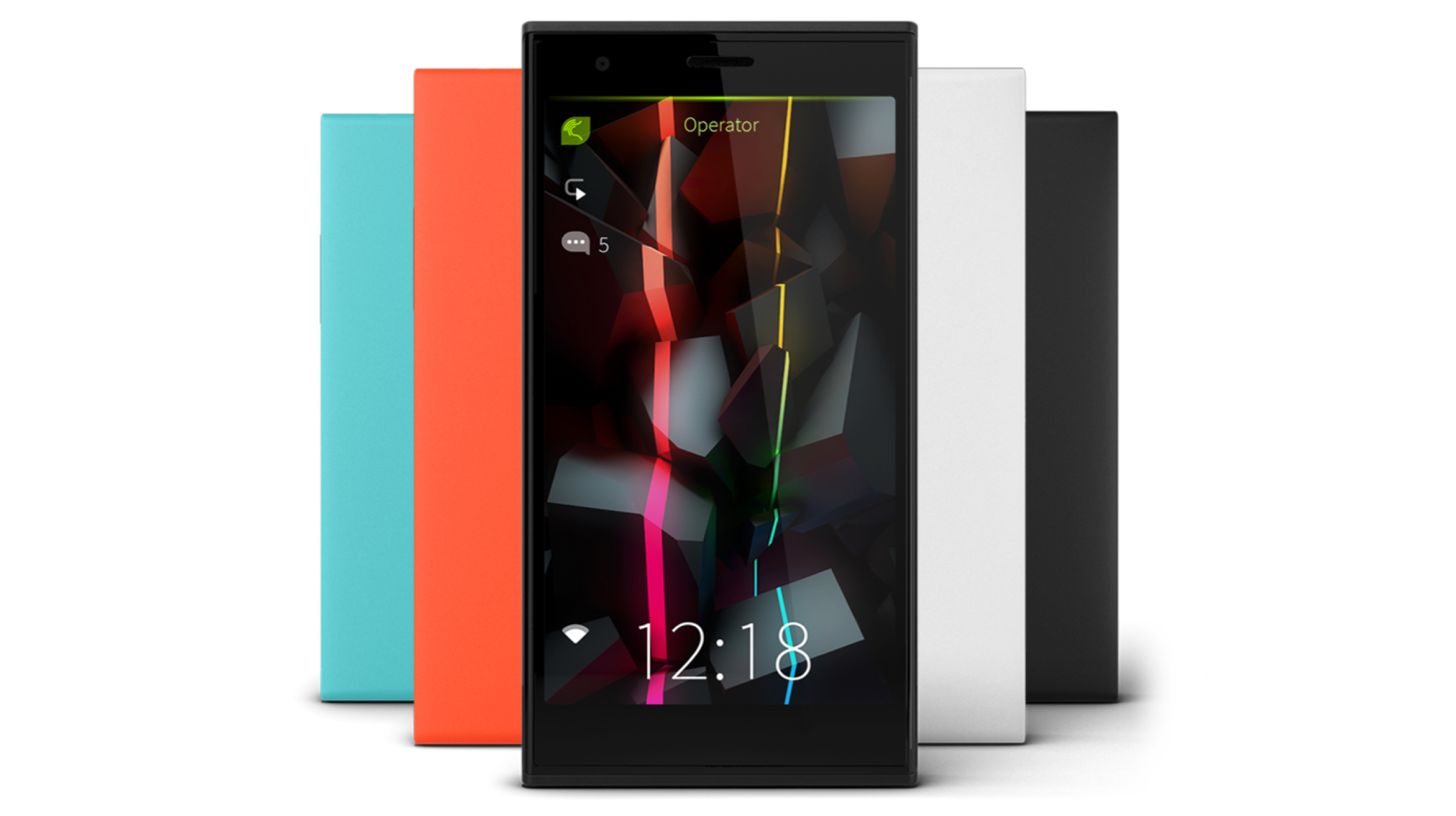
    Sailfish is developed by Jolla after the MeeGo interface by Nokia in its smartphone, the N9. While the latter was soon discontinued after its release, the former still receives consistent updates. Sailfish was designed to be a replacement for Android, promising better and safer software integration. To appeal to its investors, the company even had to release its own smartphone, called Jolla Phone. But, due to issues with various part suppliers, the company failed miserably and announced bankruptcy. However, software updates to the OS are still delivered quite regularly.

    BlackBerry OS
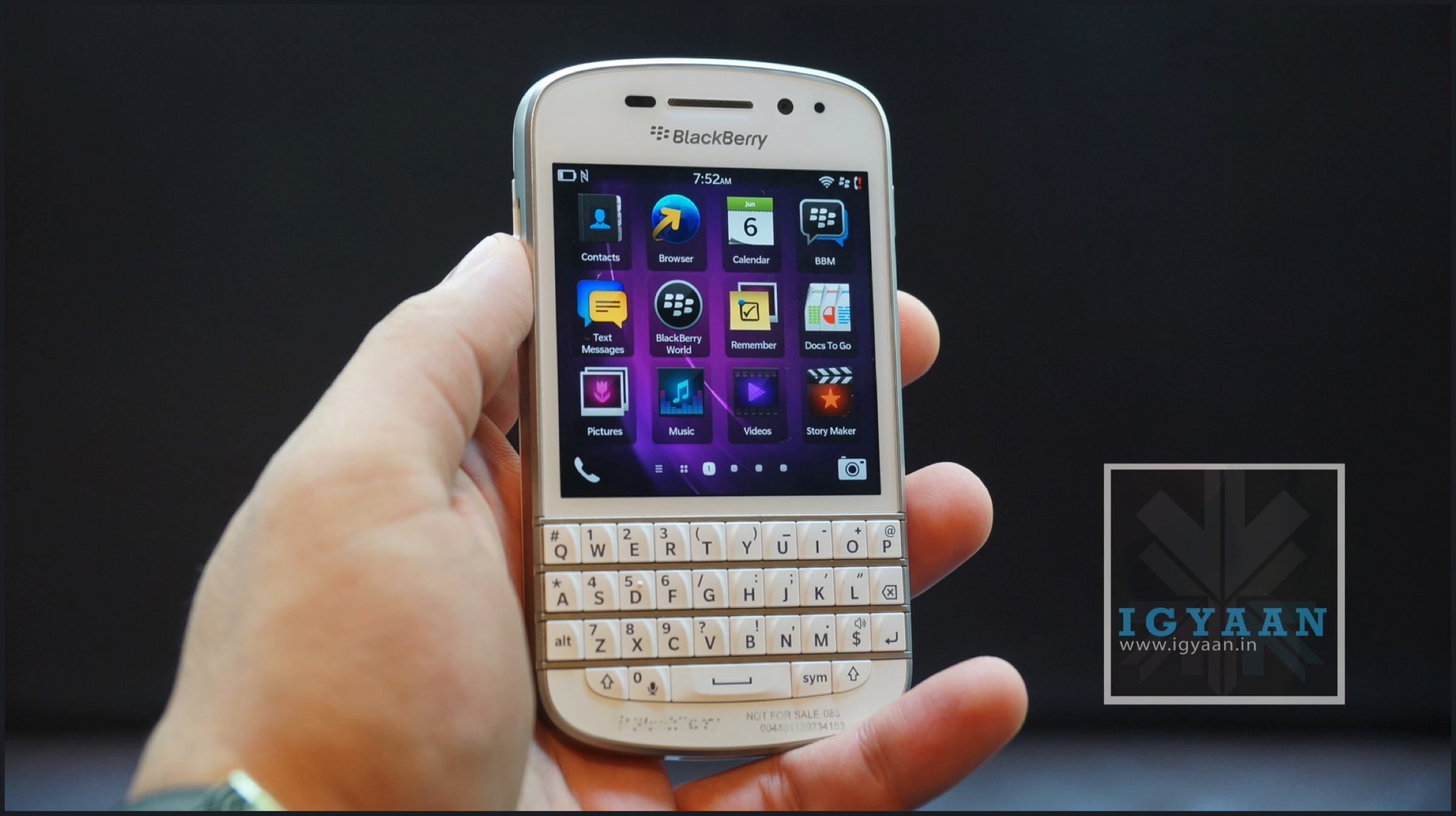
    Blackberry, the Canadian smartphone maker was once the most popular brand amongst businessmen and college goers. Remember when all the cool kids had access to BBM? This was due to the BlackBerry OS inside the devices. It was a secure operating system that was capable of supporting touch screen and QWERTY input. Although, like most entries in this list the BBOS also fell flat to its competition over the lack of apps and a dated UI design. While the company tried fixing it by allowing the installation of Android apps on the devices. But, BlackBerry eventually gave up and launched the Priv, a smartphone running Android OS in the year 2015. 

    FirefoxOS
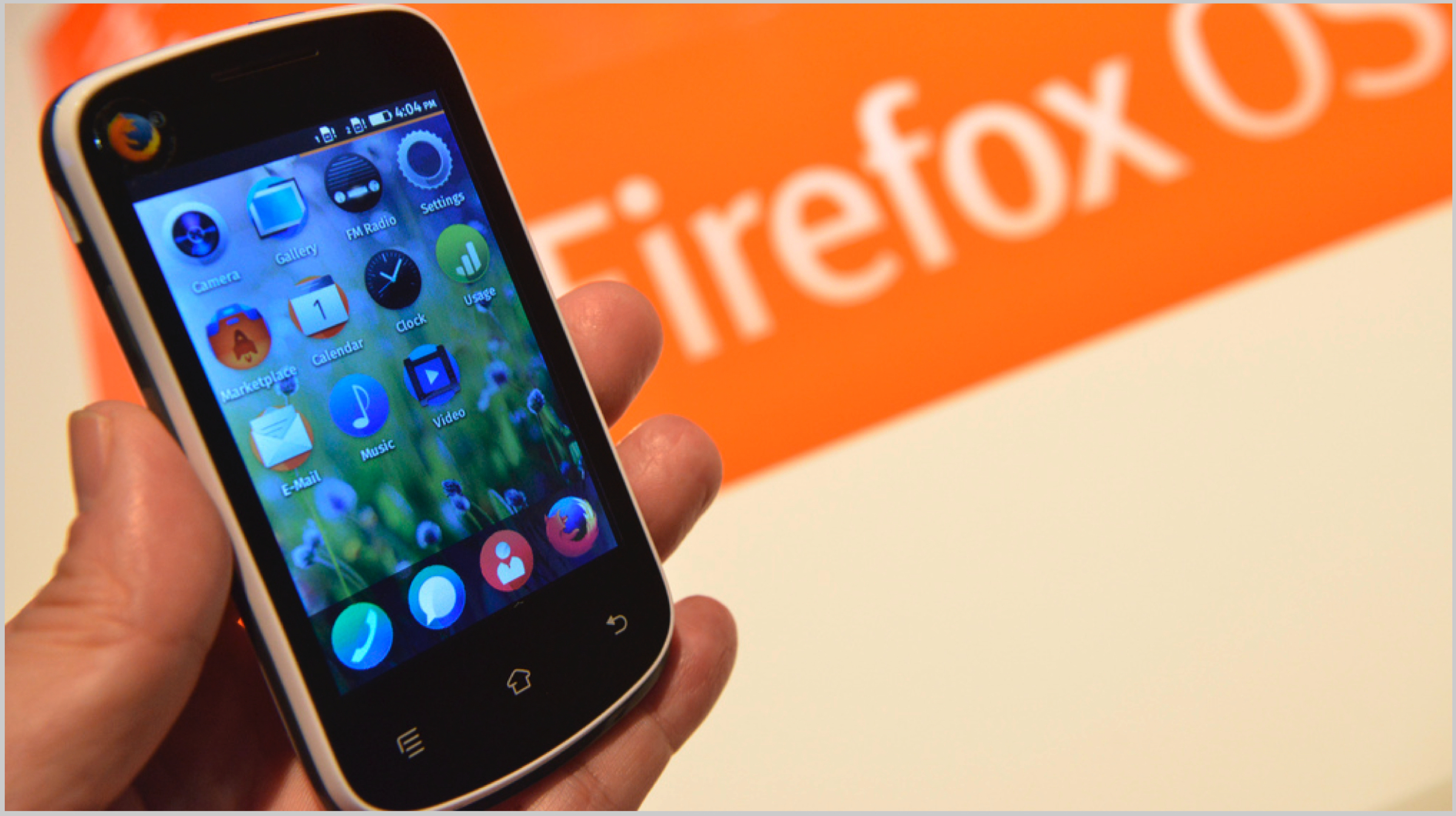
    One of the biggest names in web browsers, Mozilla’s foray into the mobile OS business is nothing to write home about. First shown in the year 2012, it was designed for entry-level smartphones. But again, due to a sluggish adoption and lack of app support made the company discontinue Firefox OS in the year 2016. While it didn’t have a good run, the OS is credited for the birth of KaiOS. It is the latest software to power feature phones to make them smarter.

    Tizen
    Also read: Huawei Working On Smartphone With 16MP Pop-Up Camera And 4,000 mAh Battery

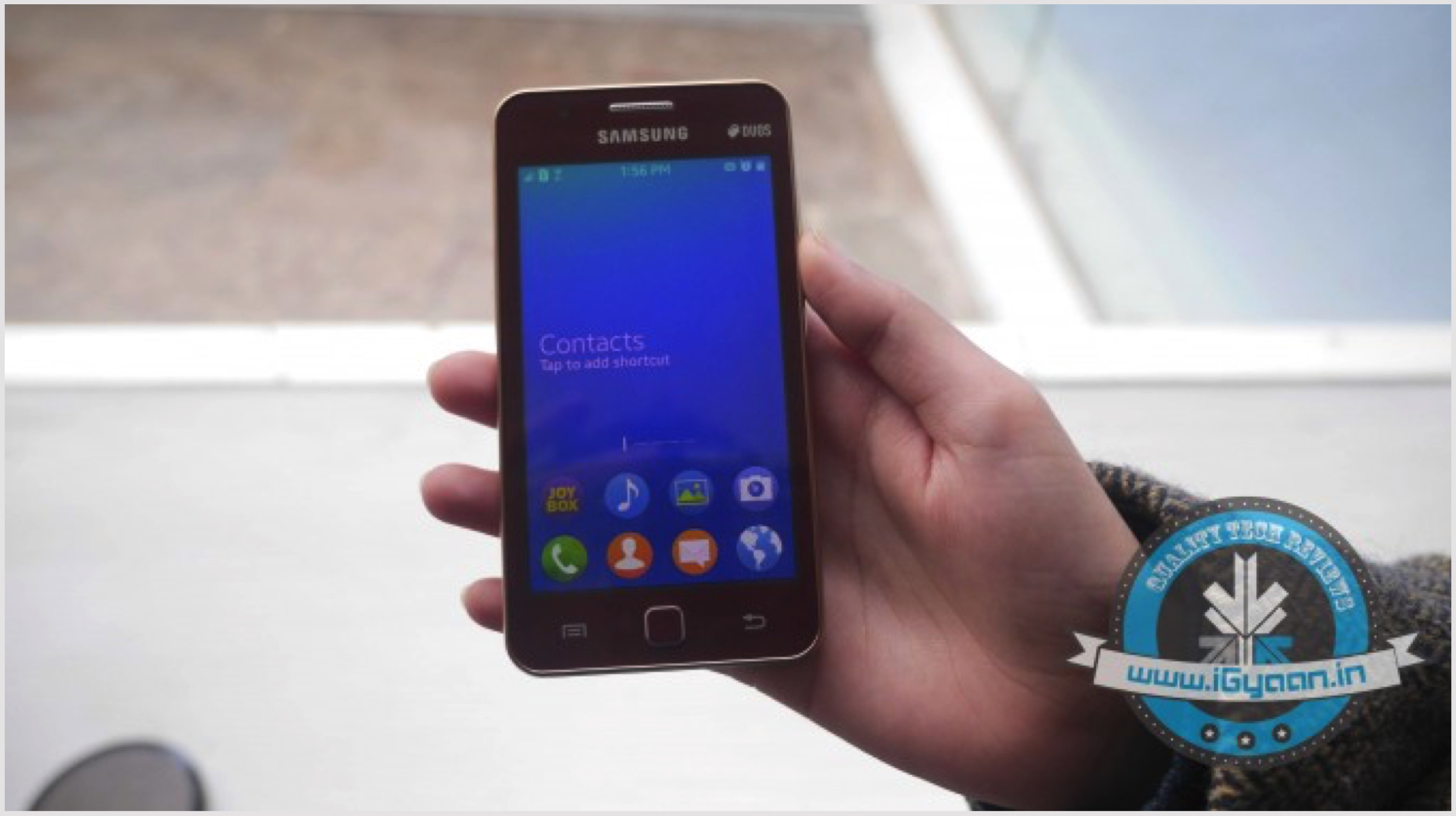
    Tizen is an open source Operating System mainly embraced by Samsung in its Z series. It was mainly intended to run on entry-level budget smartphones and as a replacement to Android. The Tizen OS promised a faster UI with future support for popular applications. All the promises fell flat, however as these premises were met with no results. Tizen was last seen in the Samsung Z4 in the year 2017. 
  • Windows Phone is Officially Dead

    Windows Phone is Officially Dead

    A minute of silence as Microsoft pulls the plug on Windows Phone 8.1, for those of you who have been paying attention, the inevitable has happened. Effective today, Microsoft is ceasing support for Windows Phone 8.1. Though phones running the platform will not be bricked, but the company will not be pushing any future updates for Windows Phone 8.1. The Windows Phone operating system was Microsoft’s biggest efforts in countering Android and iOS. However, as 99.6% of the smartphones run Android or iOS Microsoft failed to capture the market with Windows Phone and it never truly got off the ground.

    htc windows phone 8s hero

    While a few good phones were launched in the early days by HTC and then by Microsoft in partnership with Nokia aka the Lumia handsets, but they failed to gain popularity unlike their competitors. Though Microsoft continues to support Windows 10 Mobile, it’s unclear how long and to what extent that support will be available.

    Rumor has it that Microsoft has branched out its Windows Mobile development into a “feature2” division that will only maintain Windows 10 Mobile until  2018, while any support for Windows Phone 8.1 has been officially terminated. Over the past year , it has becoming quite clear that company is shifting back it’s focus from smartphones to PCs. Microsoft’s new mobile strategy now seems to involve creating apps and integrating iOS and Android with Windows.

  • New Reports Suggest Cyanogen Has More Users Than Windows Mobile

    New Reports Suggest Cyanogen Has More Users Than Windows Mobile

    Cyanogen – commonly known as, the modified version of Android, has managed to spread its sphere of influence above both Blackberry and Windows mobile users; suggests new reports.

    Just like custom ROM's like CyanogenMod, users can easily install and try out Windows 10 on their Android devices.

    Reports also suggest that while the Windows Mobile’s market share is at 2.7% and Blackberry’s at 0.3%; Cyanogen alone has worked up a feat of 3%. It is said that with Cyanogen getting huge funding and hiring new talent, their chart doesn’t seem to be coming down anytime soon.

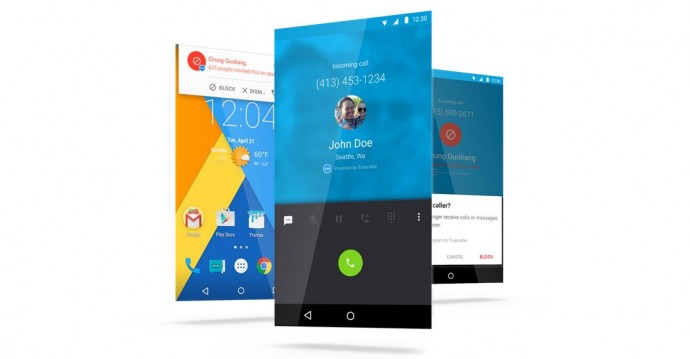
    cyanogen truecaller

    Their OnePlus deal having ended, they now look forward to partnering with bigger Chinese vendors. With their approximately 50 million users, it looks like Cyanogen is here to stay.

    Source: [tw-button size=”medium” background=”#07ABE2″ color=”” target=”_blank” link=”http://www.idc.com/prodserv/smartphone-os-market-share.jsp”]IDC[/tw-button]

  • Windows Phone Users Can Finally Make Calls Via WhatsApp

    Windows Phone Users Can Finally Make Calls Via WhatsApp

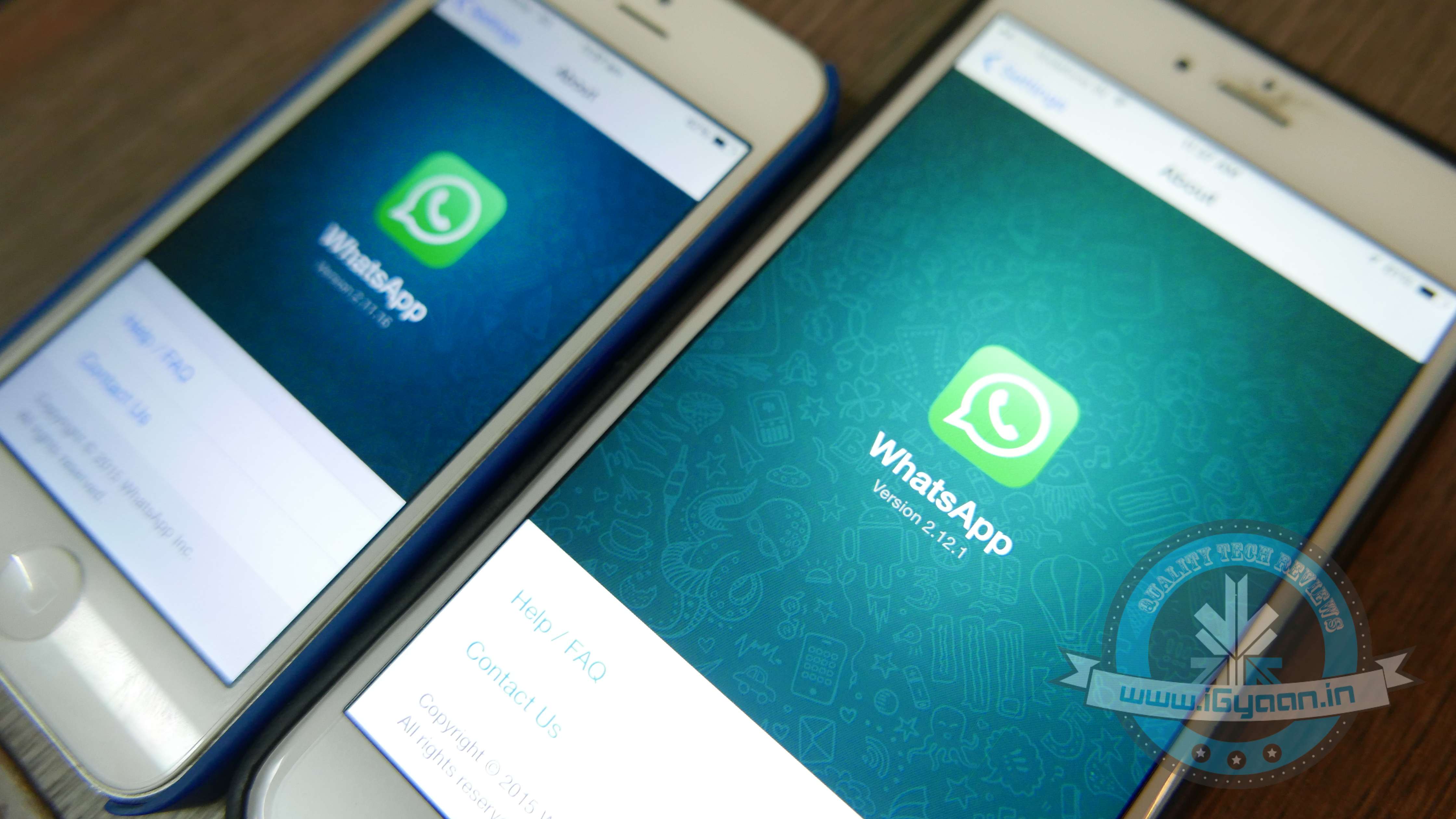
    Windows Phones users were left behind in the race to get WhatsApp’s most coveted feature. They were disappointed when WhatsApp introduced the voice-calling feature for Android and iOS users in April. Today, they can celebrate as the popular messaging app has enabled voice-calling for devices supporting Windows 8 and above.

    WhatsApp first introduced the voice-calling feature in March for Android users. In April, the feature was rolled out in an update for iOS users.

    WhatsApp 1

    Voice-calling will be made available in the version 2.12.60. The feature allows WhatsApp users to call each other for free using the Internet. Users have noticed that the interface is similar to the one used by Android for making regular calls. WhatsApp previously allowed users to make regular calls from the app itself, which has since been replaced by its own call-making feature.

    Although smartphone users were thrilled to be able to make VOIP calls through their favourite messaging app, they soon realised it wasn’t that big a deal. The feature is still not popular in India due to slow internet connectivity.

  • Why Windows is Giving Up its Best Card to Android and iOS

    Why Windows is Giving Up its Best Card to Android and iOS

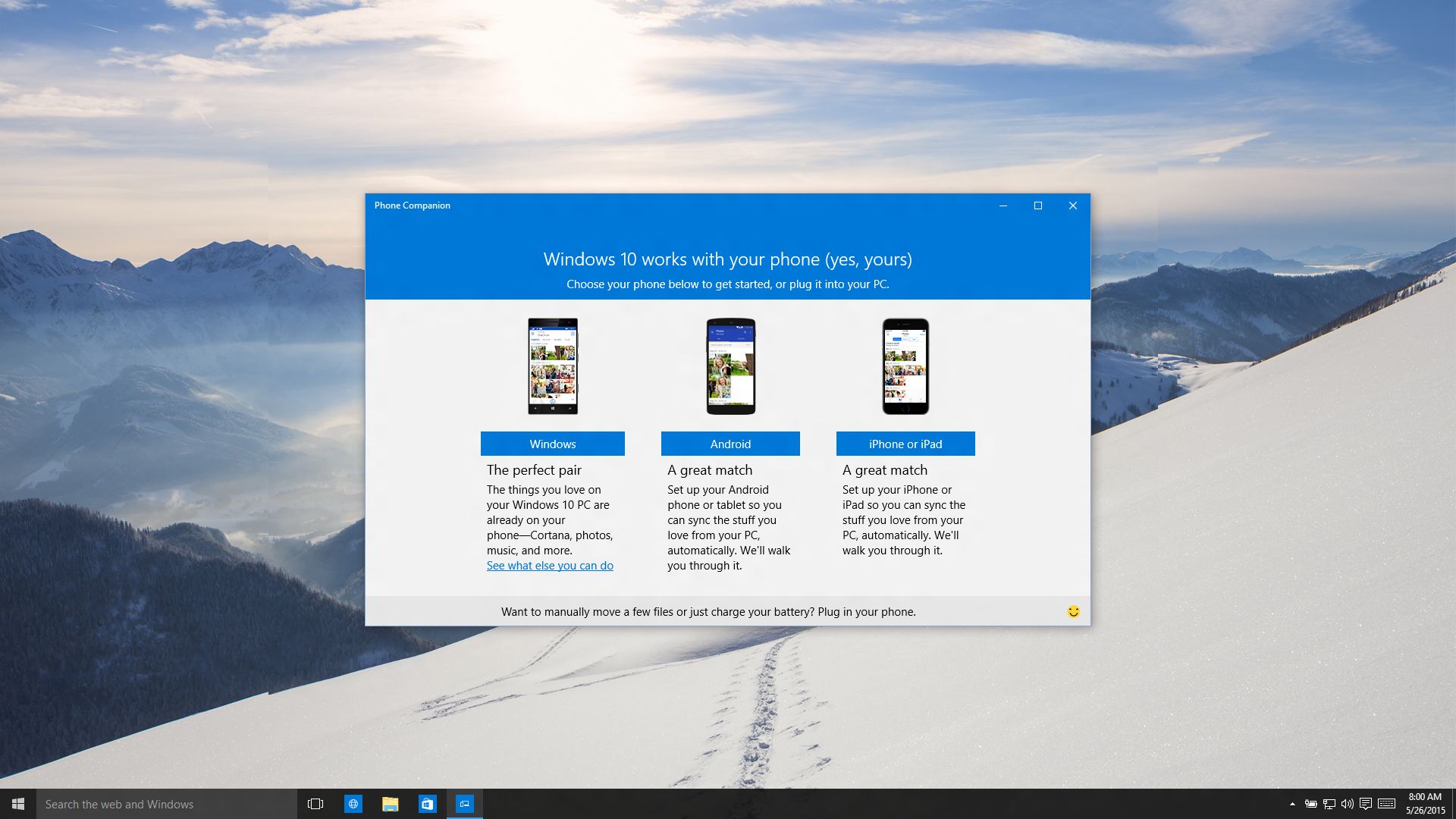
    Catching up with the ground-breaking innovations of Google and Apple, Microsoft updated its latest Windows OS with the delayed but functional voice assistant Cortana. Windows’ personal virtual companion was rightly named after the fictional character of Halo game series as it had similar personality traits like intelligence and wittiness. But recently, Microsoft made an announcement that dilutes the exclusive rights of Windows Phone users. The Redmond-based tech behemoth launched an app called ‘Phone Companion’ that will make Cortana and many other apps privileged to Windows Phone users across platforms. It means users will soon be able to download Cortana and Music apps on their Android and iOS smartphones.

    phone companion

    As soon as a user plugs in the iOS or Android device to a Windows 10 running machine with Phone Companion pre-installed, a slew of apps become available to the user for installation. The list includes Microsoft Office, OneDrive, Skype, OneNote, Outlook, Cortana and Music. Phone Companion will help set up your phone to work seamlessly with Windows 10. Although, the Cortana functionality would be limited on iOS and Android platforms, the most basic feature of questioning Cortana would be there for all operating systems. Along with that, users will receive flight notifications, alerts including geographical ones, pre-set reminders and much more. The apps will be available in late June on Android and later this year, on iOS.

    Cortana was one exceptional feature that caught hold of everybody’s attention. Even with the presence of Apple’s Siri and Google’s virtual assistant Google Now, tech critics were compelled to accolade Cortana for its humorous responses, exceptional performance and being an all time companion. With Cortana invading the two major operating systems, it is likely to corner Siri and Google Now to a certain extent. The content on the devices will be more synchronized with the aforementioned set of apps. Photos, files and songs saved on your handset, will automatically transfer to your PC for easy accessibility.

    Here’s the video demonstrating how the Phone Companion app will work:

    https://youtu.be/lXREpLEwgOY

    According to Microsoft, the company “set up with the goal to make Windows 10 for everyone” and this led to the release of the Phone Companion app. But does this move really favour Microsoft? The firm is dropping its unconventional invention in the wide ecosystem of Android and iOS, which it could have cashed in on. The exclusivity of Cortana on a Windows Phone could have given a push to the company in the smartphone segment, which Microsoft is in dire need of. The recent move can further plunge the demand of Windows Phones in the market as users now have the option to activate voice assistance on their handsets.

    If you examine Microsoft’s current trend with respect to its apps and softwares, you’ll see that Microsoft is making its distinctive tools, omnipresent. It started with Microsoft Office, earlier exclusively available to Windows Phone users, and Skype and many other apps soon added to the universal apps listing. It’s a plus for Windows’ antagonists, Android and iOS, but it is uncertain if this move turns out to be profitable for Microsoft. The tech firm could have easily tapped on Cortana and Continuum features to convert them into increased market shares. Seems like Microsoft is opting for a different approach to make a higher podium for itself in the flooded smartphone market. But if the strategy fails to work, Microsoft’s smartphone division may soon face a similar situation to Nokia.

  • Microsoft Launches Office Preview Apps for Android Phones

    Microsoft Launches Office Preview Apps for Android Phones

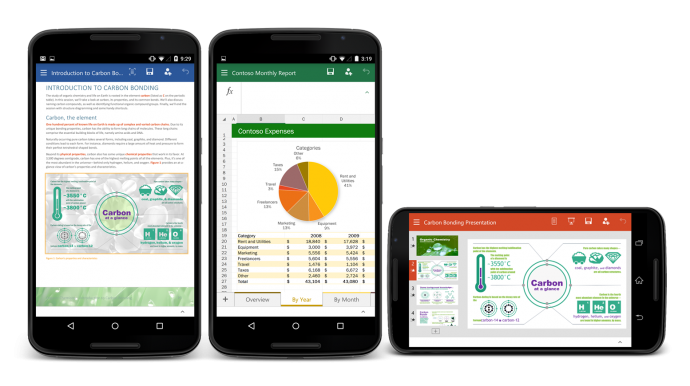
    Android phones were the only devices that were left for Office apps. Following the roll out of Office preview apps for iPhone, Windows Phone and Android tablets, Microsoft has today launched Word, Excel and Powerpoint apps for Android devices. This release will only see the beta, or preview version available. Microsoft said in its statement:

    The Office for Android phone apps are modern, optimised for touch and designed to work on the go.

    Users will be able to create, open, save files from their Android devices and access them through services like OneDrive, SharePoint, Dropbox and Google Drive. Collaboration within a group project will become easier as Office for Android allows users to track changes, comment and markup documents. These apps are optimised for touch and smaller screens, with the Menu button at the bottom of the screen instead of the top for user-friendly thumb use.

    To download the apps, users will have to join the Office for Android community on Google+. Once users have joined, they will receive links for downloading each app separately, for Word, Excel and Powerpoint. But be warned, users will not be able to access these links unless they are approved. Microsoft also recommends a device with at least 1GB of RAM and Android 4.4 or later versions.

  • Microsoft Brings the Lumia 540 to India, Priced at Rs. 10,199

    Microsoft Brings the Lumia 540 to India, Priced at Rs. 10,199

    Microsoft is steadily pushing itself in the affordable section of the Indian smartphone market. After announcing the Lumia 540 in April, the company launched the smartphone in India today with a price tag of Rs. 10,199.

    Throwing some light on the specifications of the device – the Lumia 540 Dual SIM sports a 5-inch display with a resolution of 1280×720 pixels and a pixel density of 294ppi. It is powered by a 1.2GHz quad-core Qualcomm Snapdragon 200 processor, coupled with 1 GB RAM. It has 8 GB of internal storage and can be expanded up to a heavy 128 GB. The camera optics include an 8MP rear camera with a LED flash and a 5MP front camera. Its pre-bookings begin today and will be available in black, white and cyan colors.

    The Microsoft Lumia 540 joins a long list of budget smartphones already playing the Indian field. The new entrant may not have what it takes to survive. A couple of days back, Micromax’s subsidiary Yu announced its affordable “flagship,” the Yuphoria. It offers similar specs, but is priced at a mere Rs. 6,999. Clearly, the Lumia 540 will face stiff competition.

    Here’s a quick look at the phone’s specs:

    Specification Microsoft Lumia 540
    Display 5-inch
    Resolution 1280×720 resolution, 294 ppi IPS display
    Processor 1.2GHz quad-core Qualcomm Snapdragon 200 processor
    RAM 1GB
    Internal Memory 8GB
    Expandable Up to 128GB
    Primary Camera 8MP with autofocus and LED flash
    Front Camera 5MP
    Battery 2,200mAh
    Operating System Windows Phone 8.1 with Lumia Denim
    Price Rs. 10,199
  • Microsoft Outs the Budget-Friendly Lumia 430 in India

    Microsoft Outs the Budget-Friendly Lumia 430 in India

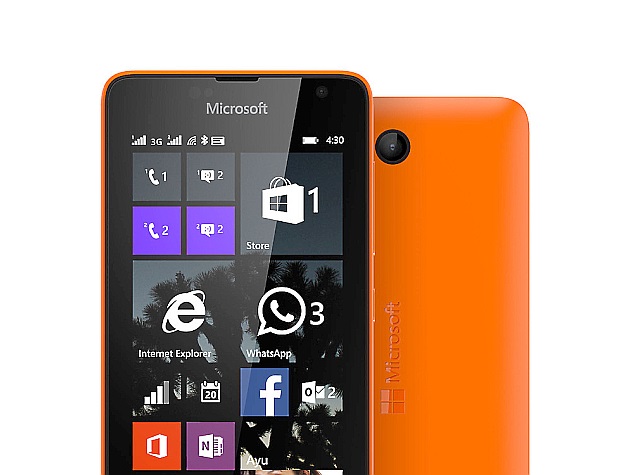
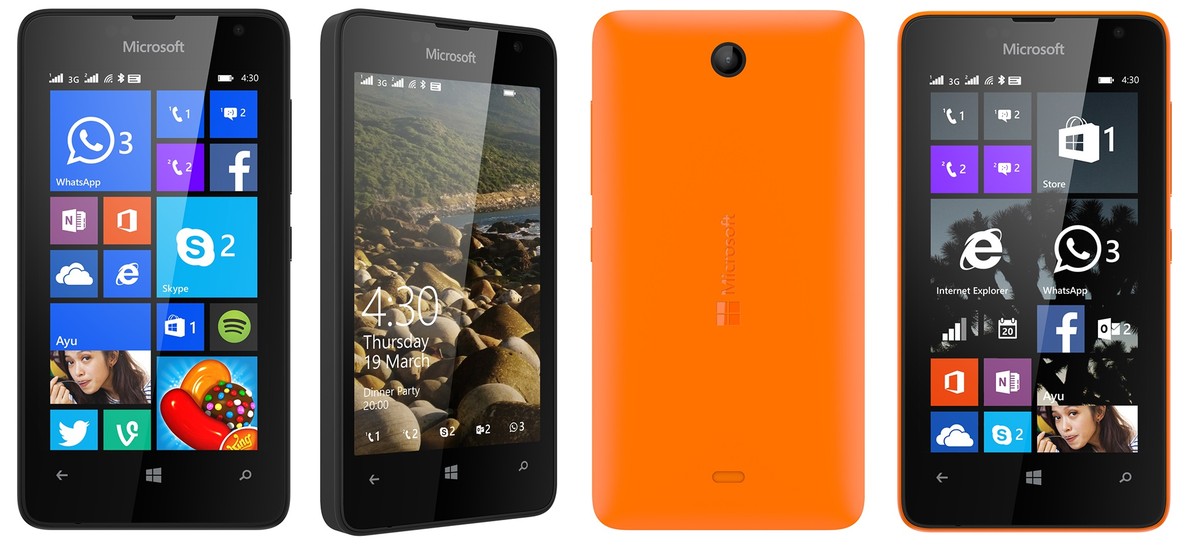
    Keeping its promise, Microsoft today launched its cheapest Lumia handset, Lumia 430 in India. The phone was unveiled back in March at a price tag of $70. The Dual-SIM device is up for grabs in the country starting today at a considerably low price of Rs. 5,299.

    The Redmond-based has secured a space for itself in the budget segment with the release of Lumia 430. It has an edge over entry-level Android devices with an option to Windows 10 upgrade; when it releases later this year. The device comes pre-installed with apps like Microsoft Office suite (Word, Excel, PowerPoint, and OneNote), Outlook, Skype and OneDrive.

    Lumia-430

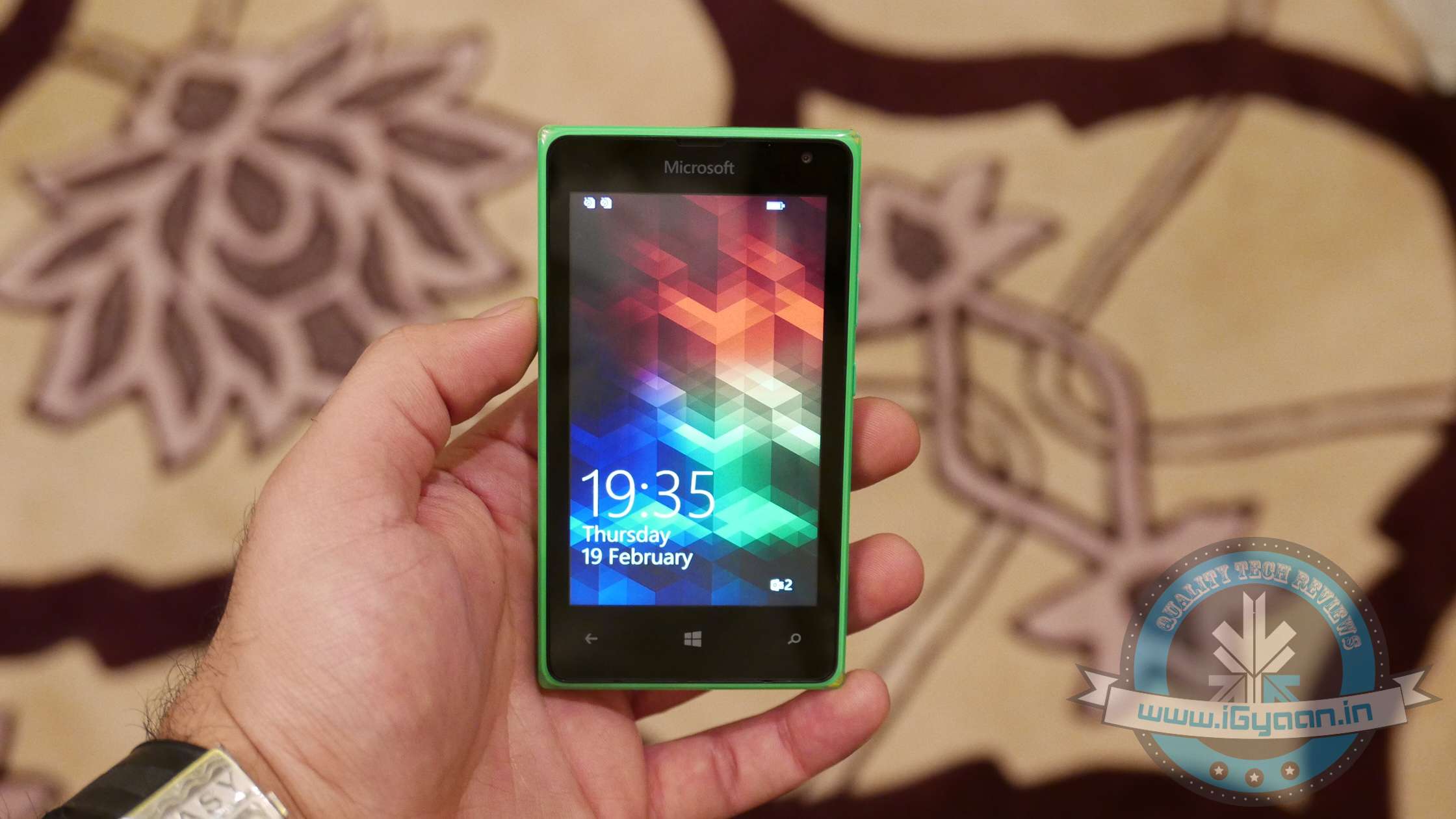
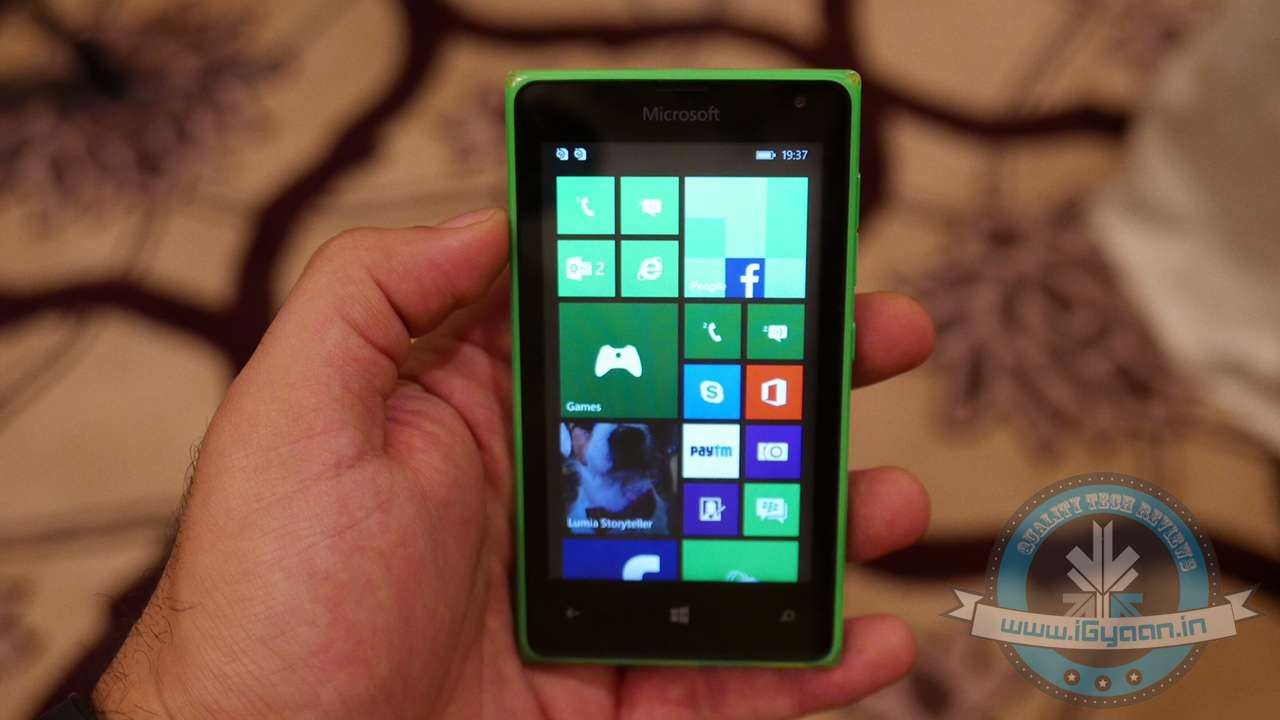
    Coming on the specifications, then the Lumia 430 sports a 4-inch WVGA (800×480 pixels) LCD display with 235ppi pixel density. A 1.2GHz dual-core Qualcomm Snapdragon 200 processor provides power to the device together with 1GB RAM. The internal storage space is 8GB, but users can expand it up to 128GB via MicroSD card. For now, the Lumia 430 runs on Windows Phone 8.1 with Lumia Denim update, but soon users can access the benefits of Windows 10 on the device.

    On the photography front, a 2MP camera is fitted at its back, while the front is a VGA snapper. A 1500mAh battery fuels the phone, which the company claims can stand 8.4 hours of talktime. Connectivity options include dual-SIM card slots, 3G support, Wi-Fi, and Bluetooth.

    The company has announced some exciting offers to entice customers like Rs. 3,000 cashback on transaction via MobiKwik app. Other deals include Rs. 1,500 discount on ticket booking via Redbus app, and 500MB free data per month for two months.

    Have a look at its spec sheet below:

    Specifications

    Microsoft Lumia 430

    Display 4-inch (800×480 pixels) LCD
    Processor 1.2GHz dual-core Qualcomm Snapdragon 200
    RAM 1GB
    Storage 8GB, expandable up to 128GB
    Operating System Windows Phone 8.1, upgradable to Windows 10
    Camera 2MP rear, front VGA
    Battery 1500mAh
    Price Rs. 5,299
  • Microsoft Brings the Lumia 640 and 640 XL to India

    Microsoft Brings the Lumia 640 and 640 XL to India

    Microsoft has been proactively working to expand its smartphone product portfolio in the Indian market. The company has launched two new devices in the country, the Lumia 640 and 640 XL.

    Lumia 640 sports a 5.0 inch, 720 x 1280 pixel display with a pixel density of 294 ppi. It is powered by a Quad-core 1.2 Ghz, Snapdragon 400 processor along with 1 GB RAM. It offers 8 GB RAM that is expandable up to 128 GB. It runs Windows Phone 8.1 with Lumia Denim and will be updated to Windows 10 when the new OS is launched. The phone is juiced up by a 2500 mAh battery. It offers an 8 MP main camera and a 1 MP selfie shooter on the front.

    The Lumia 640 XL, as the name suggests is the bigger of the two siblings. It sports a 5.7 inch, 720 x 1280 pixel display with a density of 259 PPI and is protected with Corning Gorilla Glass 3. Just like its smaller sibling, it is powered by a Quad-core 1.2 Ghz, Snapdragon 400 processor along with 1 GB RAM. The 640 XL flaunts a 13 MP camera on the back and offers a 5 MP camera on the front for your selfie considerations. The device incorporates a 3000 mAh battery to take care of its XL needs.

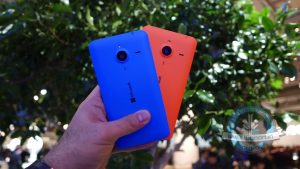
    The two devices look better than the recent launches from the company that were targeted at the lower end of the market. These devices will be strengthen the affordable segment of Windows Phone offerings. The Lumia 640 is priced at Rs. 11,999 and the Lumia 640 XL is priced at Rs. 15,799. Microsoft is offering a one-year free subscription to Microsoft Office 365 and 1 TB of OneDrive storage with both the devices. While the Lumia 640 will be available exclusively on Flipkart, the 640 XL will be available for purchase everywhere.

    Specifications

    Lumia 640

    Lumia 640 XL

    Display 5.0 inch,
    720 x 1280 HD
    294 PPI.
    5.7 inch,
    720 x 1280 HD
    259 PPI.
    Processor 1.2 Ghz, Quad-core
    Snapdragon 400
    1.2 Ghz, Quad-core
    Snapdragon 400
    RAM 1 GB 1 GB
    Internal Memory 8 GB 8 GB
    Expandable Memory 128 GB 128 GB
    Main Camera 8 MP 13 MP
    Front Camera 1 MP 5 MP
    Battery  2500 mAh 3000 mAh
    Operating System Windows Phone 8.1 with Lumia Denim Windows Phone 8.1 with Lumia Denim
  • Microsoft to Introduce Mobile-Based Payment System to Take on Samsung and Apple

    Microsoft to Introduce Mobile-Based Payment System to Take on Samsung and Apple

    Smartphones have become an even essential part of our lives. With the addition of payment systems, smartphones will soon take over the role of your wallet. While Samsung and Apple have already introduced their payment systems, other manufacturers are joining in. Microsoft, the makers of Windows Phone devices, have also announced that they will be unveiling their payment system soon.

    Microsoft had showcased a tap to pay feature on its devices at a conference for Windows hardware makers in China. It was said then that this feature would not require support from the network operators. Just like Samsung and Apple Pay, this feature will also be based on NFC.

    Microsoft’s plans were brought to light by Faisal Khan, a banking consultant. He found that Microsoft has already got permission from the American state of Idaho and has applied for licenses in all the states of the country.

    Mobile payment was available on Windows phone through the Softcard app but the service closed down when Google bought Softcard. Bill Gates had predicted, after the launch of Apple Pay, the technology will soon be available on all smartphones. Considering the speed at which things are moving, it might be easy to visualize such a future.

  • WhatsApp To Bring Voice Calling To Windows Phone

    WhatsApp To Bring Voice Calling To Windows Phone

    Android users of WhatsApp are elated to find the voice calling feature of the messaging app has finally come to their devices. At its recent developers conference, it was announced that the voice calling feature might be available for the iOS ecosystem soon. This lead many Windows Phone users to ask whether they’ll be getting the feature soon. Well looks like the Facebook owned messaging giant now has good news for its Windows users.

    WhatsApp has confirmed that the voice calling feature is in its developmental stage. This was revealed when one Windows user inquired about the arrival of the feature on their devices.

    There is no timeframe mentioned as of yet for the arrival of the voice calling feature on Windows phones. WhatsApp’s founder had stated during the developers conference that voice calling would be available on its iOS app in a few weeks. So as of now it isn’t sure which of the two will get the feature first, but considering the massive user base of Apple, our bet is on iOS devices.

  • Microsoft Lumia 532 | Hands On

    Microsoft Lumia 532 | Hands On

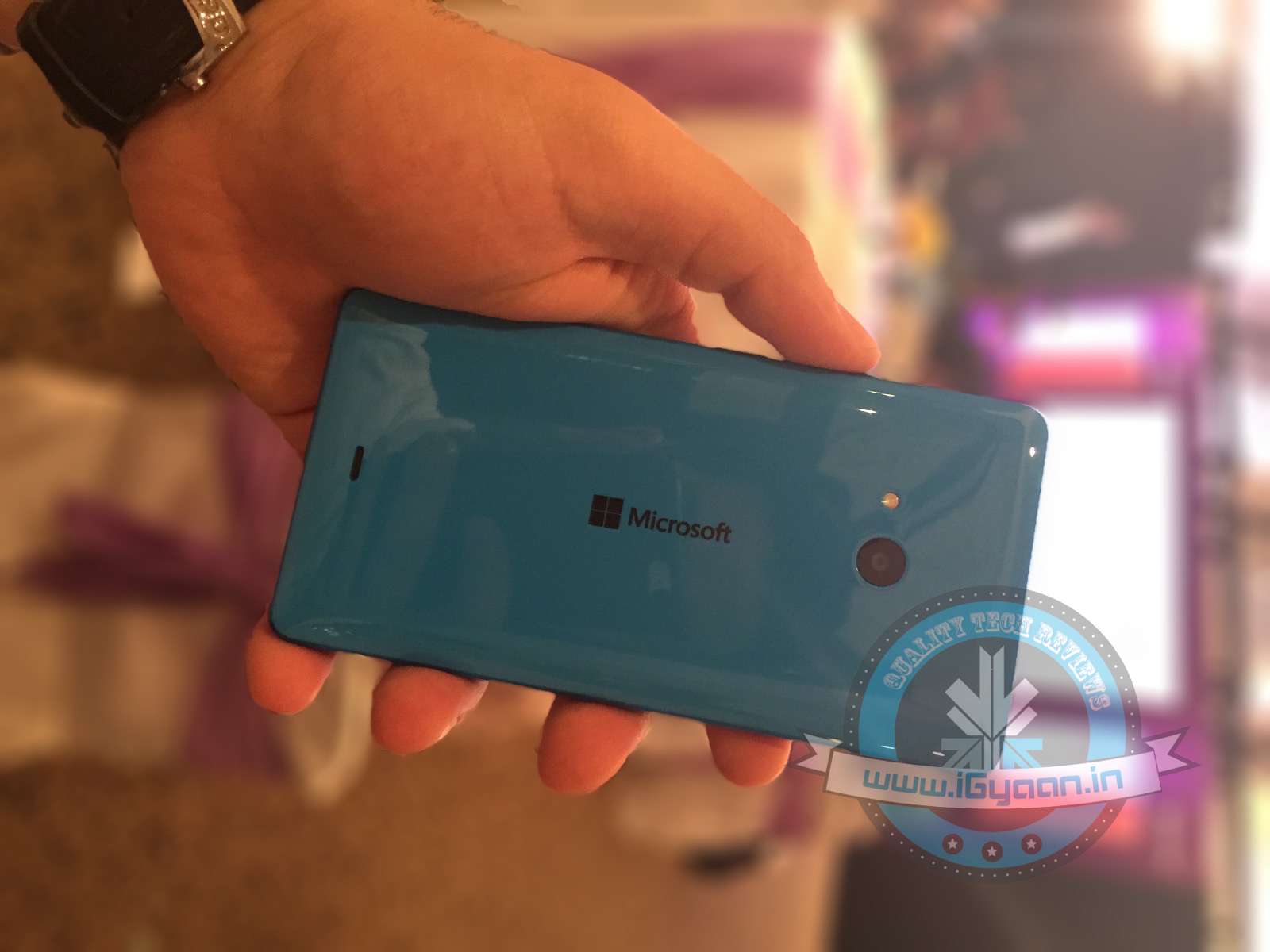
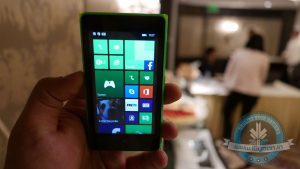
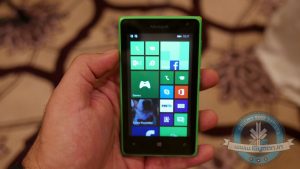
    Microsoft yesterday launched the Lumia 532 in India targeted at the affordable segment of the market. The phone runs on Windows Phone 8.1 OS and will be getting the Windows 10 update. Microsoft launched the devices with multiple offers like data connection and premium access to Truecaller for six months. But what has it really got to offer for its price tag of Rs.6,499, let’s have a look.

    The Lumia 532 comes from the Nokia inventory of devices that now feature a Microsoft logo. The phone is fairly fast and responsive. It features a 1 GB RAM and a 1.2 GHz Snapdragon 200 processor. You get a 5 MP shooter at the back and a VGA camera on the front that lets you make Skype calls from the device. This dual-sim, 3G device gets its power from a 1560 mAh battery.

    Microsoft Lumia 0

    Microsoft has said that the device will always get the latest operating system(OS) updates and will be getting the Denim update soon. Microsoft’s next major OS update is Windows 10, and the Lumia 532 will be getting it too.

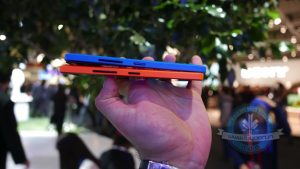
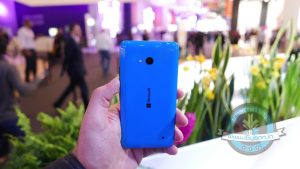
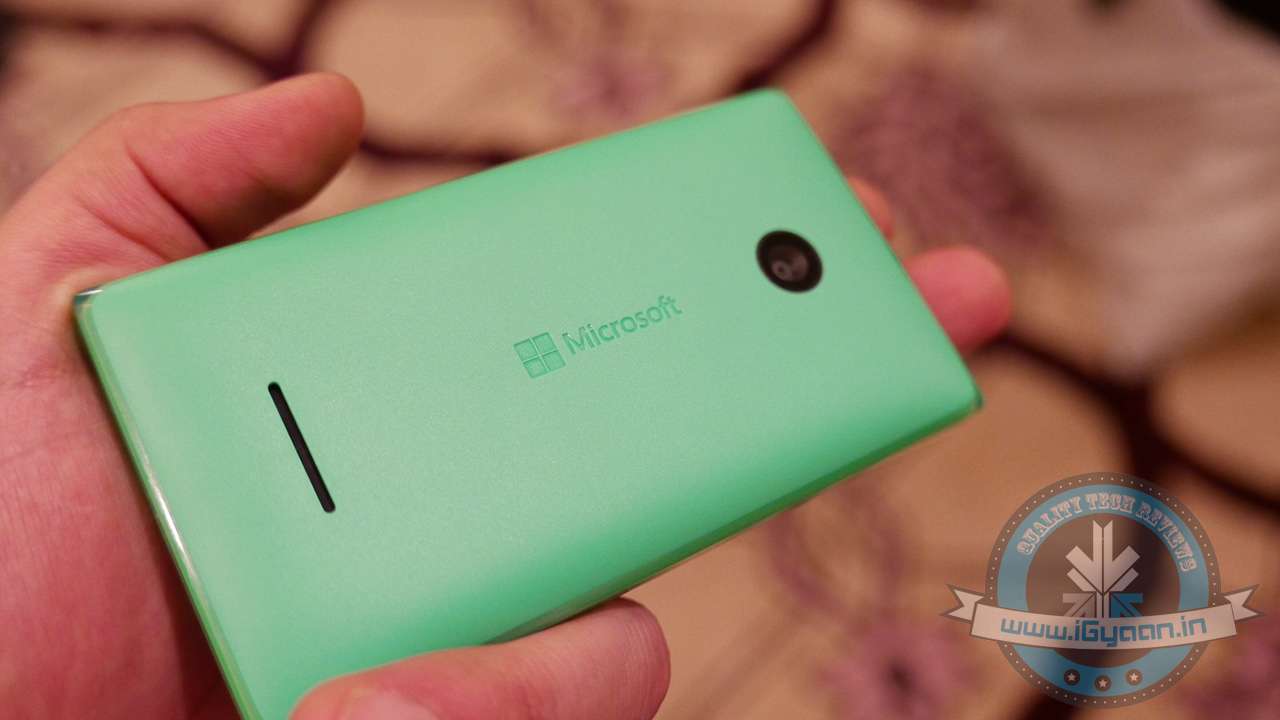
    Coming to build quality, the device does impress you with its exteriors. It carries on the legacy of the Nokia’s strong build, for which it is still appreciated (*Nokia 3310 memes). It has a robust, matte finish, polycarbonate back panel along with a strengthened front glass. The sides of the device have been given a glossy finish which is unique offering from Microsoft. It might be a bit tough to get the back panel out initially, but it will get easier once you understand the technique to open it.

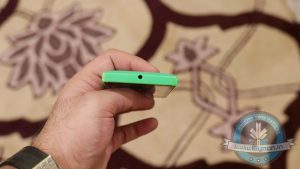
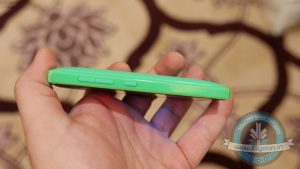
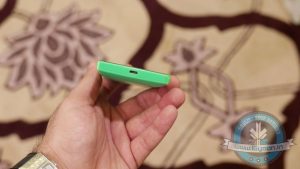
    The physical controls and ports are easy to access too. On the right side, you have the volume rockers and the power buttons. On the bottom, you get the microUSB port for charging and data syncing. On the top is a 3.5 mm jack for hands-free. The phone lets you expand storage to up to 128 GB which will be appreciated by multimedia hoarders.

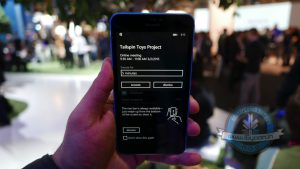
    Windows phones are known to be fast and responsive, and so is this device. The UI is really responsive, and the 1 GB helps you to get your tasks done with ease. You can customize the size of your live tiles just by holding them out and then selecting what size you want. You can also move the tiles as you desire. The device lets you change the basic color of the device, and you can get a back panel with the same color too. So this will be loved by the young folks. There is also a new predictive keyboard that will make it a lot easier to type messages.

    So the device overall offers some good features for its price tag of Rs. 6,499. The device will always be updated and has a lot of colors and customization features that will impress the youth market. We will bring out a full review out soon and if you have any questions and queries regarding the device then post it in the comment section below and we’ll try to address them in our review. Keep checking iGyaan for more.


    SPECS

    Microsoft Lumia 532

    Operating System Windows Phone 8.1
    Screen Size 4 inch
    480 x 800 pixels
    RAM 1 GB
    Battery 1560 mAh
    Processor  Snapdragon 200
    CPU Quad-core 1.2 GHz
    Internal Storage 8 GB
    Expandable Up to 128 GB
    Front camera  VGA
    Rear Camera 5 MP
    Price Rs. 6,499
  • Microsoft Patents New Tech Which Senses When You Don’t Want to Be Disturbed

    Microsoft Patents New Tech Which Senses When You Don’t Want to Be Disturbed

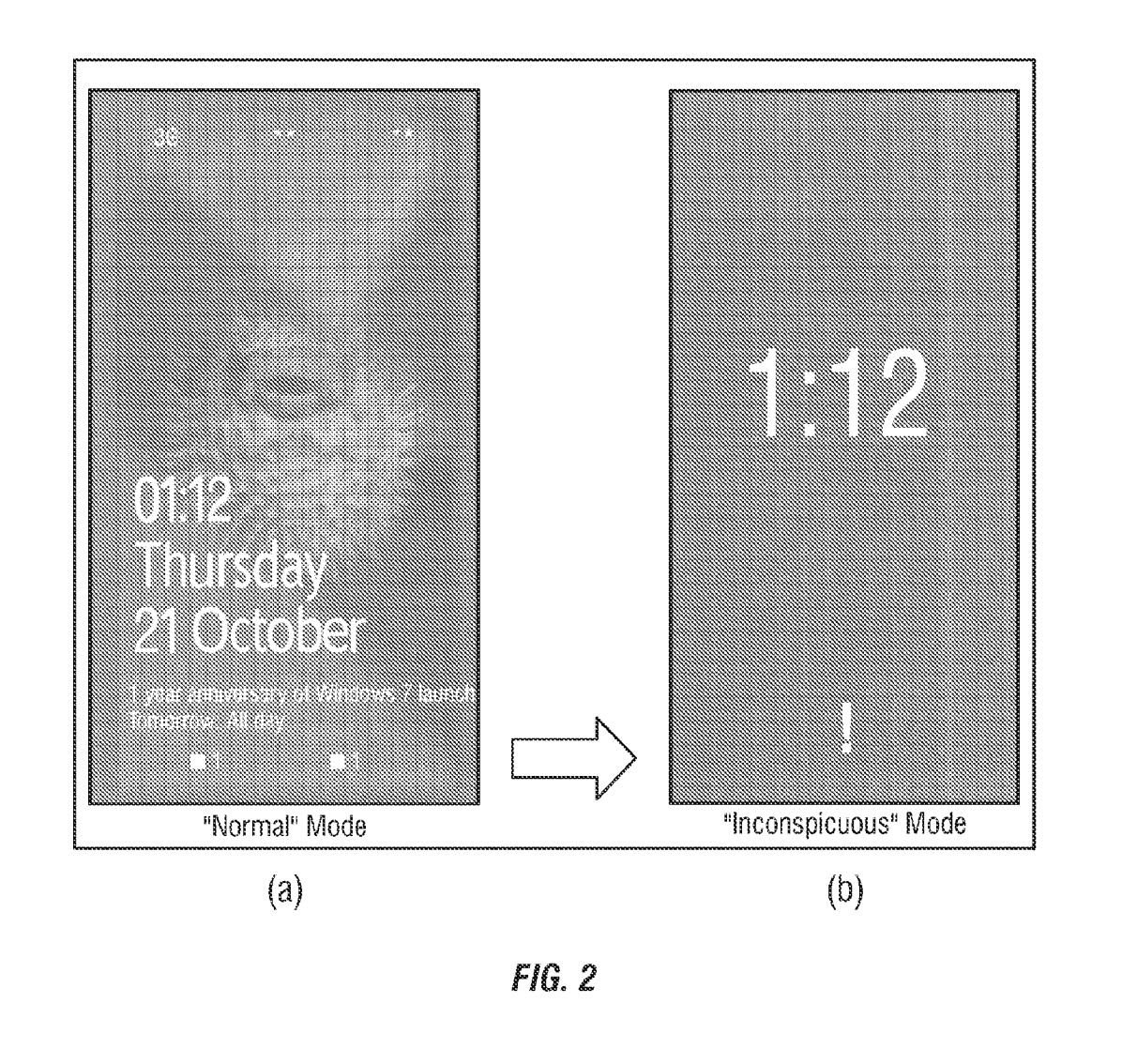
    A smartphone’s loud ring is highly distracting when you’re in the middle of something important. In spite of the available do-not-disturb mode, there’s no feature that is intelligent enough to sense your presence at different places and function accordingly. However, Microsoft has found a solution for this – the inconspicuous mode – which transforms your smartphone smart enough to turn down your device when necessary.

    inconspicuous mode

    As per the latest patent granted to Microsoft this week, the ‘inconspicuous mode’ on the smartphone detects when the user is in a meeting, theatre or is going to bed. Once detected, it automatically turns on and adjusts the brightness and volume level of the device. The mode also reduces the number of notifications on the lock screen so the user does not get distracted from the ongoing happening.

    This intelligent  feature works using the internet. The application checks when the mode is required and detects using GPS, sound, NFC, Wi-Fi  and other data. It also syncs with your Calendar and picks up information that can be of use. For e.g. meeting schedules, movie plans, bedtime, wake up time, etc. If the application finds a meeting schedule, it automatically enters the inconspicuous mode to avoid outside interruptions. The feature is extremely handy and can be turned off when required. Also, it exits the mode on its own as soon as the event that triggered it, finishes.

    If this feature lands on the Windows Phone platform, it will be the next big thing for the brand. Meanwhile, there are bigger announcements by Microsoft coming up soon.

  • Nokia Mobiles Will Soon Be Officially Known as Microsoft Lumia

    Nokia Mobiles Will Soon Be Officially Known as Microsoft Lumia

    Well, we had been dreading for this day to arrive and it’s here. The Verge reports that Microsoft might announce that it is killing off the Nokia brand. The transition is expected to begin soon in which all the branding of Nokia will be replaced by Microsoft Lumia branding.

    We had reported this summer about how Microsoft had planned to do away with the Nokia’s brand identity in its mobile business and seemed like the process has started. The devices are moving to Microsoft’s new mobile site. The French division of Nokia will be one of the first one’s to make the transition and adopt the “Microsoft Lumia” for its Facebook, Twitter, and other social media accounts. Microsoft had once claimed that the reason they are quitting the Nokia brand name for their phones is because they felt it comes from a bygone era.

    This move is done to absolve all relation to the original Nokia, which will now become a separate entity under the leadership of another Indian, Rajeev Suri. This Nokia will concentrate on Network, Software’s and Maps divisions. It also has a huge patents division which can ensure its profitability at least for the coming future.

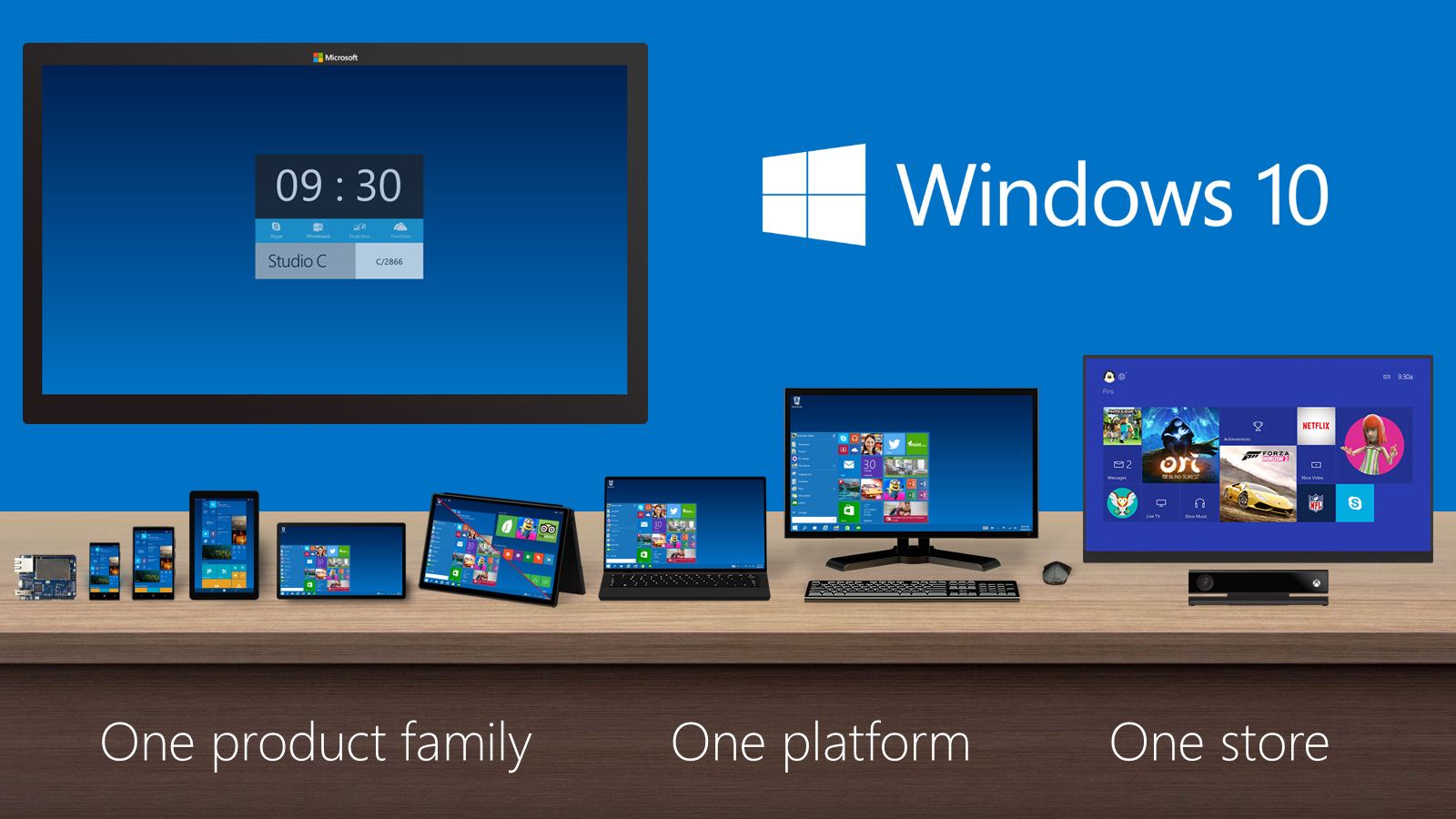
    COnsidering the initial presentation of Windows 10, it seems like Lumia phones are only going to get better
    Considering the initial presentation of Windows 10, it seems like Lumia phones are only going to get better

    Back at the beginning of the mobile era, Nokia was a brand name that everyone trusted. It had a stature of titans in the mobile phone industry. Now it will limit itself into a tiny corner of the tech industry. We still hope that the company can make a turnabout and see it making a return to compete in the market. Till then we’ll keep our eyes on how Microsoft plans to take on the mobile business. It has great products and a great operating system, it just needs to attract customers to them.

  • Researchers Hack Android and Expose Security Flaws

    Researchers Hack Android and Expose Security Flaws

    Android has become one giant monster of a success with over 50 per cent of market share. It has been integrated across multiple devices and is gaining new grounds each day. Its evolution has been appreciated and its next operating system, the Android L will come out soon. But it seems like researchers at the Riverside, University of California, are about to throw a wrench in the works of the Android.

    The research team hacked into the Android operating system by disguising malicious software in the form of an app. What was a surprising find was that Gmail was one of the easiest app to hack, and the researchers had a success rate of 92% in hacking the app. So its probably not a good idea to leave your compromising information in your Gmail account.

    The researchers say that there is a misconception in people’s minds that mobile apps cannot interact with each other; this hack will show that it’s a myth. They also made clear that they tried the hack on Android, but it might work on iOS and Windows OS too, as they too allow apps to access shared memory on the device.

    gmail
    Gmail was one of the easiest apps to hack.

    The researchers brought forward some serious security flaws in the system. They were able to track all that the user was doing on their phone.

    They were able to hack into apps like H&R Block, Amazon, Newegg, WebMD and Chase Bank. The Chase bank app’s hack revealed some stomach-churning revelation. The bank allows users to pay in checks by just taking the image of the checks. The researchers were able to hack the app and steal the image thereby gaining access to the user’s bank details and signature, which is really scary.

    Google, on the other hand, said that it appreciated the efforts of the researchers. They say that this kind of research teaches them some important lessons that will help to make their system stronger and more efficient.

    At a time when major enterprises are shifting to the mobile solutions for their businesses, this hack might create some hurdles for the device and operating system companies. Hopefully, now that the hackability of the system has been established, the companies will seriously consider the issue and resolve it as soon as possible. And the researchers should keep going on doing their good work.

iGyaan Network
Privacy Overview

This website uses cookies so that we can provide you with the best user experience possible. Cookie information is stored in your browser and performs functions such as recognising you when you return to our website and helping our team to understand which sections of the website you find most interesting and useful.