Tag: smartphone

  • Nothing announces it is working on the Nothing phone (1)

    Nothing announces it is working on the Nothing phone (1)

    Nothing to see here yet, but the company has announced that it is working on the Nothing Smartphone. Dubbed the Nothing phone (1), the nomenclature pays homage to the acquisition of Essential, whose first phone was named the Essential Phone 1.

    There is little known of the phone (1) for now, except that it will run on Qualcomm hardware, S8 Gen 1 most likely. If Nothing uses the same design philosophy as its current product the ear (1), then we can expect the phone (1) to also have a transparent design. Transparent designs are not new for smartphones, Xiaomi previously launched a transparent design phone the Mi 9 Explorer Edition, which was later found to be spoofing the internal design with a middle vanity cover.

    Nothing co-founder Carl Pei also confirmed that the focus of the brand will be to build an ecosystem and focus more on user experiences which they aim to enable with the Nothing OS. Nothing claims :

    Nothing OS captures the best features of pure Android, distilling the operating system to just the essentials, where every byte has a purpose. It is designed to deliver a fast, smooth and personal experience. A coherent interface, the hardware seamlessly integrates with software through bespoke fonts, colours, graphical elements and sounds. A first preview of Nothing OS will be available via its launcher that will be available to download on select smartphone models from April.

    As claimed above, an Android launcher for a preview of the Nothing OS will be available in April, allowing users to experience the initial and basic potential of the Nothing OS.

    Building an original “Oneplus” like strong community will be important for Nothing at this stage. To move towards that goal, the company made some further announcements. Nothing will open its doors to US$ 10 Million crowdfunding, so that its users and community can invest in the brand. The company has already raised US$ 144 Million and created partnerships with brands like Qualcomm, which seems to be good PR for now.

    However, the strategy seems to be targeted towards a ground up approach for technology integration. A  jab at the Apple way of doing things, if you may.

    The Nothing phone (1) will generate enough hype, there is no question. However, what matters is the end result. A disruption in the saturated Smartphone market or yet another “flagship killer”?


    https://www.youtube.com/watch?v=8Cq7dnESV7Y


  • Buying A Used Phone Online : Tips And Tricks

    Buying A Used Phone Online : Tips And Tricks

    With phone prices sky rocketing, it is hard for an average consumer to buy new top end phones. One also often feels uneasy in buying used smartphones devices online. When buying a second hand phone, there are a lot of things that one needs to keep in mind, specially if they are being bought online. More often than not, if a deal is too good to be true, it probably isn’t. In this article, we will discuss the nuances of buying second hand smartphones online and how to make the right buying choices.

    Where To Begin?

    Before you start searching for a new phone, you need to be sure that you want a new phone. Decide on a budget that suits you and then convince yourself to stick to this budget. There may be instances when you might get a far better model at a price range that may be slightly above yours. Stay away from them as, if the price of a second hand phone is too good a deal, it may have other problems.

    Try to stay within your budget. The next thing you need to decide on is the phone you want. If you are a light user and only use your phone to make calls and send text messages and like a little bit of social media time everyday, you may not require a very high end phone at all. But if you have the budget for a high end smartphone that is great too. Now let’s look at the two types of used phones that you will come across online.

    Used Phone Sold By User

    These are phones that are sold by people who have used the phone they are selling. These are people like us who are either looking to upgrade or switch their own phones for better models. You can often see listings like these on various websites and these sellers will usually not have any ratings. These users do not sell phones often and thus finding a trusting source can be a cause for concern. There will be some listings that use stock photos. You will need to be careful when buying from these sellers and if you do not see photographs of the actual phone then best avoid these sellers.

    Always ask for the original product images as it will at least help you understand the condition of the phone from a cosmetic standpoint. If a phone is badly damaged from the outside, absolutely avoid it. A damaged phone from the outside will most certainly have damaged or dinged up interiors as it shows that the owner did not care for the device as much as he should have.

    If the device shows normal wear and tear from prolonged use, that should be fine. Ask the user what he will be selling along with the phone. See to it that he shares the box, bill and charger. If you are buying from a website such as OLX or Quikr, then check the IMEI number to make sure it isn’t stolen from someone else.

    Refurbished Phone Sold By Seller

    These types of phones are relatively safer to buy. Many websites, Amazon being a big example, have sellers who are trusted and sell refurbished phones. They buy phones from other users and repair and sell them after fixing it both internally as well as cosmetically. They will also usually provide a 6 month or 1 year warranty or guarantee (differs from seller to seller) and will fix the phone for you if anything goes wrong. Remember that these warranties are not given by the manufacturer of the phone but the seller themselves. These phones are a little more expensive compared to the phones that are sold directly by the users since the sellers charge for buying, refurbishing and then selling the phone off. There sometimes will be underlying terms and conditions that you also need to look at. Read the description carefully before you buy.

    Websites Where You Can Buy Used Phones In India

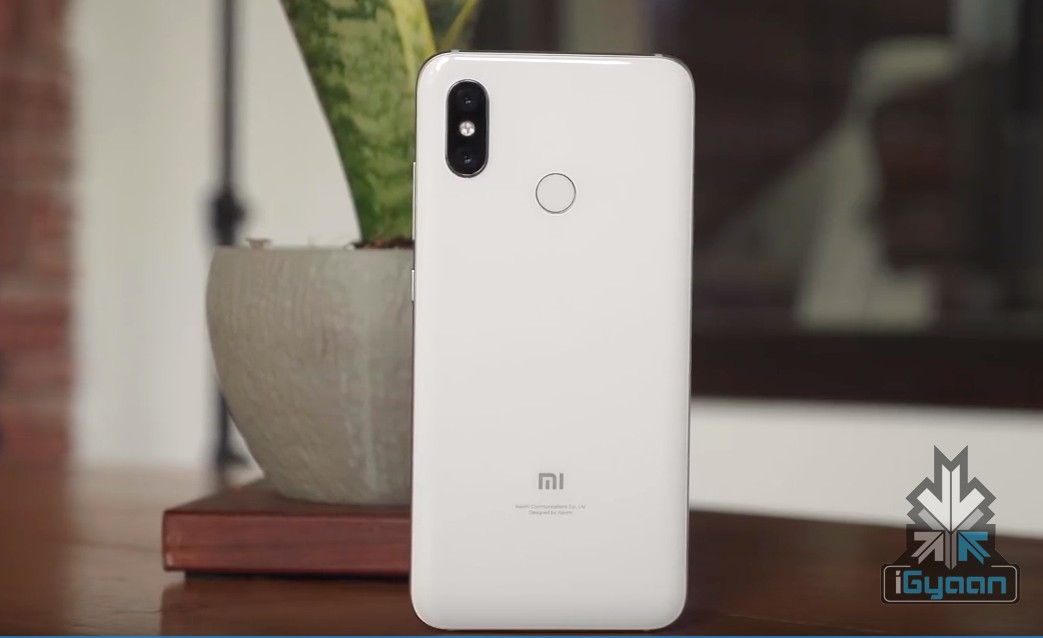
    OLXXiaomi Mi 8 Android 9 MIUI 10

    Olx is a classifieds website where you can both buy as well as sell phones in India. It has it’s presence in 45 different countries and is headquartered in Amsterdam. Although the website is meant for users to post items for sale, many small businesses also sell smartphones and laptops here. You can directly connect with the seller and meet and buy the phone. While it isn’t exactly an online transaction, it does help you find people who are willing to sell what you are buying. It is safer in a way because you get to hold the phone and test it out before actually buying.

    Quikr

    Quikr is another classified advertisement website, working on the same model as OLX. It is an Indian platform and is focussed on providing a better experience for buyers and sellers than many other similar platforms. Beware of fake sellers though as many have reported to have received phones with parts replaced with cheaper Chinese made counterparts inside the phone. One can recognise a fake post by looking at the price and images. If you see a Samsung S9 Plus available at Rs 8000, it is probably a copy or has replaced parts. If there are more than 1 phones of the same model, it might be a seller who is buying cheap copies and selling them at a profit.

    Amazon

    Amazon has a lot of refurbished phones from different sellers. Being a globally renowned website, their quality control for sellers on the platform will be better. The phones, as mentioned above will be a little more expensive but the quality and the description will be clearer. These listings generally have a “Certified Refurbished” tag on the image and are also written in bold letters. Many descriptions of these listings suggest that the phone is Amazon-qualified and performance managed where the reseller performs a full diagnostic test, replaces any defective parts, and thoroughly cleans the product. The products also reportedly will have minimal to no signs of wear. They also have no visible cosmetic imperfections when held 12 inches away and the batteries will have at least 80% capacity relative to new ones.

    CEX

    This is an extremely popular website and shop in UK and is slowly gaining ground in India. They have different models of different phones that can be viewed on their website. CEX both buys and sells phones and one can buy phones using CEX voucher or actual cash. There is a flat 2 year warranty on everything they sell. And there is a doorstep buying and selling process as well. You can visit their shop and see the phones and choose from them. The prices of each phone are listed on their website as well. These are also refurbished.

    Facebook Groups

    Facebook has become home to hundreds and thousands of buying and selling groups and these have thousands of members each. Every city has a group that sells phones. If you find the correct group, then you can chose from a variety of options and connect directly with sellers. You can also meet and see the products yourself. While this may be a great place for phones, do check the profile of the seller once and ensure that the post is not fake or the seller is genuine.

  • Six Flipkart Smartphone Deals To Save Some Bank !

    Flipkart is hosting some awesome deals on smartphones. Let’s take a look at some of the deals we feel you can’t miss out on.

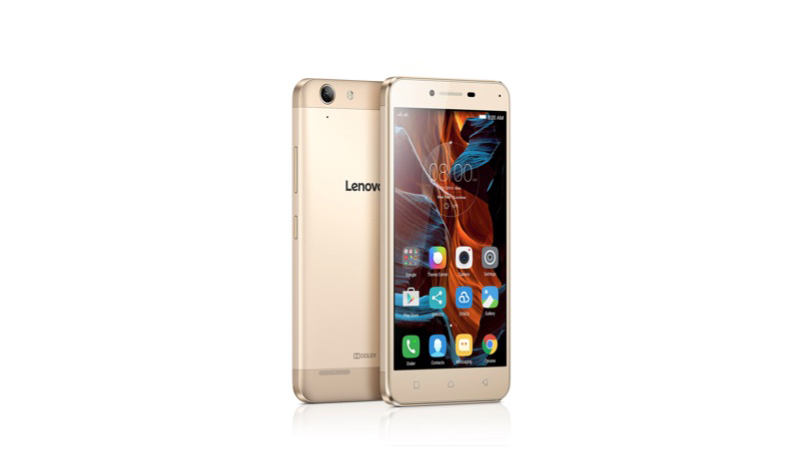
    1. Lenovo Vibe K5 Note (4 GB RAM, 32 GB)

    The Lenovo Vibe K5 Note is a snappy, bang-for-the-buck offering by Lenovo and is right now available at INR 10,499 after a flat INR 2,000 discount. Hurry up and pick up Vibe K5 Note for yourself before the deal run out.

    Vivo V5 Plus

    The dual-lens selfie camera phone is selfie lover’s dream come true. The phone has a brushed metal design and a sturdy build. It is available on Flipkart right now for INR 22,990 after a flat INR 3,000 off. Grab it right now and get clicking!

    Moto M

    Motorola is known to produce some quality devices at a budget-friendly price bracket and the Moto M is another offering that has a premium built and a familiar design. The user experience provided by Moto M is stock Android with a few tweaks here and there. Moto M is available at a great price starting from INR 13,999 after a flat INR 2,000, so go and make it your next smartphone!

    Samsung Galaxy On8

    Samsung’s budget-friendly offering, the On8 is powered by the Exynos 7580 processor and houses a 3,300 mAh battery. With a 5.5-inch 1080p display along with an option of expanding storage up to 128 GB makes it a strong contender in the sub-15k category. Grab it now on a sweet deal for INR 12,090 only on Flipkart!

    Moto G5 Plus

    If camera quality is your utmost priority, then look no further than the Moto G5 Plus. Right now, Moto G5 Plus is available for INR 15,999 after a flat discount of INR 1,000. It comes with an outstanding 12-megapixel rear shooter which takes great low-light images considering its price point. With Motorola’s stock Android user experience paired with decent specs, this one is for the long haul and will definitely satisfy the ‘photography buff’ in you!

    Samsung Galaxy On Nxt 64: Flat Rs.3000 Off | Now at Rs.14900

    Another budget-friendly offering from Samsung, this one is powered by the Exynos 7870 processor coupled with 3GB of RAM and 64GB of internal storage. Samsung Galaxy On Nxt 64 comes with a beautiful 5.5-inch 1080p display and a 3,300 mAh to give you a day’s battery life with ease. Grab it on Flipkart at a flat INR 3000 discount for INR 14,900!

  • LG G5 vs LG G4: Everything’s Changed

    LG G5 vs LG G4: Everything’s Changed

    The opening day fight for the spotlight at the MWC 2016 was always going to be between Samsung and LG. While Samsung had a very sober event, unveiling its S7 devices which didn’t really wow the mass as one would have liked, LG, on the other hand, stole the show with its new modular G5 flagship. Samsung may not have changed too much with the S7, but LG redefined the smartphone with the G5. We look at how much the LG G5 has changed from its G4 predecessor.

    Design

    LG G4
    LG G4

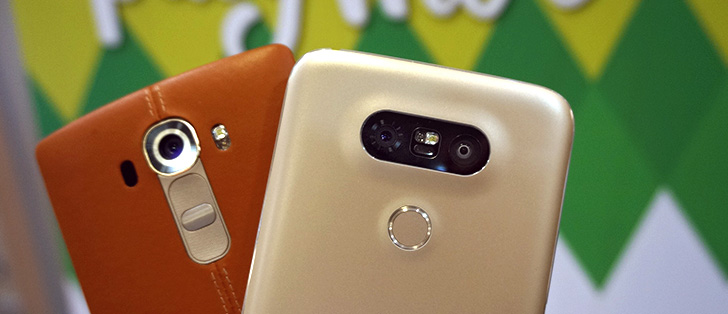
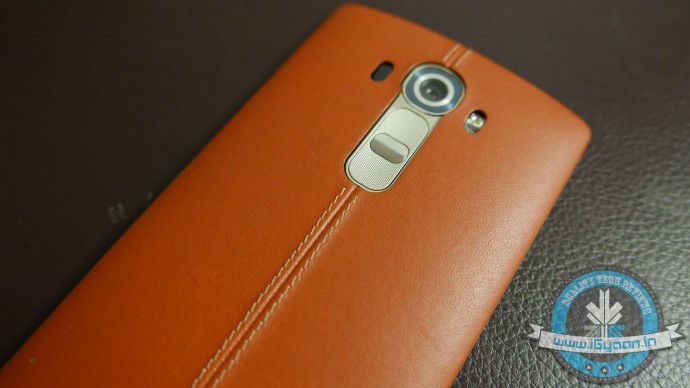
    The LG G4 was designed in a new way back in 2015 with the introduction of a genuine leather back panel that received mixed reactions in certain religious countries. For example in India, LG refrained from mentioning that the leather back panel was made from cow hide, which prevented some people from buying the handset. The use of leather, however, was done in a brilliant way. The back panel takes 12 weeks to manufacture and uses a new technology for a process which normally takes a few days.

    Although some had mixed opinions about the design and use of leather, LG had done it rather tastefully and not only did it look impressive, but also felt great in the hand.

    LG G5
    LG G5

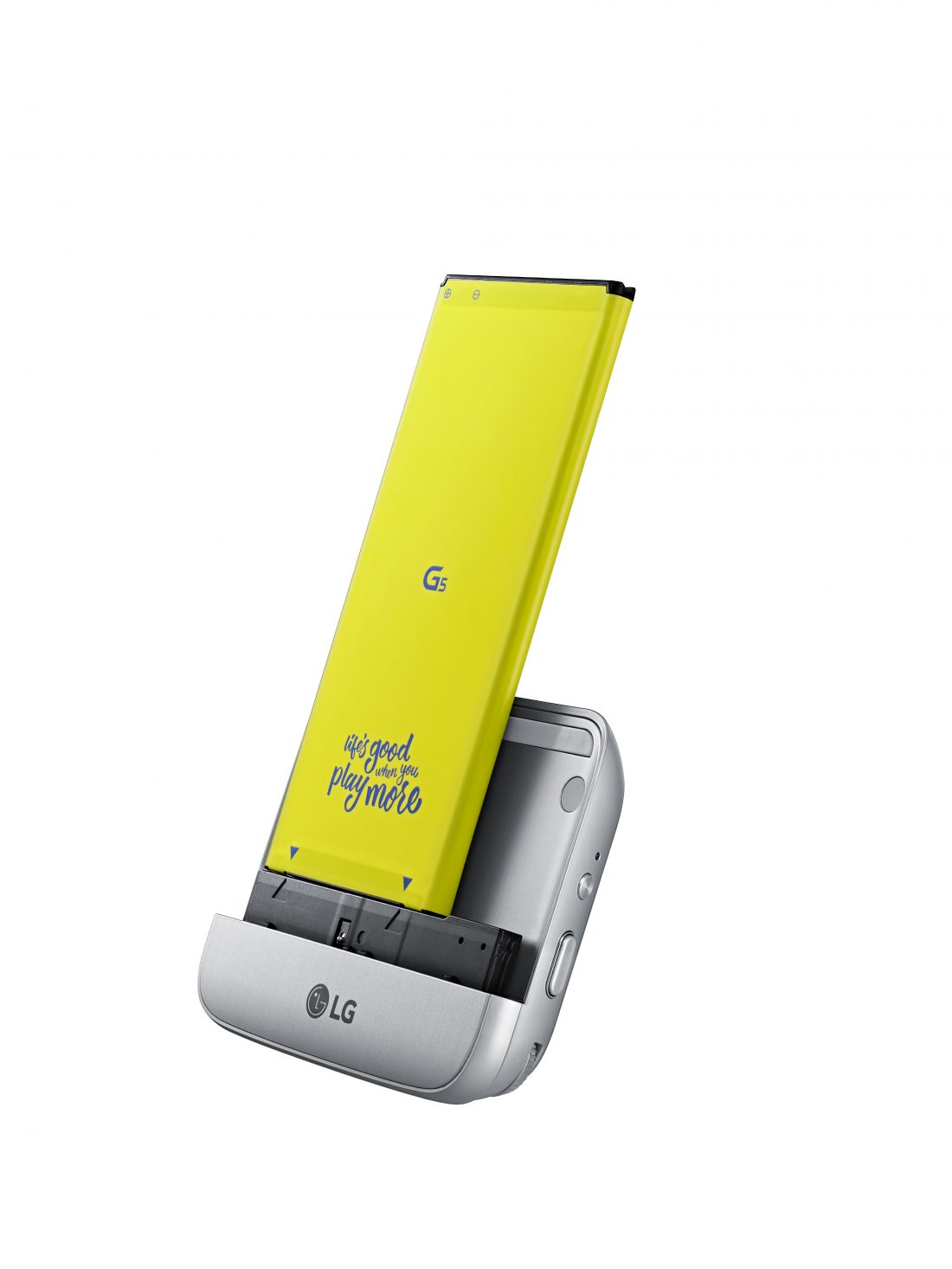
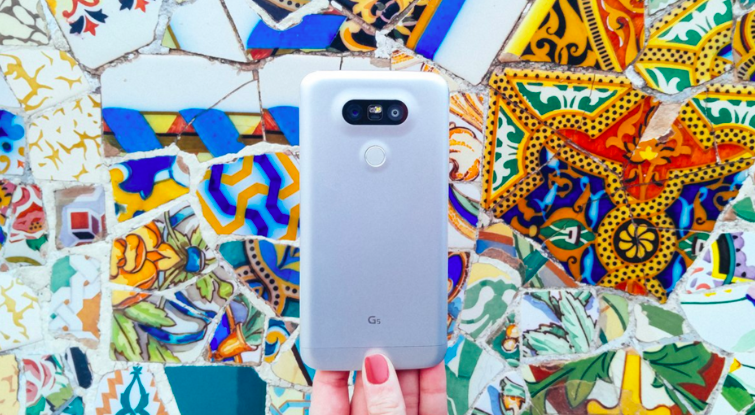
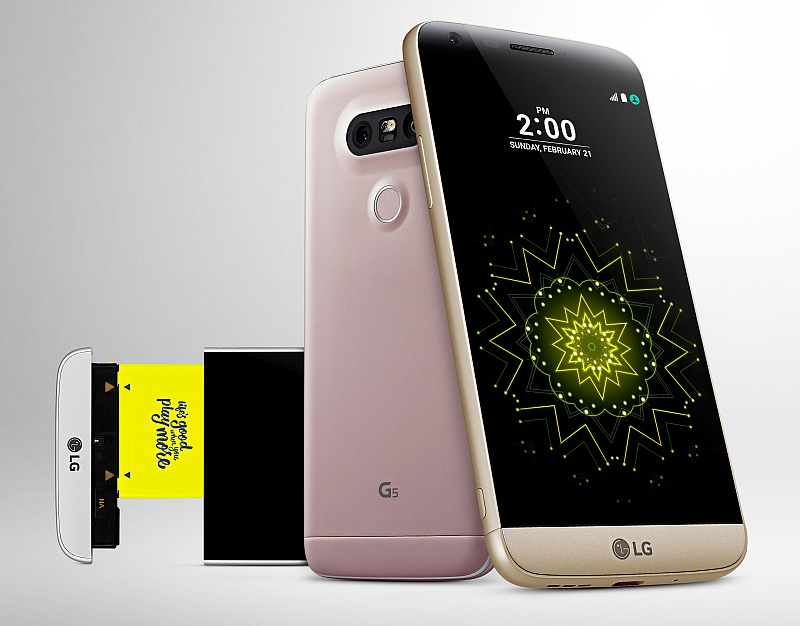
    With the G5, LG again made a drastic design change and incorporated a modular design to its new flagship, which is, in our opinion, a stroke of brilliance. The G5 introduces a full metal body and comes with impressive specifications but the what sets the phone apart from its competition is the fact that it comes with modular attachments which can be utilised to enhance the camera and battery of the phone. Over to the back, you can see the dual camera module and a rounded fingerprint sensor below it which was missing in the G4.

    However, the back of the G5 looks rather dull and pales in comparison to the back of the G4. Of course, this is just going by the images of the G5 and it may just feel good in the hands. The actual look of the G5 isn’t much to brag about but what will really sell it is it’s modular nature.

    Display

    The G4 had a 5.5-inch Quad HD LCD display with a 2560 x 1440 pixel resolution and a pixel density of 534ppi. Now while the display on the G4 was bright and crisp, the size factor and poor battery pack made it hard to make it through an entire day with enough juice.

    LG has reduced the screen size of the G5 from 5.5-inch to a 5.3-inch Quad HD display. This will not only add much sharper colours and brightness, but will also help conserve precious battery life. Add to this, you also have a new Always On mode that displays notifications and messages without having to turn on the phone. The Always On feature uses only 0.8 percent of battery per hour, which means the phone will last a lot longer than the G4.

    Hardware

    Like every new flagship successor, specifications are bound to get a bump. 2016 is the year of the Snapdragon 820 and many flagship devices this year will be sporting that chipset. The G5 is no different. It comes with a smaller 5.3-inch screen as compared to the G4 and is powered by the Snapdragon 820 chipset and Adreno 530 GPU. RAM also gets a bump to 4GB and adds a USB Type-C port. The battery pack drops from 3,000mAh to 2,800mAh, though it is still removable and LG has some ‘Friends’ that bring in some help when needed.

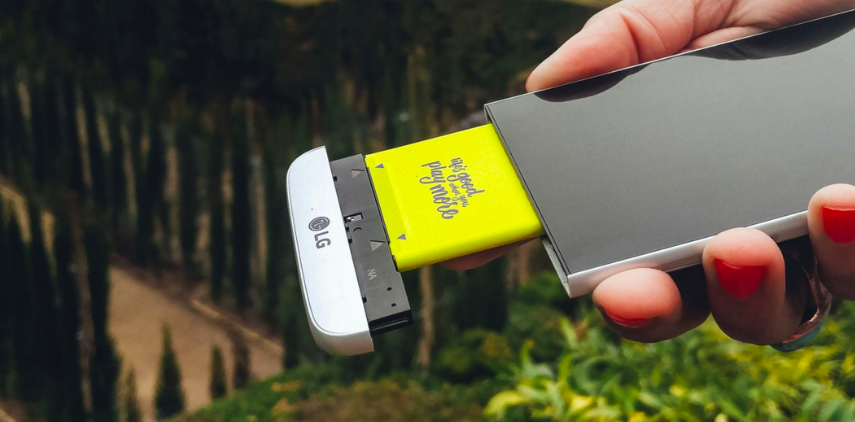
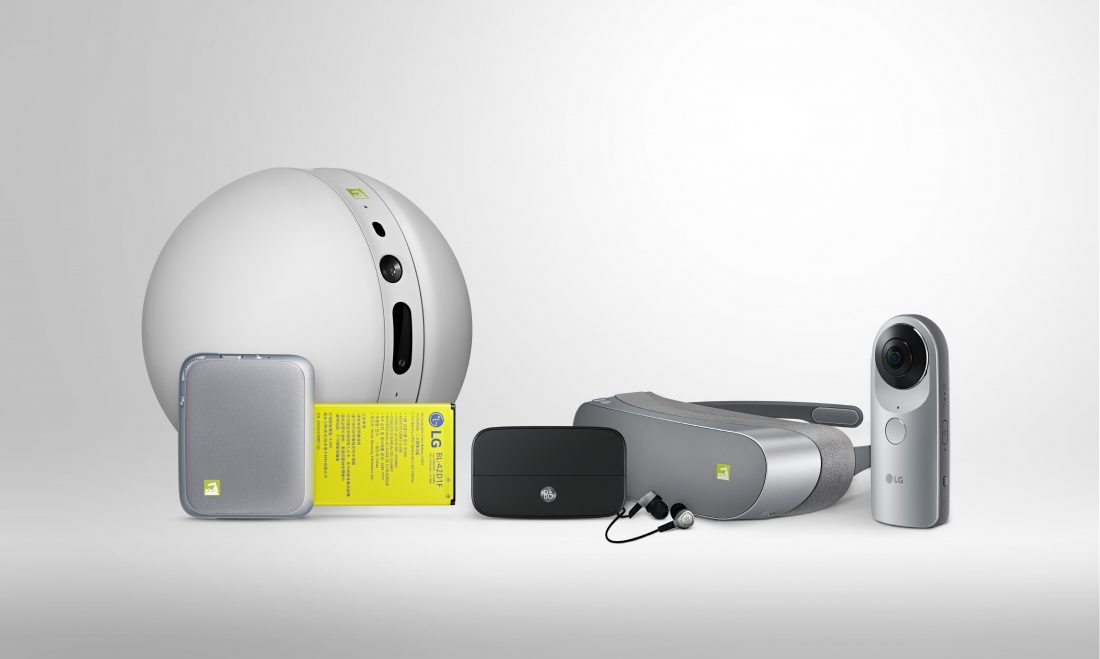
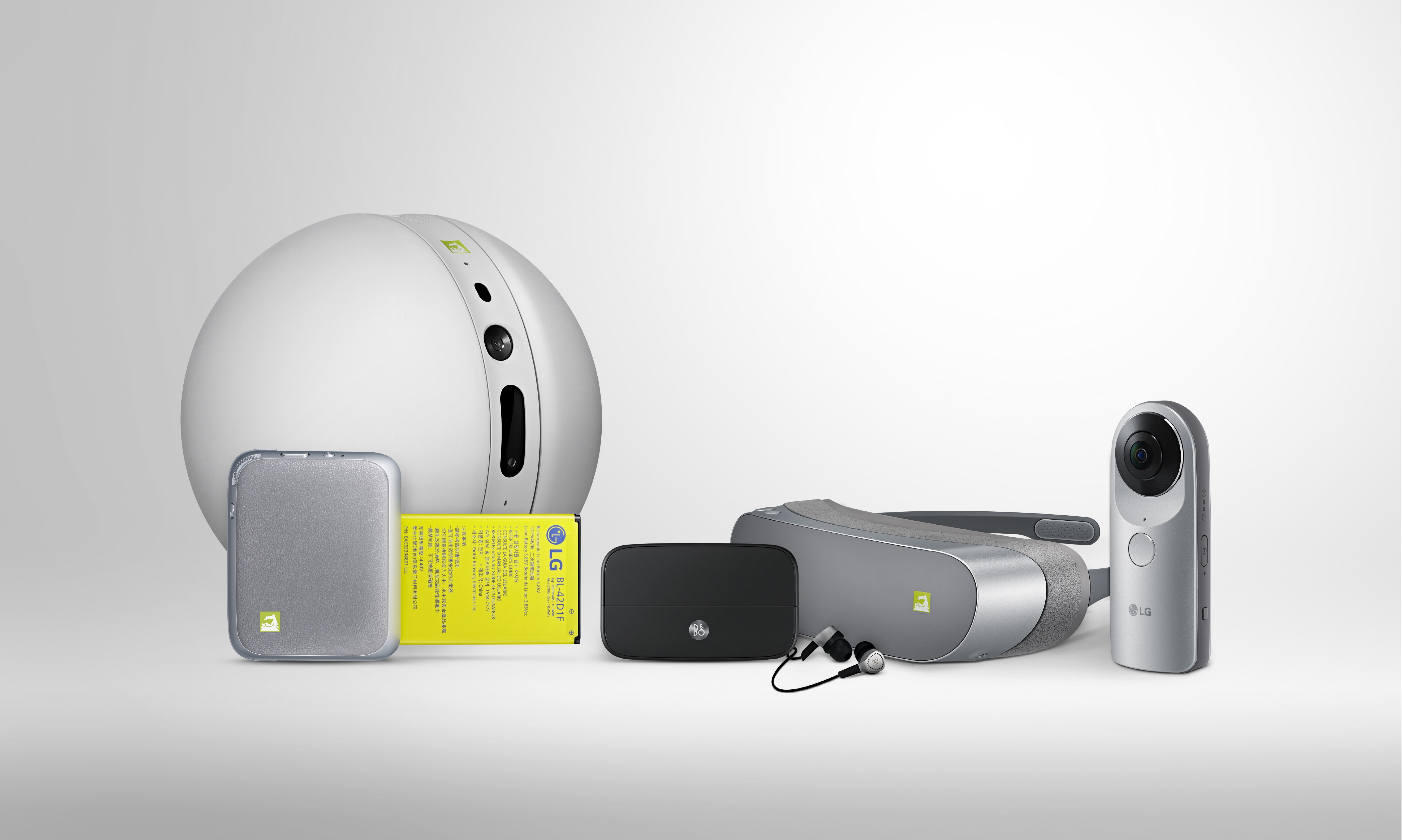
    But the USP of the G5 is its modular design and modules is what you get with the G5. The handset comes with various modules that can be attached to the bottom of the device. LG calles these modules Friends that include LG Cam Plus and LG HI-Fi Plus.

    LG-G5 CAM-Plus
    LG-G5 CAM-Plus

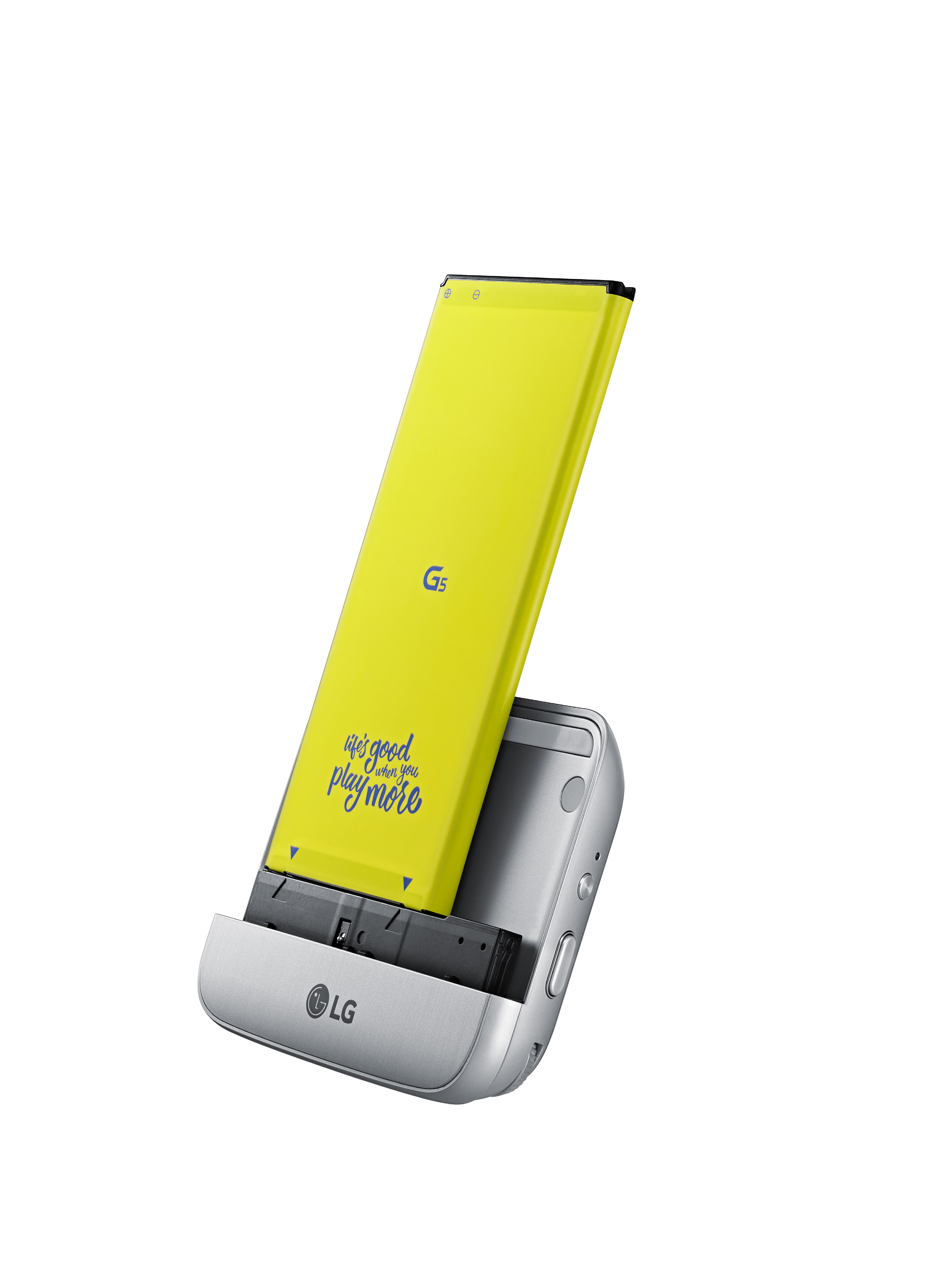
    The LG Cam Plus is a camera module that is attached to the device for grip and raises the battery capacity to 4,000mAh by adding an extra 1,200mAh battery pack module to the existing 2,800mAh pack. The module also includes other camera functions including auto focus with the shutter button and zoom with the analogue dial.

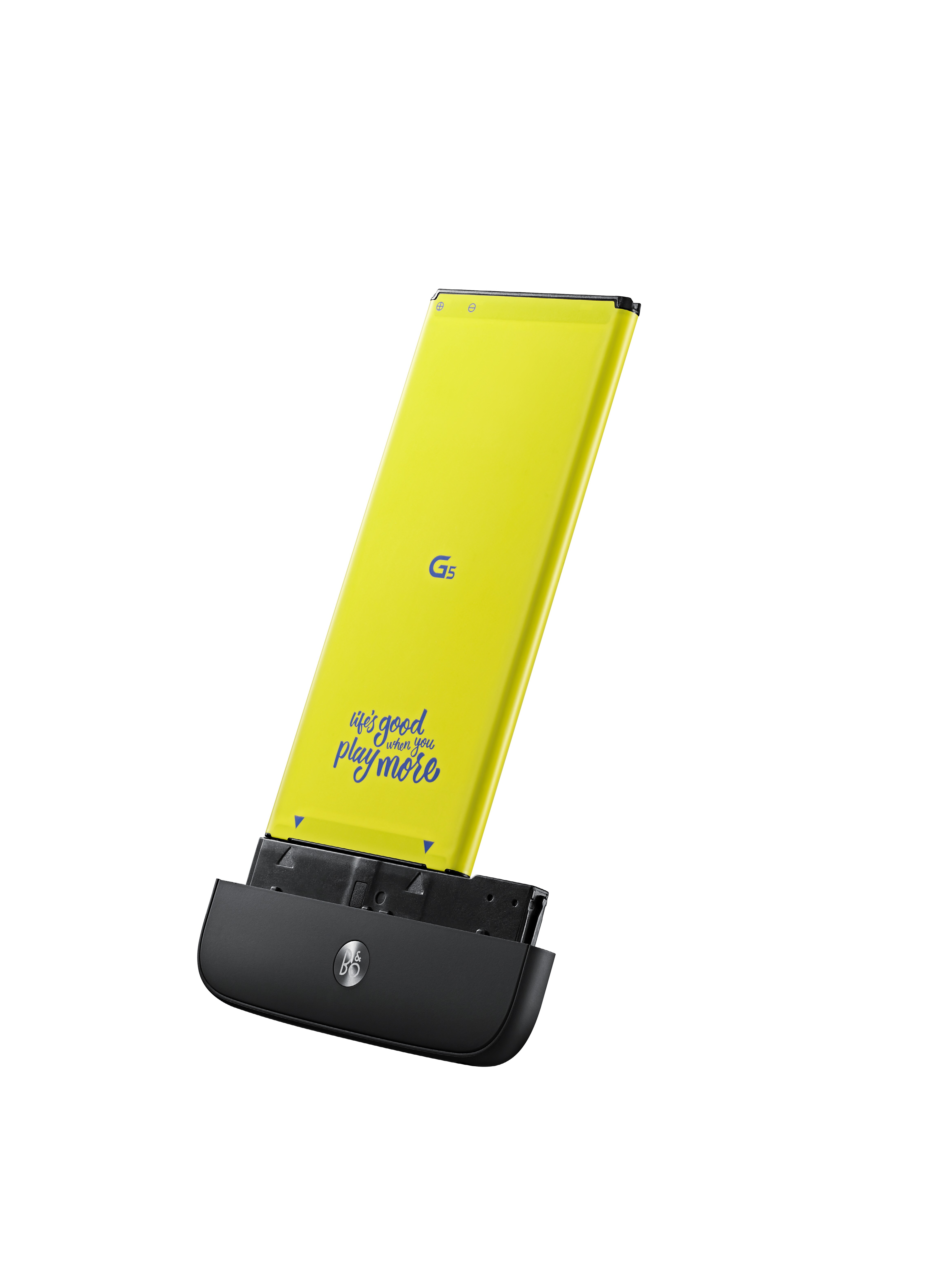
    Next is the Hi-Fi Plus with B&O Play module. This is a  Hi-Fi DAC audio player which is perfect for audiophiles. It can also play high-definition audio files encoded in 32-bit at 384KHz that will offer better sound quality over the 24-bit DAC that is already on the G5.

    Specs

    LG G4

    LG G5

    Display  5.5-inch Quad HD LCD 5.3-inch screen Quad HD IPS display with Corning Gorilla Glass 4
    Resolution  2560 x 1440 pixels / 534 ppi  2560 x 1440 / 554ppi
    Processor Qualcomm Snapdragon 808 with X10 LTE Qualcomm Snapdragon 820 Processor
    GPU Adreno 418 Adreno 530
    RAM 3GB 4GB
    Storage 32GB 32GB
    Rear Camera 16MP  f/1.8 aperture Standard 16MP, Wide 135 degrees 8MP
    Front Camera 8MP  f/1.8 aperture 8MP
    Expandability Up to 2TB via MicroSD Up to 200GB via MicroSD
    Battery 3000mAh battery 2800mAh battery Quick Charge 3.0
    Connectivity Wi-Fi 802.11 a/b/g/n/ac, Wi-Fi Direct, hotspot, Bluetooth v4.1, A-GPS, GLONASS, NFC Wi-Fi 802.11 a/b/g/n/ac, Wi-Fi Direct, hotspot, Bluetooth v4.1, A-GPS, GLONASS, NFC
    OS Android 5.1 Lollipop  Android 6.0 Marshmallow

    Camera

    The G4 had an impressive camera with a 16MP rear and f/1.8 aperture that gave excellent low-light captures. Over the past few years, LG has done well with its camera modules, and is among the top brands in that department.

    LG G5

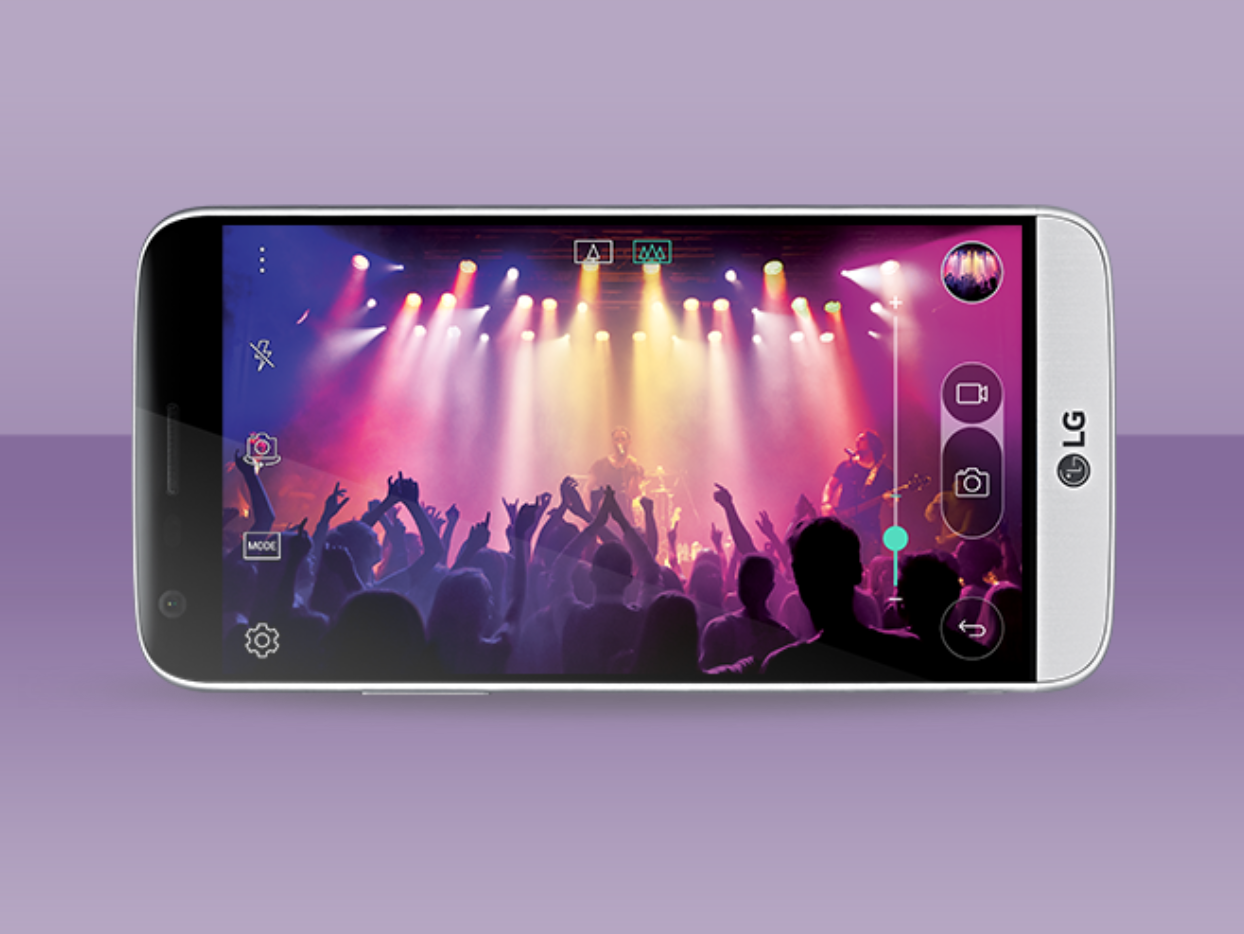
    The G5 takes the camera module from the G4 and adds a little more to it. The rear camera on the G5 comes in two this time, one with a 16MP sensor and one with an 8MP 135-degree wide angle lens, both together promise a lot more functionality, offering impressive auto wide angle captures. LG has stated that its wide angle camera offers a field of view like a human eye and doesn’t restrict photography like other standard camera modules.

    Conclusion

    LG-G5

    There is no doubt that LG has made some crazy changes with the G5 over the G4. The company did not rest on the laurels of the latter and instead made some bold new changes while still keeping the best parts from last year. LG has basically taken one step forward towards making a truly modular phone a reality.

    LG has dropped a panic bombshell on the audience and the tech industry, and the world should take notice. This is the evolution of smartphone design, and with the future only closer to what modular requirements each customer would have.

  • The LG G5  Just Made Smartphones Interesting Again

    The LG G5 Just Made Smartphones Interesting Again

    As a chunk of the world awaited Samsung’s release of their yearly flagship revision, LG got on stage and announced the G5. The Korean company which has remained an underdog in comparison to Samsung massive fan appeal may finally bring back its glory of the Nexus 5.

    With a first look the all aluminum design is a stark reminder of the Nexus inspired design and while the LG G5 resembles the Nexus 6p it is much smaller and more rounded. Which the location of the fingerprint scanner and the bump of the camera module almost falling exactly in place.

    lg g5

    The LG G5 has a 5.3 inch 2560 x 1440 pixel display which also features a new always-on technology which consumes a fraction of a single percent of battery power per hour.

    Qualcomm’s new Snapdragon 820 chipset, 4GB of RAM inside the G5. LG now actually offers two camera module on the back: a regular 16-megapixel image and a 135-degree wide angle 8-megapixel camera. with both offering different features and capability.

    lg_g5_all

    But with all of the above, the G5 is a mere upgrade with beefy specs and power to boot. Where it radically changes the perception of a flagship smartphone, is by offering a modular 3 tier design.

    screen_shot_2016-02-21_at_8.26.16_pm

    The LG G5’s bottom compartment slides out, and along with it the 2800 mAh battery. Once removed the module can be interchanged, presently LG offers two, and with third party manufacturers getting access the possibilities are vast. The ones on offer include a camera grip that adds advanced hardware controls for use with the main camera on the device and a beefier stack for a better grip in the hand. The module also doubles up as a battery pack, offering 1200 mAh of additional juice in today’s battery hungry age.

    LG-G5 CAM-Plus

    Of course, the personal preference and the more interesting module is the LG Hi-Fi Plus, an external 32-bit DAC and amplifier combo unit, manufactured in collaboration with Bang & Olufsen. It supports native DSD playback and will come with a pair of H3 B&O Play earphones.

    LG-G5 HiFi-Plus

    Audiophiles have been long carrying portable amps and DACs and LG aims to remove that additional problem and this may work out really well for a lot of people.

    LG has basically taken one step forward towards making a truly modular phone a reality. Now if we could just replace out the chipset and the camera we are golden.

    LG has dropped a panic bombshell on the audience and the tech industry, and the world should take notice. This is the evolution of smartphone design, and with the future only closer to what modular requirements each customer would have.

    LG-G5

    Samsung has done little with the Galaxy S7 and the Galaxy S7 Edge, a safer play, giving the consumer what they wanted. Hybrid sim-slot and waterproofing, are majority changes in the Galaxy S7 in comparison.

  • Best Smartphones Under Rs. 20,000

    Best Smartphones Under Rs. 20,000

    The mobile phone market is brimming with many smartphone offerings at the moment. Today we take a look at the best smartphones in the congested sub Rs 20,000 market bracket.

    LeEco Le 1s
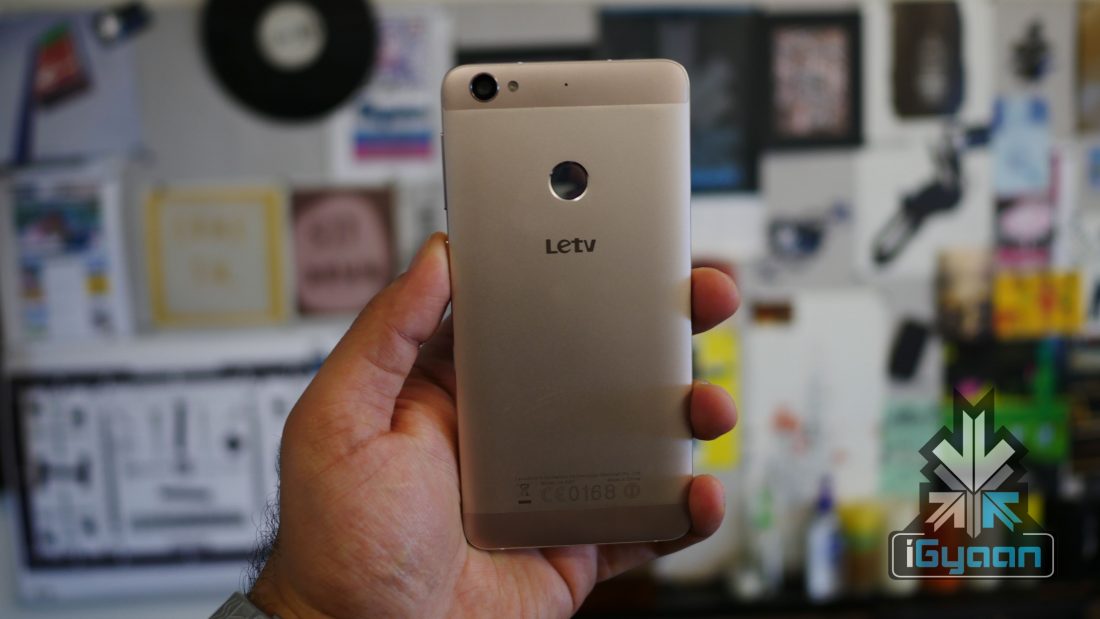
    Letv LeEco 1s iGyaan 9

    LeEco recently launched the Le 1s along with its flagship, the Le Max. The Le 1s comes equipped with a 5.5-inch 1920x1080p display and is powered by MediaTek’s Helio X10 processor, paired with 3 GB RAM for flawless performance. It features a 13 MP rear camera and a 5 MP front camera. The smartphone will run Android 5.1 out of the box with a custom EUI on top. It is a dual-SIM device with an AnTuTu score of 55844, beating HTC One M9.

    It has a type-C USB port which ensures 3.5 hours of usage in 5 minutes of charging, along with a double chamber, symmetrical design, and super-slim, full-metal body with 7.5 mm of thickness. The phone even comes with a fingerprint scanner on the device called LeTouch to sweeten the deal. It is mirror-surfaced with 99.3% accuracy and .15 seconds flash recognisation. Le 1s is available for Rs 10,999. 

    K4 Note
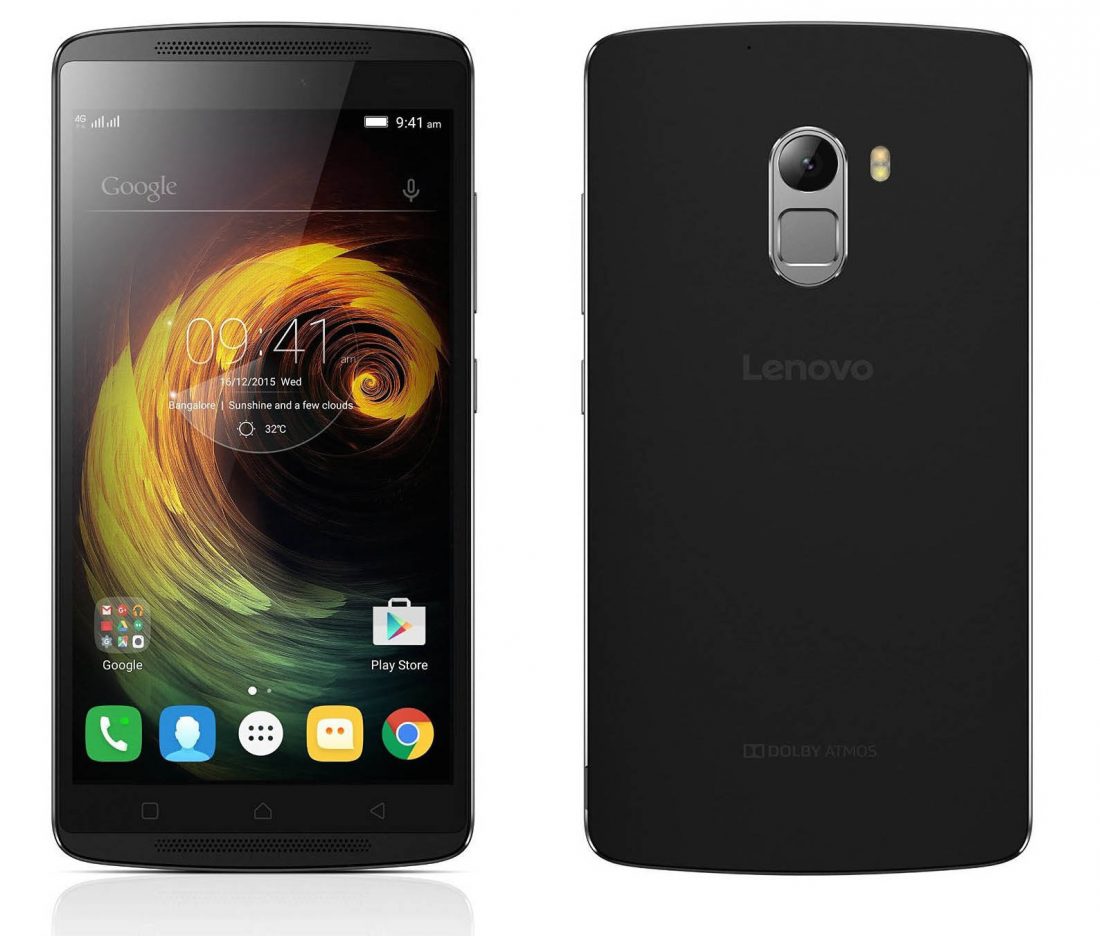
    Lenovo Vibe K4 Note

    The device is dual-SIM, has 4G LTE support and has a 5.5-inch display. On the camera front, it packs a 13 MP main camera and a 5 MP front camera. It comes packing a fingerprint scanner at the back. It comes equipped with a 1.3 Ghz Octa-Core MediaTek MT6753 processor with Mali-T720MP3 GPU, paired with 3GB of DDR3 RAM under the hood for smooth performance.

    Storage options on the phone include a single variant of 16GB internal memory which can be expanded to 128 GB using a MicroSD card. The device is priced at Rs. 11,998 on Amazon.

    Vibe X3 
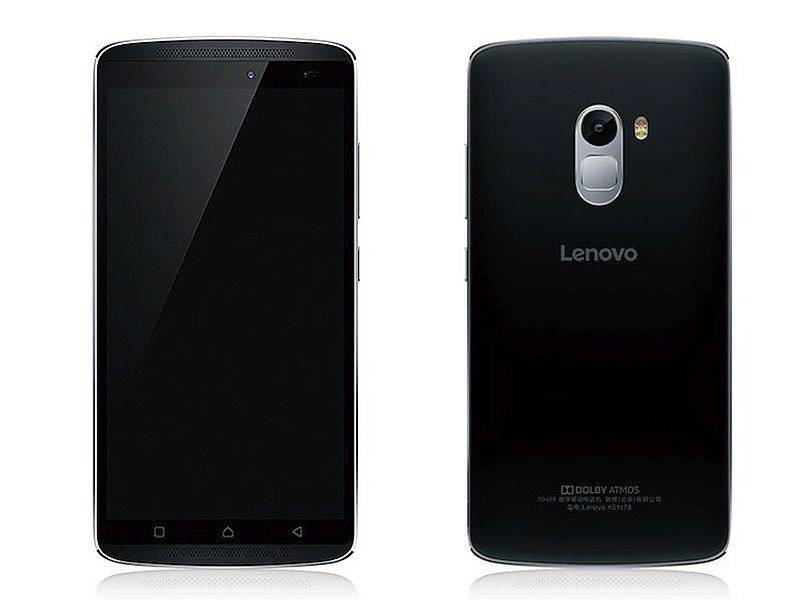
    Lenovo-Vibe-X3

    The device comes packed with a ton of features and improvements over its predecessor including a brand new design language and ergonomics.

    The Vibe X3 comes with a 5.5-inch full HD 1080p IPS display with Gorilla Glass 3 protection. It will be powered by a Qualcomm Snapdragon 808 processor, Adreno 418 GPU and 3GB of RAM. Internal storage is at 32GB which is expandable up to 128GB via MicroSD card slot.

    On the photography front, the Vibe X3 will come equipped a 21-megapixel PDAF rear camera featuring Sony IMX230 sensor with 6P lens and f/2.0 aperture, phase detection autofocus and 4K video recording. . On the front is an 8-megapixel camera. The Vibe X3 can be bought from Amazon for a price of Rs 19,999.


    Moto X play 
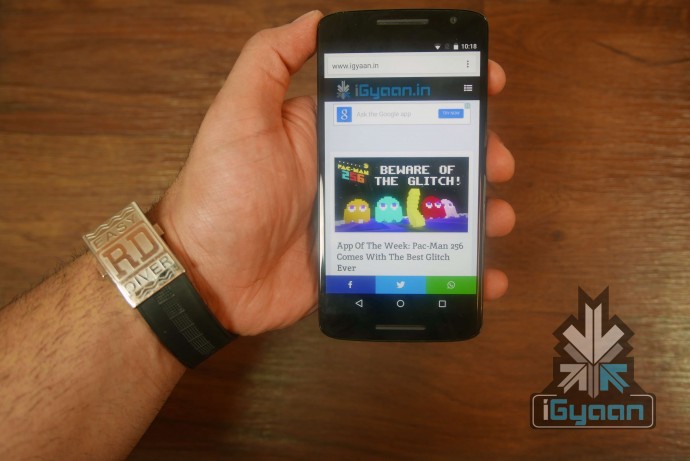
    Moto X Play 10

    The new Moto X Play comes to the market with a 5.5-inch Full HD display which returns a pixel density of 403 ppi. When it comes to the design the phone looks beautiful & has ensures buyers of a solid build. It is run by a 1.7GHz Snapdragon 615 Octa-core CPU coupled with Adreno 405 GPU & 2 GB RAM to deliver good performance. Moto X Play also comes with a whopping 21-megapixel rear camera with f/2.0 aperture, Phase Detect Auto-Focus (PDAF) and Color Correlated Temperature (CCT) dual LED flash, and a 5-megapixel camera at the front.

    The phone also comes with a whopping 21-megapixel rear camera with f/2.0 aperture, Phase Detect Auto-Focus (PDAF) and Color Correlated Temperature (CCT) dual LED flash, and a 5-megapixel camera at the front. The battery on board is a 3630mAh battery and is available in two storage options, 16GB and 32GB. The phone is available for as low as Rs 16,999 for its 16GB offering.


    Asus Zenfone Max 
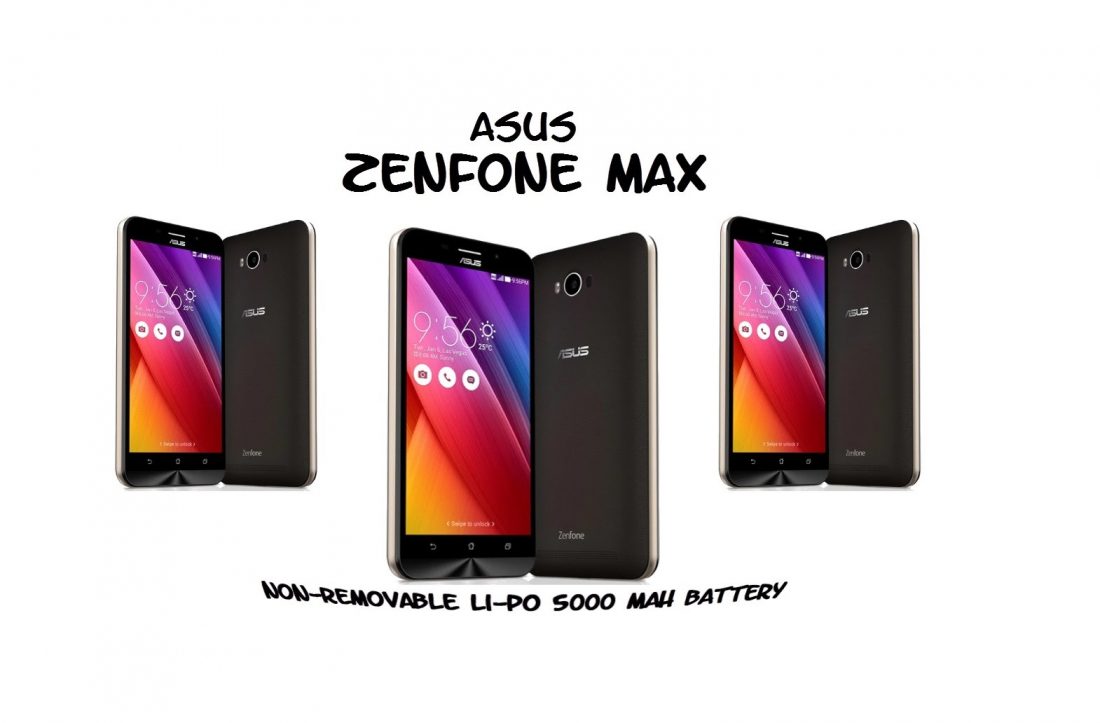
    Zenfone Max

    This phone from Asus comes with an enormous 5000 mAh battery.It can also double up as a portable charger for other power hungry devices in their time of need.

    On the specifications front, the phone holds out its own in the crowded budget phone segment. ZenFone Max features a 5.5-inch HD (720×1280 pixels) IPS display which has 10 finger touch support and comes with anti-fingerprint coating. The phone is powered by a Qualcomm Snapdragon 410 quad-core processor which is paired with 2 GB RAM, Android 5.0 Lollipop operating system and Adreno 306 graphics processor.

    It comes with a 13 MP rear and 5 MP front PixelMaster camera with an f/2.0 aperture lens and laser auto-focus. The phone can be yours for a price of  Rs 9,999.

    Cool Pad Note 3 Lite
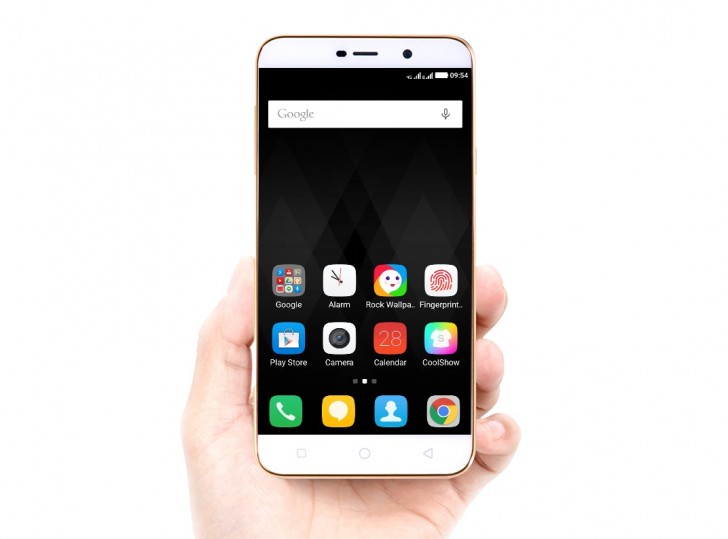
    Coolpad Note 3 Lite

    There’s only one device currently that can brag about being the cheapest smartphone with a fingerprint scanner, and that’s the Cooldpad Note 3 Lite which comes priced at Rs 7,000. The display on the phone is a 5-inch 720p HD, 320ppi IPS panel. It is run by a 64-bit 1GHz Quad-Core Mediatek MT6735 processor with 3GB Ram, and 16 GB internal storage with MicroSd card support.

    The phone is run by a 64-bit 1GHz Quad-Core Mediatek MT6735 processor with 3GB Ram, and 16 GB internal storage with MicroSd card support. The camera on the back is a 13-MP shooter, and at the front it boasts of a 5 MP camera.

    Honor 5X
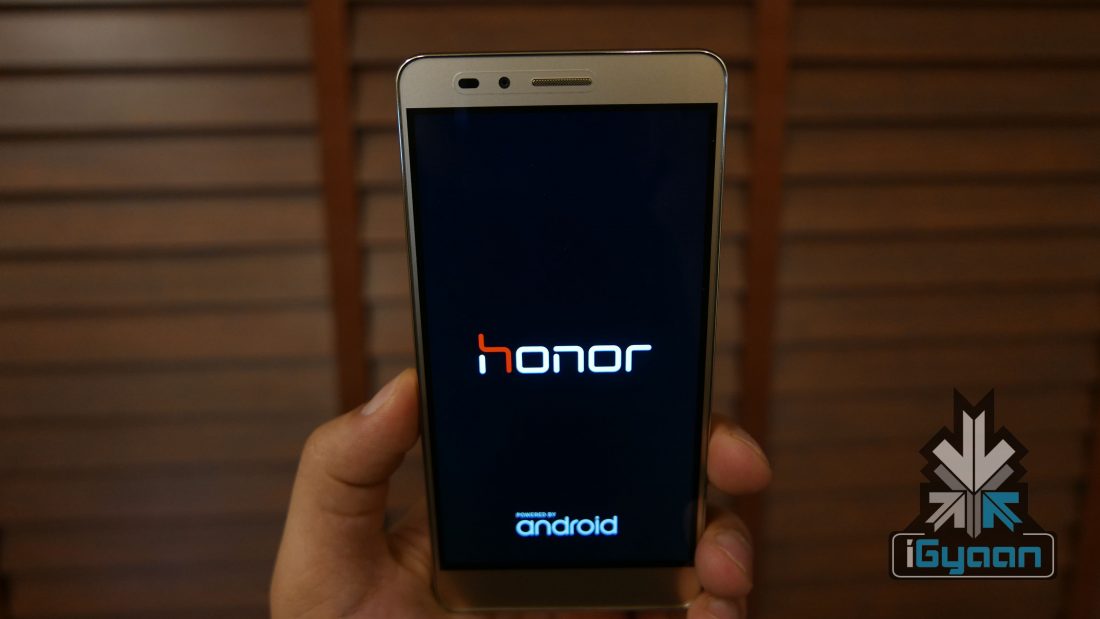
    Huawei Honor 5X iGyaan 5

    The recently launched Honor 5X sports a 5.5-inch Full HD IPS LCD display with a 1920 x 1080p resolution, and a pixel density of 401 ppi. It is powered by a 64-bit octa-core 1.5GHz Qualcomm Snapdragon 615 SoC with Adreno 405 GPU. The 5X is available in 2GB of RAM with 16GB onboard storage that is expandable up to 128GB via microSD card slot.

    In terms of design, the Honor 5X sports an aircraft-grade metal unibody construction with a fingerprint scanner at the back that can also be used to take photos. The device gives a premium look for a budget-friendly smartphone, keeping it on par with the Le 1s that was launched last week. These devices show us that budget phones are turning out to be the new premium. The device is priced at Rs 12,999 on Amazon India.

    Lenovo Vibe P1
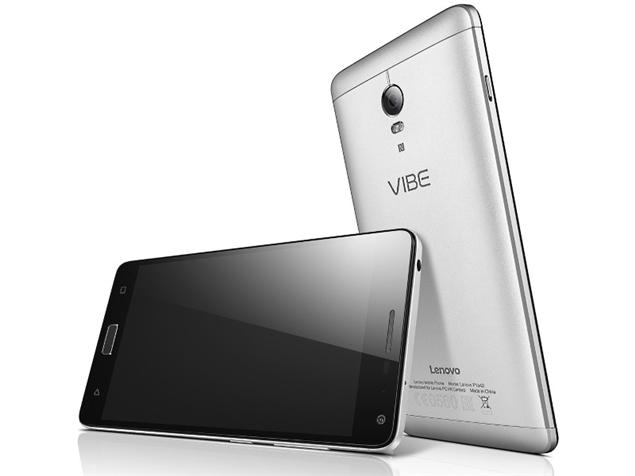
    Lenovo Vibe P1 with fingerprint scanner

    The Vibe P1 features a 5.5-inch full-HD (1080×1920 pixels) IPS display with Corning Gorilla Glass 3. It is powered by a Snapdragon 615 octa-core processor clocked at 1.5GHz with Adreno 405 GPU; 2GB of RAM and 32GB storage with expandable storage via microSD card.

    The device features a 13-megapixel rear camera and a 5-megapixel front; dual-SIM with dual 4G LTE support.The Vibe P1 is also equipped with a nice Home Key that houses a fingerprint scanner within it. The Vibe P1 comes with a large 4900 mAh battery on board and is currently priced at Rs 15,999.

    Qiku Q Terra
    qiku terra 1

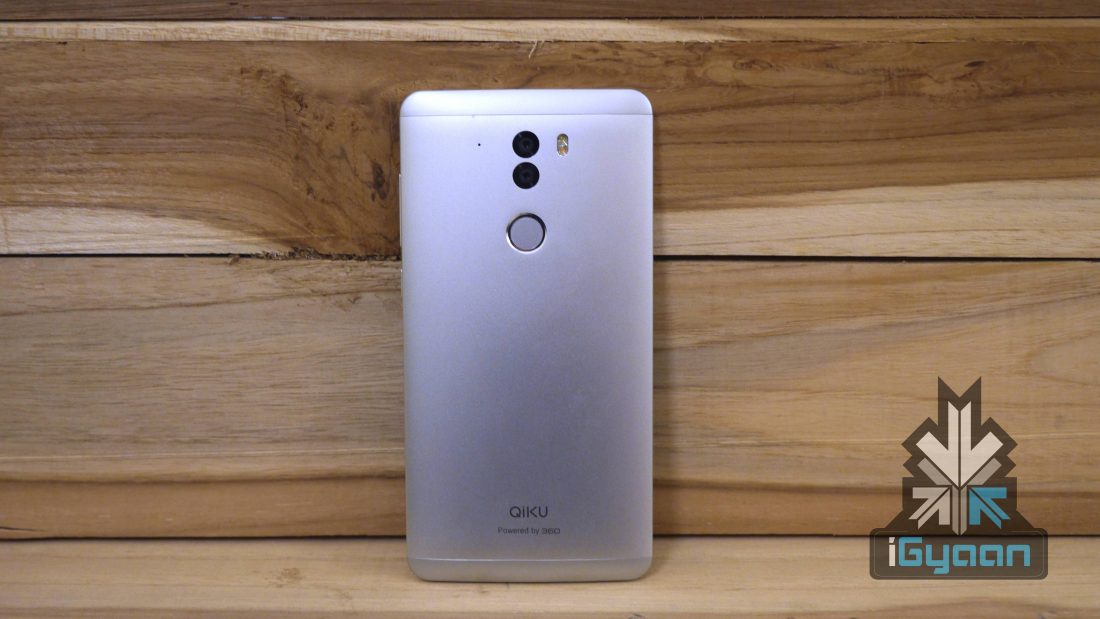
    The Qiku Q Terra is a massive phone with a 6 inch FHD display with 1080 X 1920 pixel resolution. It is powered by the Qualcomm Snapdragon 808 64-bit processor and comes with a 3 GB RAM. Along with this, it also has 16 GB of internal storage capacity that is expandable up to 128 GB.

    What sets the Q Terra apart from the other handsets in the list is that it uses a DuoScopic Camera System that integrates two 13 MP Sony back cameras – an IMX278 color sensor along with a B/W IMX214 sensor. Adding to this, the phone also offers an 8 MP front camera with f/2.4 aperture. It falls just under the Rs 20,000 mark at Rs.19,999.

  • Motorola Explains its Next Step as a Brand

    Motorola Explains its Next Step as a Brand

    Yesterday, news around the world focused on Lenovo killing off the Motorola brand name from its phones. Lenovo’s decision to do this was to bring its phones under one name. It followed that any upcoming smartphone by the company will be branded under “Moto” and “Vibe”, removing Motorola’s name, but keeping the “M” logo.

    A day after, Motorola released a statement in its blog to address the news. The company reassured that ‘Motorola Mobility’ will continue to exist and Lenovo will still use the name for its phone division. “As a wholly owned subsidiary, we remain the engineering, design and manufacturing engine for all of the Mobile Business Group’s smartphones and wearables,” Motorola said in its blog.

    Motorola logo

    Motorola went on to assure that though the Motorola name will disappear, the brand will continue to live on with ‘Moto’. The company explained that the focus for the past few years has always been on ‘Moto’ and its batwing logo remains its most important symbol, both of which will continue to carry the Motorola image.

    “Moto” is synonymous with Motorola, and it conveys the Motorola brand to consumers in a contemporary and engaging way. That wasn’t the only thing that evolved — the iconic batwing was static blue or red for many years, and we made it fun and colorful. That symbol, which has come to represent the “Moto” brand, continues to play a prominent role, and will remain on our products and in our marketing.

    The company reaches the point most talked about yesterday in that the company will focus its marketing efforts on “Moto” and “Vibe”, but also conceded that the products will under Lenovo solely. “This latest move is all about where we focus our brand marketing efforts in the future. That will be on our two hero smartphone brands: Moto and Vibe, with the Lenovo corporate brand tying all of our consumer and commercial products together more holistically.”

  • Lenovo May Kill the Motorola Brand

    Lenovo May Kill the Motorola Brand

    It looks like another popular name in the mobile phone industry is set to follow the same fate as Nokia (although the latter might be making a comeback this year). Buzz around the internet is that Motorola will soon be phased out.

    Lenovo, which bought Motorola from Google back in 2014, announced at CES 2016 that it will phase out the Motorola brand for its phones. “We’ll slowly phase out Motorola,” said Motorola Chief Operating Officer Rick Osterloh.

    The decision is particularly interesting when seen in light of Lenovo’s statement back in 2014 when it said that, “We plan to not only protect the Motorola brand, but make it stronger.”

    Motorola logo

    What this means is that Motorola’s phone business will now come under Lenovo and the Motorola name will disappear from its phones this year. Meanwhile, Lenovo will still use the ‘Motorola Mobility’ name for its phone division, but any upcoming phone or wearable will fall under the brand of ‘Moto’ and ‘Vibe’.

    Motorola fans need not despair. The brand name will continue to live on, albeit in a more minimalist way. Future Moto products will continue to sport Motorola’s batwing-like ‘M’ logo along with Lenovo’s blue logo. Indeed, Motorola will be missed, and will always be remembered as one of the earliest, if not first brand to produce a mobile phone.

  • Huawei P9 with 6 GB RAM to Launch at Pre-CES Event on January 5

    Huawei P9 with 6 GB RAM to Launch at Pre-CES Event on January 5

    There have been rumours in the past that Huawei was planning to launch the P9 flagship smartphone was set for a March release. However, it looks like Huawei is not planning on waiting that long to unveil the device. Fresh rumours out of China suggest that the Huawei P9 will be made official at the company’s pre-CES event, scheduled to be held tomorrow, January 5.

    The specs that’s really grabbing everyone’s attention is the whopping 6 GB RAM inside the device, and a dual rear camera setup. Other rumored specs of the device include 5.2-inch display, Kirin 950 SoC, and a fingerprint sensor.

    Huawei CES 2016

    This along with the Huawei Mate 8 are the two devices Huawei plans on unveiling at CES as of now. Follow this space as we cover CES 2016 starting January 6 – 9.

  • HTC One M10: Everything We Know So Far

    HTC One M10: Everything We Know So Far

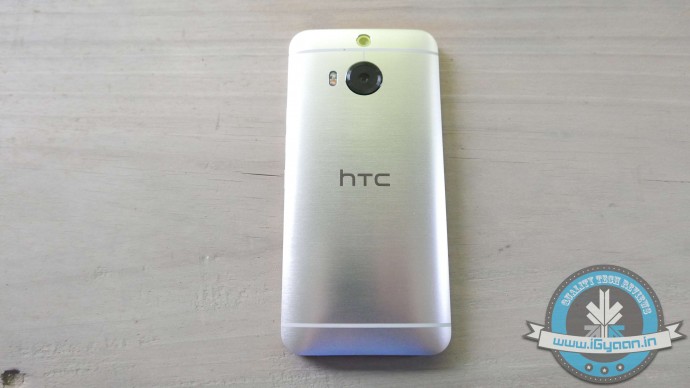
    There’s a lot of uncertainty surrounding the launch of HTC’s next flagship device. The HTC One M10 has been floating between CES and MWC for a while. HTC is still enjoying the launch of the One A9, but fans have already been asking about the One M10, and HTC is likely to reveal the device within the first quarter. Here’s everything we know about the flagship device so far.
    Display

    Being a successor to the One M9, the HTC One M10 will look to improve on specs wherever it can. The new iteration is said to come with a 5.5-inch QHD display. You can expect some bright, crisp colours under a Gorilla Glass 4 protection.

    HTC One M9+ 13
    HTC One M9+

    Design

    The design of the One M10 is expected to be slimmer and sharper than its predecessor. To help with that, the device will carry the all-metal, unibody form factor associated with HTC flagships, along with curved edges and bezels to give it an attractive look.

    Camera

    The One M9 had 20 MP primary camera that proved a little underwhelming, especially in comparison to  the sharper, brighter images seen in Samsung’s Galaxy S6 and LG’s G4. HTC is going to have to make some serious improvements in the camera department if it wants to be a killer device. Rumours suggest that the One M10 will sport a bigger 27 MP camera with face detection autofocus technology.

    The front camera also boasts of high megapixels for selfie lovers. However, these rumours should be taken with a pinch of salt. It is also possible that HTC will continue with a 20 MP camera and will rather focus on improving the quality of images.

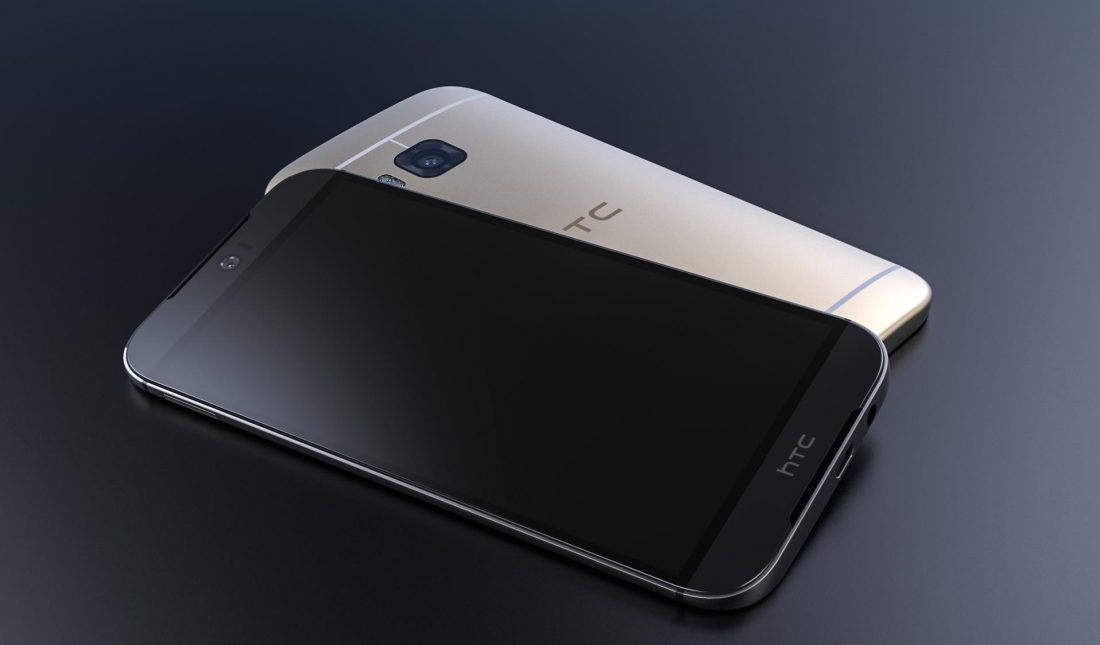
    HTC One M10 Concept
    HTC One M10 Concept

    Processor

    HTC is perhaps waiting till the end of March to release the One M10 so that it can release its device with the new Qualcomm Snapdragon 820 chipset under the hood. You may remember that Samsung has claimed exclusivity of the new chipset for the first three months.

    If HTC wants to come out with a powerful new flagship, then it will need to sport a powerful new chip to compete with the likes of the upcoming Galaxy S7 and Xiaomi Mi 5 devices, to name a few. Apart from the Snapdragon 820 chip, the One M10 will also use a graphics card that will improve graphic quality of images for visually appealing gaming experience,

    Other Features

    One of the highlights of the upcoming flagship is that it will feature a Touch ID fingerprint scanner for maximum security for the device. Other than that, the One M10 will likely sport 4 GB of RAM with 16 GB and 32 GB internal storage variants. The device is also rumoured to feature a battery capacity of 3,500mAh. The device will come pre-installed with Android 6.1, which is another good piece if information.

    The above mentioned specs are merely a roundup of all the rumours that have been floating around. Over the next few weeks, you can expect more details to emerge as well as some confirmation for the existing rumours and some images of the device as well. Follow this space for more on HTC’s upcoming flagship smartphone.

  • Samsung to Focus on Mid-Range Phones, Cut Down Total Shipment in 2016

    Samsung to Focus on Mid-Range Phones, Cut Down Total Shipment in 2016

    According to reports, Samsung is going to lower the shipment of its smartphones in 2016 by 12%. This means the company would be shipping about 420-430 million units next year. Samsung is going to focus less on its high-end S series, and more on its budget and mid-range phones. The J series and the A series ensured that Samsung performed well in 2015. However, the year also saw a fall in the over-all demand of smartphones globally.Samsung Galaxy On5 and On7 iGyaan 0

    While Samsung still continued to be a leading smartphone manufacturer despite the falling demands, the company is altering its course a little next year. There will be some new additions to the Samsung Galaxy A and J series. There are also big plans for the company’s flagship phones. Galaxy S7 and S7 Edge, expected to arrive in 2016. Watch this space for all latest developments.

  • Micromax Canvas 5 Review

    Micromax Canvas 5 Review

    A Budget Device that Looks Great and Performs Well

    Micromax’s flagship Canvas 5 is a marked improvement from its predecessors, bumping up specs where it needed to most. The newest flagship tries to step out of Canvas 4’s shadow which saw some negativity regarding build quality and camera performance. With impressive design, performance, specs and a smooth UI for a budget device, the Canvas 5 is a solid device in the sub-Rs. 15,000 price range and gives a stiff competition to the Moto G (3rd Gen) and the OnePlus X. The Canvas 5, however, still has issues that will be familiar to long time Micromax users.

    Overview

    Micromax Canvas 5 15

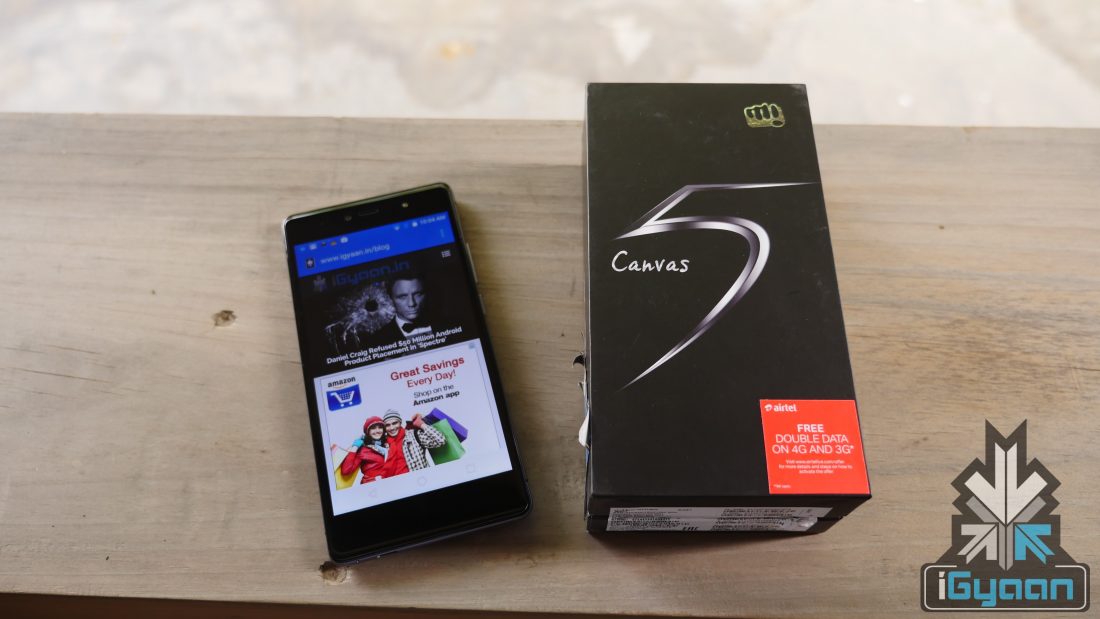
    The Canvas 5 is available for Rs. 11,999 with 3 GB RAM and 8 GB internal storage, which is expandable up to 32 GB via MicroSD card slot. This year, Micromax has decided to forget about its past Canvas devices for something users will truly appreciate. Many OEMs like Micromax, Motorola and OnePlus want to prove that it is possible for a budget device to look and feel premium. The Canvas 5 seems to have found the right balance of hardware, design and build that is likely to attract consumers.

    Build Quality and Design

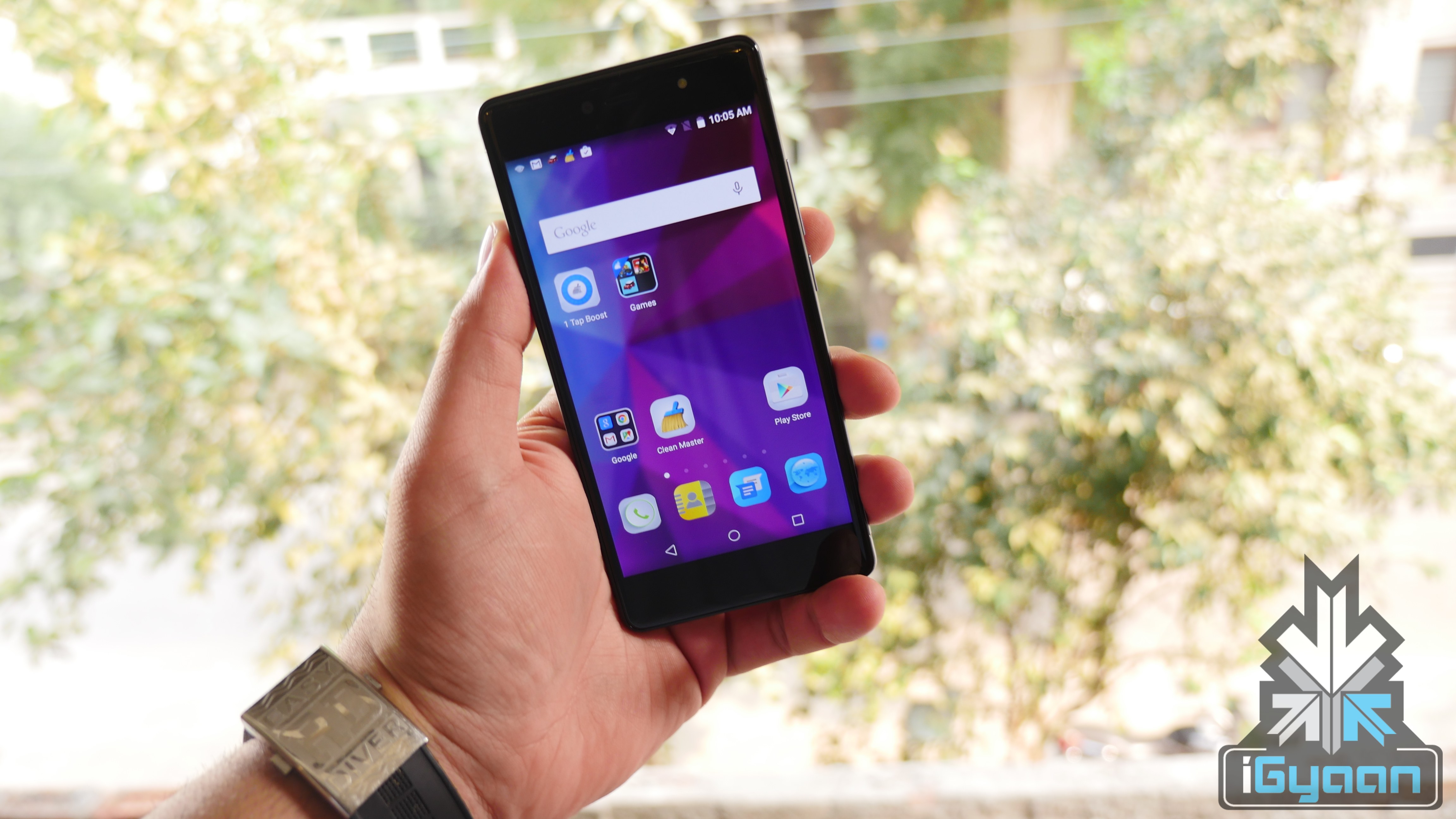
    The Canvas 5 has an impressive build and sleek design. The front sports a Gorilla Glass 3 with a 2.5D Curve Touch panel that melts along the edges, which is pleasing to the eyes and also makes the display look bigger than it actually is when switched off. The glass leaves no smudges and keeps the screen clean. All this along with a metal side and rounded edge gives the device a premium look.

    Micromax Canvas 5 11

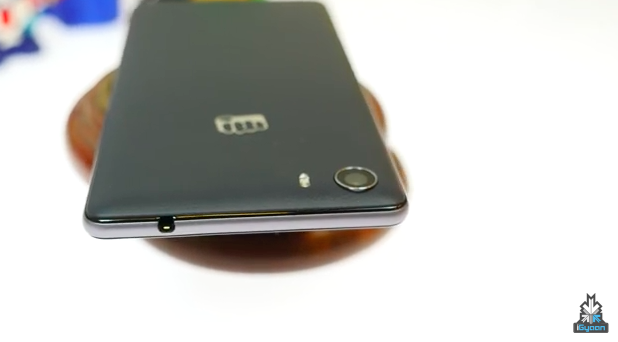
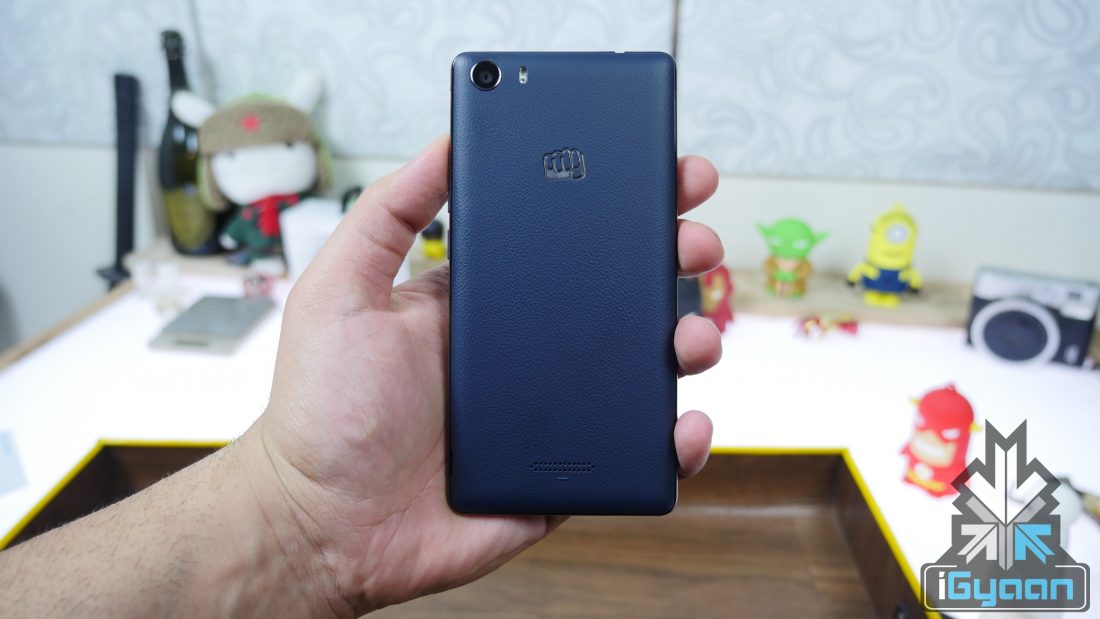
    In the back you have a removable plastic panel that has a faux leather texture to it. Because it’s extremely flexible, it’s not likely to break any time soon. The leather-like texture feels great in your hand and provides for a firm grip.

    Micromax Canvas 5 5

    Hardware

    Micromax has bumped up the hardware with an improved RAM and chipset. The Canvas 5 comes with 3 GB of RAM, which is handy for games, and a 1.3GHz octa core MediaTek MT6753 ARM Cortex-A53 chipset. Check out the full spec table below.

    Specification Micromax Canvas 5
    Display 5.2-inch full HD screen, Corning Gorilla Glass 3 with 2.5D Curve Touch Panel
    Resolution 1920×1080 pixels with 480ppi
    Chipset  Media Tek MT6753, ARM Cortex-A53
    CPU 1.3 GHz octa-core processor
    GPU  Mali-T720 MP2
    RAM 3 GB
    Front Camera 5 MP with flash (2560×1920)
    Rear Camera 13 MP AF (4160×3120)
    Storage 11 GB (7.5GB available)
    Expandability  Up to 128GB via MicroSD card slot
    Battery 2,900 mAh battery
    Connectivity Wi-Fi 802.11 b/g/n, Bluetooth 4.0, GPS/AGPS, 4G LTE (LTE FDD 850MHz/1800MHz and TDD 2300MHz)
    Operating System Android 5.1.1 Lollipop
    Price  Rs. 11,999

    Performance

    The device, with an octa-core 1.3 GHz processor and 3GB RAM, gives one of the smoothest performance that we have seen from any Micromax phone. The hardware allows you to multi-task with greater ease and also improves gaming performance, though the device starts to heat up when the cores start kicking in.

    Swiping through the phone is snappy and fluid and you will love the ease of it all within 5 minutes of usage. The phone will respond quickly to all your basic day-to-day needs and with no app drawer, you can access your apps a lot faster, though . Talking about the apps, the Canvas 5 has a lot of bloatware like SwiftKey, Quikr and Snapdeal, all of which can be uninstalled this time around.

    Games like Marvel’s Contest of Champions and Asphalt 8 work smoothly without and lags. However, playing for long periods at a stretch will heat up the smartphone.

    Benchmark

    The phone scored over 32000 on AnTuTu Benchmark and has been found to be 95% better than devices in the range, while it scores a 4931 on AndEBench Benchmark. We compared the Canvas 5’s results with that of the slightly higher OnePlus X, Yu Yureka and Moto G (3rd Gen) and this is what we found.

    Benchmark Micromax Canvas 5 OnePlus X Yu Yureka Moto G (3rd Gen)
    AnTuTu 32801 41899 24258 23383
    Vellamo (single core) 1061 1583 1038  1248
    Vellamo (multicore) 1524 1445 1530  1243
    AndEBench 4931 7623  4807  4160

    As you can see, the Micromax Canvas 5 scores better than the Yu Yureka and the Moto G (3rd Gen), and also performs better than the OnePlus X in the multicore test.

    Camera and Multimedia

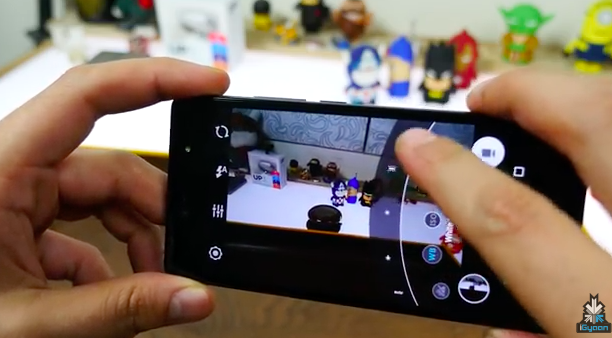
    The Canvas 5 actually has a great camera app with loads of modes and pro features like those found on flagship Samsung Galaxy phones. You also get an app that lets you retouch images and give the desired makeup that it needs.

    Canvas 5

    The device features a 13MP rear camera and a 5MP front with flash. The images taken by the primary camera are fairly decent and is quick at capturing images. The added professional modes like ISO, exposure compensations and white balance help you take that perfect shot. So, for a mid-range device, the Canvas 5 gives you a lot to play around with.

    Canvas 5 02

    The primary camera holds well under low light conditions and comes with standard Face Beauty and Smile Shutter features as well as Picture-in-Picture. The display of the device is a 1920x1080p panel with 480ppi which gives bright and vivid colours. So much so that it makes you want to switch on the phone even if you have nothing in particular to do. Outdoor visibility is decent, however, reflections on the screen can make it hard to see at certain angles.

    Phone Network and Battery

    The Canvas 5 joins the list of 4G network-ready Android phones this year along with the Moto G (Gen 3) and the OnePlus X.

    A 2,900mAh battery lets you use the device for a whole day. Heavy usage will let the Canvas 5 serve you till the evening before requiring another round of charging. Charging the Canvas 5 takes a while, and if you happen to use a different cable for charging, you’ll get a notification telling you the charging is slow asking you to use an original charger.

    Micromax Canvas 5 20

    Some neat features like ‘Smart Awake’ lets you access some apps like music player and camera without having to switch on your device. Simply make a pattern of C on the screen when on standby mode and the camera app will open. Similarly, drawing M will open up the music player. This is a neat way to save some juice.

    The Canvas 5 gives up to 9 hours of talktime (3G) and around 6-7 hours of internet surfing on a single charge.

    • Talk Time : 9 hours
    • Standby : 275 hours
    • Internet : 7 hours
    • Music : 9 hours
    • Gaming : 2.5 hours

    Conclusion

    The Canvas 5 has a lot going for it and a lot that needs improvements still. A superb design and build quality along with great display and good performance makes this device worth every penny. Few things that could hold the device back, though, are the bloatware, the occasional heating issues, and most importantly, the poor after-sales service. The Canvas 5 is a pretty solid smartphone in its range and should definitely be an option if you’re in the market for budget devices.


  • Do You Use Your Smartphone While Driving?

    Do You Use Your Smartphone While Driving?

    A poll conducted in the US revealed that a vast number of people use smartphones while driving. The survey was conducted with 1300 people and about 80% of the participants confessed to using their smartphones while driving. However the frequency of the usage varied across users.

    It seems technology is only getting more and more life-threatening every day. You may think your latest selfie is cool enough to be posted on Facebook immediately, but it’s definitely not cool enough for you to risk your life over it. Surprise, surprise.

    [poll id=”36″]

  • Qiku Q Terra: Unboxing and Hands-On

    Qiku Q Terra: Unboxing and Hands-On

    There is something unique about the Chinese smartphone companies. They just keep on coming with phone after phone that look pretty great. Qiku is the latest entrant in the smartphone game. The joint venture Qiku Network Technologies Co Ltd launched its first phone, the Q Terra, around two weeks ago priced at Rs. 19,999 (with invite) and Rs. 21,999 (without invite).

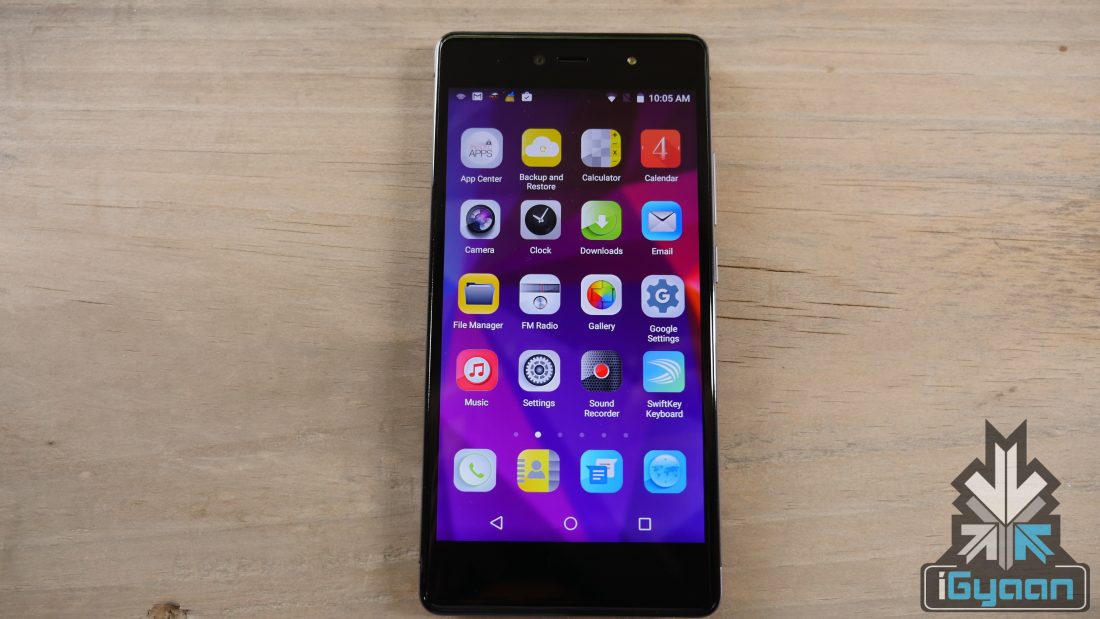
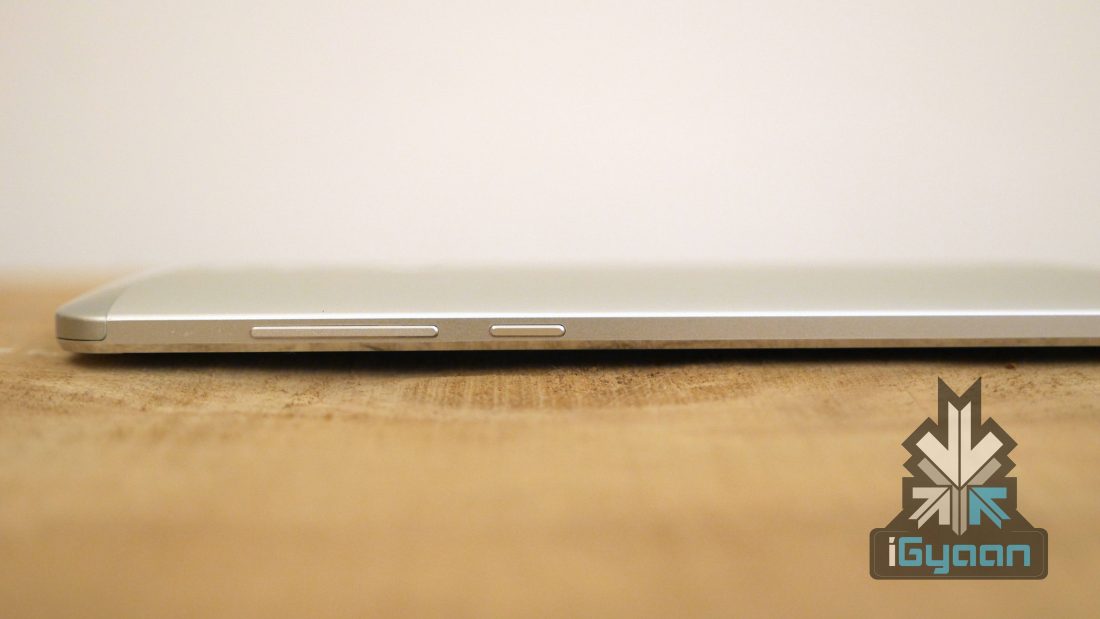
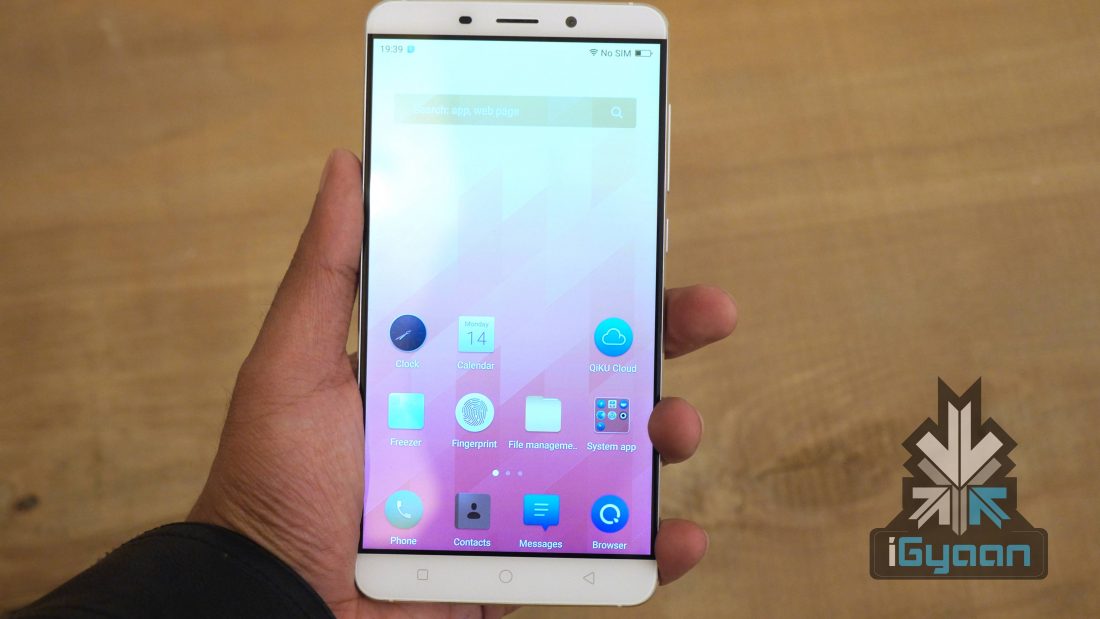
    The Qiku (pronounced cheeku) Q Terra is a massive phone. The 6.0-inch screen does indeed look big especially when the display covers the sides end-to-end. The phone is on the bulky side, however the smooth metallic finish with a curved design makes it great to hold.

    qiku terra 8
     The Qiku Q Terra is powered by the Qualcomm Snapdragon 808 64-bit processor  and comes with a 3GB RAM. Along with this it also has a 16GB of internal storage capacity that is expandable up to 128GB. It has a 6 inch FHD display with 1080 X 1920 pixel resolution.
    qiku terra 12
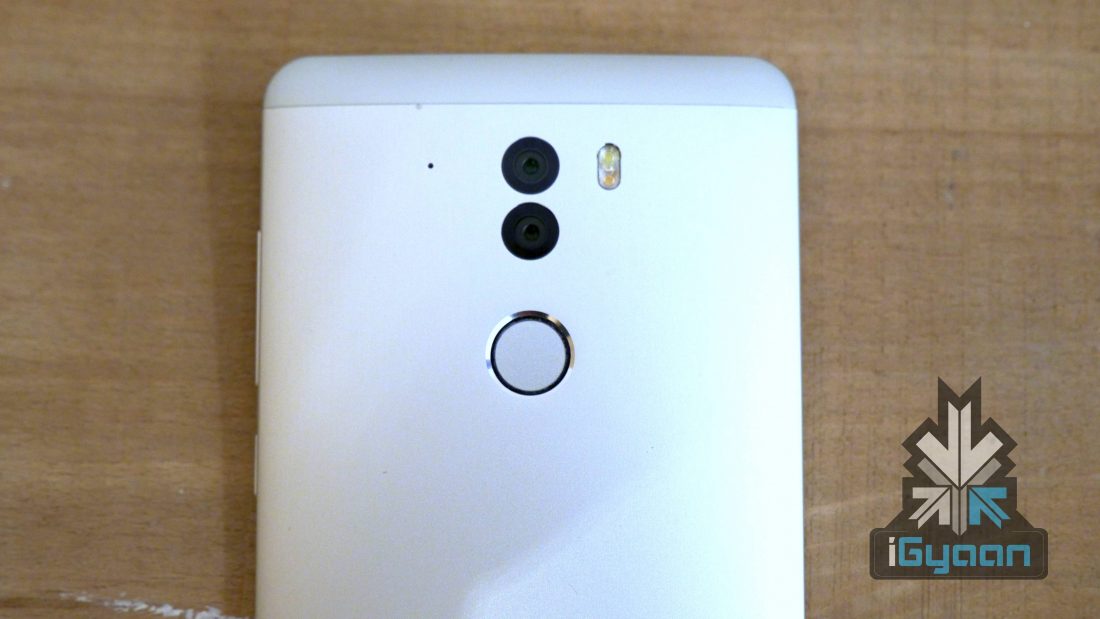
    The exterior incorporates a magnalium alloy unibody, made from aluminum alloy.On the camera front the Q terra uses a DuoScopic Camera System that integrates two 13MP Sony back cameras – a IMX278 color sensor along with a B/W IMX214 sensor. Adding to this, the phone also offers an 8MP front camera with f/2.4 aperture.
    qiku terra 1
    Android 5.1.1 Lollipop-based 360 OS, which is a custom ROM built by Qihoo 360. You won’t find an app drawer here but the overall UI is snappy and fluid. The display of the Qiku Q Terra is quite clear, and bright, and does equally well both indoors and outdoors.
    The Qiku Q Terra comes with a dual camera set-up with 13-megapixel on the rear with autofocus and dual-LED flash. There’s also an 8-megapixel camera on the front.
    qiku terra 14
    The 3,700mAh battery is big and will provide you with enough and more juice to last you through the day. Whether or not the company’s decision to have an invite system is right or not is up for debate. The device itself is pretty solid in this price bracket. Let us know what you think of the Qiku Q Terra in the comments below.
    Specification Qiku Q Terra
    Display 6-inch full HD display, Corning Gorilla Glass 3
    Resolution 1920×1080 pixels, 386 ppi
    Dimensions 157.60 x 79.80 x 8.60 mm
    Weight 207g
    Chipset Qualcomm Snapdragon 808
    CPU 2.3 GHz Quad-core processor
    GPU Adreno 430
    RAM 3 GB
    Front Camera 8 MP f/2.4
    Rear Camera 13 MP f/2.2
    Storage 16 GB
    Expandability Up to 128 GB via MicoSD
    Battery 3,700 mAh battery
    Connectivity Wi-Fi 2.4 GHz b/g/n WCN3680 / Bluetooth 4.0/ 4G LTE
    Operating System Android 5.1.1 Lollipop-based 360 OS
    Price Rs. 19,999 (invite)/ Rs. 21,999 (without invite)
  • YU Yutopia Launch Pushed Back to December 17

    YU Yutopia Launch Pushed Back to December 17

    Those eagerly awaiting the new YU Yutopia launch will have to wait a little more. Micromax’s YU Televentures was originally planning to launch the phone on December 7, but has now pushed the date back. YU Televentures’ Rahul Sharma tweeted that the ‘most powerful phone’ will now launch on December 17.

    The company has been teasing the device’s capabilities on social media for a while now, posting images taken by Yutopia’s camera. The reason behind the delay, according to the company’s spokesperson, is that they have two smartphones lined up for release and decided to hold a single event for it. No word yet on what the mysterious second device will be.

    Follow this space for more on the upcoming launch event.


iGyaan Network
Privacy Overview

This website uses cookies so that we can provide you with the best user experience possible. Cookie information is stored in your browser and performs functions such as recognising you when you return to our website and helping our team to understand which sections of the website you find most interesting and useful.