Tag: research

  • Agent Smith Malware Affects 25 Million Android Devices

    Agent Smith Malware Affects 25 Million Android Devices

    The world’s most popular mobile OS, Android has once again been subjected to a wide scale malicious attack. A security firm “Check Point” discovered a new malware which replace portions of known apps with its own code. Noteworthy, the malware has affected more than 25 milion devices around the globe, out of which 15 million are in India alone. 

    According to Check Point, the malware is named “Agent Smith” and is designed to target known vulnerabilities  of the Android operating system. The application was revealed to partially replace code on legitimate apps with malicious code. Notably, the whole process was exectuted without the knowledge or permission of the device owner.agent smith malware
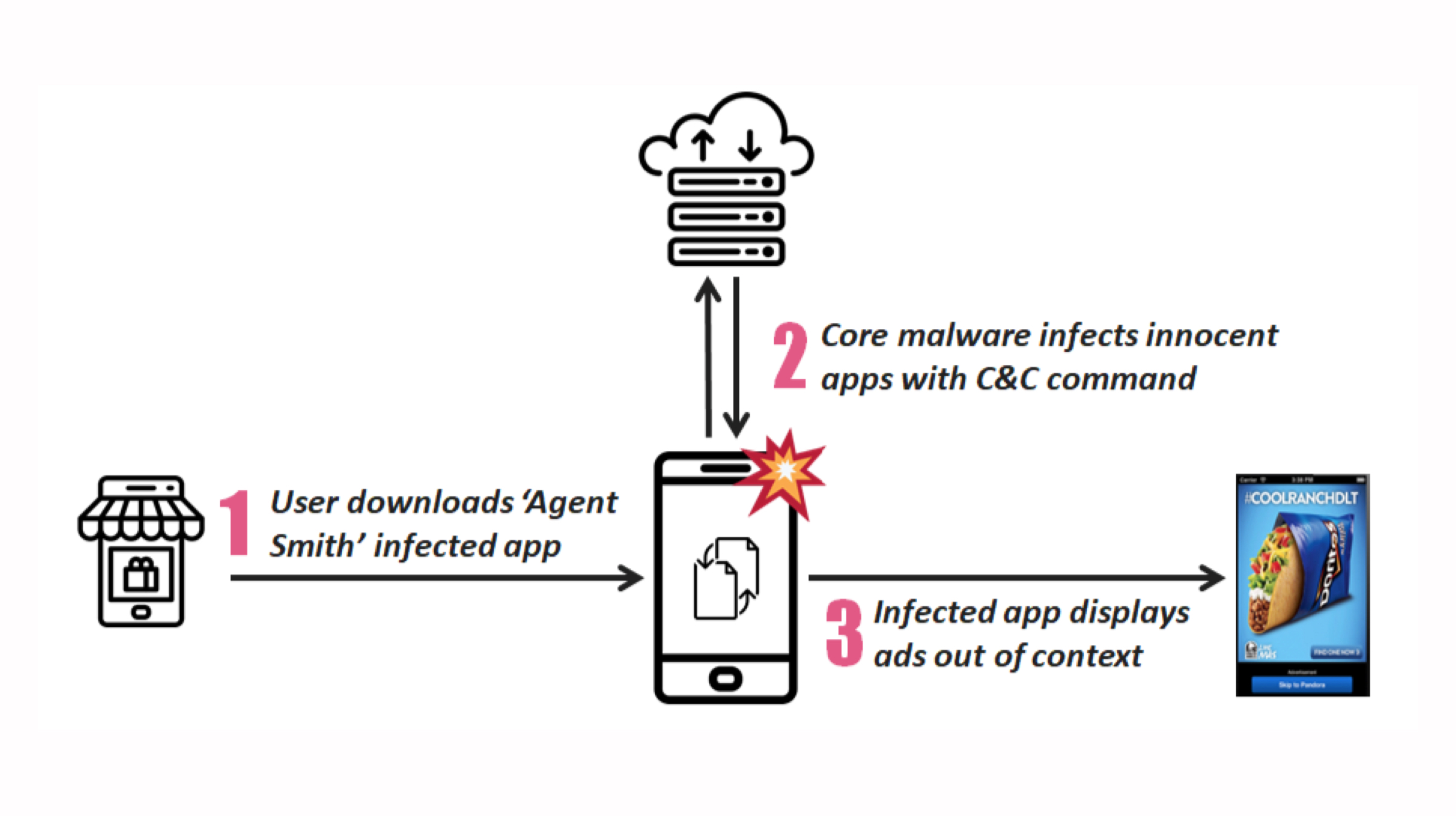
    Surprisingly, the malware is not intended to steal user data, instead, it injected the infected apps with lines of  code so that they display advertisements. The developer would earn ad credits whenever a user with infected applications would watch or click on the display advertisements. Therfore, the developer could gain monetary value with the whole scheme. agent smith malware
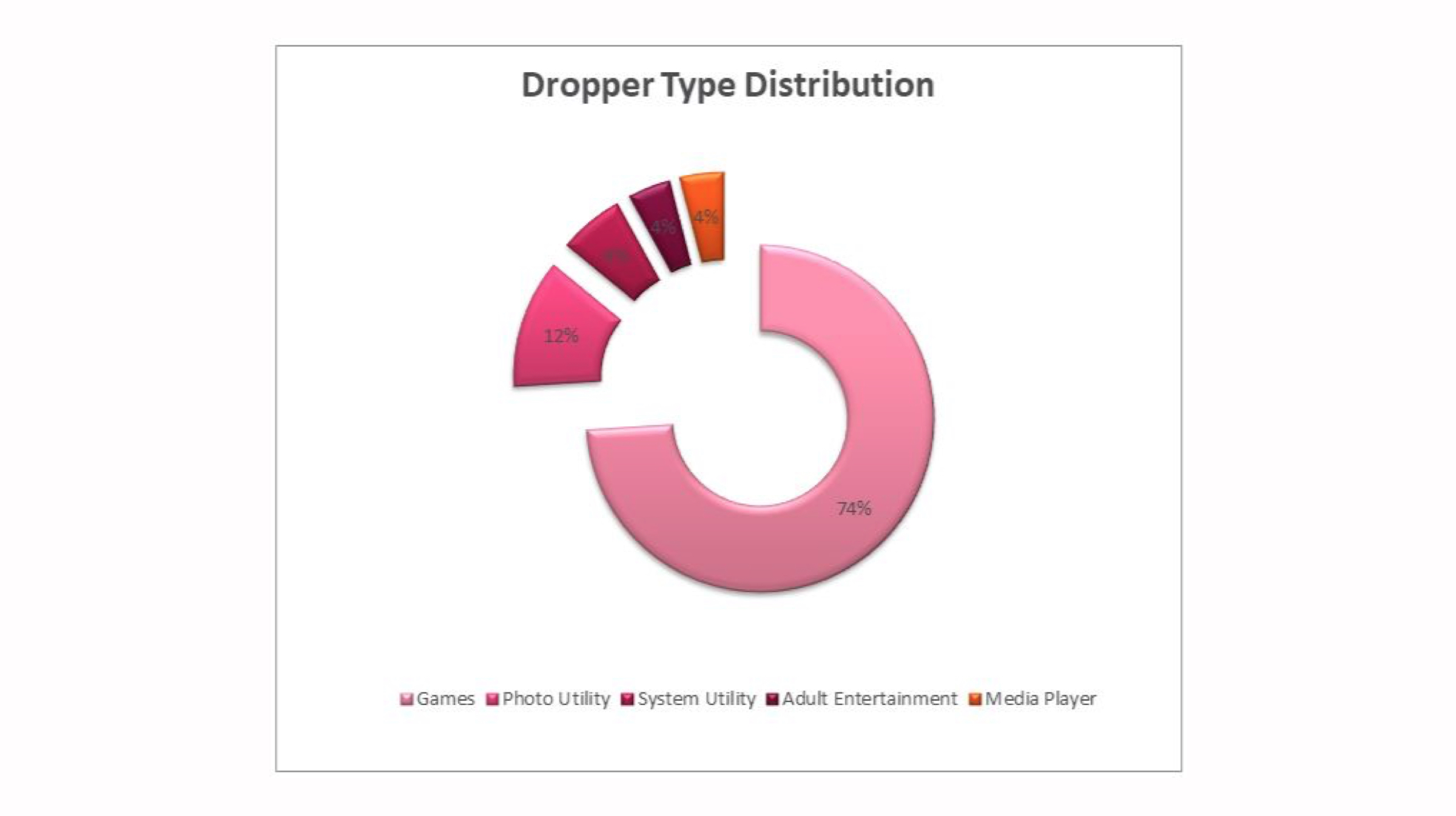
    The reserach agency revealed that the Agent Smith malware mainly targeted well-known apps like WhatsApp and Flipkart, therefore, accounting for the astounding reach it had. The source of the malicious app was traced back to a third party application store which is called 9Apps. The malware was concealed in programs like games, video players and adult entertainment apps which have high demand. agent smith malware
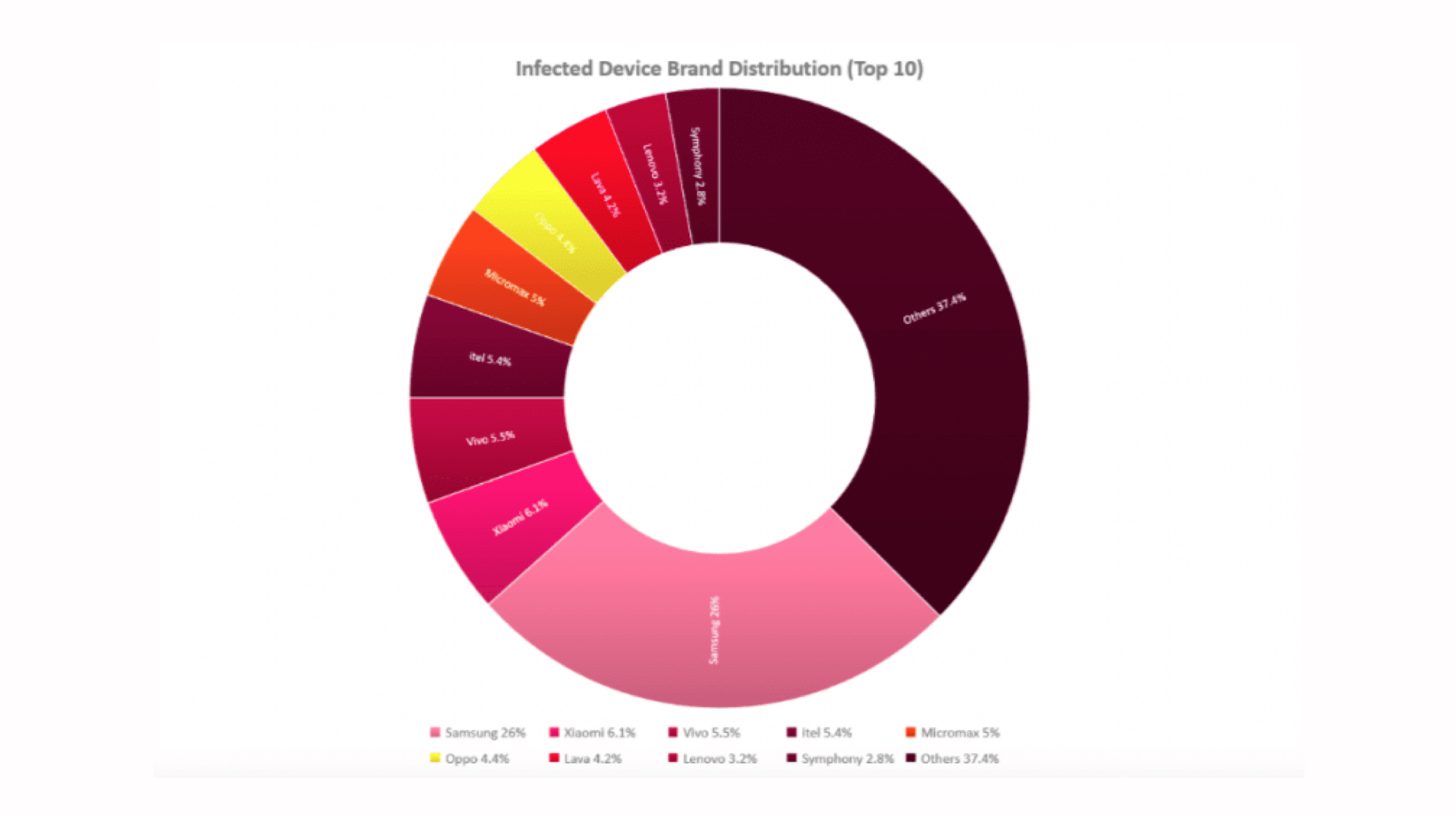
    Check Point also shared a donut graph that shows the distribution of malware on smartphones manufactured by OEMs. At over 26 percent, Samsung device owners carry the maximum share in the information representaion tool. 

    Aside from 15 million Indian smartphones, the malware was even able to spread onto 3,00,000 devices in the US. Surprisingly, the exploits used by the malware to execute the infection process were patched several years ago. However, a large number of developers did not update their respective applications. 

    Also Read:  Apple Will Soon Launch Multiple New iPad Models

    This is just one security breach that has made out to the public. It wont be wrong to assume that several other cases like this still remain covered. Conclusively, in this day and era of widespread technology, nothing seems to be truly safe regardless of security measures that are implented. 
  • OnePlus Now Holds 2% Share In Premium Smartphone Market

    OnePlus Now Holds 2% Share In Premium Smartphone Market

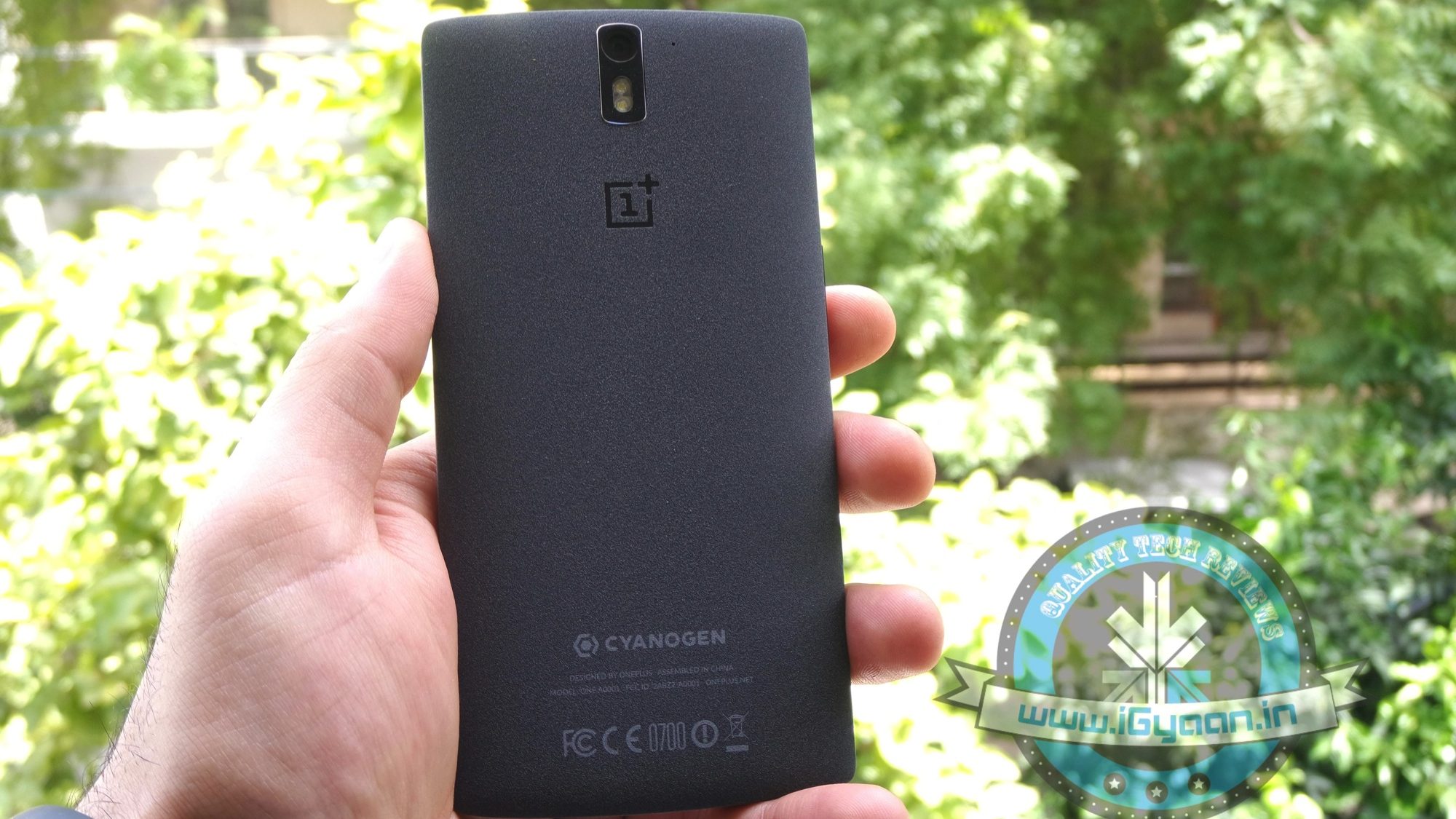
    Even though it has been six years since OnePlus came into existence, it is still a young company in comparison to the likes of Apple and Samsung. The company launched its first handset in the year 2013 which was the OnePlus One. The device due to its worthy hardware and software received a warm welcome from the global audience.

    Following the successful launch of its first handset, the company has never looked back. A freshly shared report by counterpoint research has revealed intriguing findings of the company’s performance. The report states that OnePlus’ has managed to grow steadily, despite the fact that the global premium smartphone market fell by eight percent in Q1 2019. 

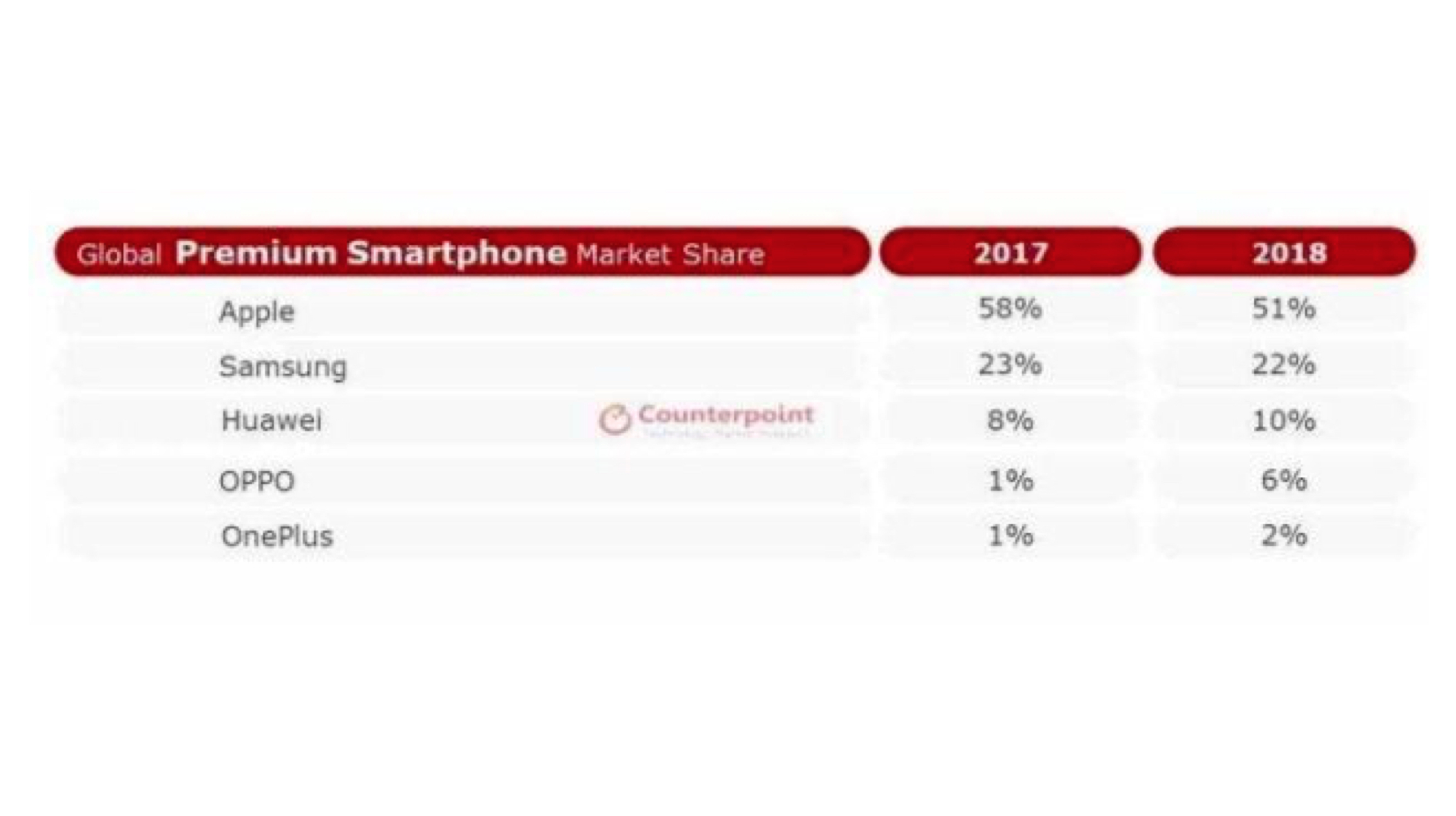
    Notably, the company now holds 2 percent of the global smartphone shipments in the premium segment. Considering the fact that it has been limited to China, India and European markets until the second half of 2018, this achievement is worthwhile for the company. 

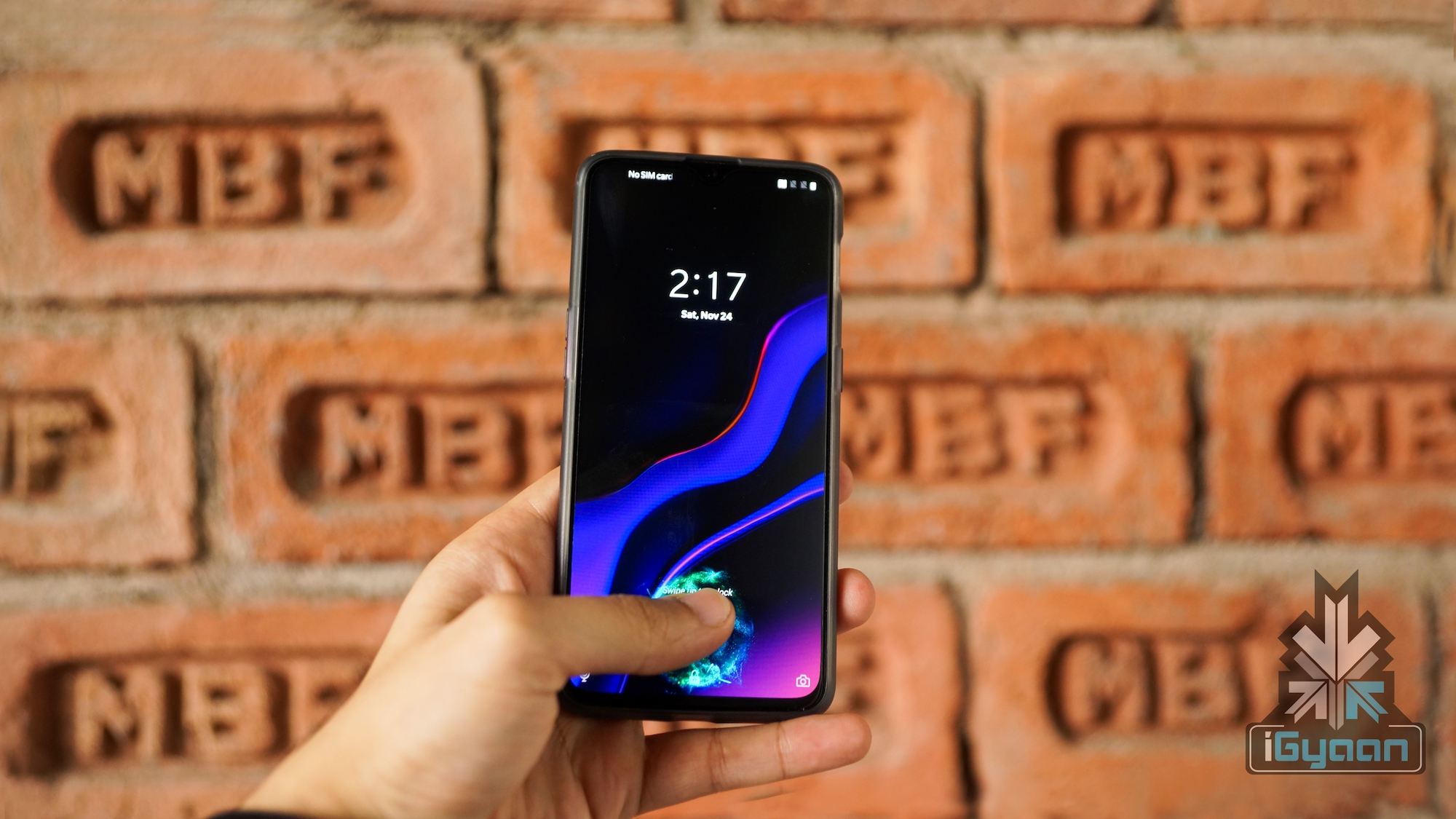
    The company has been registering strong growth since 2017. Notably, its sales increased over 45 percent in between the Q1 of 2017 and Q1 of 2018. Especially in India, the OnePlus 6T became the top selling premium smartphone. Besides, it is currently one of the top five smartphone companies in North America and has also recorded an upward graph in Western Europe.

    Apple iPhone 2020
    iPhone XR

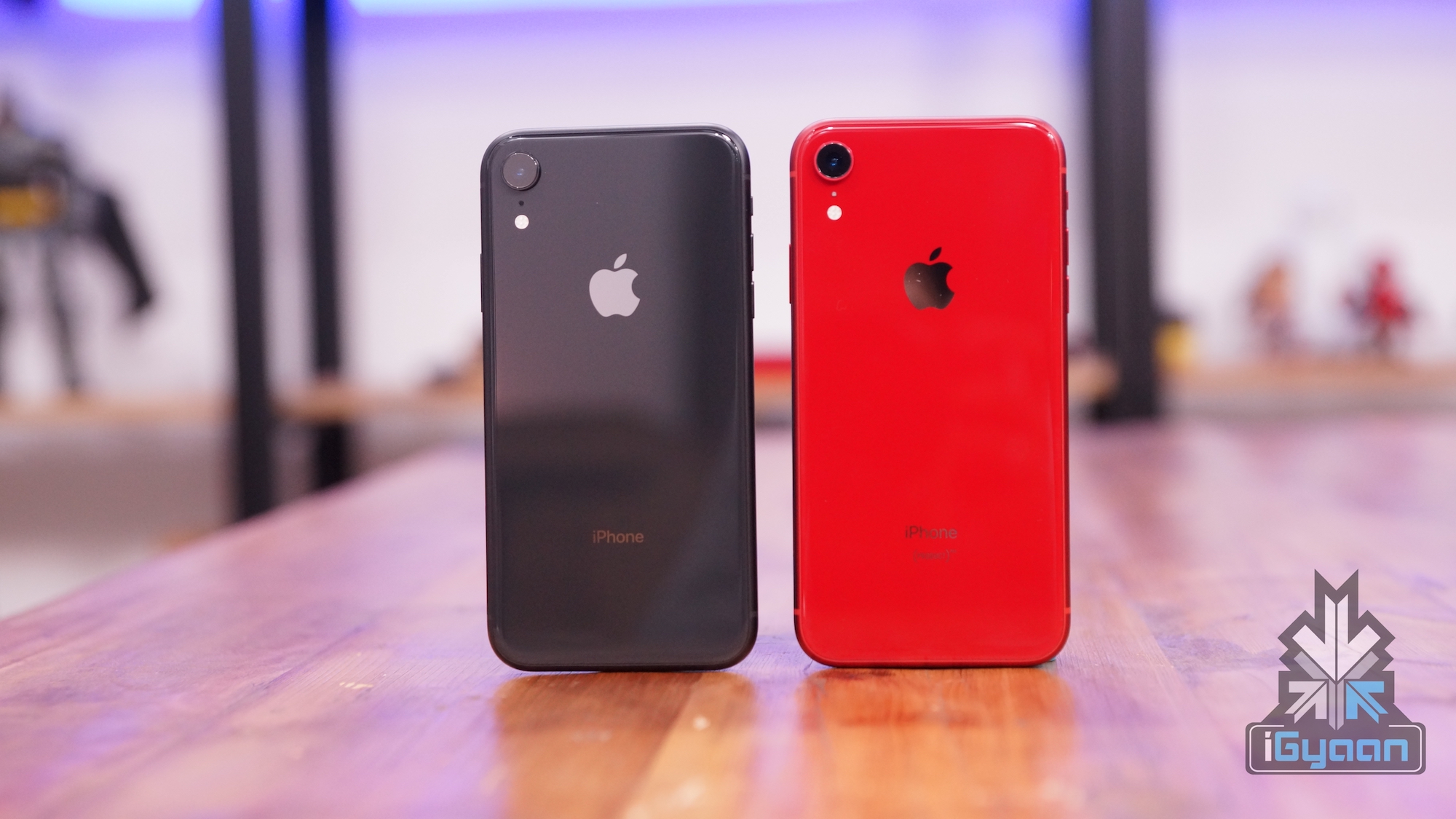
    In contrast, Apple which is the leader in the premium smartphone market saw a decline of 7 percent as it’s market share fell from 58 percent to 51 percent between the Q1 of 2017 and the subsequent year. Likewise, the Korean giant, Samsung also recorded a slight drop in market share during the same time period as the market share fell from 23 percent to 22 percent.

    Following the launch of OnePlus 6T, the company registered its highest ever shipments in a single quarter (Q4 2018) in India. Falling into the footsteps of their predecessor, the company has launched two new handsets which include the OnePlus 7 and the OnePlus 7 Pro.

    OnePlus, in a press letter boasting of its achievement is hyped up for the market performance of its current gen device in the coming time. The company aims to further increase it reach in the global premium smartphone.

    Also Read: Samsung Galaxy Note 10 To Pack In A Time Of Flight Sensor

    All in all, only time will tell what the future beholds for the company.

  • Researchers Have Successfully Converted Type A Blood To Type O

    Researchers Have Successfully Converted Type A Blood To Type O

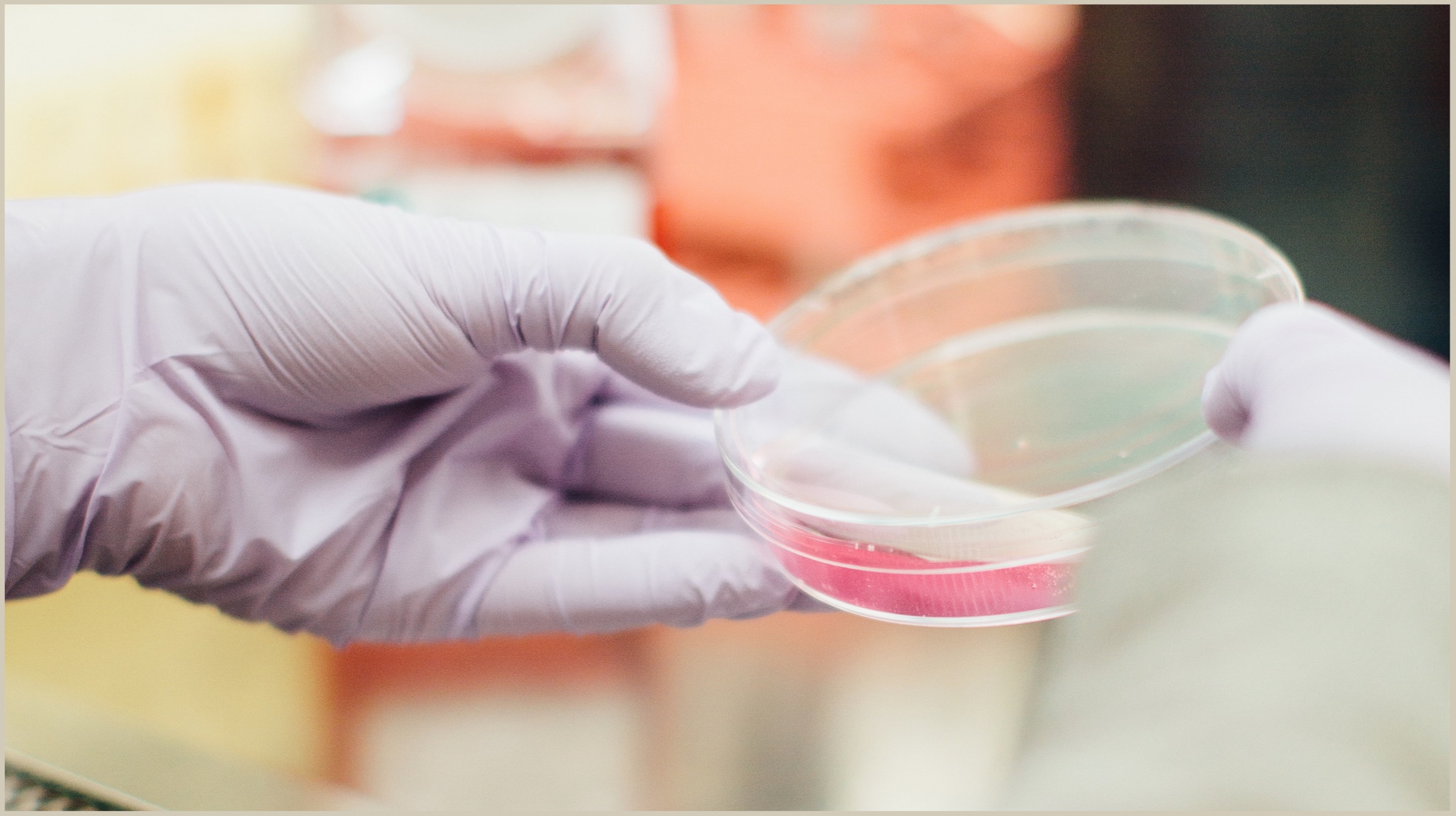
    A huge number of people perish each year across the globe due to a shortage of blood transfusion stocks. On paper, almost 55 million litres of blood is donated annually worldwide, but in reality, incompatibility between the blood types implies that a person may not always receive a transfusion. However, researchers at the University of British Columbia have discovered a method using which type A blood can be converted into type O universal blood type. 

    Type O blood is compatible with anyone who has Rhesus (Rh) positive blood. Hence, it is considered as the universal blood type, since it can be transfused with anyone who has A+, B+, AB+, or O+ blood, which comprises about 75% of the total population. Postdoctoral researcher Peter Rahfeld has discovered a way via which enzymes can be used to transform type A red blood cells into universal type O blood cells. As per reports, this development can potentially double the stock of transfusion blood in the world.

    If a person with type A blood is accidentally transfused with type B blood, the B antigens present in the transfused blood would cause the anti-B antibodies to attack the blood cells in a fatal manner, which would consequently result in the death of the person. On the other hand, type O red blood cells don’t have both the A and B antigens on their surface, instead, they harbour a neutral “H” antigen instead. This means anyone can be compatible with the aforementioned blood type.

    Also Read: Samsung’s 64 MP Sensor To Debut In A Redmi Smartphone

    In order to convert blood types, the lead researcher and his team have made use of a bacterial enzyme that resides in the human gut to remove all traces of A antigens simply by converting them into H antigens. They further identified genes that encode two enzymes which can remove facilitating components of the A antigen. When the enzymes were added to type A blood, they stripped the blood of all A type antigens, essentially converting them to Universal Type O cells. These findings may significantly increase the number of lives saved across the globe. However, it will take a fair share of time for this research to be applied to humans on a large scale. 

  • MIT Develops Algorithm To Help Robots Predict Human Movements

    MIT Develops Algorithm To Help Robots Predict Human Movements

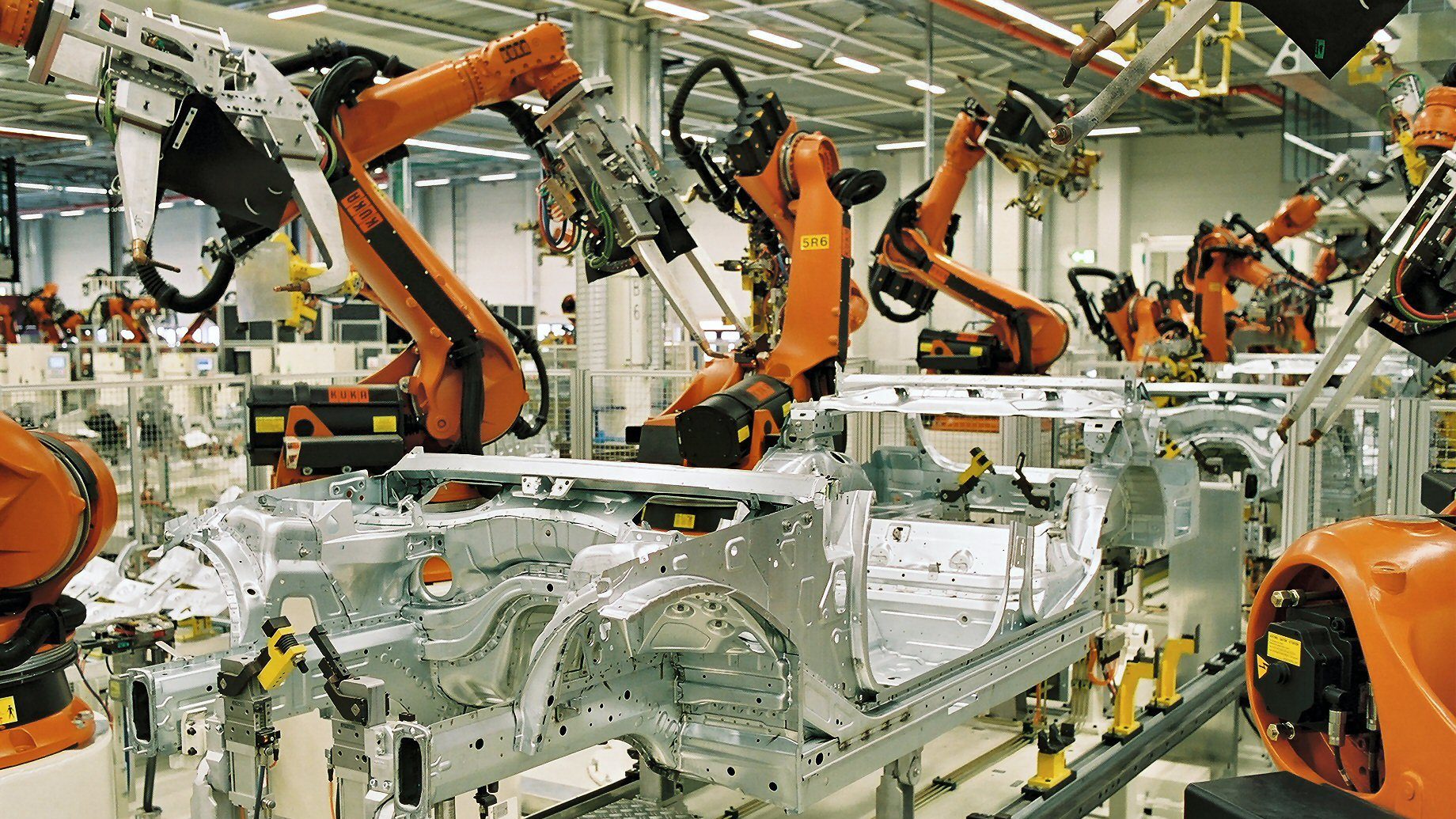
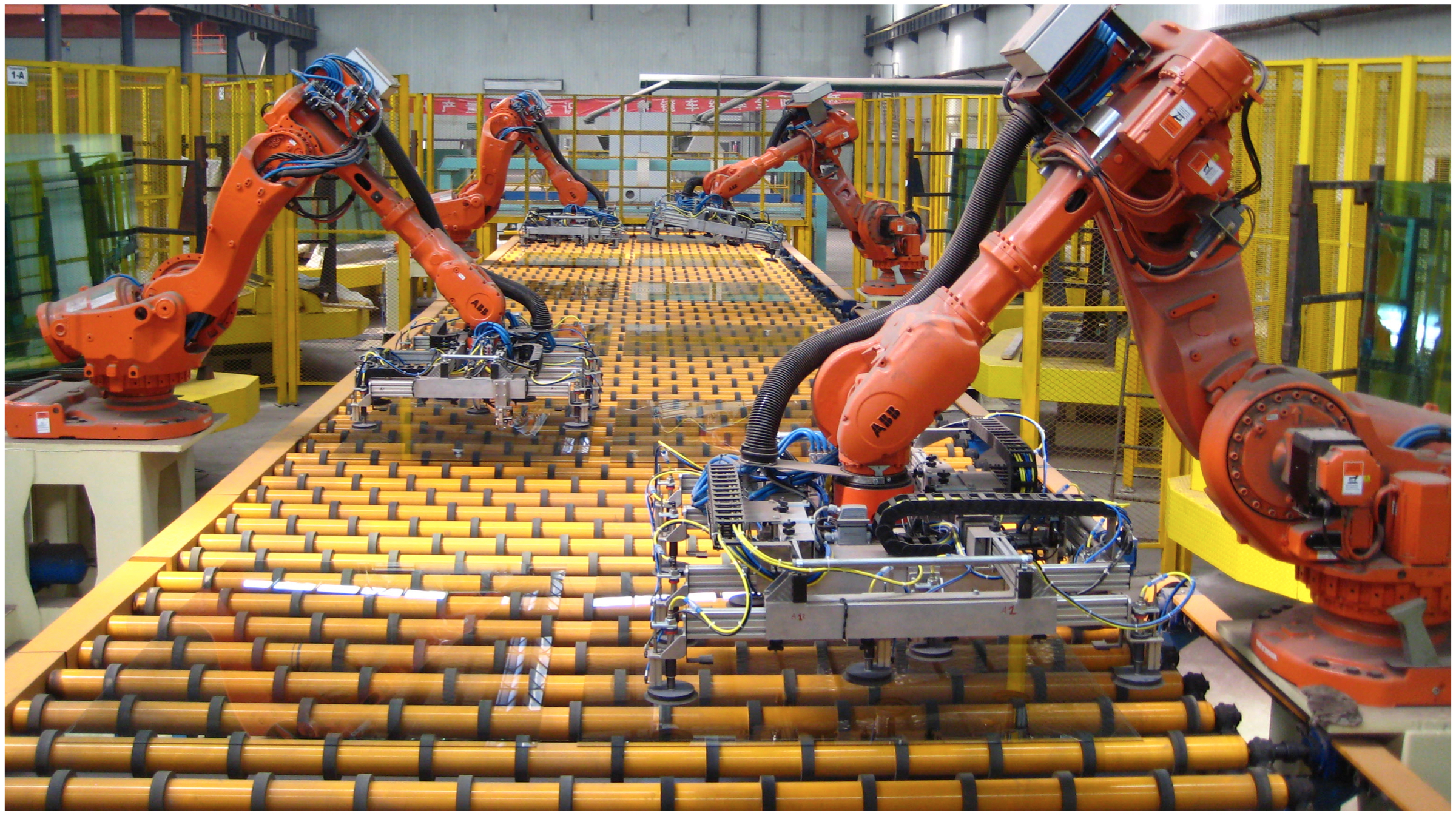
    Robots and humans are capable of functioning in close proximity to each other. For instance, in factories, robots assemble the moving parts of a machine, while the human workforce is responsible for transporting different parts between workstations. However, some hindrances might lead to unexpected slowdowns, consequently reducing the efficiency of the whole system. Hence, researchers at MIT have designed an algorithm that can predict where humans will go next.

    In the year 2018, MIT researchers and BMW automobiles were testing ways where humans and robots could collaborate to speed up car assemblies. In such an instance, robots were programmed to pause momentarily whenever a human passes close by. However, it was noted that the robots would literally freeze and held their state for a long time instead of resuming their functions. Such unnecessary pauses would translate to a huge loss in efficiency. The researchers at MIT came up with a solution for the same. 

    Humans And Robots

    The team discovered that the major problem lies in the robot’s trajectory alignment algorithms. The pre-fed algorithms could accurately predict a human’s future movements, but the major limitation resided in its ability to predict how long would a person take to move to any point in the predicted path. A new algorithm was developed by the MIT research team which anticipates the timing of a person’s motion in addition to guessing his/her movements.  When the algorithm was applied, it was derived that the robot became much more responsive than before. Instead of freezing in place when someone walked by, the robot simply rolled out of the way and resumed later.

    Humans And RobotsAlso Read: Samsung Launches The 292 Inch, 8K Wall Luxury TV

    Julie Shah, a member of the team stated that the algorithm mimics human motion to such an extent that the robot can understand and monitor pauses in natural movement. The results of the latest studies and research will be presented at the Robotics: Science and Systems conference in Germany.

  • New Lab Test Can Predict Spread Of Breast Cancer Cells

    New Lab Test Can Predict Spread Of Breast Cancer Cells

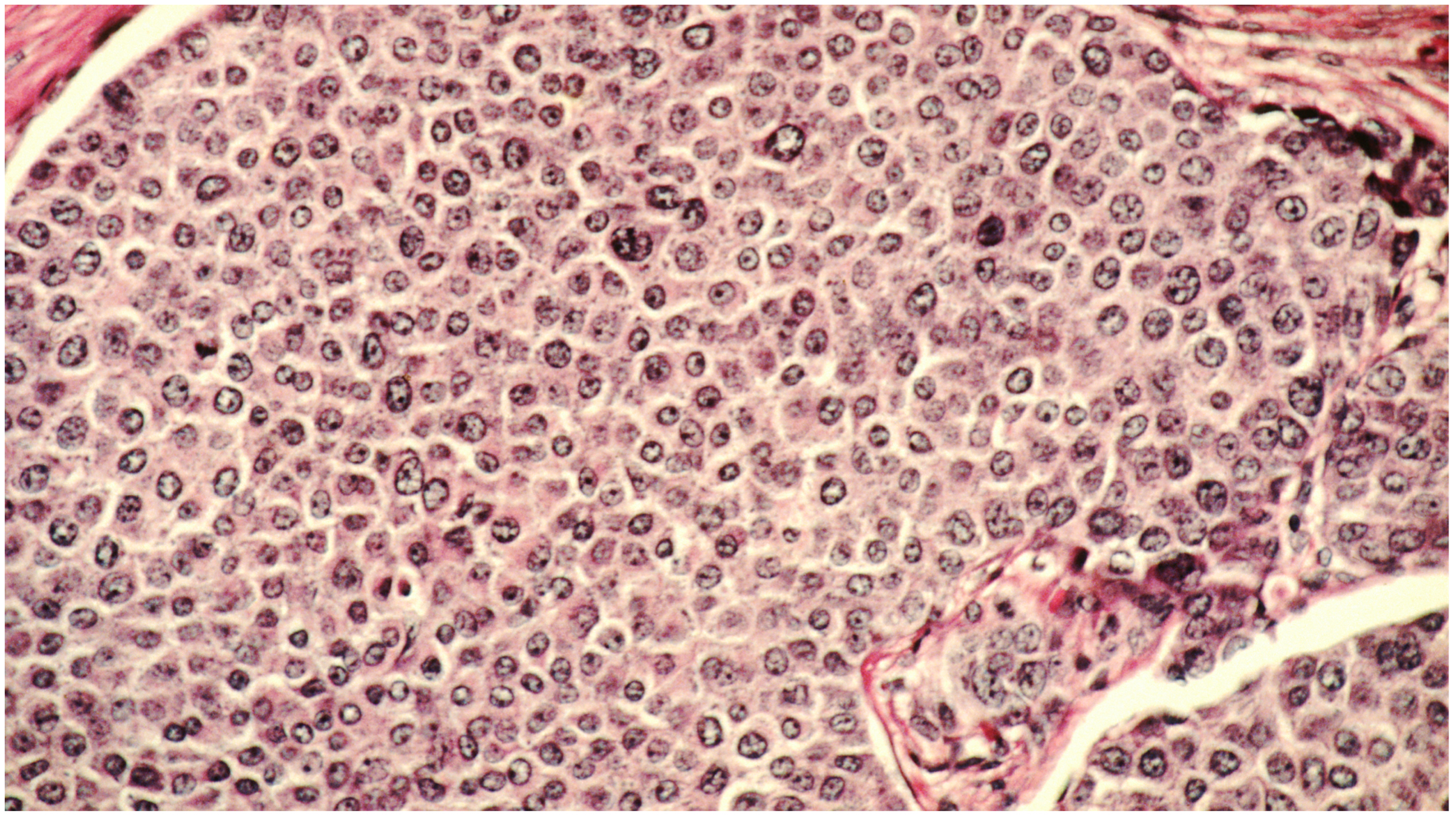
    Breast Cancer is one of the most common forms of cancer known to mankind, with more than 2.09 million woman affected by it each year. As per latest reports, Researchers at the John Hopkins University (USA) have discovered a test that can induce cancer cells to push through narrow spaces, helping them to predict the form of the malignant/non-malignant tumour. Furthermore, the test may also help to track the spread of the cancer to other sites.

    Cancer TestThe test has been patented with the name “Microfluidic Array for the quantification of Cell Invasion”, or MAqCI. The technique makes use of a device to analyze the primary features of metastasis (cancer that has spread to other sites). Reports further state that the MAqCI device was accurate in its predictions regarding breast cancer cell lines and of tumours that were grown in animals. 
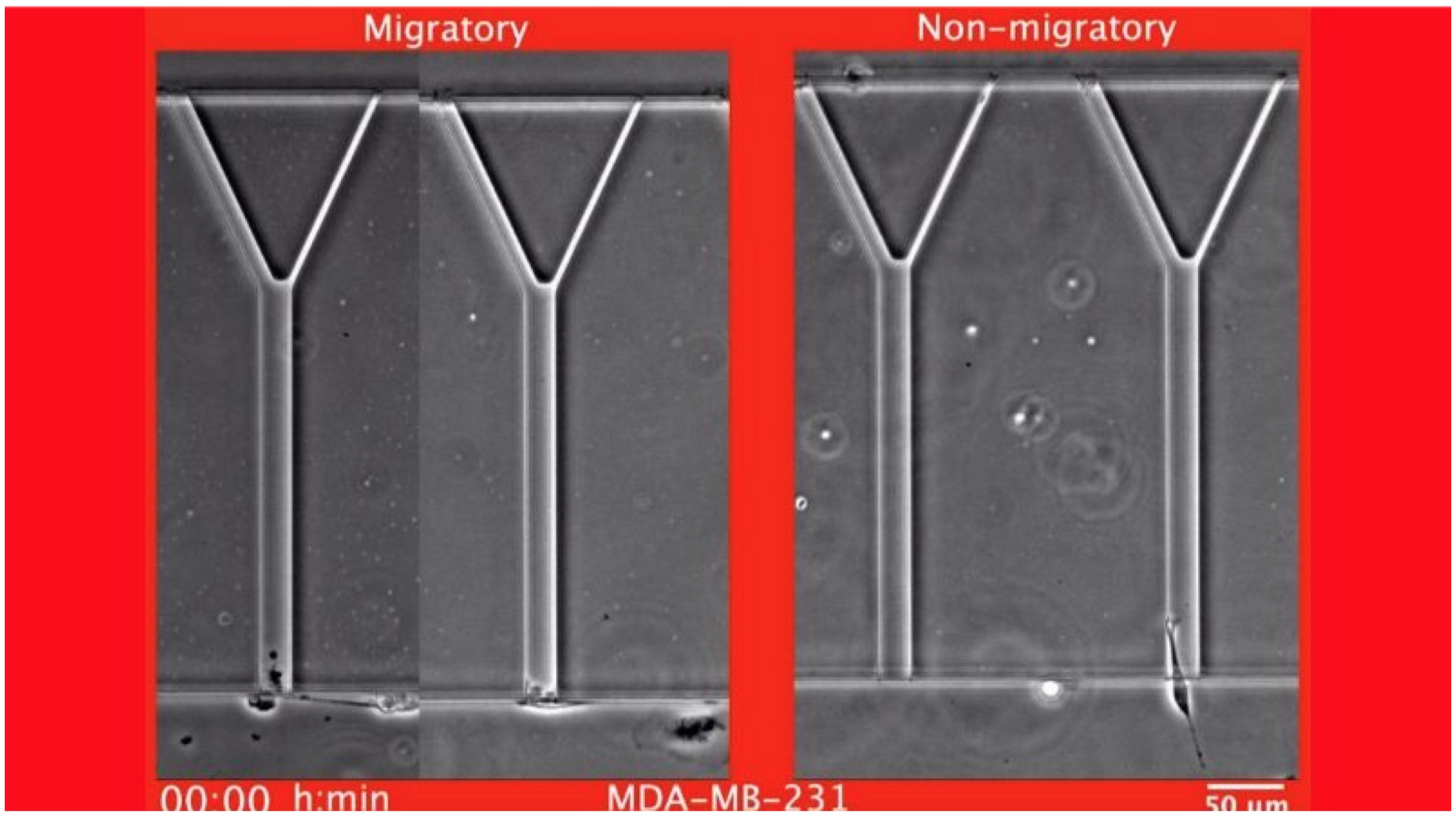
    Since a doctor cannot really predict with confidence whether the cancer mass will be aggressive in the future or not, tests like MAqCI become highly necessary to track the movement of the metastasis cancer. The major challenge, however, remains in the case that failure in the prediction of the cancer mass. This is because anonymity of the metastasis can lead to overtreatment in some cases, leading to inadequate treatment methods. The new test will also help clinicians to choose the most compliant and necessary drugs to prevent the spread of malignant cells. 
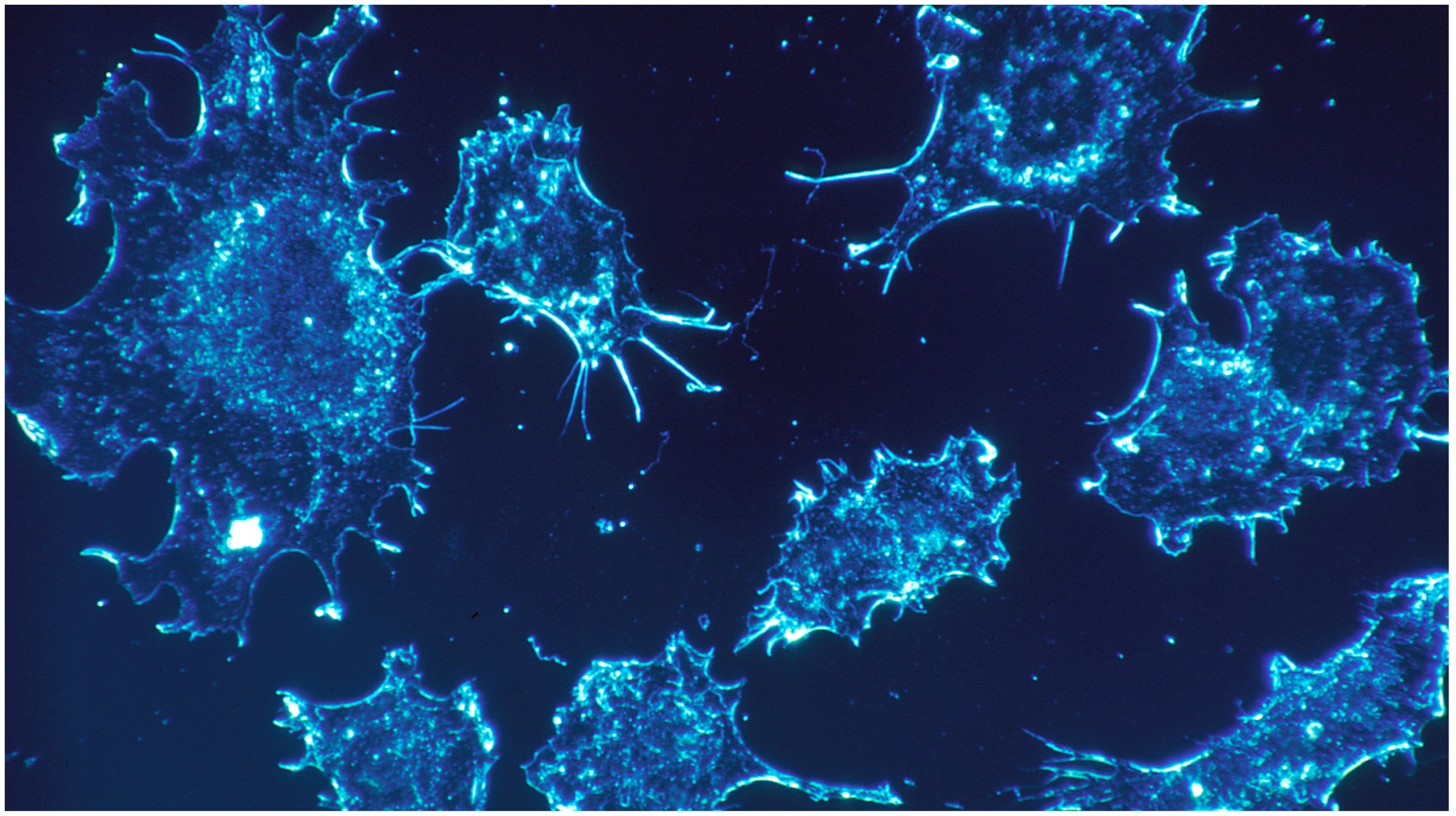
    Breast Cancer Cells

    Also Read: Unlocking Bootloader OnePlus 7 Pro Results In Loss Of Widevine L1

    Once the cancer cells are able to squeeze through, the specimens can be used for testing instead of regular biopsy, which may present errors in some cases. The finding of the researchers is illustrative regarding the different ways in which tumours respond to varied drugs. Furthermore, if future studies are able to affirm the extended capability of the MAqCI test, scientists can use it to effectively monitor the tendency of cells to move to other tissues and organs. This in turn may help them to prevent the malignant cells from doing so.  

  • Space Crafts May Survive Collisions Thanks To Origami Inspired Materials

    Space Crafts May Survive Collisions Thanks To Origami Inspired Materials

    Space collisions are a very common occurrence, considering that 128 million pieces of debris is floating around in space. A small marble-sized piece of debris can deal a significant amount of damage to a spacecraft. Furthermore, while landing, a lot of force is exerted by reusable rockets on both the ends i.e. the landing pad and the rocket itself. In order to make space vehicles more durable to withstand such collisions, scientists are taking design ideas from the Japanese paper-folding art, also popularly known as Origami. 

    Origami Space RocketResearchers from the University of Washington have derived inspiration from Origami techniques and have developed a solution that can serve to keep spacecrafts safe from collisions. They are designing materials that can withstand huge amounts of forces and pressure in space. The paper model of the “demo” material implements the incorporation of “folding creases” that forms a basis of Origami models, which in turn cushions the impact forces consequently reducing the chance of material rupture. 

    Space RocketAlso Read: ARM Announces New Design For Upcoming CPU And GPU

    When two objects collide with force, a “push” is exerted by one object on the other. Instead, when the meta-material collides with another object, it exerts a form of “pull” by the time the energy dissipates through to you. This considerably nullifies the chance of such an object tearing through such a surface. Comparing the meta-material to Legos, a member of the research team stated that a number of different structures can be designed by repeatedly using the same type of building block over and over again. Using this technique, researchers can create never-seen-before material structures with unprecedented properties. 


  • Google Trained Its AI To Learn Depth Perception From YouTube’s Mannequin Challenge

    Google Trained Its AI To Learn Depth Perception From YouTube’s Mannequin Challenge

    Google’s latest blog post had focused on how depth perception works in videos where both the subject and the camera are in motion. A huge amount of data and footage was required for the study that aimed at training an AI. The foundation for the AI’s training was to detect scenes where the camera was in motion but the subject remained stationary.

    Remarkable resourcefulness was shown as Google used its own source that was perfect for the job. YouTube (Google’s video sharing platform) had a vast amount of footage that fit the study’s required parameters. The Mannequin Challenge had a person and more often a group of people which stays perfectly still, anywhere from sitting to the bizarre handstands, while one person pans the camera around the still subjects (Mannequin’s) position.

    To train the AI to detect human figures in various different scenes, Google used approximately 2000 videos from YouTube on the Mannequin Challenge. Interestingly, when depth perception comes into play multiple cameras are generally utilized from different angles to sense depth. Google, on the other hand, taught its AI to create depth maps from footage that only had one view, i.e perception from a single camera unit.

    Google

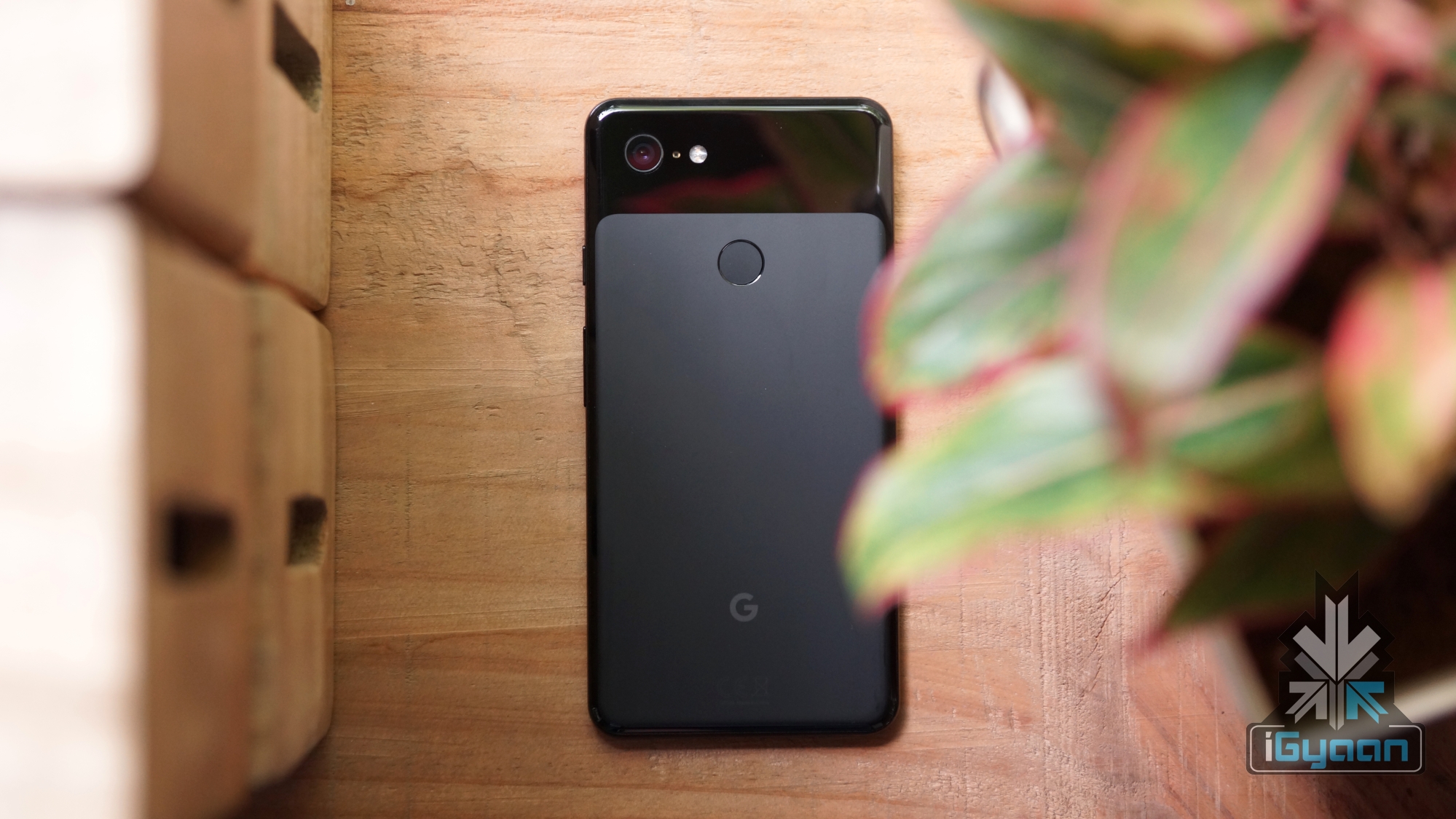
    With the Pixel line up of Google smartphones, the company has already achieved similar results with its still images on portrait mode effect that produce the bokeh effect. The benefit of the study extends towards the augmented reality that the company is known to dabble with, Playmojis from Google’s Playground is one such example.

    Also ReadHuawei’s Recess Could Provide Opportunities For Its Competitors In India

    If the feature arrives on videos, it’ll open up new and previously impossible effects in video capture such as live bokeh effect similar to the one found in most smartphones. This may also one day lead to 3D images and 2D scenes being shot on smartphone cameras. Google’s progress on the software spectrum proves that just hardware improvements are not always what lead to great strides in photography and videography.

  • US Researchers Produce Fuel By The Process Of Artificial Photosynthesis

    US Researchers Produce Fuel By The Process Of Artificial Photosynthesis

    Chemists at The University of Illinois have successfully produced fuels using using water, carbon dioxide and visible light through artificial photosynthesis. Natural photosynthesis occurs when plants use sunlight as a drive to start a chemical reaction between water and carbon dioxide to form energy-dense glucose.

    The new study as published by the researchers at Illinois showcased the development of the aforementioned method used by plants, using green light region from the visible light spectrum during natural photosynthesis, to convert carbon dioxide and water into fuel. The process has electron-rich gold nanoparticles acting as the catalyst. The team published their findings in the Nature Communications journal. The ‘Goal’ that the co-author of the study and professor, Prashant Jain, said was to produce complex, liquefiable hydrocarbons from excess carbon dioxide and other sustainable resources such as sunlight.

    The main advantages of liquid fuel over others such as gas is their economy in the mode of transport and their capacity to hold more densely packed energy due to their long chain bonds. Work regarding the efficiency and practical use of said fuel is still under question as a combustion to produce energy ends up releasing more carbon dioxide which would be counter-productive to the work towards renewable and clean energy.

    Photosynthesis

    The study is still under scrutiny as of now and work is still going forward towards a more efficient method of reproducing artificial photosynthesis as researchers acknowledged that the simulated process is nowhere as efficient as it is in plants. Jain furthermore spoke of working on the catalyst for a far better result before stepping up the scale of production.

    Also Read: Apple Sends Out Invites For WWDC 2019, iOS 13 To Be Unveiled On June 3

    Artificial Photosynthesis takes great strides towards a greener Earth. This showcases various teams and individuals all around the globe that have dedicated themselves towards the betterment of the state of affairs in regards to our planet.

  • Brain Aneurysms Can Be Treated With The Help Of A Cancer Drug

    Brain Aneurysms Can Be Treated With The Help Of A Cancer Drug

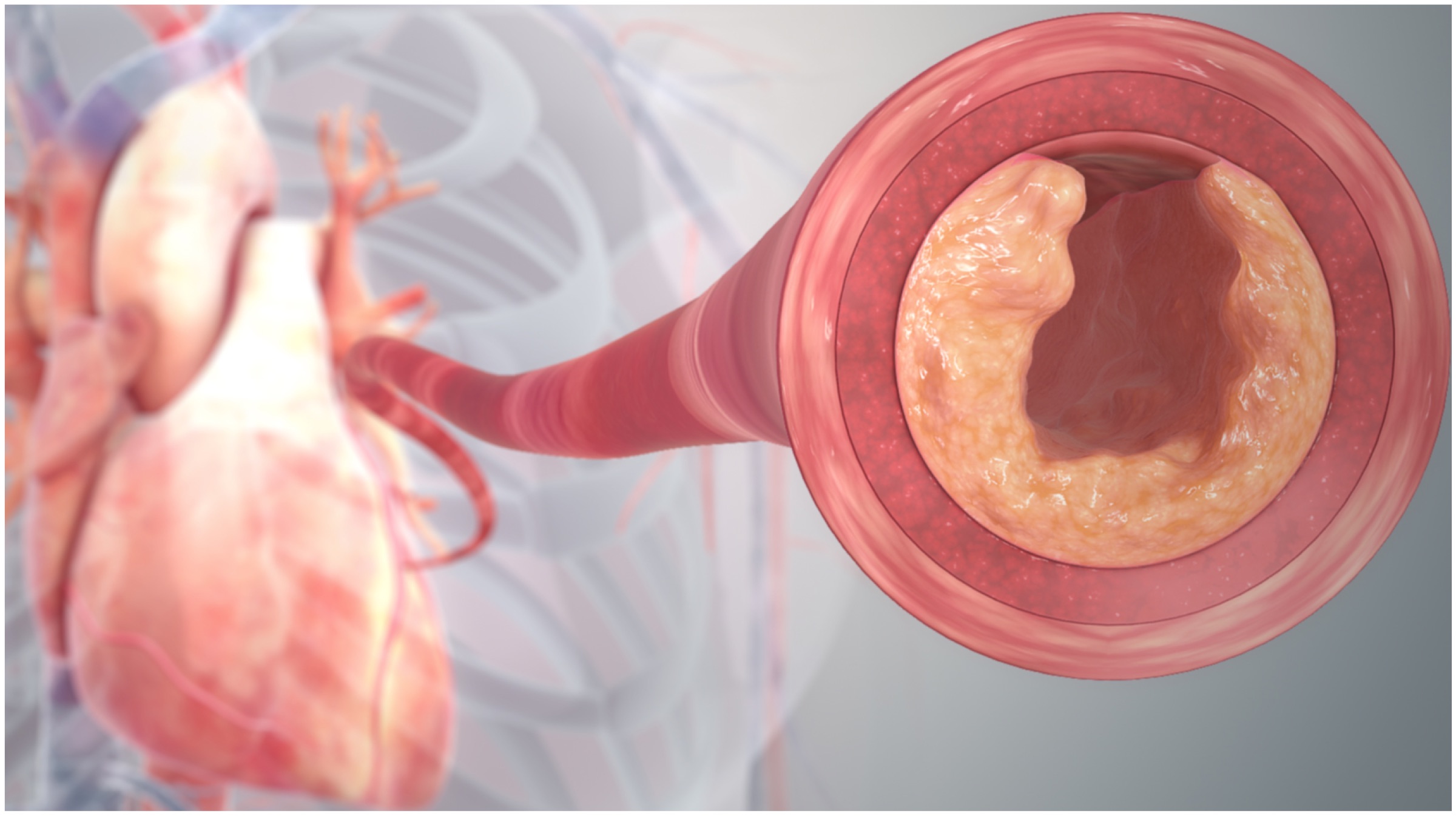
    Brain Aneurysms are caused when there is a bulge in a blood vessel caused by a weakness in its wall. When blood flows through the weakened vessel, the pressure causes the area to bulge outwards and cause problems in the surrounding regions. They commonly occur in the abdominal aorta and the brain. Aneurysms can affect any number of people, ranging from 1 in 100 to 1 in 20. Since its treatment is difficult, surgery is usually avoided, but in select cases, it becomes a necessity. In a notable research study, a class of cancer-treatment drugs can be used to treat patients with brain aneurysms.

    AneurysmScientists from the University of Sussex worked in a collaboration with researchers from the University of Washington School of Medicine in Seattle, USA. The treatment involves the usage of ‘Receptor tyrosine kinase inhibitors’; which is a class of drug currently being used to treat cancer. A number of complex DNA sequencing techniques were implemented, and a new genetic basis of a brain aneurysm form was identified. Manuel Ferreira states that the mutations in the aforementioned gene were completely different from the ones that were previously detected in brain aneurysms.
    Also Read: Google Releases Data Showing The Importance Of Recovery Phone Numbers

    Further reports state that multiple disease-associated mutations in PDGFRB (Platelet Derived Growth Factor Receptor Beta) was the major reason for a major abnormality in the protein that was encoded in the receptor. PDGFRB is a Protein Coding gene. Because of the abnormality, the activity of the protein is always set to “hyper-active”, which means that the gene associated with the protein is always “turned on”. As per the lead professor in the study, this discovery depicts how lab-derived observations can be upscaled to a clinical level, which can then be used to make revolutionary discoveries pertaining to healthcare and treatments. 

  • Rare Gene Mutations may prevent Coronary Heart Disease

    Rare Gene Mutations may prevent Coronary Heart Disease

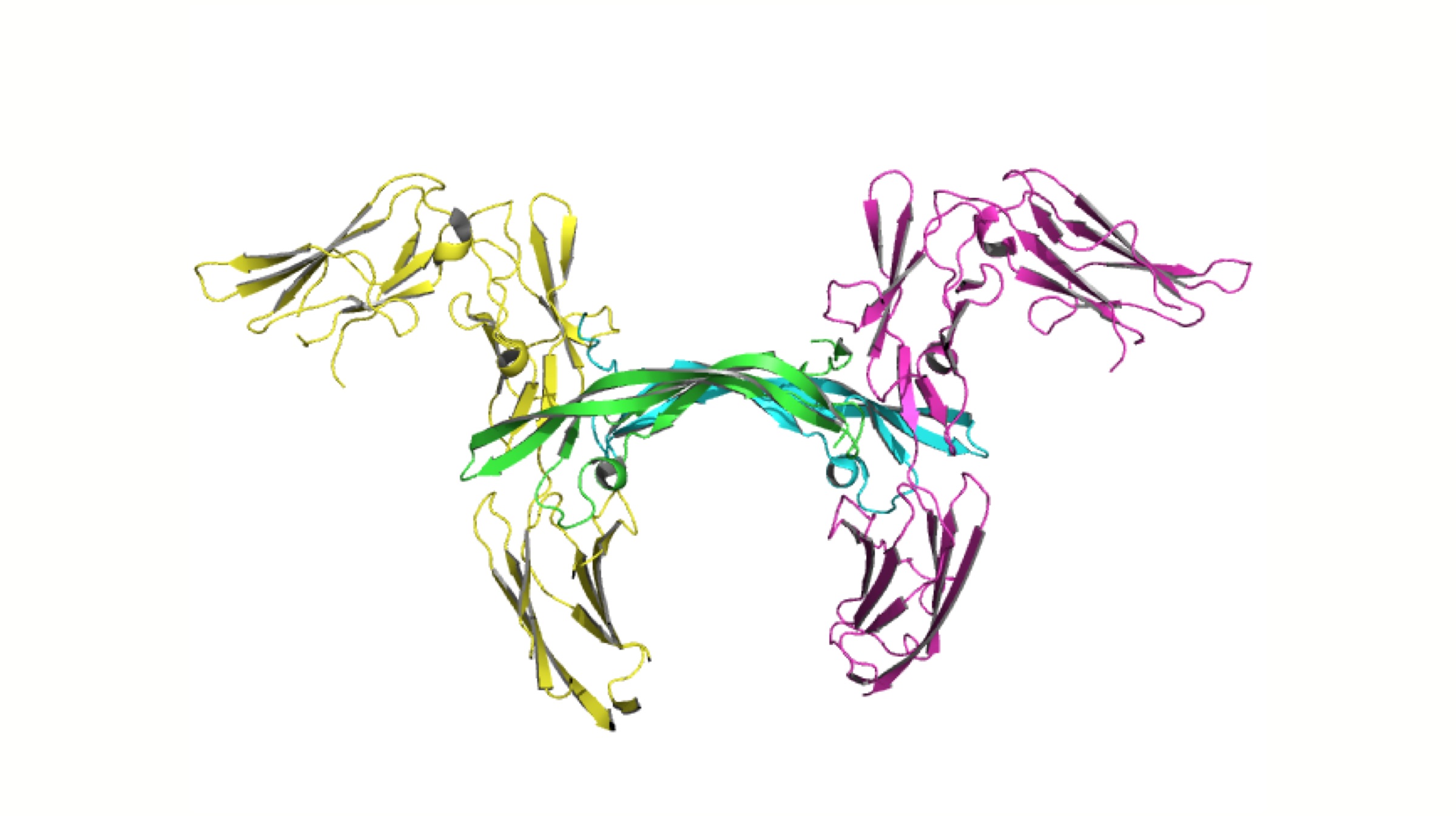
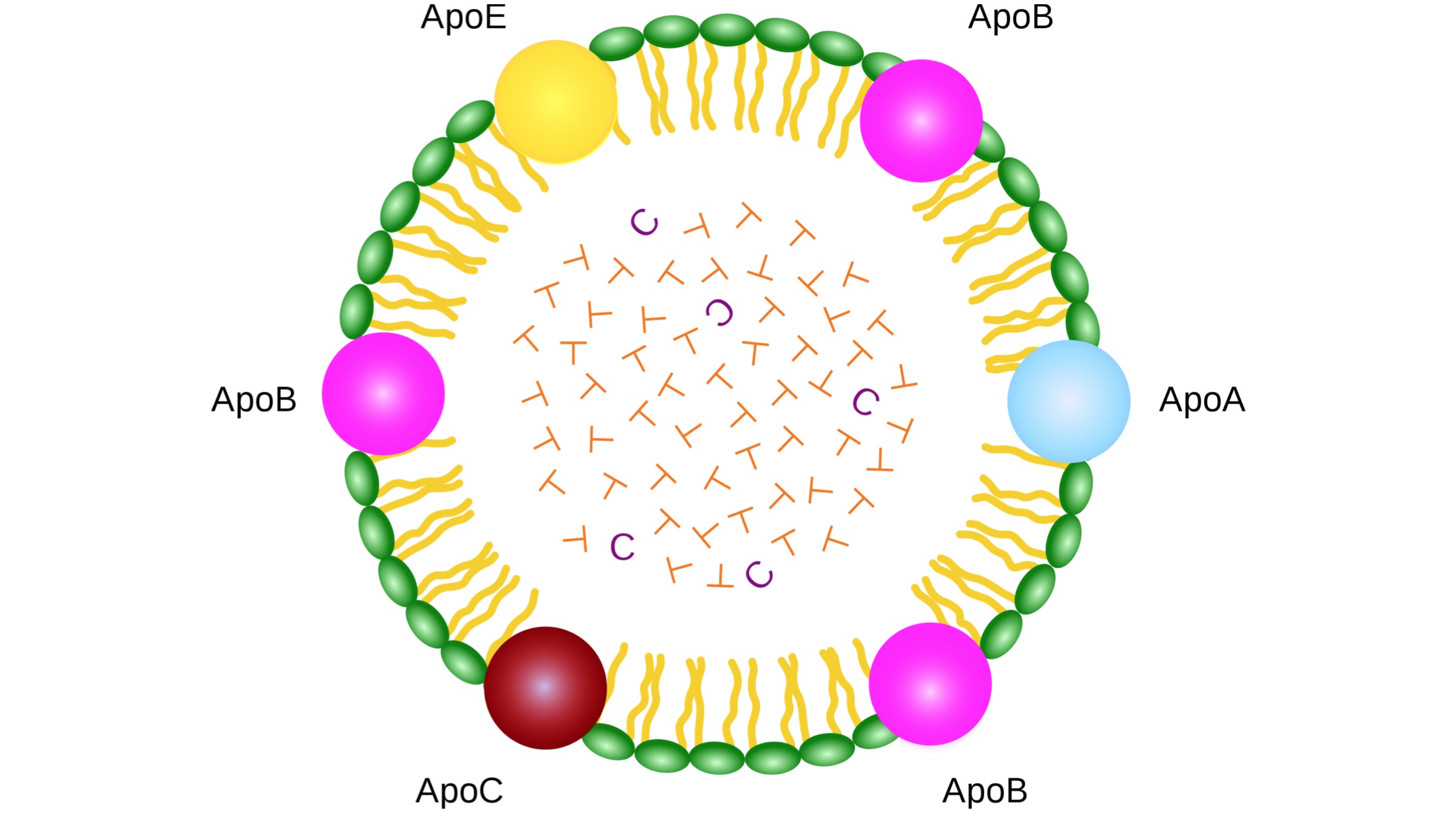
    As per statistics, more than 370,000 people die of coronary heart disease annually. The disease refers to a narrowing of the coronary arteries that supply oxygen and blood to the heart. As per latest research reports, a kind of rare gene mutation may prevent major heart diseases. Previously, scientists have abstained from targeting apolipoprotein B (APOB) gene because it carries a risk of fatty liver disease. However, naturally occurring mutation suggests otherwise. 

    The study was co-led by a researche from the Boston University of Public Health (BUSPH). The study unearths that protein truncating variants in the aforementioned apolipoprotein B (APOB) gene are directly linked to lower triglyceride and LDL cholesterol levels, which significantly lowers the risk of coronary heart disease by almost 72 percent. 

    What is FHBL?

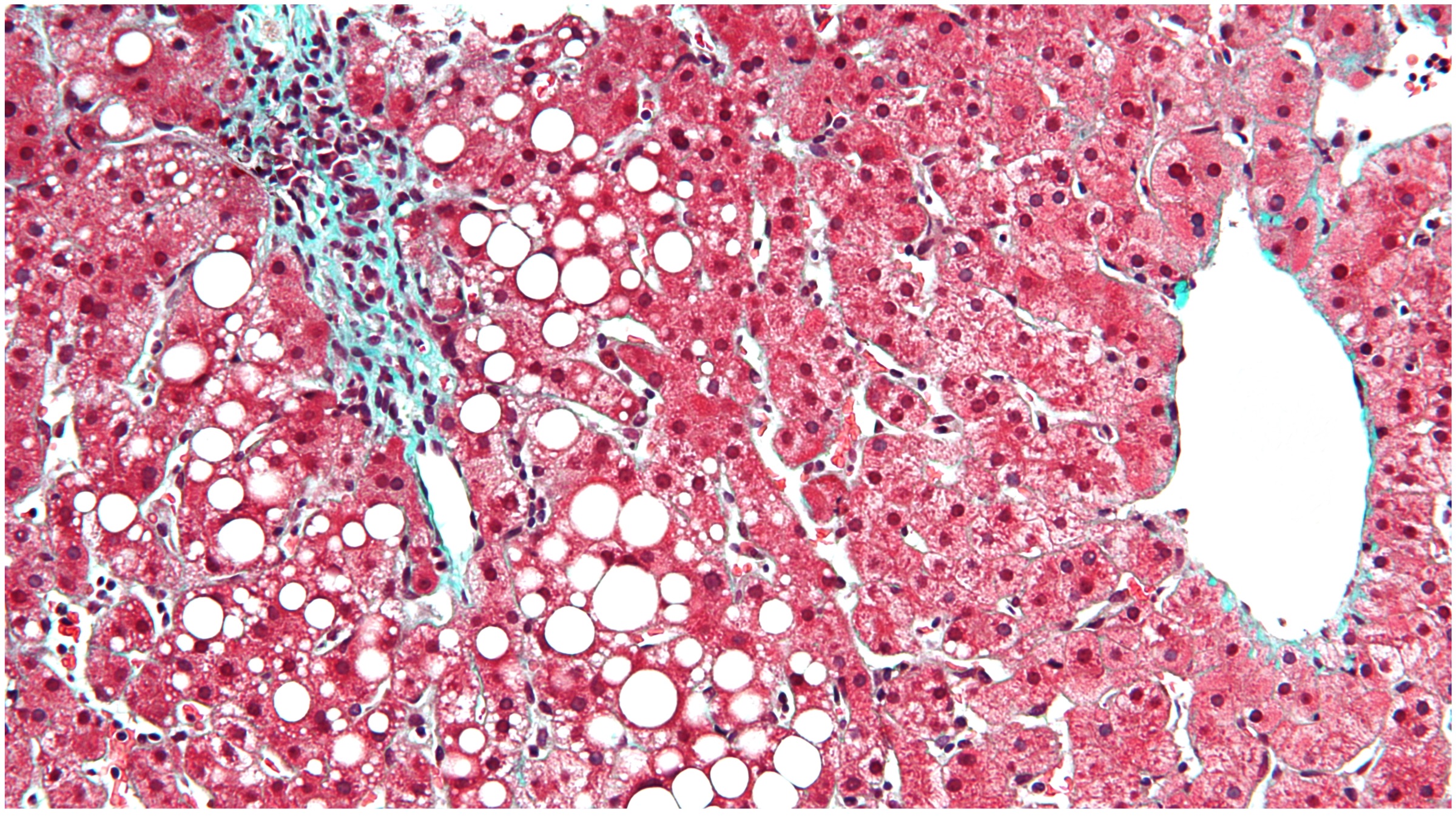
    Familial hypobetalipoproteinemia (FHBL) is a disorder that deprives the body of the ability to absorb and transport fats. The protein truncating genomes in the APOB are the major causes of the disorder. The people with FHBL are usually at a high risk of developing fatty liver disease. Using genetics, the researchers can target the gene responsible for the same and thereafter greatly reduce the risk of coronary heart disease. 

    Also Read: PUBG Mobile Season 7 Released, New Weapon, Skin Among Other Features Added

    The researchers sequenced the APOB gene in different members of almost 29 Japanese families with FHBL. Eight of the Japanese families had the previously mentioned protein-truncating variants in APOB, and the rest of individuals with one of those variants had lower LDL cholesterol levels than individuals who did not have an APOB variant. This clearly indicated that the carrying gene variants in APOB greatly reduce the risk of coronary heart disease. This discovery may lead to a massive reduction of such cases across the globe in the future. 

  • Scientists Discover Viruses That Can Target And Destroy Antibiotic Resistant Bacteria

    Scientists Discover Viruses That Can Target And Destroy Antibiotic Resistant Bacteria

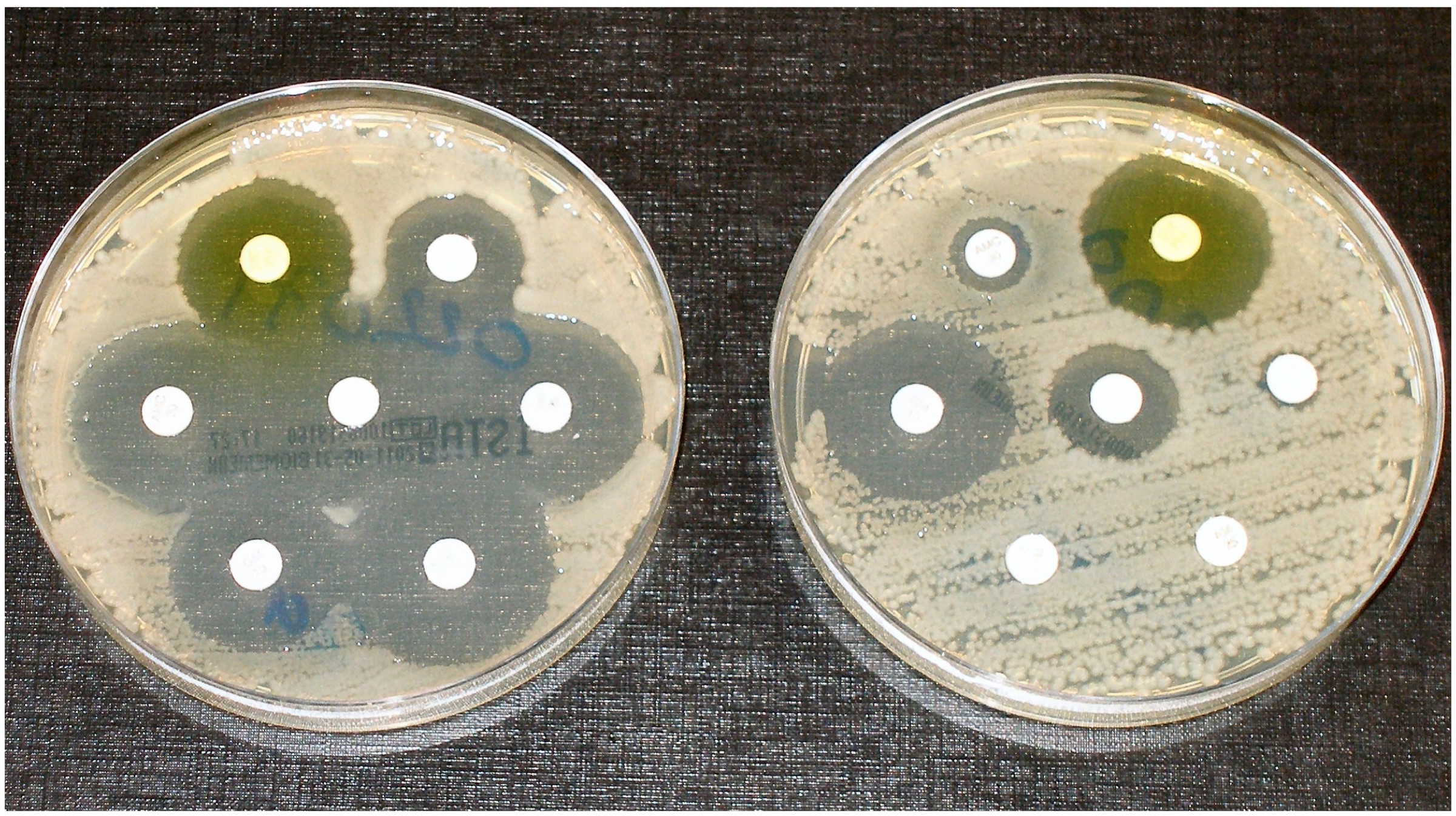
    Just 4 years after the mass production of Penicillin began, the world’s first antibiotic-resistant bacteria were discovered. Even today, Antibiotic-resistant bacteria can cause infections that are virtually untreatable, and therefore consequently fatal. A majority of bacterial strands are slowly growing resistant to the use of antibiotics. This may lead to an increase in infections worldwide in the coming years. However, researchers have investigated a category of viruses, known as Bacteriophages which may able to counter the aforementioned bacterial strands.

    What Are Bacteriophages?

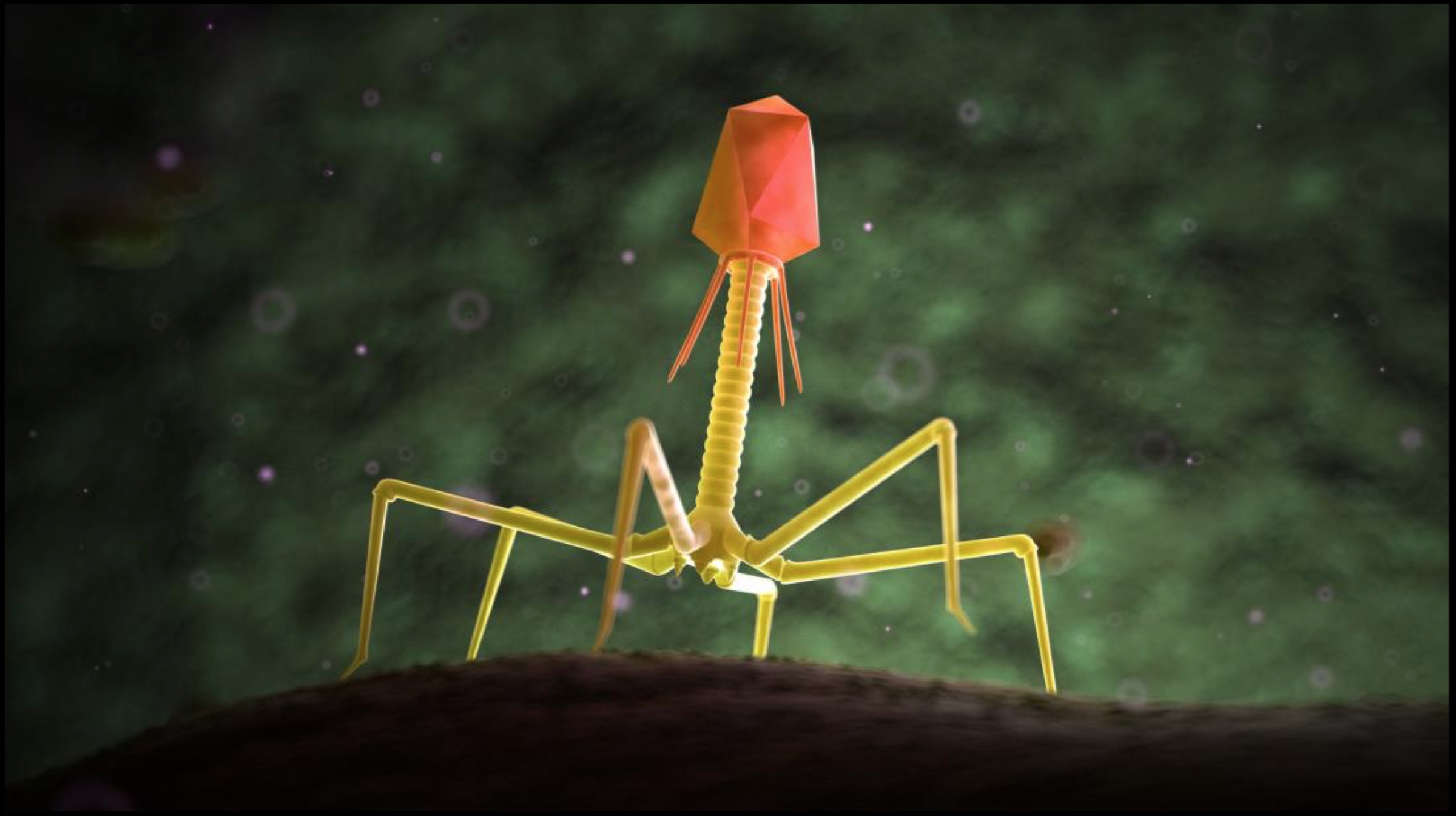
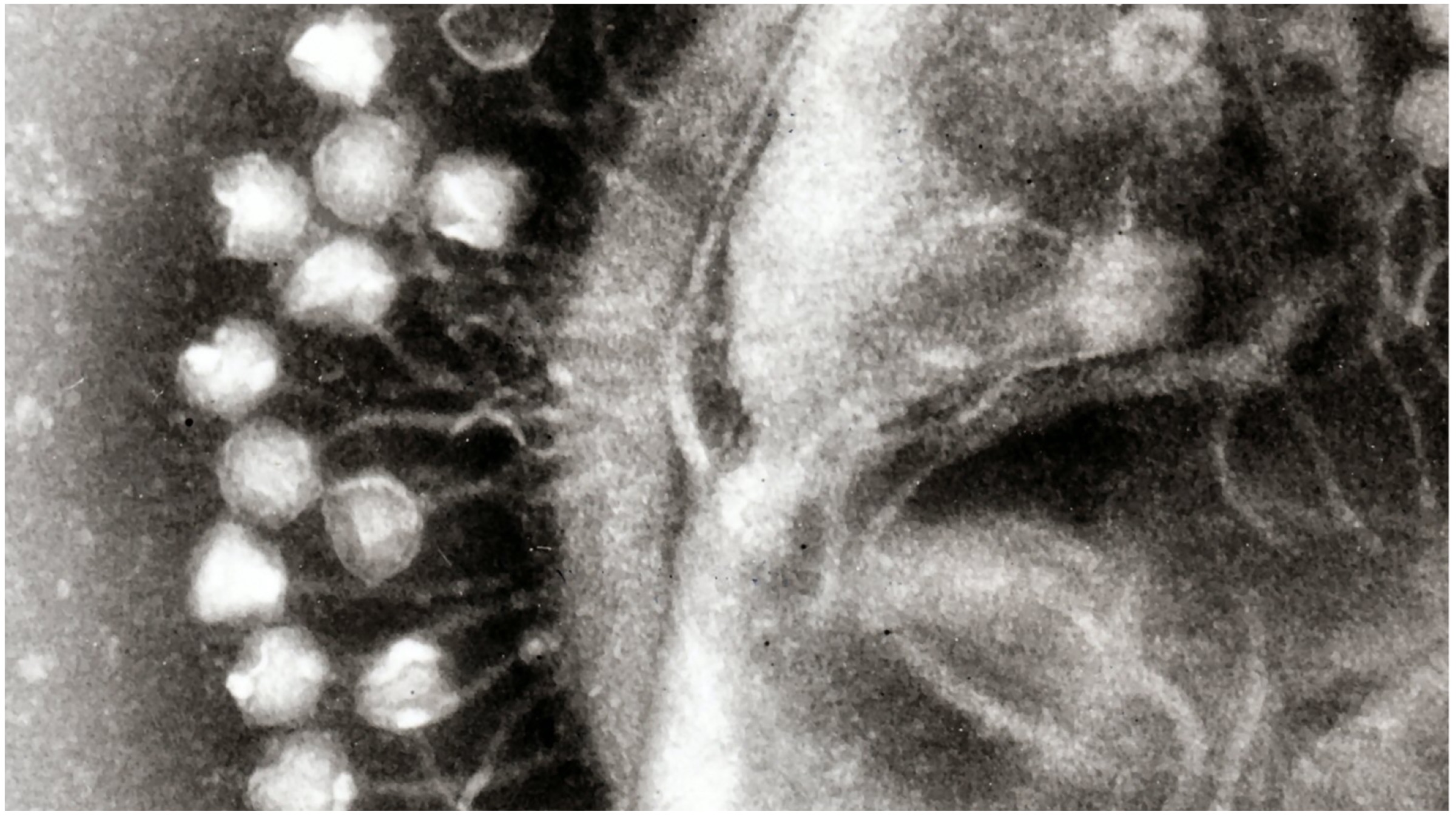
    Researchers at the University of Pittsburgh in Pennsylvania and Howard Hughes Medical Institute (HHMI) in Chevy Chase have put forward evidence that suggests that a category of viruses known as “bacteriophages” can be the solution to antibiotic-resistant bacteria. These bacteria-eating viruses target and kill a variety of strains of bacteria that cause infection. An interesting fact to note is that there are an estimated 1031 bacteriophages on this planet, and different phages target different bacterial strains. 
    Using bacteriophages (or simply phages) to ward off infections is not a new idea at all. In fact, researchers from Britain, France and Russia were involved in similar investigations since the beginning of the 20th Century, which are proving to be fruitful just now owing to the advancements in research techniques. The “bacteria-attacking” technique was implemented in 2017, where a team of scientists lead by Professor Hatfull achieved a feat nothing short of a miracle. 
    How Were The Viruses Used To Attack Bacteria Strands? 

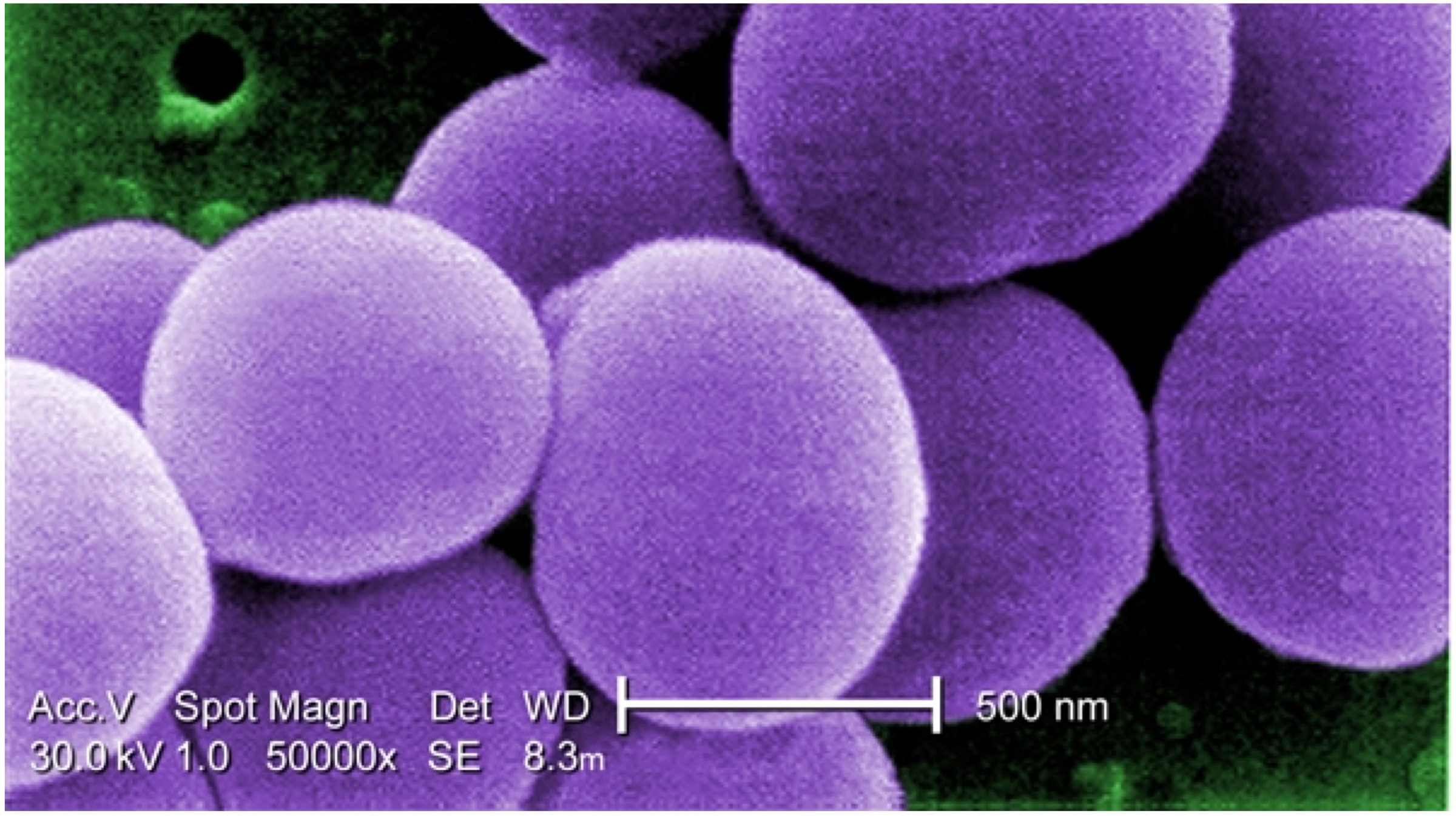
    The team of scientists were able to treat an infection experienced by a 15-year-old patient with the help of carefully chosen phages. The patient suffered from cystic fibrosis, which increased the risk of infections because of a buildup of thick mucus in the lungs (and other organs). Moreover, the genetic condition is virtually incurable. After a double lung transplant, it was detected that the patient’s surgery wound was reddened because of a liver infection. Another patient with a similar condition also developed an infection after his surgery. When the infections showed signs of resistance to antibiotics, the scientists decided to use bacteriophages to kill the concerned bacteria. 
    Also Read: Google Reveals The Key Details Of Its Upcoming Fuchsia OS

    After months of research, a set of phages was discovered that could match the bacteria which infected one of the patients. The genomes of the other phage strands were then altered by Professor Hatfull to render them effective against the bacteria they needed to eliminate. Remarkably, when the bacteriophages were administered to the patient, his infection was mostly cured in a period of around 6 weeks. Moreover, the bacteria didn’t show any signs of resistance against the phages. Indicating that bacteriophages can be further incorporated to tackle drug-resistant infections.

  • Every One In Two Smartphones Will Have Triple Rear Cameras By 2021, Claims Report

    Every One In Two Smartphones Will Have Triple Rear Cameras By 2021, Claims Report

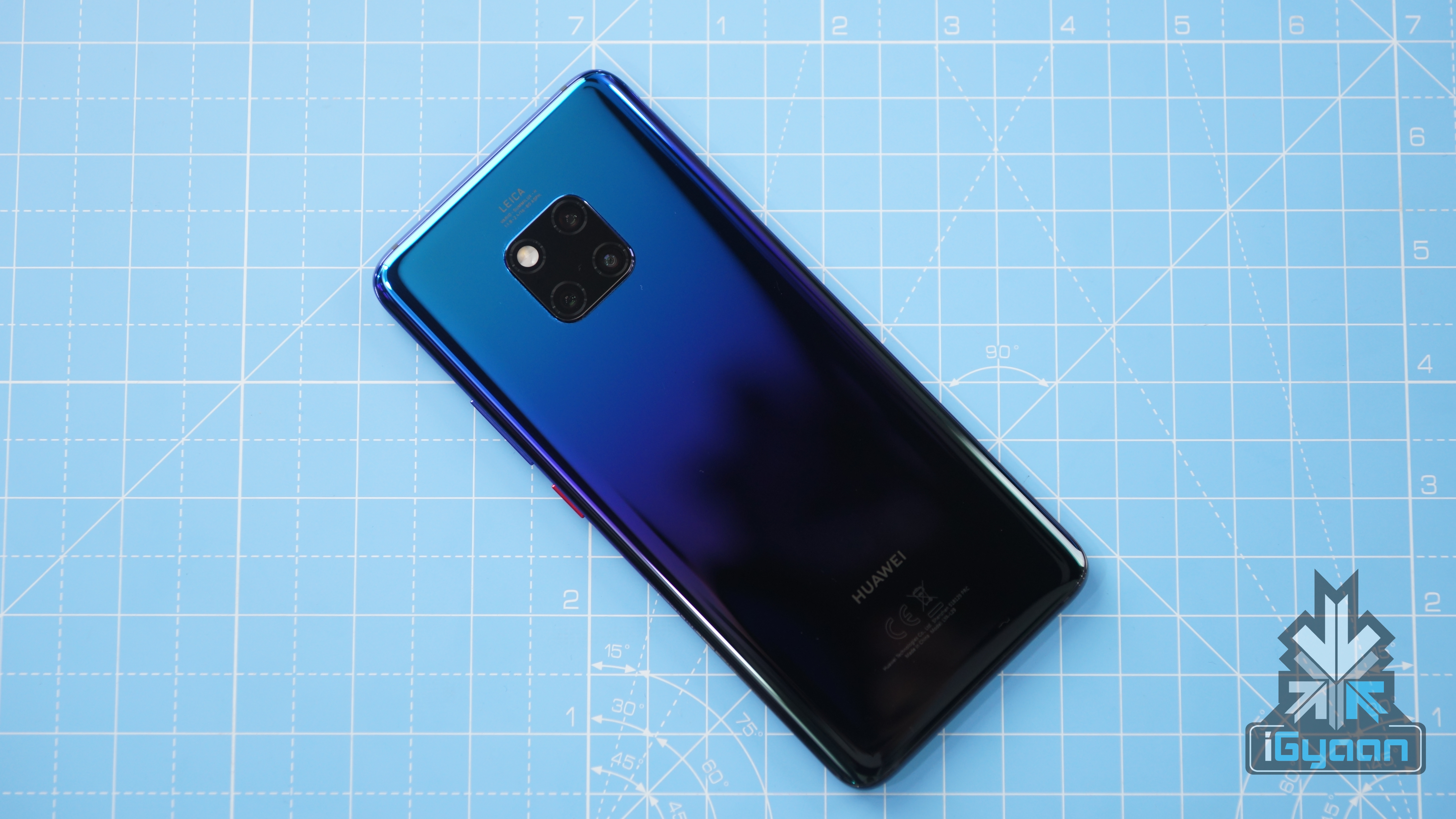
    Huawei launched the world’s first smartphone to feature triple rear cameras, the P20 Pro last year. It was praised for its camera prowess and made the mobile industry notice the importance of more than two cameras at the back of a device. Since then, many more smartphones from OEMs like Samsung, LG and Xiaomi sport three or more camera sensors on the rear. According to a known research firm Counterpoint, the number of handsets with multiple rear camera sensors will only increase with time. Fresh reports from the organization claim one in every two smartphones sold in the year 2021 will have a triple rear camera setup.

    Results Of The Research

    Counterpoint Triple Rear Cameras

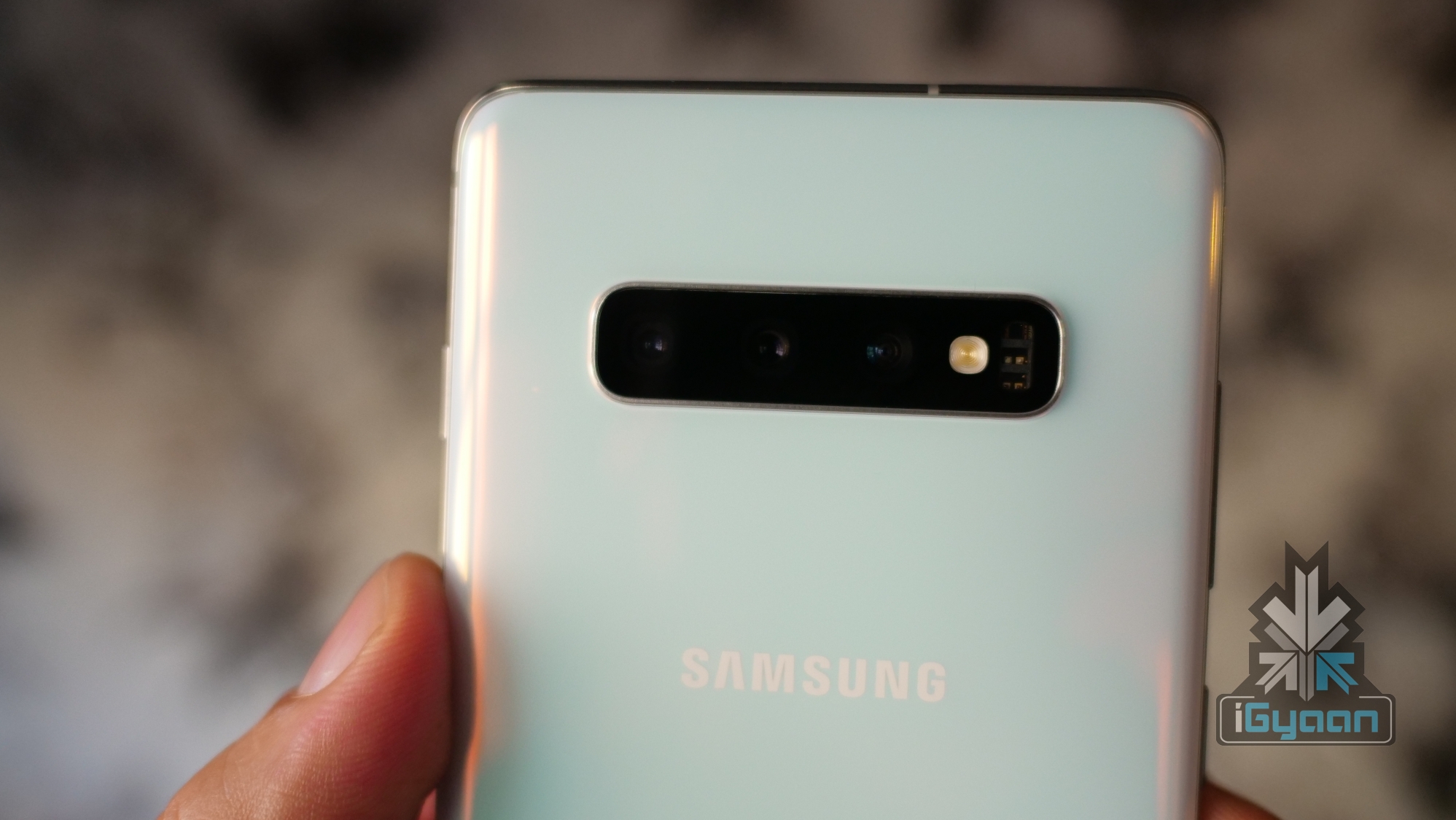
    According to Counterpoint, more than 40 smartphones launched until the month of April 2019; had three or more cameras on the rear of the handsets. While 30 of them were launched in the Q1, 10 were made official within a span of one month; between March and April. Notable launches in the time period included devices like the Samsung Galaxy A50, Huawei P30 Pro, Samsung’s Galaxy S10 lineup and the Vivo V15 Pro. All the aforementioned smartphones feature three or more camera sensor on the back. Interestingly, OEMs like OnePlus with the upcoming OnePlus 7 Pro; and Apple with the rumoured iPhone XI will reportedly include a triple rear camera setup.

    Galaxy S10+ Triple Rear Cameras

    Also read: Asus Zenfone 6 Case Renders Surface Online With Dual Rear Cameras

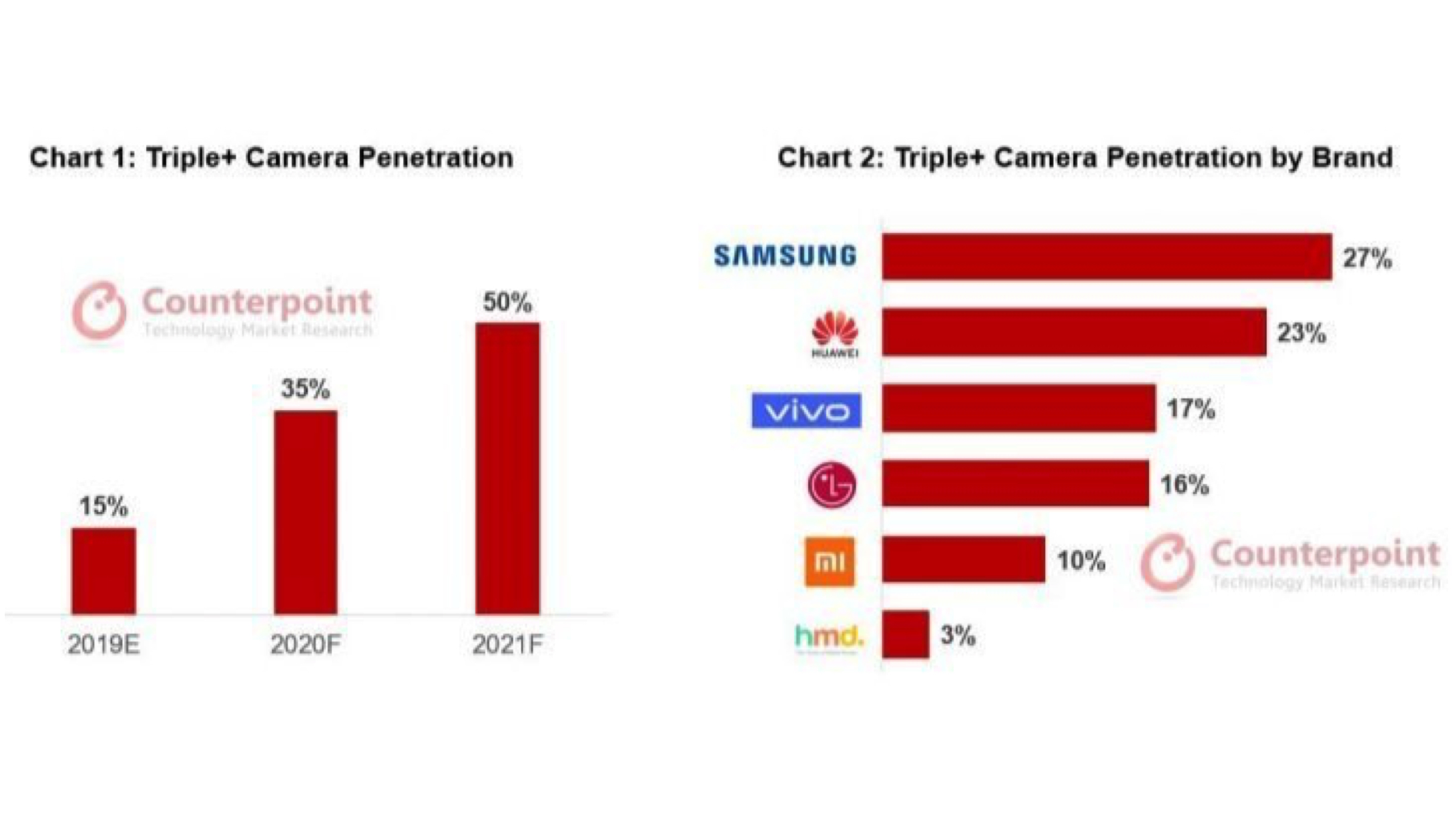
    With the launch of many smartphones with multiple rear camera sensors; it is expected the market penetration for Triple or more rear camera setups will reach a share of 15 percent in 2019. This number is only expected to increase, to 35 percent next year, and 50 percent till the year 2021. In terms of smartphone OEMs, the highest penetration belonged to Samsung, with a 27 percent share. Huawei and Vivo stand at the second and third place respectively; with a 23 percent and 17 percent share recorded by Counterpoint. The increased demand for multiple cameras set up at the back of handsets is seen as the major factor behind the increase in the above statistics. Because of this, budget smartphones with triple or more rear cameras are expected to debut starting this year.

  • The Nervous System Can Be Regenerated With The Help Of Skin-Related Stem Cells

    The Nervous System Can Be Regenerated With The Help Of Skin-Related Stem Cells

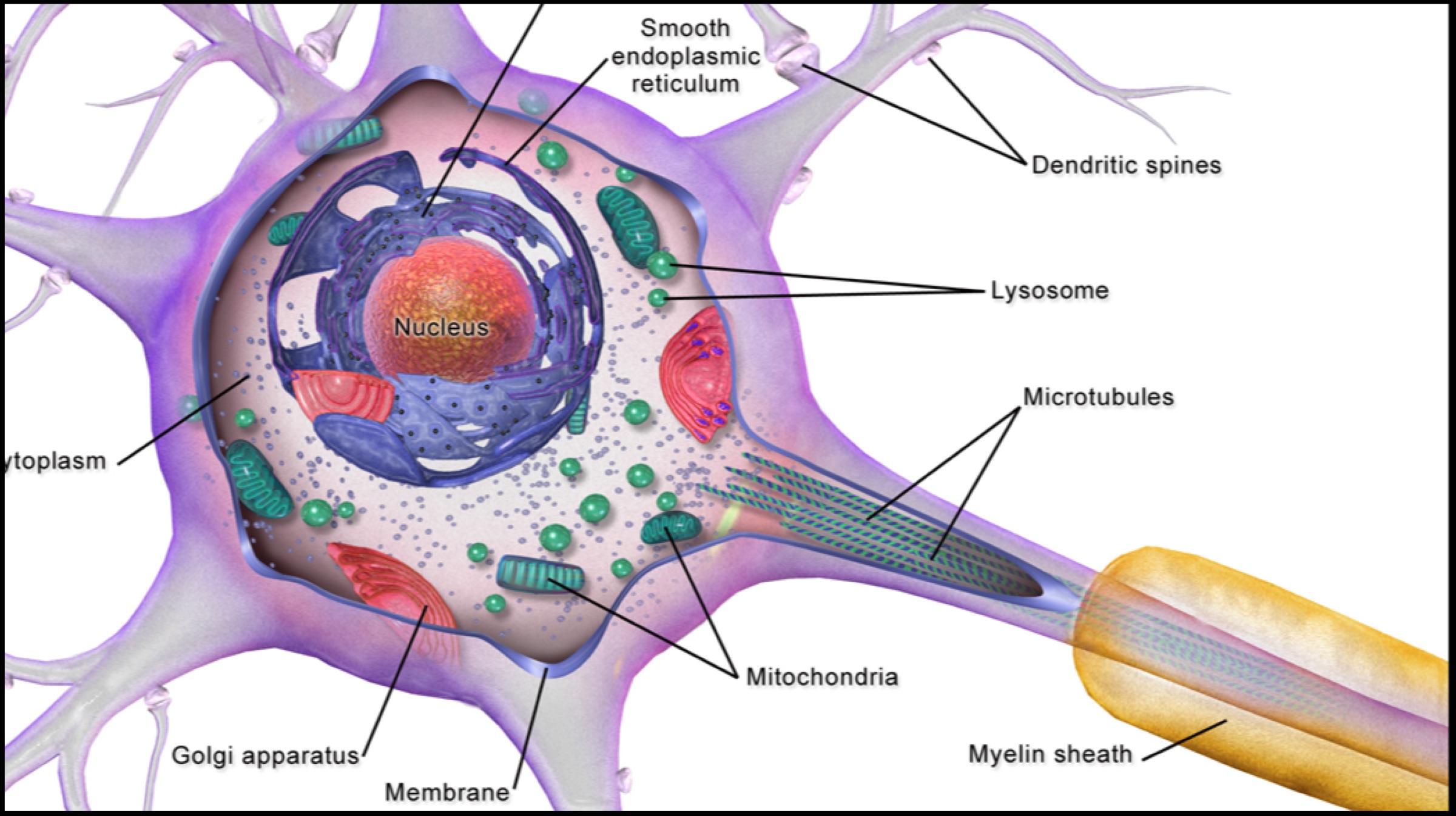
    In a world where Neurogenerative diseases affect millions of people worldwide, there is no significant cure that that can effectively help battle such diseases. In India alone, Multiple Sclerosis affects almost 1 million people yearly. As per latest news, Researchers at the University of Maryland School of Medicine (UMSOM) have discovered a skin-related stem cell that can be used in the regeneration of myelin sheaths, which is an integral part of the human nervous system. 

    Research performed on mice yielded positive results. Restoration of myelin sheaths in mice led them to believe that stem cells could be a much simpler alternative to using embryonic stem cells. Since the human skin stem cells can be isolated, expanded and used therapeutically, they can possibly improve the chances of functional recovery in case of any injury to the neurons in the nervous system. Dr Thomas J. Hornyak, the lead investigator in the research plans to expand research into the aforementioned area using collected data. 
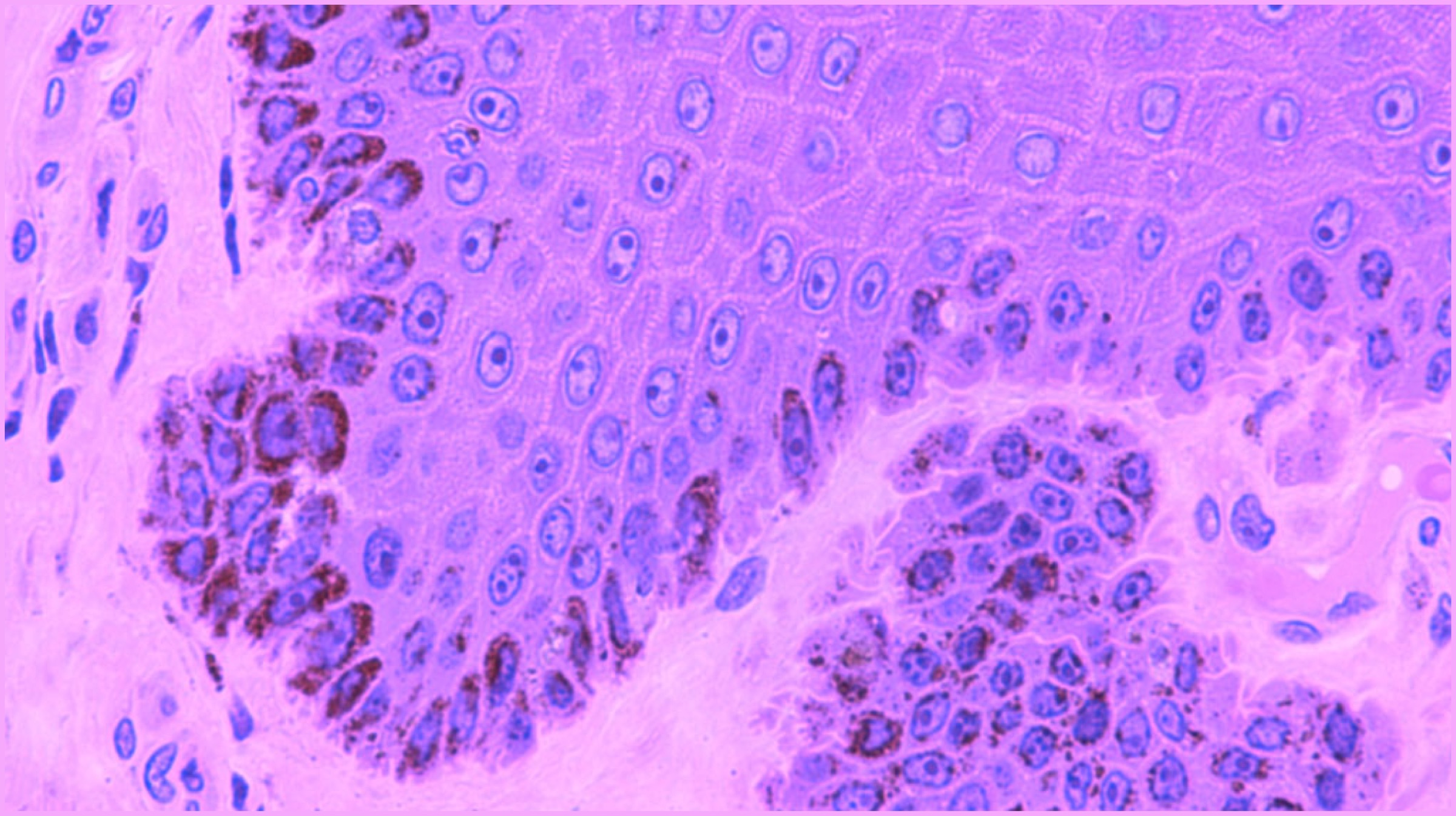
    Isolation And Growth Of Melanocyte Stem Cells

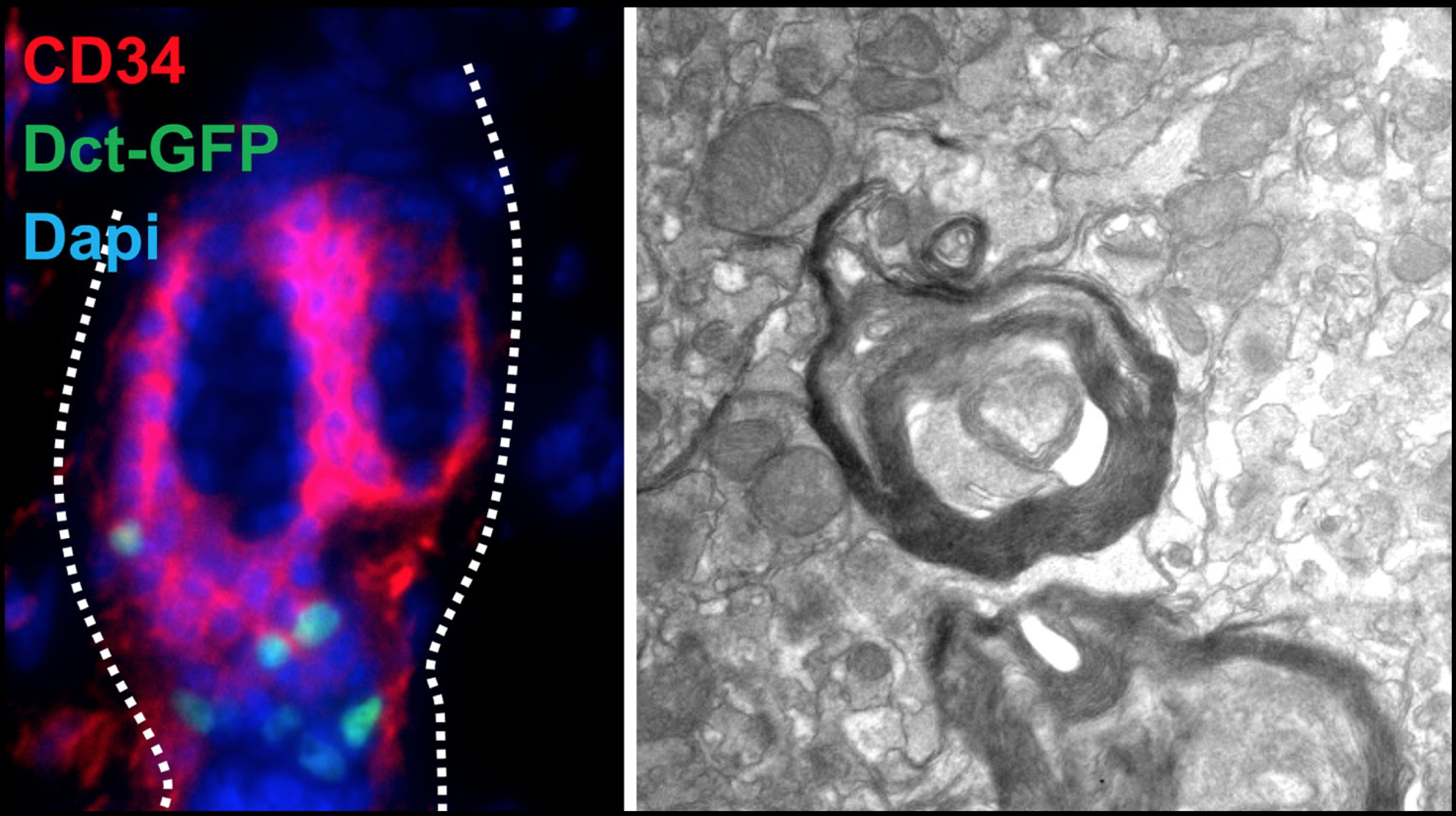
    Dr Hornyak and his team of researchers implemented a mouse model to identify a specific version of the melanocyte stem cell. As the name suggests, the cells produce melanin (the pigment that determines the colour of skin and hair) and are present in the hair follicles and skin. These cells have a very unique ability – they can divide limitlessly. In fact, this ability is so unique that it is not present in any other cell in the human body. These stem cells can further develop different types of cells, which depends entirely upon the type of signal provided to them. 
    Also Read: Playing Pokémon May Have Hardwired Your Brain As A Kid

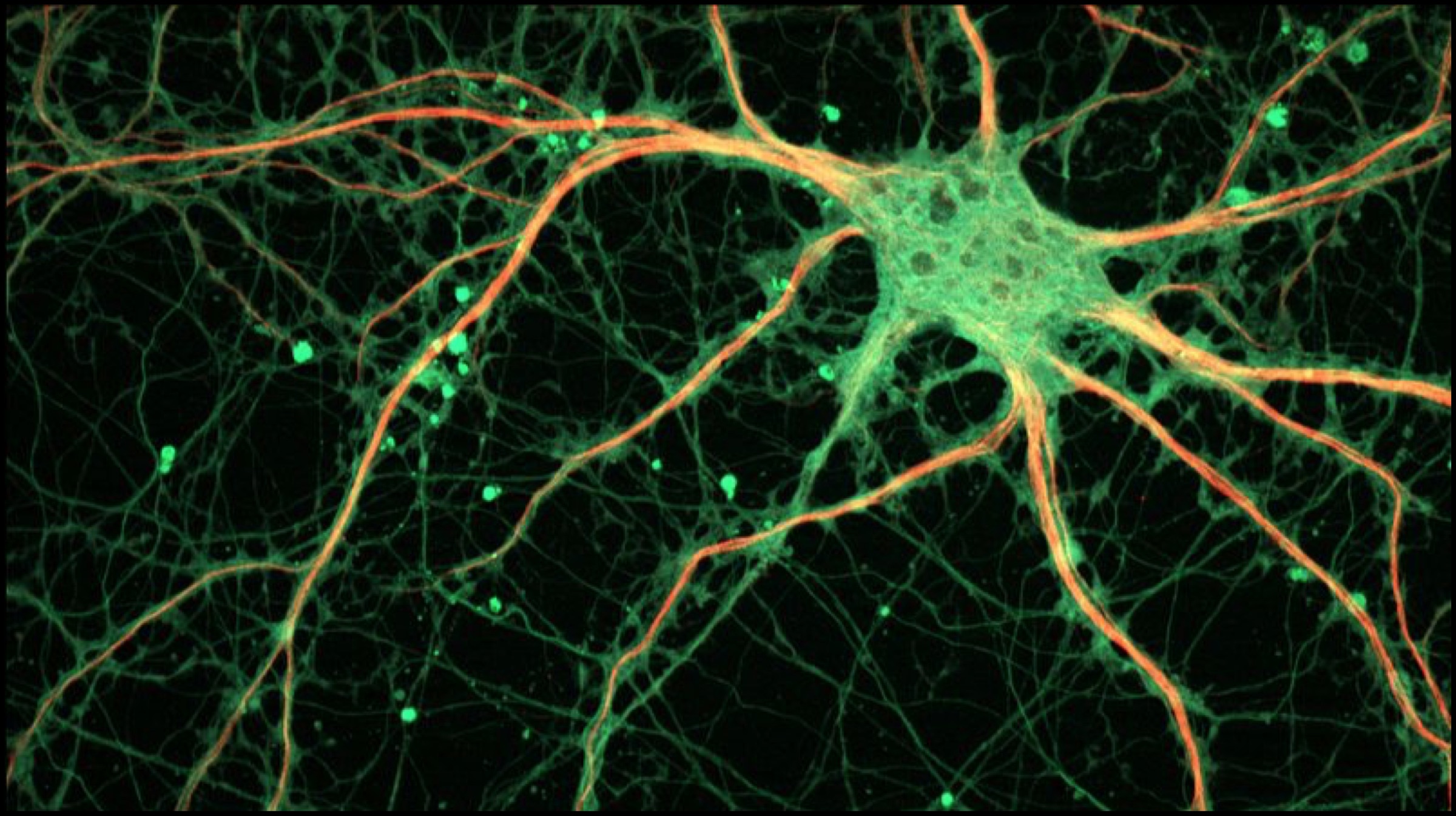
    Dr Hornyak’s Team grew melanocyte stem cells with mice-isolated neurons that could not make myelin. These stem cells acted like glial cells (insulating cells), and eventually formed a myelin sheath around the healthy nerve cells/neurons. Researchers further state that this study holds a lot of potential for those who have very serious neurogenerative diseases. With the development of such a technique, scientists can develop cures for many more nervous disorders which involve the degradation of neurons in the nervous system. 

  • Playing Pokémon May Have Hardwired Your Brain As A Kid

    Playing Pokémon May Have Hardwired Your Brain As A Kid

    If you are one of those people who loved playing Pokémon as a kid, chances are that your brain is wired in a certain way that enables you to respond more intuitively to cartoon characters than other pictures. As per the latest investigation performed by researchers at Stanford reveals that people who played Pokémon in their childhood exhibit preferential activation to Pokémon characters. The game may have affected the human brain after all.

    Scientists found out that a certain area of the brain behind the ears responded more in case of avid Pokémon fans than those who did not play the game at all. It is already known that humans have specific areas of the brain dedicated to recognizing numbers, words, images and faces. For instance, the human brain responds differently to celebrities like Morgan Freeman, Tom Cruise than it does to other people. Scientists at Stanford decided that to confirm the same study at a younger age, Pokémon fans are the most suited options, as they were already exposed to the game when they were quite young.

    The existing theory was confirmed in terms that childhood exposure is in fact necessary in order to develop the regions of brain dedicated to recognition and experiential learning. The fold behind the ear, which is called the occipitotemporal responds to images of Pokémon in the same way as it responds to images of animals. Furthermore, researchers believe that the brain acts in a certain way that enables it to decide how to respond to a specific image.  

    Also Read: Latest OnePlus 7 Pro Renders Show Off Almond Colour Variant

    Researchers state that the reason they chose Pokémon was not only because they are loved by kids, instead, owing to a multitude of characters associated with the universe, the Pokémon family was more suited to the same. Since the game rewards its players with in-game items, it creates a memory associated with the same that is tough to eradicate. Additionally, the researchers said that all the test subjects grew up to be very successful people. They all had PhDs, indicating that the game had no adverse effect of any kind on young brains during childhood.  

  • Research Claims Most Pixel And OnePlus Buyers Are Former Samsung Smartphone Owners

    Research Claims Most Pixel And OnePlus Buyers Are Former Samsung Smartphone Owners

    Google first launched its Pixel lineup of smartphones in the year 2016. The devices were targeted at the premium segment and were intended to lure the buyers of the Apple iPhones. Like the latter, Google handsets promised a clean, software experience with reliable hardware integration and optimisation. While the Pixel smartphones have reached their third iteration with the Pixel 3/3 XL last year, their original goal still seems far fetched. In a fresh report by known research organization Counterpoint, it is claimed the major Pixel and OnePlus smartphone buyers are former users of Samsung devices.

    The Results Of The Research

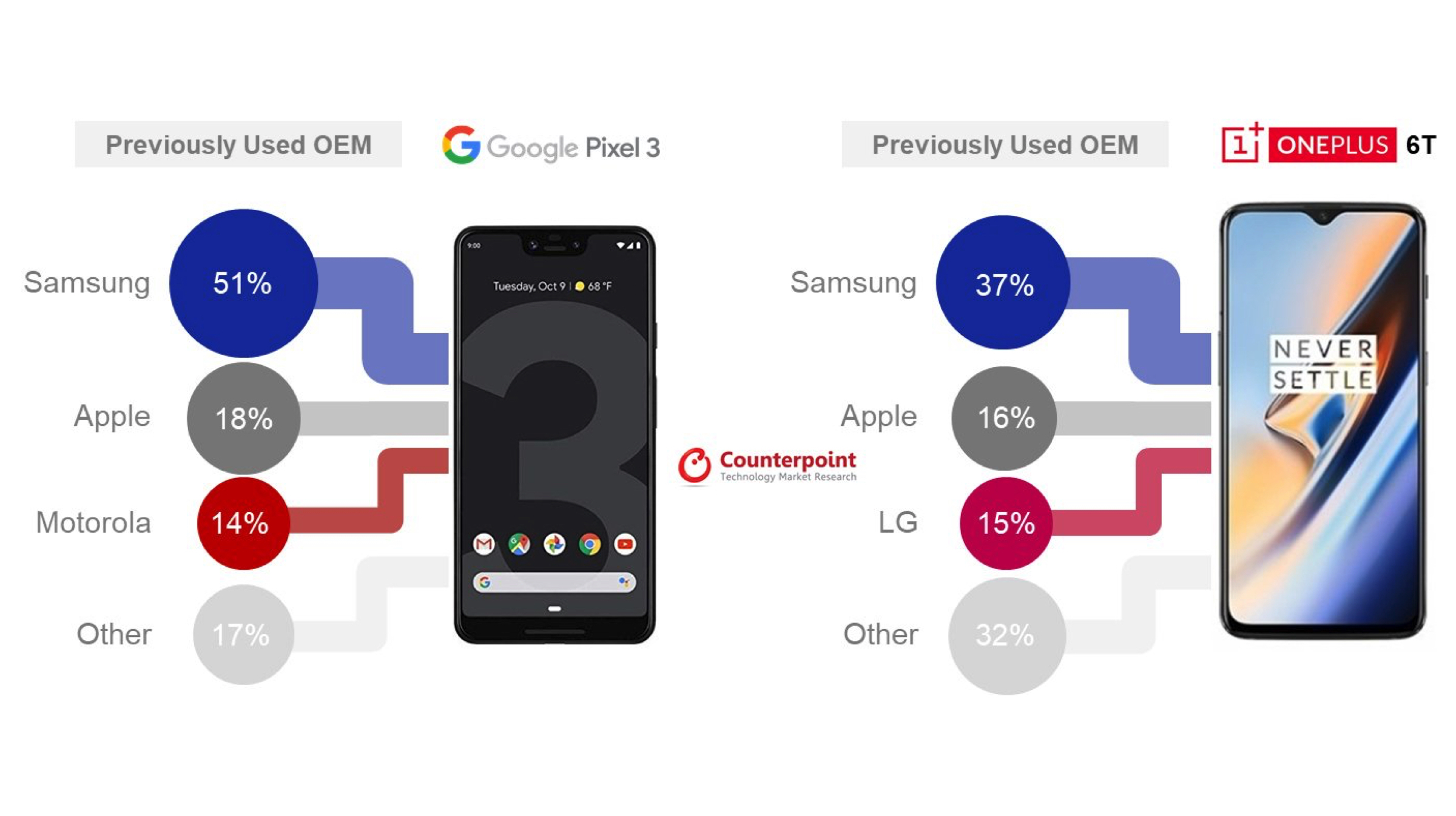
    The aforementioned research was conducted by Counterpoint in the US during Q4 of the year 2018. Smartphones that the study was administered on were the Pixel 3 duo and the OnePlus 6T. The results of the research showed almost 51 percent users of the aforementioned Pixel devices were former users of Samsung smartphones. On the other hand, around 37 percent of OnePlus 6T users are past users of Samsung devices. This was followed by former Apple smartphone users in both cases with an 18 and 16 percent share respectively. It is further followed by Motorola by a 14 percent stake in case of the Pixel; and LG by a 15 percent share in case of OnePlus.

    Also read: Qualcomm Launches Three New Snapdragon Chipsets For Mobile Devices

    Interestingly, both the Pixel and OnePlus smartphones represent a different price segment. While the former is priced at a premium, the latter is a more affordable flagship handset. The research notes that the aggressive marketing strategy adopted by Google and the affordability of OnePlus handsets is the major reason behind the above results. Samsung smartphones have also always been rated behind the above-mentioned devices in terms of software experience. Notably, the main competition of Google, as mentioned above is Apple, whose users still hold an 18 per cent share in terms of switching to a Pixel handset. Therefore, in the case of both the OEMs, the share of former Android users is more than 80 percent.

iGyaan Network
Privacy Overview

This website uses cookies so that we can provide you with the best user experience possible. Cookie information is stored in your browser and performs functions such as recognising you when you return to our website and helping our team to understand which sections of the website you find most interesting and useful.