Tag: patent infringement

  • Qualcomm Demands US$ 31 Million In Damages From Apple

    Qualcomm Demands US$ 31 Million In Damages From Apple

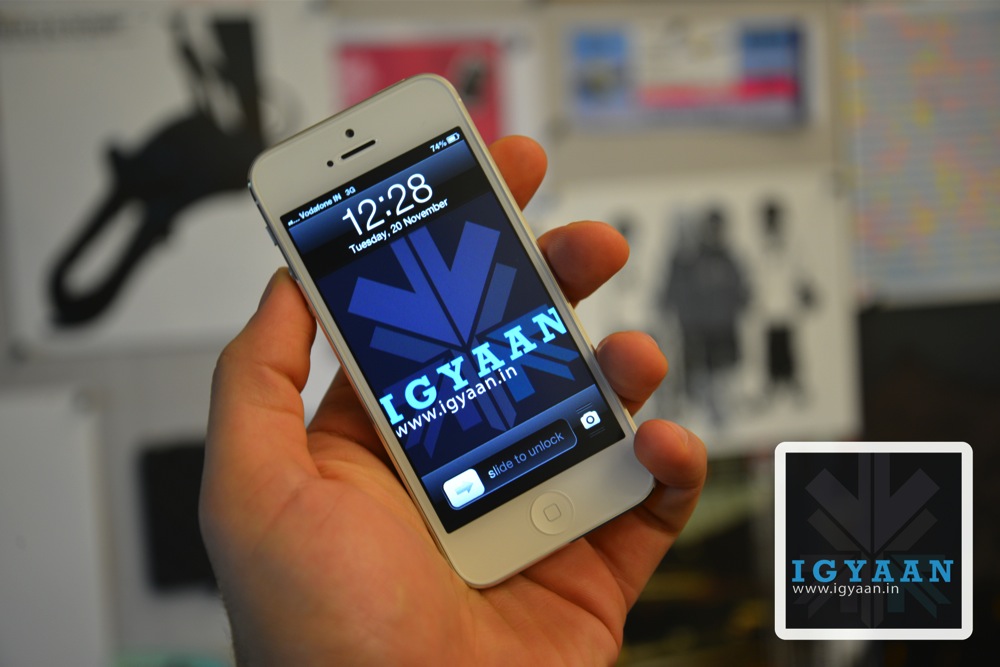
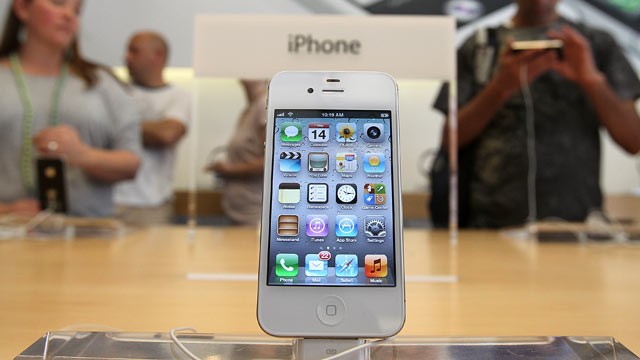
    Qualcomm and Apple are known for battling out a number of suits in courts, and the latest trial between the two companies was held in San Deigo over infringement of three different patents by Apple. As per reports, Qualcomm has demanded the trillion dollar technology company, Apple to pay a sum of US$ 31 Million in damages for the same. 

    The Hearing
    Apple’s leading witness for the case, former engineer Arjuno Siva was supposed to testify in the court on March 7. However, as per reports, he was unable to reach the destination, and the Qualcomm’s defence defense was accused of witness tampering by the Apple counsel. Moreover, the company called its former employee a “tainted witness” when he failed to turn up for the hearing.
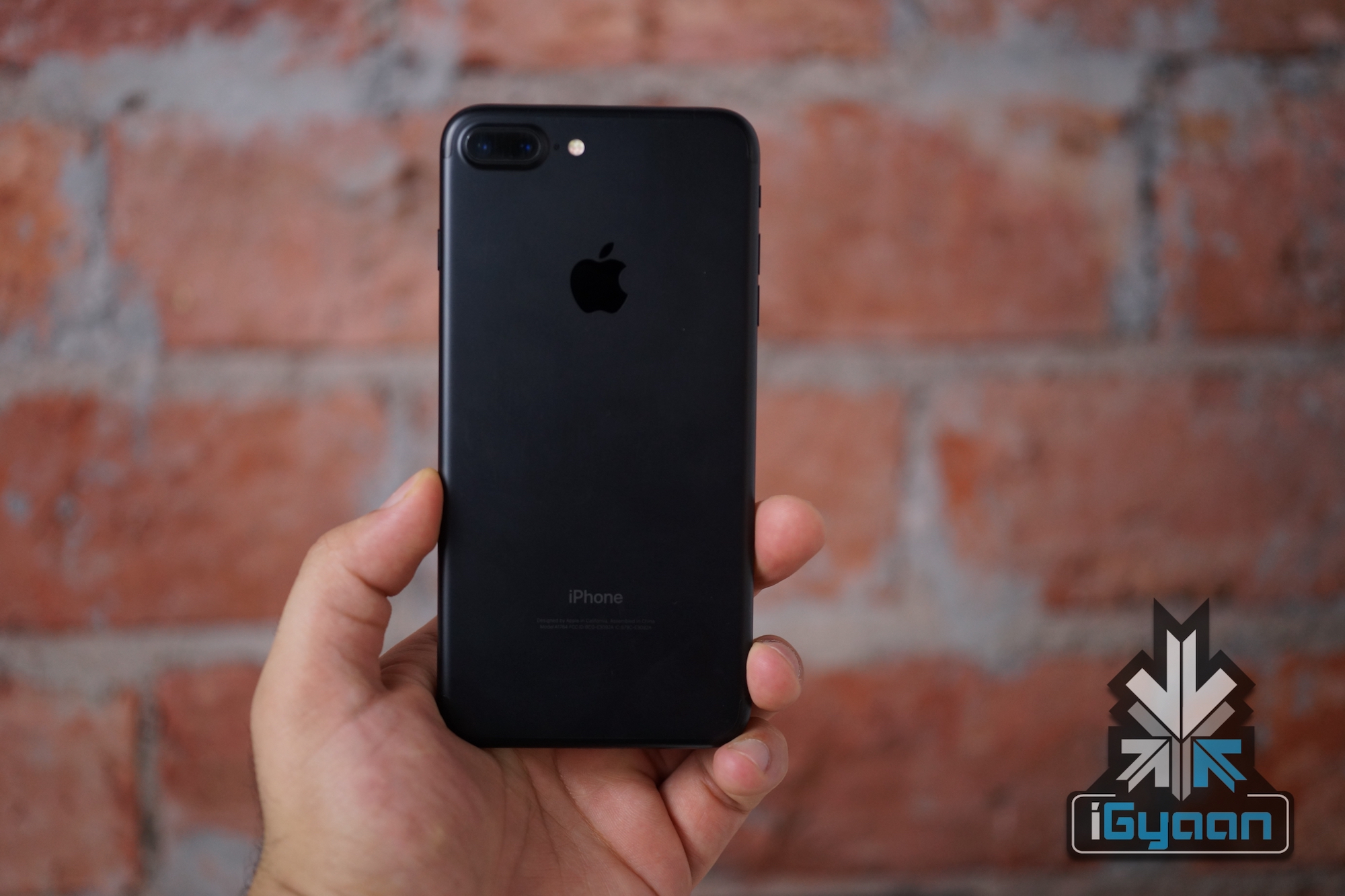
    In a turn of events, the ex-Apple employee has hired a new attorney, leading to Apple’s confirmation that the testimony will take place during the next hearing after all. Furthermore, information has come to light that the damages are for iPhones sold July 2017 onwards, which were kitted with Intel Chips. Later in the year 2017, Apple replaced Qualcomm with Intel as its exclusive components supplier. As per reports, in the year 2016, Apple was also using Intel modems in some iPhone variants instead of Qualcomm modems. The devices included the iPhone 7 and 7 Plus.

    About The Patents

    Hence, Qualcomm is seeking US$ 31 Million in damages from Apple, which roughly breaks down to US$1.40 per iPhone sold. The infringed patents are as follows:

    • one that handles the CPU and modem connection to download applications.
    • one that helps the iPhone to connect to the Internet immediately after it is turned on.
    • one that focuses on battery life and the processor.

    Also Read: Intel And Qualcomm Will Offer 5G Modems For Computers

    Notably, the biggest lawsuit between the companies will be settled in April 2019, in which Apple has accused Qualcomm of indulging in anti-trust practices and illegally withholding US$ 1 Billion worth of rebates from Apple.
     

  • Apple Wins US$ 539 Million From Samsung In The Ongoing Patent Infringement Trial

    Apple Wins US$ 539 Million From Samsung In The Ongoing Patent Infringement Trial

    Apple and Samsung have been embroiled in a long-running patent infringement battle. In the latest turn of events, Apple has been awarded a final verdict of US$ 539 million in damages. In a federal court in San Jose, the jurors awarded it the verdict, concluding that Samsung infringed on Apple design and utility patents of mobile design like rounded corners, the rim of the front face of the iPhone, and the app grid layout of the iOS home screen.

    Bloomberg reports that the jury was essentially deciding whether Samsung owed Apple money based on sales of Samsung’s smartphones or the components that infringed on Apple’s patents. In a statement given to Bloomberg, Apple said:

    We believe deeply in the value of design, and our teams work tirelessly to create innovative products that delight our customers. This case has always been about more than money.

    It is fair to say that this might not be the final chapter in this legal battle. The case began way back in 2011 which makes it seem that it isn’t that old a case. However, the numerous appeals have made it one of the most complex patent infringement cases. Back in 2011, when Apple filed a lawsuit against Samsung, it demanded US$ 2.5 billion from Samsung. In an initial verdict in 2012, that sum was reduced to US$ 1 billion.

    That sum of US$ 1 billion was further reduced to US$ 549 million when an appeals court ruled that Apple could not patent the appearance of its iPhone. In 2015, Samsung agreed to pay that sum after both companies agreed to drop litigation outside of the US. In November 2017, Apple won US$ 120 million in another patent infringement case pertaining to the iOS slide-to-unlock patent. The legal battle appears to be in its closing stages but, nothing can be said for certain right now.

    What started out with a US$ 2.5 billion lawsuit closes out with Samsung owing a sum of US$ 539 million to Apple. Apart from winning half a billion dollars from Samsung, this should be a significant victory for the company.

  • BlackBerry Sues Facebook For Patent Infringement

    BlackBerry Sues Facebook For Patent Infringement

    Once considered to be one of the biggest mobile makers in the world, BlackBerry has gone through its fair share of dip. Ever since the rise of iOS and Android OS platforms, BlackBerry and its popularity has been on a decline. The BlackBerry Messenger used to be one of the most popular messaging services and has since been replaced by the likes of WhatsApp. However, it appears that BlackBerry feels undone by Facebook as it has sued the social networking company for patent infringement.

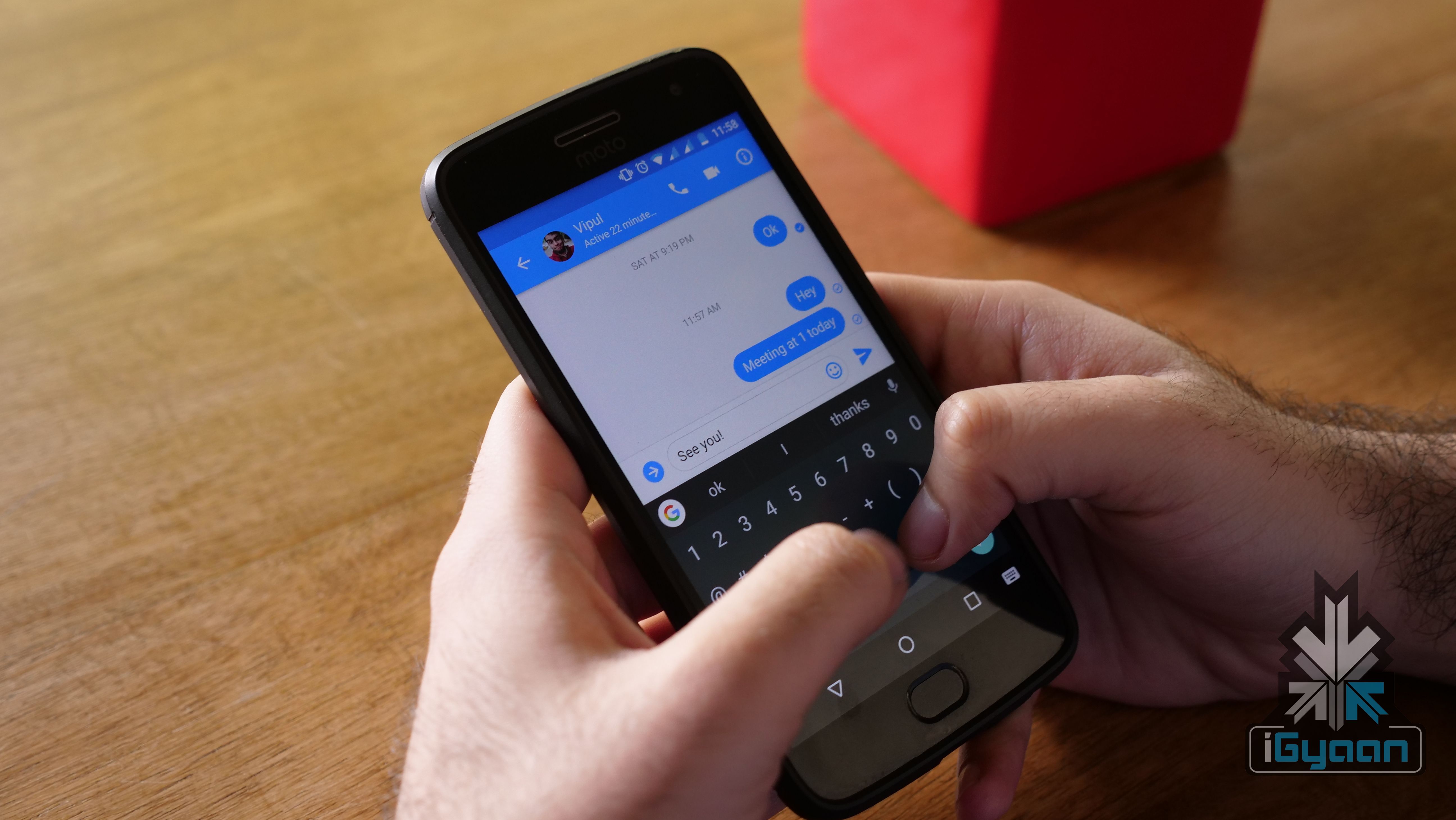
    In a Los Angeles Federal Court, BlackBerry, Ltd. filed a lawsuit against Facebook, Inc. for infringing a patent on its messaging technology. The lawsuit focuses on Facebook Messenger and Facebook-owned properties like WhatsApp, Instagram. BlackBerry claims that for several years, it has attempted to have a dialogue with Facebook over the infringed patents.

    Facebook Messenger

    A few things that have been noted in the lawsuit include showing an unread message indicator on top of an icon. Something that WhatsApp and Facebook Messenger introduced a while ago. Here are a few other features noted in the lawsuit:

    • Showing multiple incoming messages in the inbox
    • Not showing timestamps of every message in a thread
    • Selecting a Photo Tag

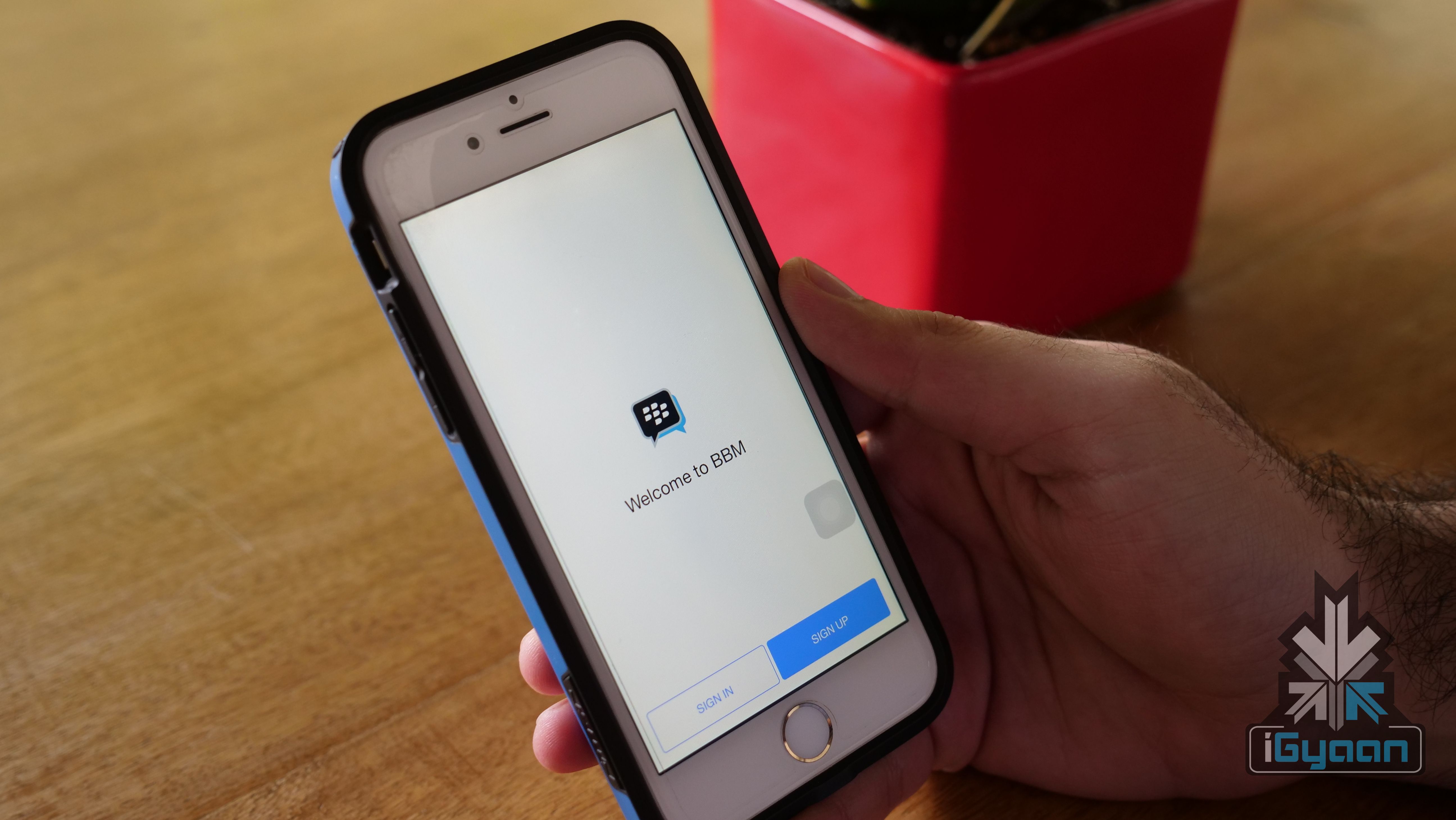
    The lawsuit appears to be related to BBM, once highly popular and now, obsolete. Using BBM, users could send unlimited messages to each other, a lot like iMessage. However, as the popularity of Blackberry devices dwindled, the company made the messaging service available for iOS and Android.

    Considering companies like Apple, Google have similar messaging apps, it is surprising that they weren’t in the firing line as well. Facebook, on the other hand, has come out with a harsh response to the lawsuit:

    BlackBerry’s suit sadly reflects the current state of its messaging business. Having abandoned its efforts to innovate, BlackBerry is now looking to tax the innovation of others. We intend to fight.

    Conclusion

    If past lawsuits are anything to go by, this legal battle will be on for a while.

  • OnePlus Could Be Sued For Face Unlock Patent Infringement

    OnePlus Could Be Sued For Face Unlock Patent Infringement

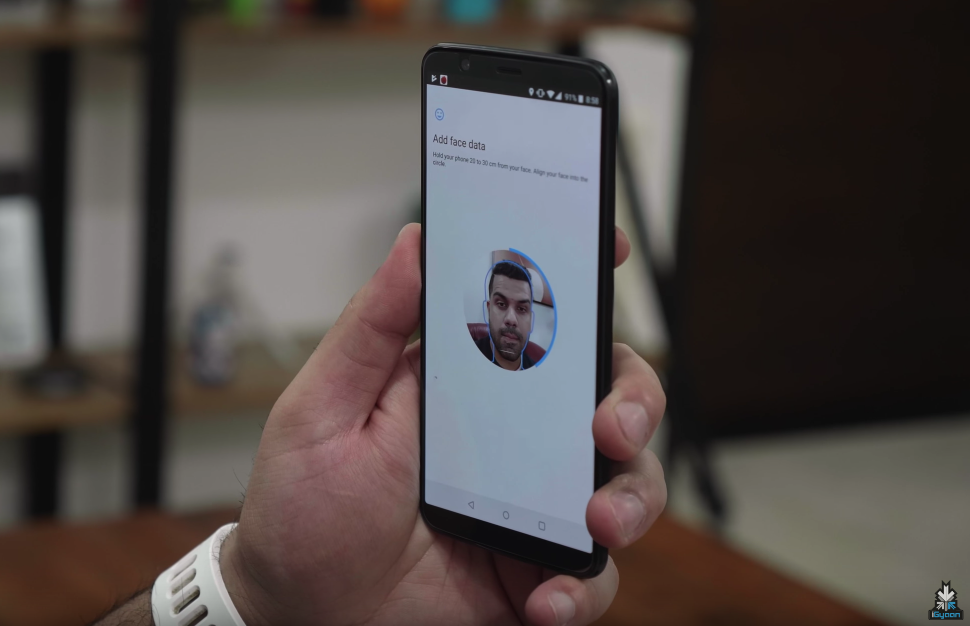
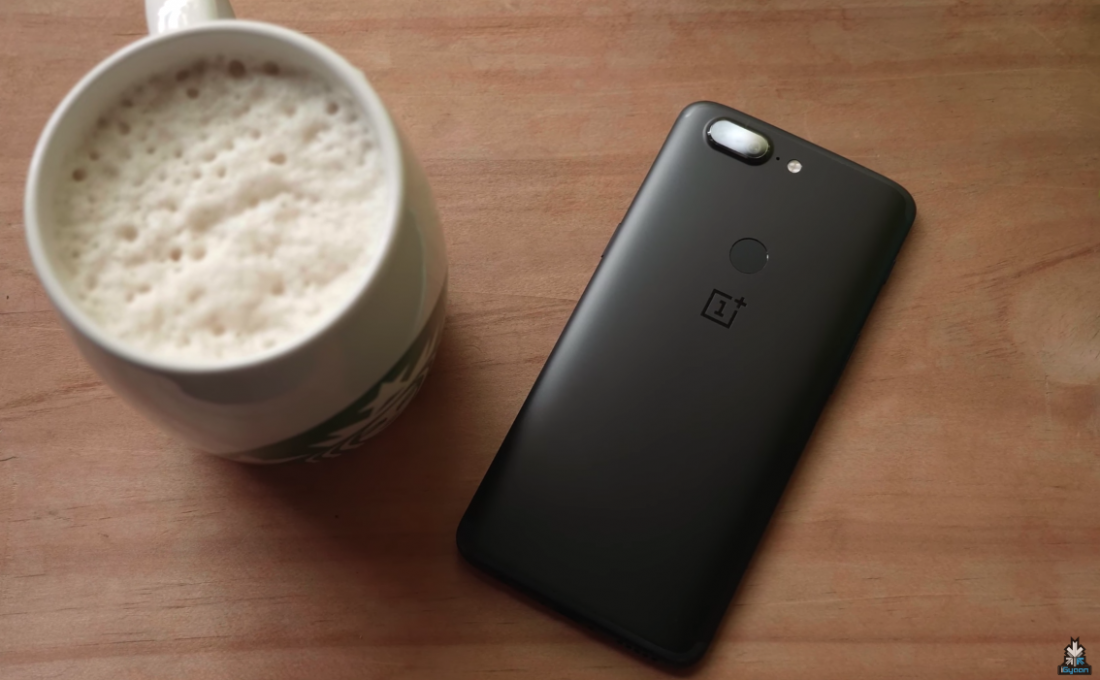
    OnePlus might be in some legal trouble if some reports are to be believed. The company is facing a possible patent infringement lawsuit that revolves around the Face Unlock facial recognition system on the OnePlus 5T. While the Face Unlock technology on the OnePlus 5T has received rave reviews from fans and critics alike, one company is definitely not a fan.

    SensibleVision is a company that works on facial recognition and biometric systems. George Brostoff, CEO and co-founder of SensibleVision claims that at least one of his company’s patents was infringed on by OnePlus’ Face Unlock system. One of the patents that he believed was used without permission, allows a phone’s screen to be used as an illuminator. Based on a video released by Forbes that shows Face Unlock in action, Brostoff claims that OnePlus is “likely infringing at the very least on our illumination patent.”

    In a statement, Brostoff said:

    This is nothing new. We have been doing this for years. It even appears that they may be using several patented technologies. We have not licensed our patents to OnePlus or their supplier. From the video on Forbes, they are likely infringing at the very least on our illumination patent.

    This is the definition of the patent in question right now:

    A camera is used for providing images to the facial recognition software where the display operates in a first mode for displaying images to a user and in a second mode for illuminating the user’s face for detection by the camera.

    It is also worth noting that patents are only valid in jurisdictions where they were granted. So, unless SensibleVision filed a patent application or was granted a patent for the illumination technology in China, there is no infringement, since the company is based in the US.

    It doesn’t appear that SensibleVision has yet taken a legal step towards addressing the issue. Stay tuned for more updates regarding this possible legal battle.

  • Qualcomm Sues Apple Again For Infringing Palm OS Patents

    Qualcomm Sues Apple Again For Infringing Palm OS Patents

    The Apple-Qualcomm legal battle seizes to fizzle any time soon. After Apple filed a counter-suit against its bitter tech-rival, Qualcomm has responded with a new patent infringement lawsuit against the Cupertino-based tech giant.

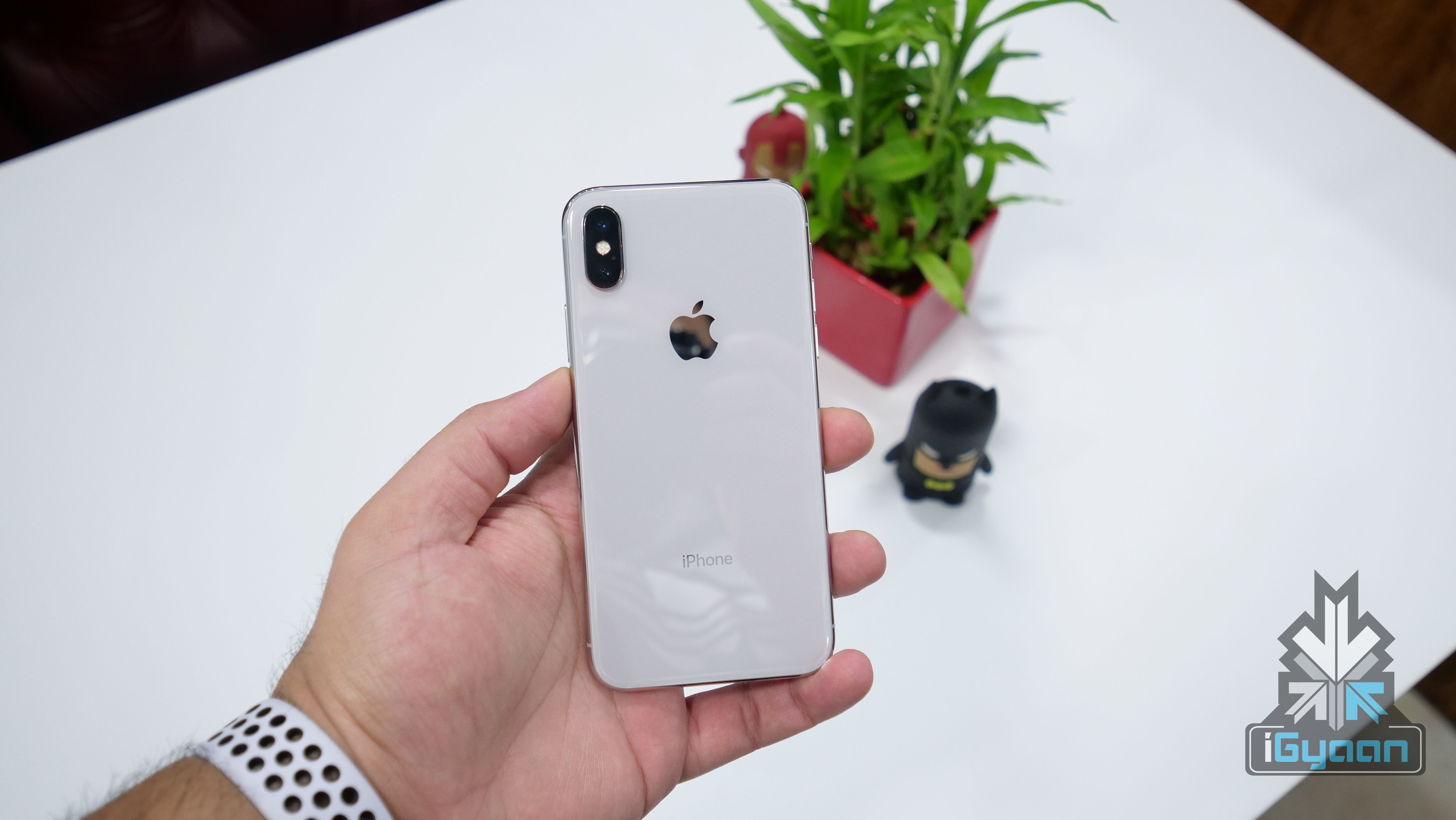
    Qualcomm wants the iPhone X banned because it claims that Apple infringed the chip maker’s patents, including some relating to improving bandwidth in devices, saving power and enhancing photos from the rear-facing camera. Qualcomm has also claimed that Apple copied some elements of the Palm OS, which Qualcomm obtained the rights to in 2014, when it bought many of Palm’s other patents.

    In its filing of the suit, Qualcomm said:

    All of these Palm inventions – owned by Qualcomm – have vastly improved the functionality of mobile devices and the user experience, and all of them are widely found in Apple products without license or permission.

    However, Qualcomm has claimed that this is not in response to Apple’s latest lawsuit. In fact, this lawsuit was in the company’s plan for a long time and the timing is just a coincidence. Donald Rosenburg said:

    You can’t react that quickly to file lawsuits. We were in the process of filing three new district court cases in San Diego today, and one new ITC case in Washington, D.C. Those involve a group of 16 patents that are additional to the ones we have already sued them on, and five of those 16 are ones we are suing them on in the ITC seeking an exclusion order.

    This is a new lawsuit by Qualcomm in quick succession. Back in October, it claimed that Apple was giving rival processor company Intel information about its chips.

  • Apple’s Counter Suit Against Qualcomm Could Mean Bad News To Android Phones

    Apple’s Counter Suit Against Qualcomm Could Mean Bad News To Android Phones

    Apple vs Qualcomm is not a new story. The two tech giants have been embroiled in a legal battle for many years now. But, this legal battle is not just two big companies going against each other, the result of the legal battle will have consequences which the whole tech industry will have to deal with.

    Apple has filed a new countersuit against Qualcomm, in which it is targeting some Snapdragon chips that power some of the most prominent Android phones in the market right now. Even though Apple has received support from other Android phone makers in this case, Apple targeting Snapdragon chipsets won’t go down well with these companies which rely on Qualcomm’s chipsets for powering their devices.

    In a revised response to Qualcomm’s previous lawsuit, it has listed some accusations of its own. Apple says it owns at least eight patents related to battery life that Qualcomm’s chips have violated.

    The patents describe technologies that allow a certain part of a phone’s processor to only draw the minimum power needed and turn off when it’s not needed. The two main chipsets in question here are the Snapdragon 800 and Snapdragon 820 chipsets.

    Apple is asking for damages from Qualcomm, but, an actual number has not been specified yet.

  • Israeli Company Sues Apple For Dual-Camera Patent Infringement

    Israeli Company Sues Apple For Dual-Camera Patent Infringement

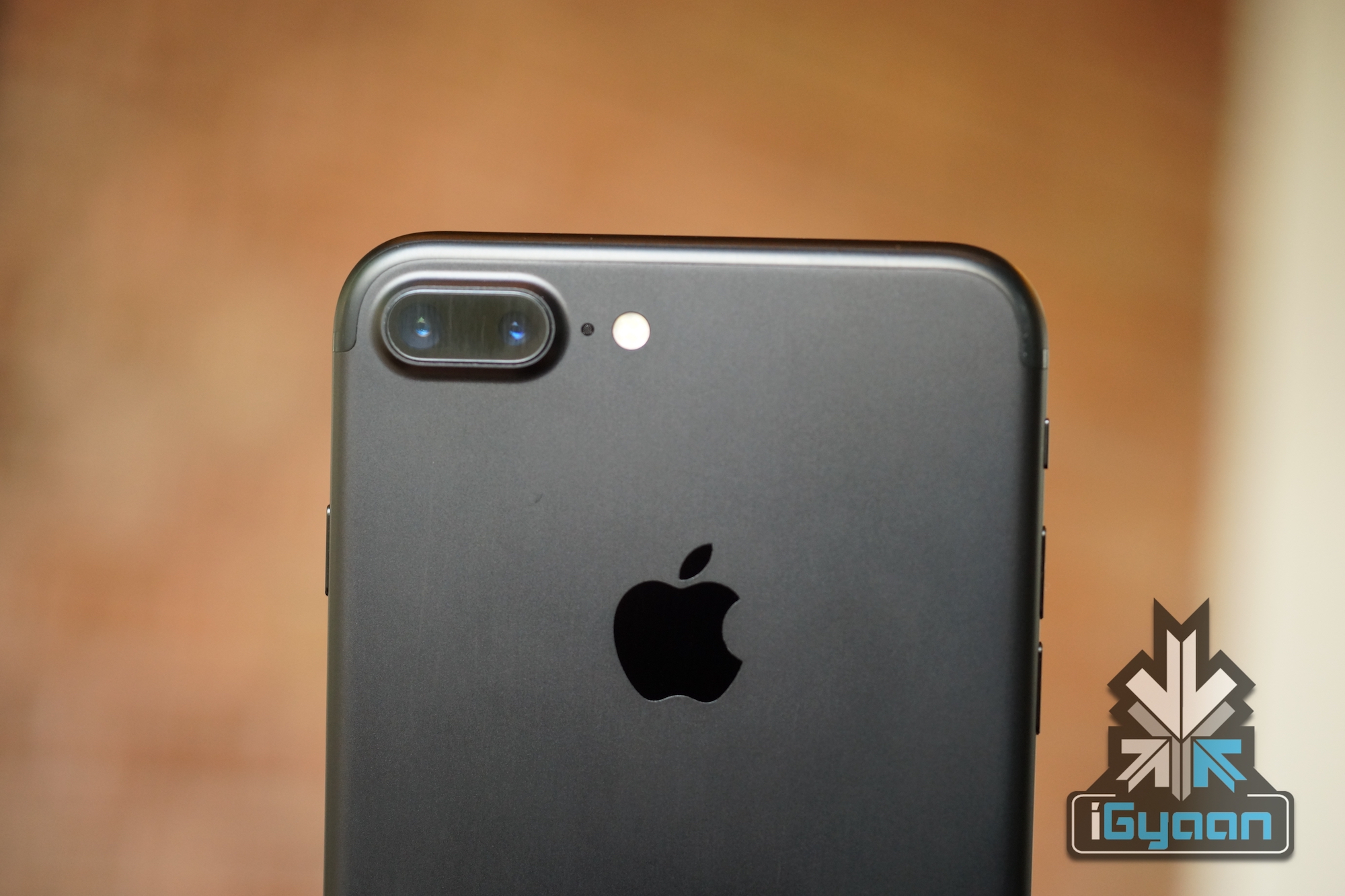
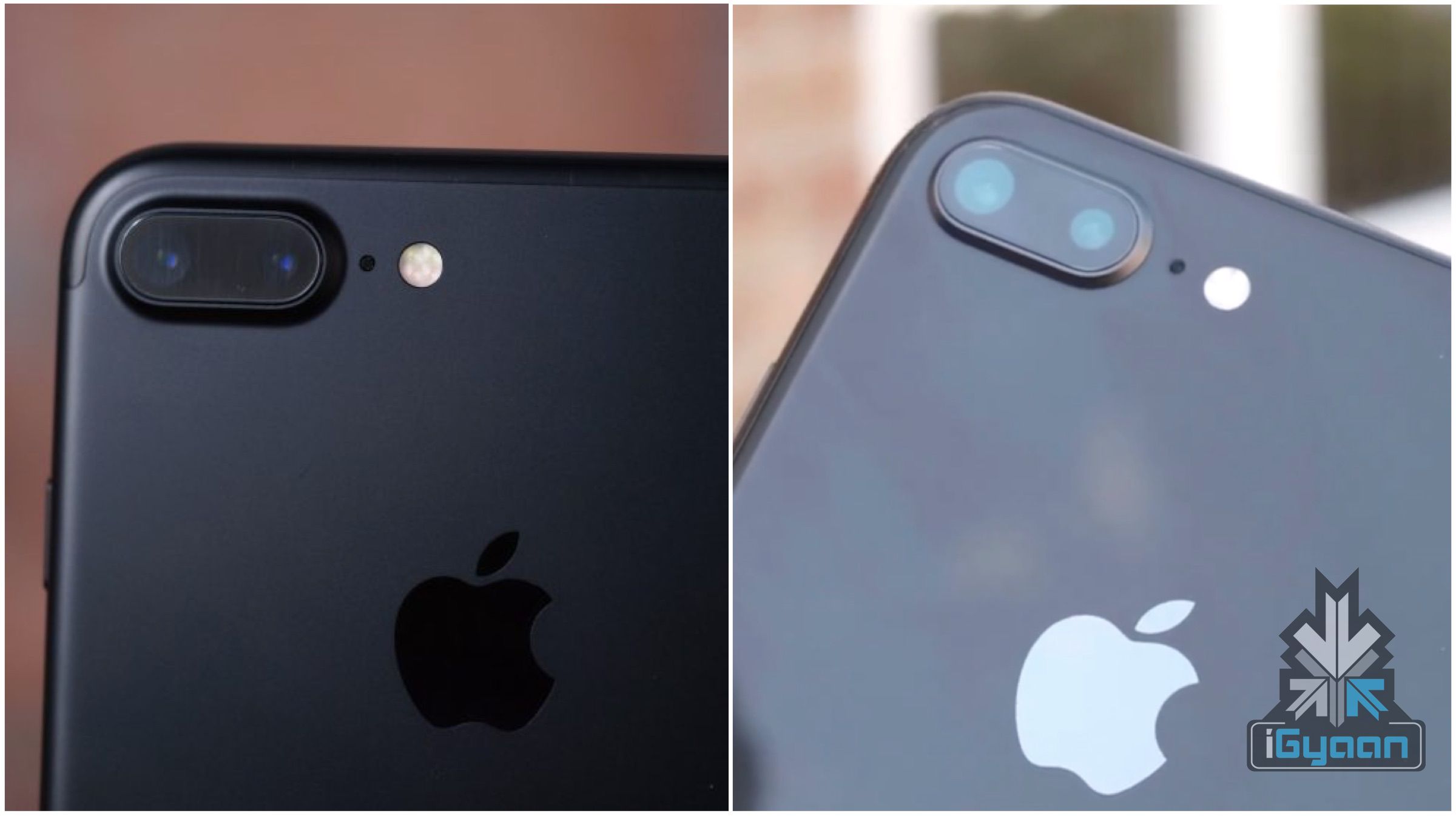
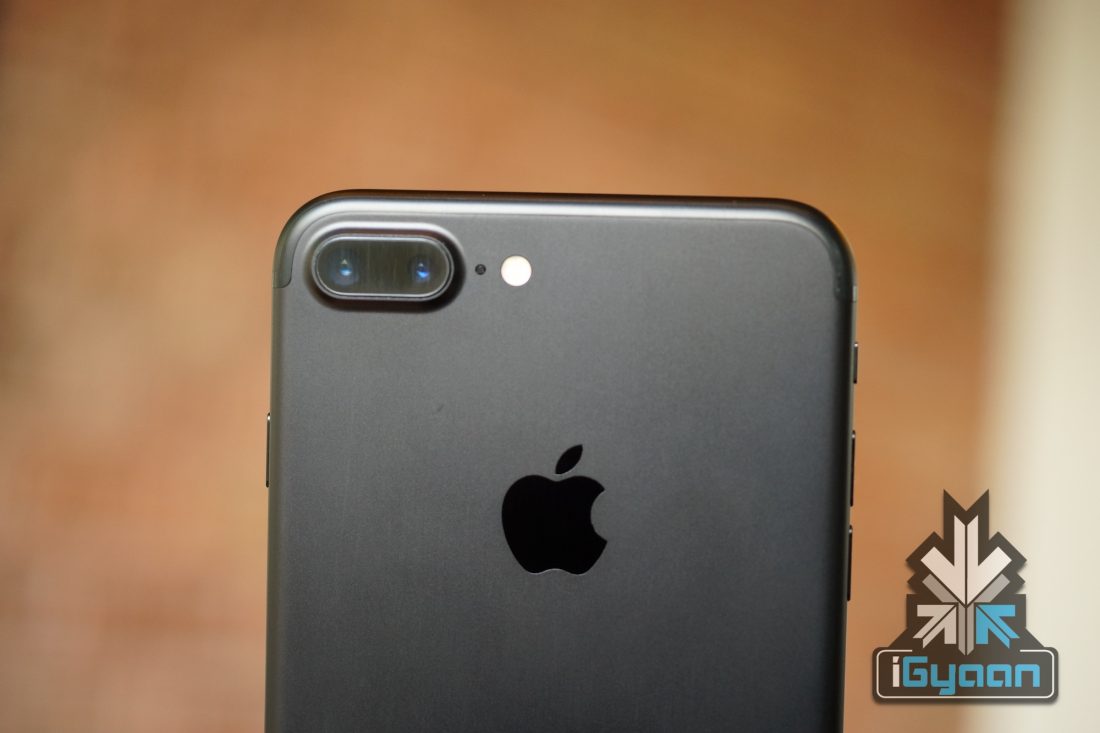
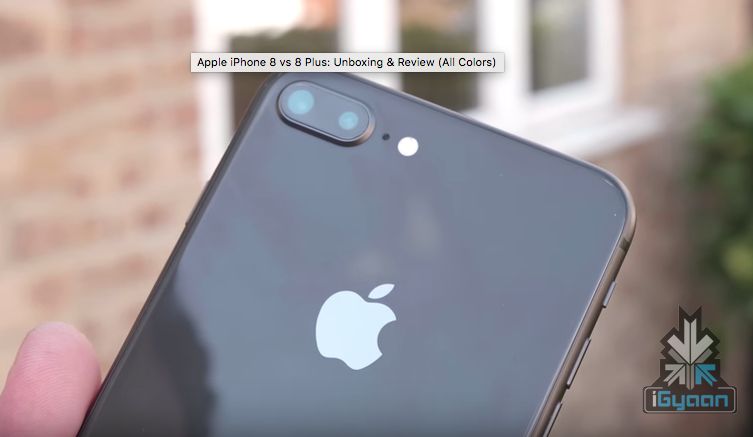
    Israeli company Corephotonics has filed a lawsuit against Apple for patent infringement. It looks like Apple can’t catch a break, as this case has emerged right after it won a US $120 million case against Samsung. Corephotonics, a maker of dual lens camera technology, claims that the cameras featured in the iPhone 7 Plus and iPhone 8 Plus infringe on four of its patents.

    Corephotonics was founded in 2012 by Dr. David Medlovic, a Tel Aviv University professor and former chief scientist in the Israeli government.

    iPhone 7 Plus

    Corephotonics claims in the lawsuit that it reached out to Apple “as one of its first acts as a company” to establish a strategic partnership. The exchanges with Apple continued for a some time but never resulted in a license agreement for Corephotonics’ dual lens technology. In the lawsuit, the company claims:

    Apple’s lead negotiator expressed contempt for Corephotonics’ patents, telling Dr. Mendlovic and others that even if Apple infringed, it would take years and millions of dollars in litigation before Apple might have to pay something.

    According to the lawsuit filed, Apple infinged four patents that Corephotonics filed between 2012 and 2015. Of the four, two patents were on mini telephoto lens assembly, one patent on dual aperture zoom digital cameras, and one on high resolution thin multi-aperture imaging systems, which is essentially an umbrella term that covers what dual lens cameras are.

    The company claims that its dual aperture camera technology has two fixed-focal length lenses, including a wide angle and a telephoto lens, which is what Apple uses in its iPhone 7 Plus and iPhone 8 Plus.

    In a bizarre turn of events, the Israeli company has roped in the consumers as well in this lawsuit. Corephotonics says since Apple is selling the phones with “knowledge of or wilful blindness” of the patents it’s allegedly infringing, the lawsuit claims that consumers who buy the iPhone 7 Plus and the iPhone 8 Plus are infringing on the Corephotonics’ telephoto lens assembly patent as well.

    The lawsuit demands monetary compensation for the lawyers that Corephotonics has had to hire along with additional damages. It is also demanding that Apple stop using dual-aperture cameras immediately.


  • Samsung Has To Pay US $120 Million To Apple

    Samsung Has To Pay US $120 Million To Apple

    Samsung and Apple may be nearing the end of their legal battle woes. The US Supreme Court refused to hear Samsung’s appeal of a ruling that awarded Apple $120 million for a case that started back in 2014

    Back in 2014, a San Jose, California federal court ruled that Samsung infringed several Apple patents that allowed for a lot of  popular iPhone features, such as slide-to-unlock, autocorrect, and the ability for information like addresses and phone numbers to automatically turn into links. As a result of that ruling, Samsung was asked to pay US $119.6 million to Apple. That verdict was then overturned by the Federal Circuit but, it was then reinstated in October 2016 by that same court.

    After that ruling, Samsung appealed the decision to the US Supreme Court. In the appeal, Samsung stated that the Federal Circuit, which specifically deals with patents, made the decision without listening or reading the whole story. The company also implied that the patent court is biased toward patent holders. In a statement, Samsung express its disappointment on the ruling:

    Our argument was supported by many who believed that the Court should hear the case to reinstate fair standards that promote innovation and prevent abuse of the patent system. One of Apple’s patents at issue in this case has been invalidated by courts around the world, and yet today’s decision allows Apple to unjustly profit from this patent, stunts innovation and places competition in the courtroom rather than the marketplace.

    The good news for Samsung is that this does not change an earlier decision to dismiss a $399 million verdict against the company. In December 2016, the US Supreme Court sided with Samsung in a case against Apple over patent infringement. The case began in 2012 when Apple sued Samsung, claiming Samsung had violated its design and other patents for its iPhone on many of Samsung’s Galaxy smartphones. After years of back-and-forth and re-appeals, Samsung took the case to the US Supreme Court in 2016 where it ruled 8-0 that Samsung does not have to pay $399 million to Apple, overturning an earlier appeals court ruling in this case.

    Samsung and Apple have been rivals ever since the Android platform rose to prominence and Samsung became one of the biggest smartphone makers in the world. Apart from the legal battles, both the companies are known to mock each other on social media and their respective ad campaigns. Recently, Samsung released an ad where it mocked the iPhone X and urged people to ‘upgrade to Galaxy’.

  • Samsung And Apple To Face Retrial Over $400 Million Patent Damages

    Samsung And Apple To Face Retrial Over $400 Million Patent Damages

    Apple has its hands full at the moment, as the sale of the iPhone X nears, the company finds itself in a yet another prolonged legal battle against Samsung. The patent battle between Apple and Samsung over who owns the concept of smartphones with round corners is back for another trial. Back in 2012, the case was settled and Samsung was ordered to pay over US $1 billion to Apple. That figure is currently US $400 million and a successful appeal for a retrial means that this amount might be reassessed again.

    The judgement was made yesterday by Judge Lucy Koh of the United States District Court for the Northern District of California, with the ruling spotted and shared by patent lawyer Florian Mueller. Apple and Samsung now have until the 25th of October to propose a date for the retrial, although Mueller has said that there is a high chance that the two companies will settle out-of-court instead. Although there’s still a lot of money on the table, both sides have proved their willingness to go to the mats on this issue. Moreover, Samsung and Apple cannot be distracted right now since both companies will be up against Qualcomm in a legal battle.

    It is worth noting that the retrial isn’t to determine whether Samsung infringed the patents of Apple while making its smartphones. That bit is settled and Apple will receive the damages f0r it. This retrial is to see whether Samsung will pay the damages it pays based on the total profit it made from its handsets, or a percentage of that profit. Samsung argues that even if it copied certain aspects of Apple’s smartphones, these were only ever a part of the appeal of its own products. The Supreme Court Of America had already ruled that a judgement based on profit would be unfair.

  • Apple Has To Pay US$439.7 Million For Patent Infringement

    Apple Has To Pay US$439.7 Million For Patent Infringement

    Apple has been dealt with a US$439.7 million fine for apparently infringing four patented technologies of VirnetX used in FaceTime and other iOS apps. While this is the final judgment from the US District Court, Apple has plans to appeal the ruling which will prolong the legal battle which began back in 2012.

    Legal battles between these two companies has been a back and forth tennis match since 2010. VirnetX first filed suit against Apple in 2010, winning US$368 million two years later. It then sued Apple again in 2012, which is the suit that was being ruled on this time.  Apple initially lost the suit, and then filed for a mistrial. It won a new trial, lost that trial, and was ordered to pay around US$300 million, then lost some more money and is now having that amount increased even further. This happened because a judge found Apple guilty of wilful infringement, bumping its payment amount from US$1.20 per infringing Apple device to US$1.80 per device. In response to the ruling, VirnetX has said that this was a “reasonable amount.”

    US$440 million might not be a huge amount for Apple and the money involved is certainly not the reason behind Apple’s effort to appeal against the judgement. VirnetX has been known to make money out of filing patent infringement suits. The company’s SEC filing states, “Our portfolio of intellectual property is the foundation of our business model.”

    Legal battles seem to be following Apple nowadays. Qualcomm recently filed a lawsuit against Apple in China in an attempt to stop manufacturing and sales of iPhones in China. China is the largest smartphone market in the world and this lawsuit has come at an extremely crucial time as the company gears up for the sales of the iPhone X.

  • Xiaomi is Being Sued by a US Firm for Patent Infringement

    Xiaomi is Being Sued by a US Firm for Patent Infringement

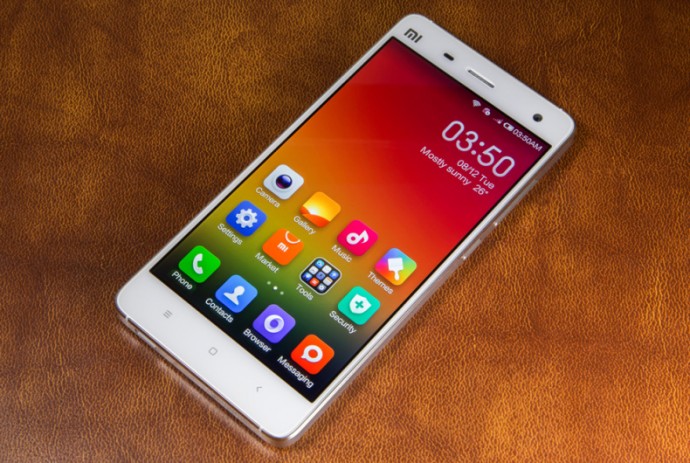
    Xiaomi is being sued by a US firm by the name of Blue Spike, LLC. In a complaint filed in the US District Court for the Eastern District of Texas, Blue Spike has alleged that several of Xiaomi’s mobile devices, including the upcoming Mi 5 and Mi 5 Plus, are infringing on a patent titled  “Data Protection Method and Device”.

    Mi5

    Other handsets that are included in the lawsuit are  the Mi 4, Mi 4 LTE, Mi 4c, Mi 4i, Mi Note Plus, Mi Note Pro, Redmi 1S, Redmi 2, Redmi 2 Prime, Redmi 2 Pro, Redmi 2A and Redmi Note 2. However, the Mi 4 and Redmi 2 Pro have already cleared FCC.

    But what really makes one stamp a giant question mark on this story is that the US firm doesn’t appear to have much credibility to its name. The company claims its business revolves around Address Space Layout Randomization (“ASLR”) software, systems, and technology. However, their website seems to show no clients or products. All this suggests that Blue Spike LLC, which has also filed lawsuits against other companies like Google and Apple, is merely a patent troll.

    Source

  • Apple to Pay $532.9 Million For Patent Infringement

    Apple to Pay $532.9 Million For Patent Infringement

    Electronics giant, Apple has found itself on the losing end today after a court found that its iTunes software infringed the patent of a Texas-based company. Apple has been asked by the court to pay Smartflash LLC a massive sum of $532.9 million.

    The US District Court for the Eastern District of Texas found that Apple’s iTunes software violated three patents owned by Smartflash. The actual compensation demanded by Smartflash was $852 million. It claimed that it was entitled to the percentage of sales of all the devices such as Macs, iPad and iPhones that were used to access iTunes.

    A visibly bitter Apple team said that it did not respect Smartflash’s inventions, as the patents were invalid and weren’t infringed. It had claimed that the patents were at most worth $4.5 million adding that Smartflash demands were excessive and unsupportable.

    The court found Apple guilty of infringing 3 patents of Smartflash and using them in iTunes.
    The court found Apple guilty of infringing 3 patents of Smartflash and using them in iTunes.

    Smartflash is not a device maker; it licenses the patents issued to it between 2008 and 2012. It has also sued Samsung, Google and Amazon for patent infringement. The jury found that Apple didn’t just infringe the patents; it did so willfully.

    iTunes is one of the central softwares in the Apple ecosystem. It is not just a music player but is also a major e-commerce player as users can download content through it.

    The case might be important in terms of patent reforms. The American system of patents allows developers and creators to gain patents on slightest dissimilarities with other products. This leads to a vast numbers of patent hoarders, whose sole business model is based on the licensing income.

  • Samsung Counter-Sues NVIDIA Over Patent Infringement

    Samsung Counter-Sues NVIDIA Over Patent Infringement

    After being accused by NVIDIA of patent infringement, it’s Samsung now who has accused NVIDIA of infringing several of its semiconductor-related patents, counter-suing after the later one filed a lawsuit against the Korean manufacturer in September.

    Samsung filed the lawsuit on Monday and is now seeking penalty for the infringement of his several technical patents. The Korean giant has also accused NVIDIA of misleading advertising when it says ‘Shield’ tablet sports the world’s fastest mobile processor, the Tegra. This was in response to NVIDIA’s accusation against Samsung and rival Qualcomm for infringing patents on its graphics-processing unit (GPU).

    “We’ll review and respond to these new claims against us, and look forward to presenting our case on how NVIDIA GPU patents are being used without a license,” said NVIDIA in a statement. The company also cited a benchmarking study that supports its claim of Tegra being the fastest mobile processor in the market.

    Earlier last year, Samsung was accused by Apple over infringement of several patented technologies, and now the Korean manufacturer is in a tiff with NVIDIA. This makes one wonder – ‘Why always Samsung’.

  • Add iPhone 5 to U.S lawsuits : Samsung

    Add iPhone 5 to U.S lawsuits : Samsung

    Samsung Electronics Co said on Thursday it planned to add Apple’s iPhone 5 to its existing patent lawsuits against the U.S. rival.

    The company added that it needs to examine the iPhone 5 first, however. It said the change in the lawsuit will likely come “as soon as it has had a reasonable opportunity to analyze the device.”

    Samsung’s action, when it happens, is not expected to affect sales of the iPhone 5, which begin on Friday in the U.S. and eight other countries.

    [quote]”Samsung anticipates that it will file, in the near future, a motion to amend its infringement contentions to add the iPhone 5 as an accused product,” it said in a US court filing. “Based on information currently available, Samsung expects that the iPhone 5 will infringe the asserted Samsung patents-in-suit in the same way as the other accused iPhone models.” [/quote]

    Samsung and Apple are locked in global patent battle in 10 countries and the stakes are high as the two technology giants vie for the top spot in the booming smartphone market. Both companies are also aggressively raising marketing spending to promote their latest products ahead of the crucial year-end holiday season. 

  • South Korean court bans some Apple, Samsung products

    South Korean court bans some Apple, Samsung products

    Apple and Samsung have been ordered to stop selling some smartphones and tablet computers in South Korea and pay damages after a court ruled they each infringed the other’s patents.

    The South Korean court said that Apple had infringed two of Samsung’s wireless patents, while Samsung had infringed on a fruity firm patent related to a “bounce-back” touchscreen feature, Bloomberg, the Financial Times and others reported.

    The court also awarded damages to both sides, but only enough to cause a momentary fumble in their pockets. Apple only needs to pay 40m won ($35,000, £22,000) and Samsung just has to hand over 25m won ($22,000, £14,000).

    The Seoul Central District Court ruling called for a partial ban on sales of products including iPads and smartphones from both companies, though the verdict did not affect the latest-generation phones — Apple’s iPhone 4S or Samsung’s Galaxy S3.

    The ruling affects only the South Korean market, and is part of a larger, epic struggle over patents and innovation unfolding in nine countries. The biggest stakes are in the U.S., where Apple is suing Samsung for $2.5 billion over allegations it has created illegal knockoffs of iPhones and iPads.

iGyaan Network
Privacy Overview

This website uses cookies so that we can provide you with the best user experience possible. Cookie information is stored in your browser and performs functions such as recognising you when you return to our website and helping our team to understand which sections of the website you find most interesting and useful.