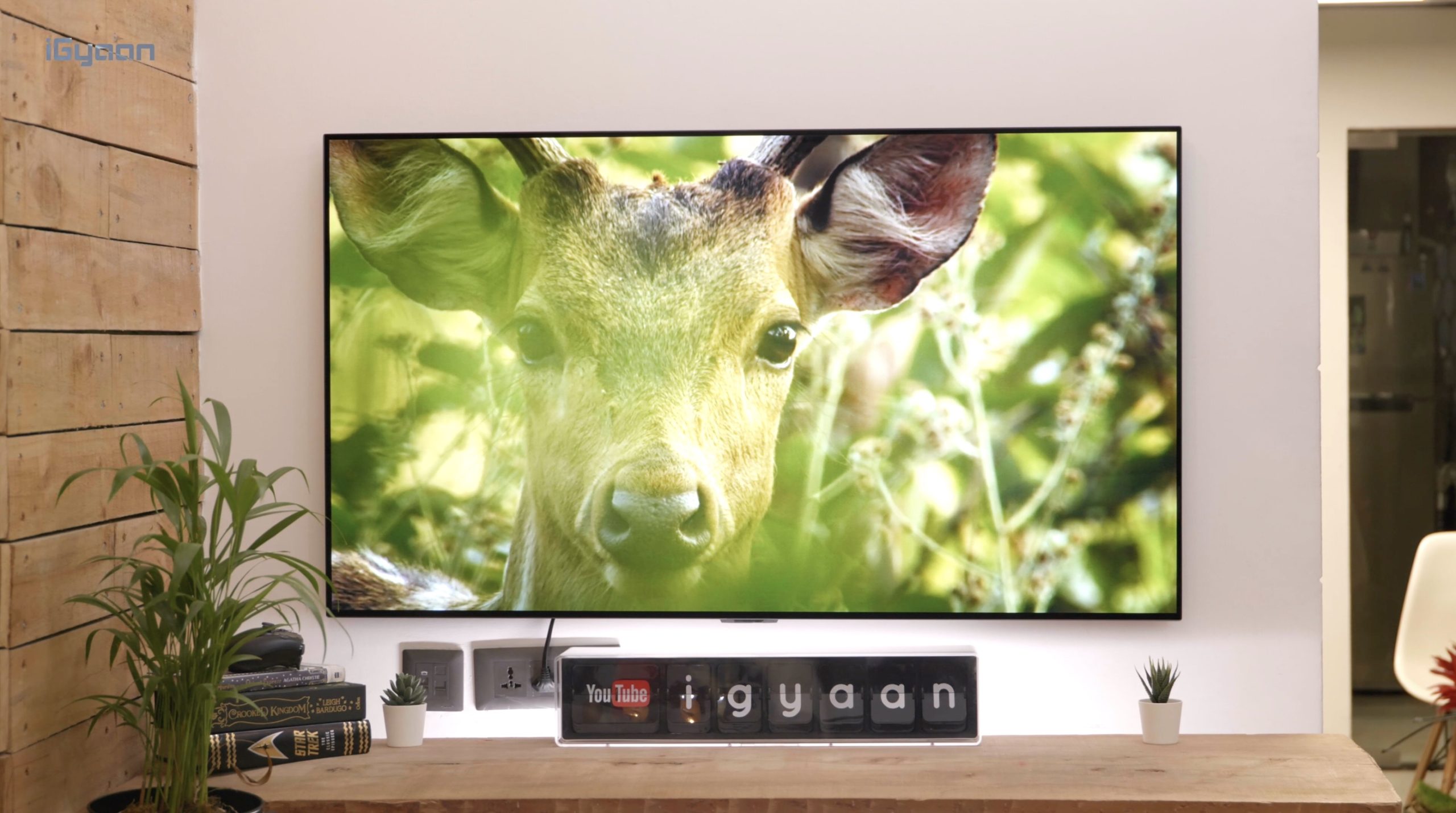
LG G1 OLED tv is the flagship tv for the company in 2021. It features a new OLED EVO panel which is extremely bright and features a high dynamic range. The tv runs on webOS and has support for all OTT streaming apps. The magic remote works like an air mouse and makes inputting text and navigating the UI super easy. The design of the tv is premium with extremely thin bezels, and a flush wall mount. check out our video to find out more about the LG G1
Tag: OLED Display
-
Scientists Develop Brighter, More Energy Efficient OLED Display For Smartphones
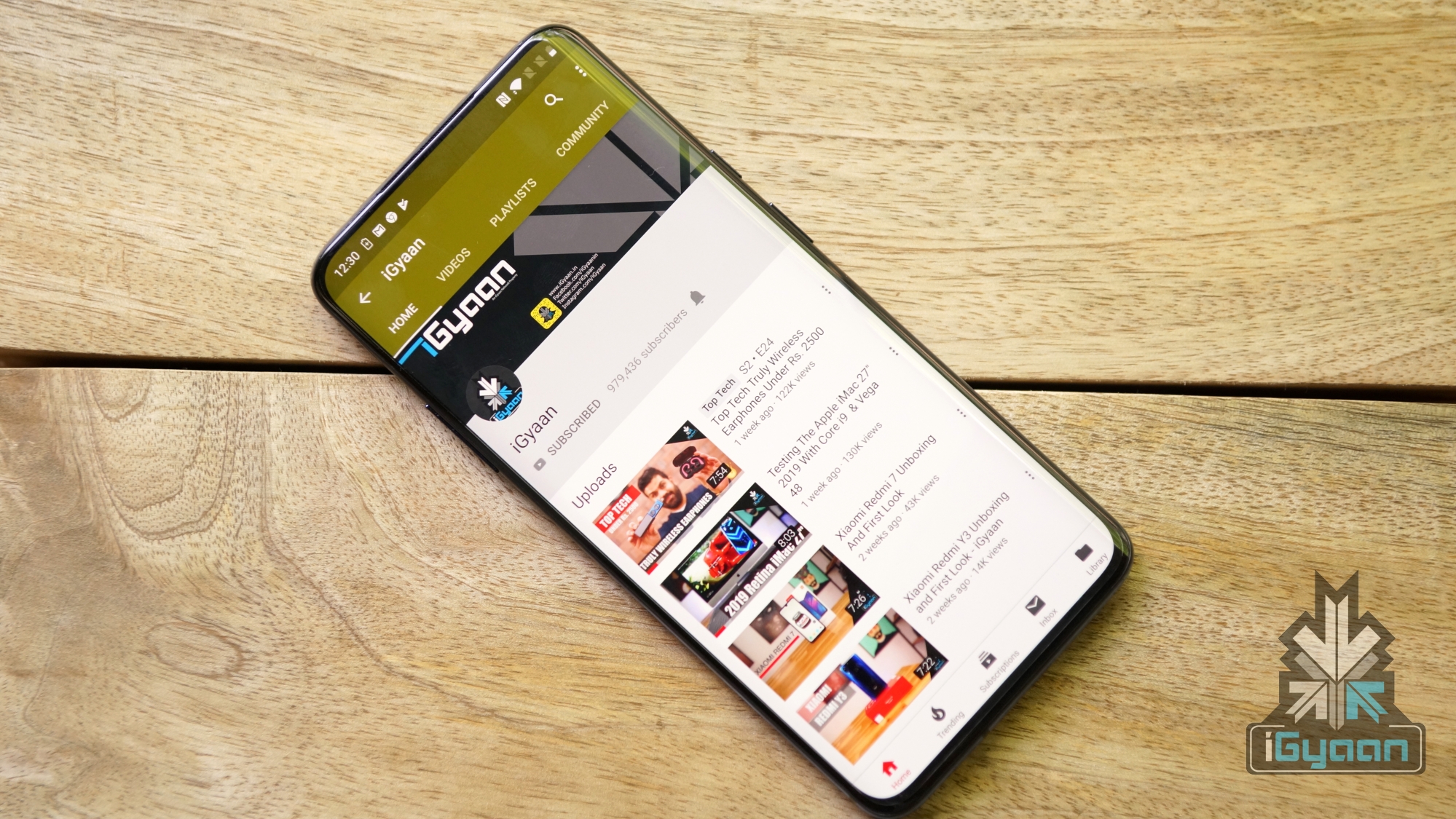
In this day and age of bezel-less smartphones, the most popular types of displays used in the devices are OLEDs or Organic Light Emitting Diodes. The type of displays use individual pixels that produce light and as a result, give out unmatched brightness and deep blacks. They are usually seen in flagship smartphones like the iPhone XS/XS Max, Samsung Galaxy S10 series and the OnePlus 7/7 Pro. Now, the latest reports reveal that scientists have developed an OLED display that produces brighter images and is more energy efficient.
About the development
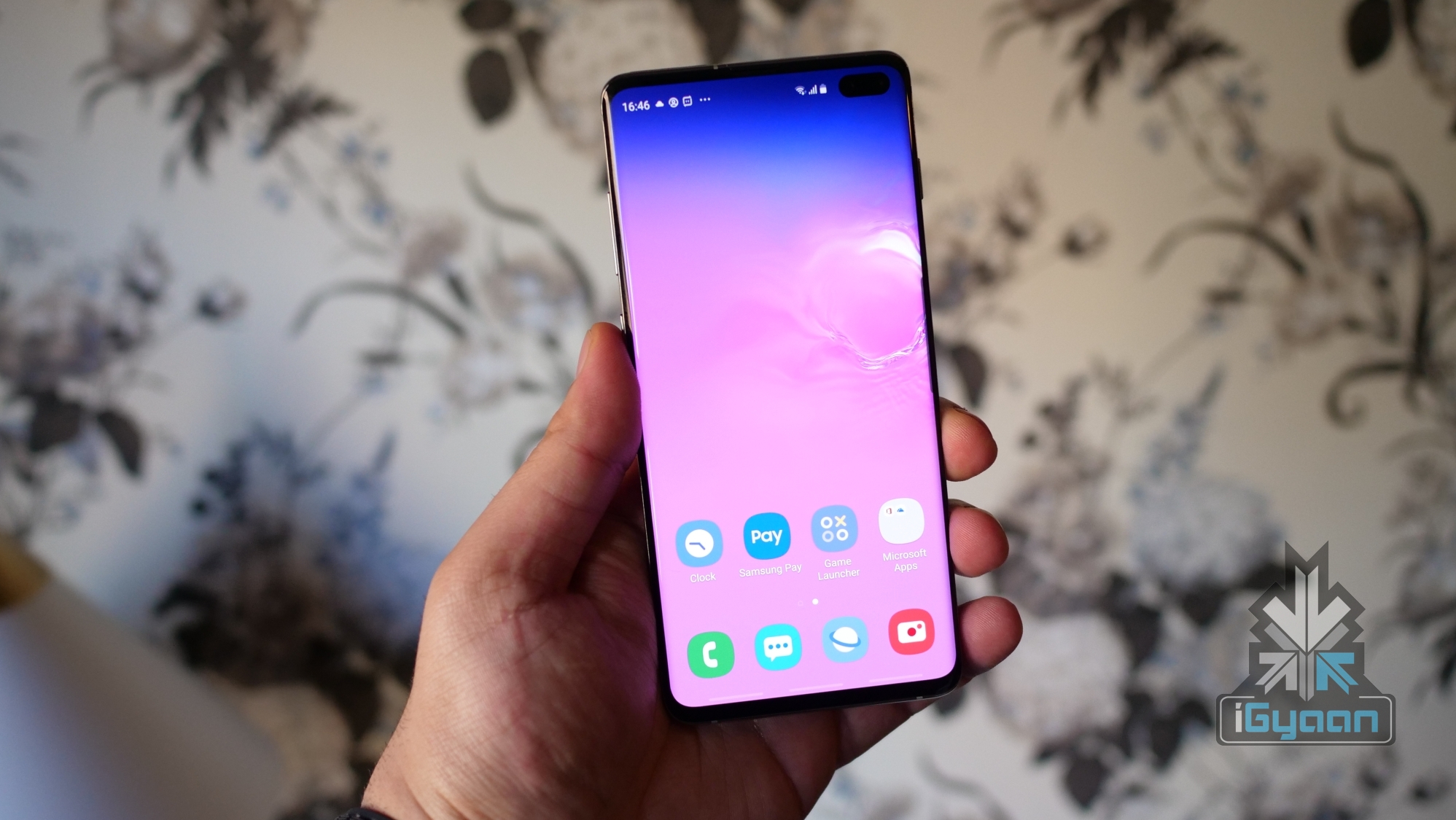
Samsung Galaxy S10+ The scientists at the Departments of Physics and Chemistry; at the Imperial College London have developed a new type of OLED display that offers a brighter output and increases battery efficiency. The results have been achieved by controlling the basic chemistry used by OLED materials. It is revealed that OLEDs that can produce a special type of polarised light can be manufactured. This new type of display can bypass the anti-glare filter that is in most smartphones today. It leads to an OLED display that has better battery life and a lower carbon footprint.
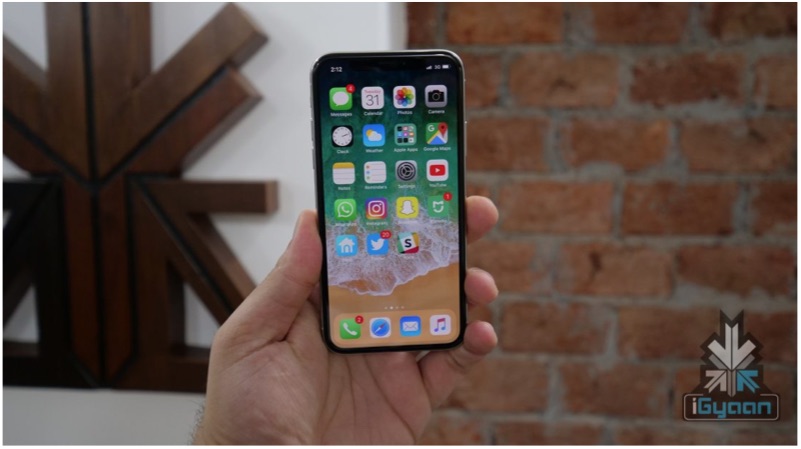
iPhone X Also read: Samsung Galaxy Owners Accuse Company Of Misleading IP Rating
As mentioned above, many of the modern smartphones use OLED displays. To ensure that the images produced by it are visible in sunlight, the displays are often covered with an anti-glare filter. Unfortunately, due to the dense nature of the filter, around half of the light generated by each OLED pixel is trapped within the display. This results in half of the original energy efficiency of the technology. Until now, most smartphone OEMs sacrificed the energy efficiency factor of OLED displays to increase readability outdoors. The aforementioned development could mean that devices in the future will solve the problem and offer an OLED display that is brighter and more energy efficient.
-
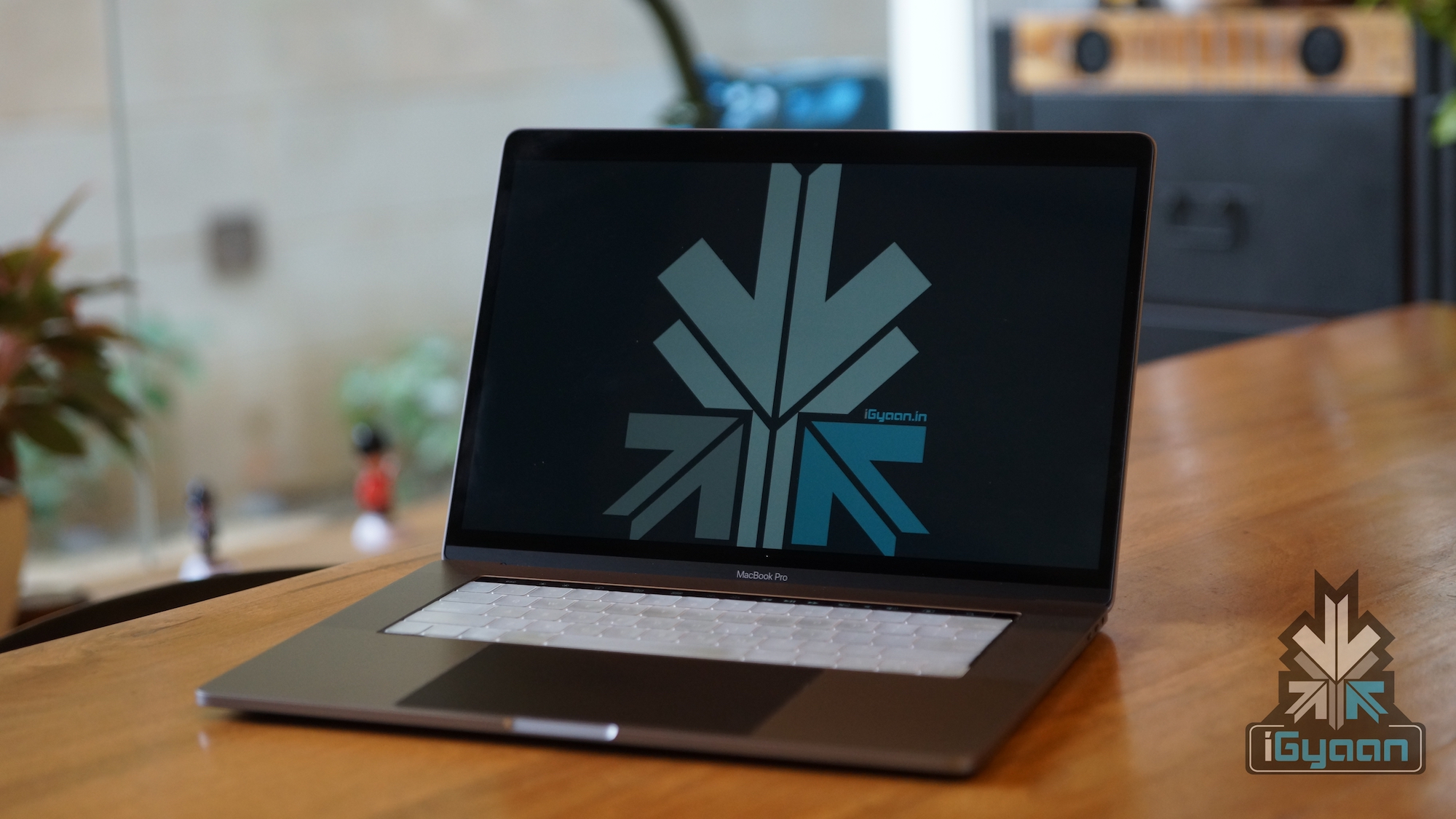
Future MacBook And iPad Models Reported To Feature OLED Display
Apple is one of the leaders in the market that it competes in. However, just holding top honours does not guarantee success forever, one must adapt to the ever-volatile industry. With this, the tech giant may now start introducing its OLED displays to more product lineups. We may soon start seeing better displays on its notebooks and tablets.
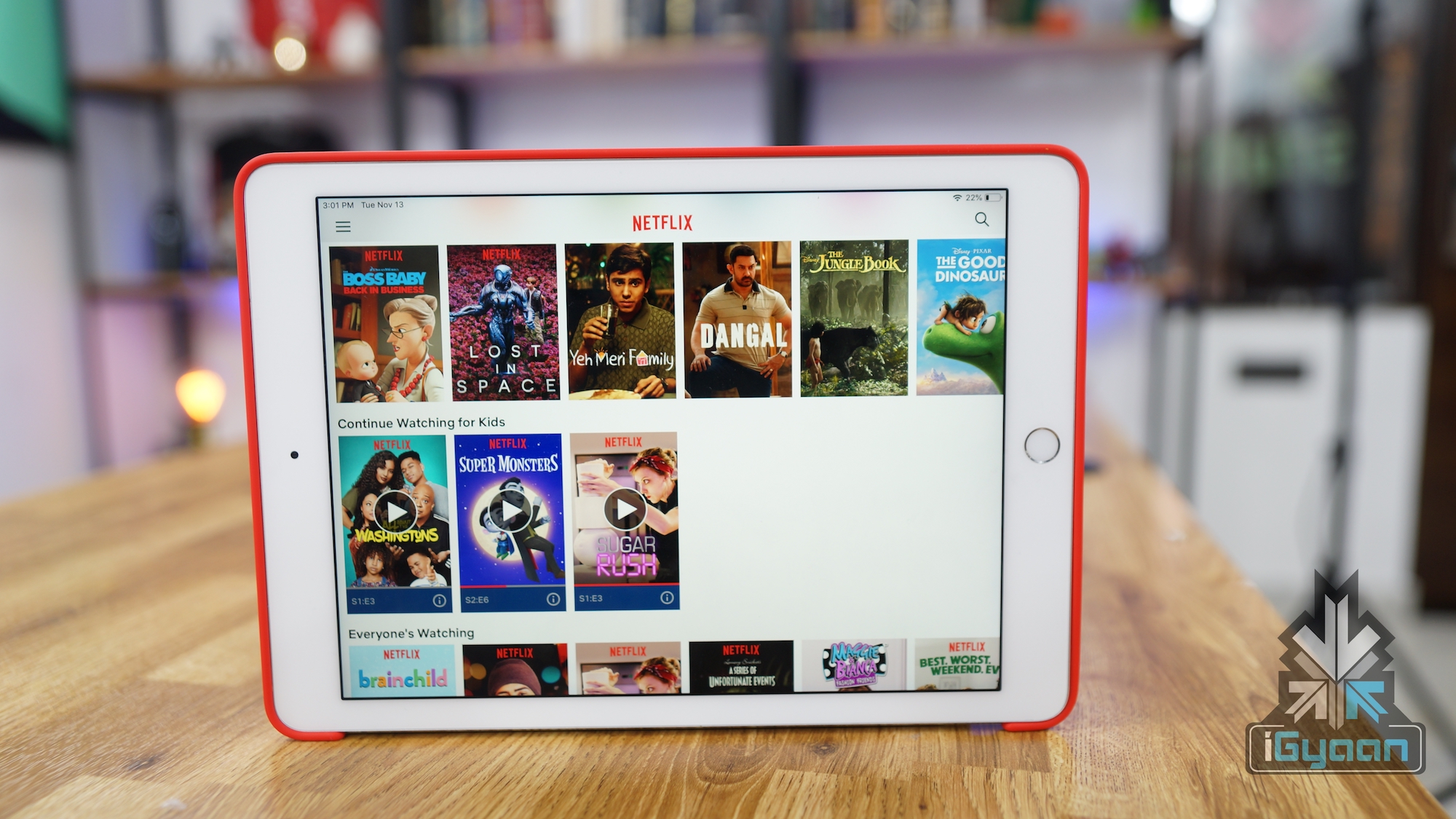
According to a report, Apple is apparently seeking to make good on a contract with Samsung, the latter is one of the largest manufacturers of the aforementioned OLED displays. Reportedly, the American company has failed to buy enough units for the iPhone screens from Samsung. Hence, the bid to utilize the particular technology. This report is still unconfirmed by both parties in question, so a concrete conclusion cannot be formed.
The tech giant has equipped the high-end screens on its flagship smartphones in the last few years. Even though most users are unaware of this fact, Samsung displays are actually one of the key selling points for the top-end premium smartphones used by Apple. As of now, several other OEMs have used OLED screens in their tablets and notebooks, however, Apple is yet to do the same. These screens have historically been well-received and a shift in display panels will definitely help bolster the company’s sales.
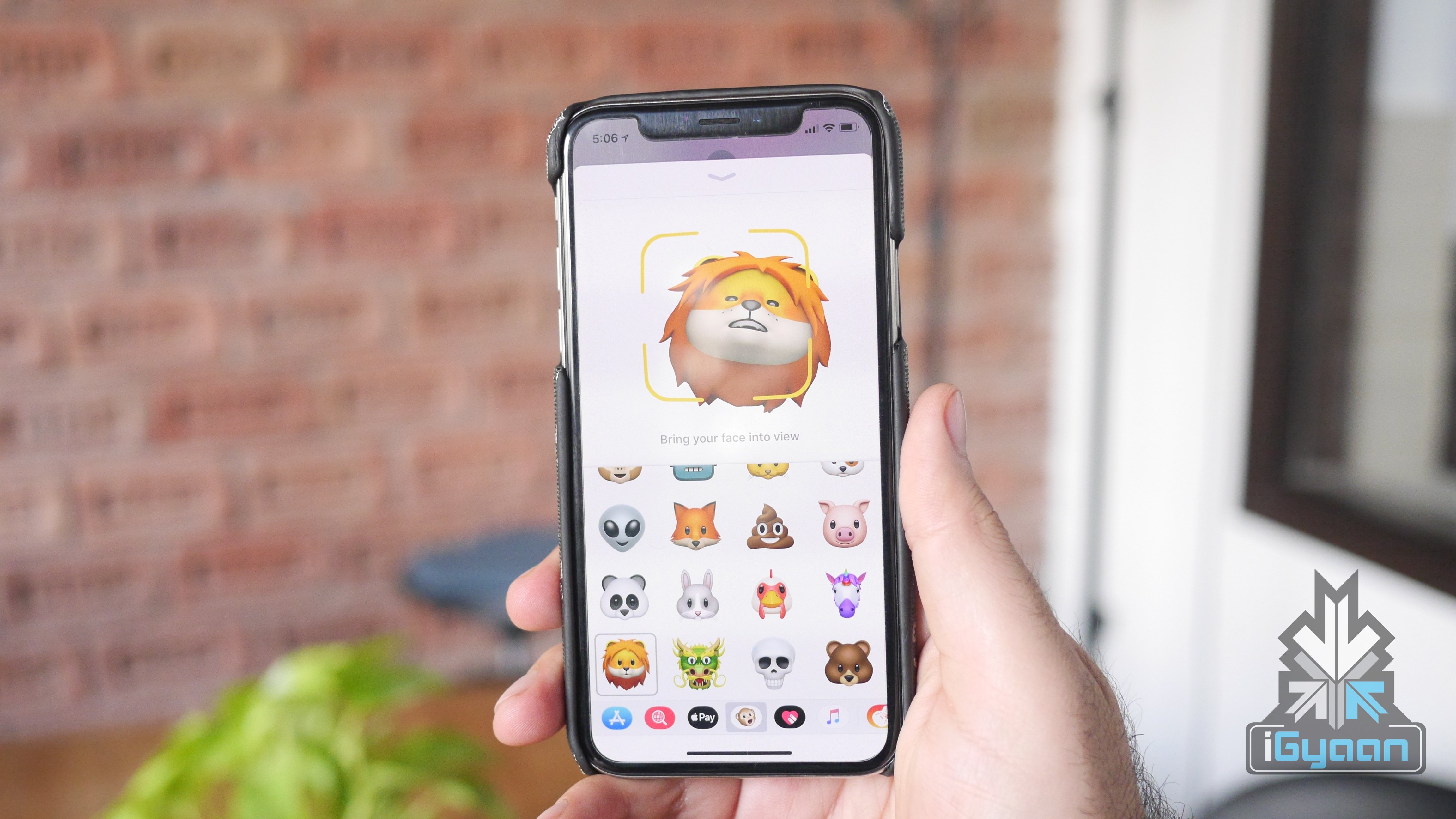
Apple devices that ship with the OLED displays are still a while away from being seen. Furthermore, even if the company were to immediately issue the order for larger sized OLED panels, it will still be a couple of years before any product having them will be commercially available. However, if this is true future MacBook Pros and iPads will be the first devices apart from the Apple Watch and iPhones to receive the particular technology.
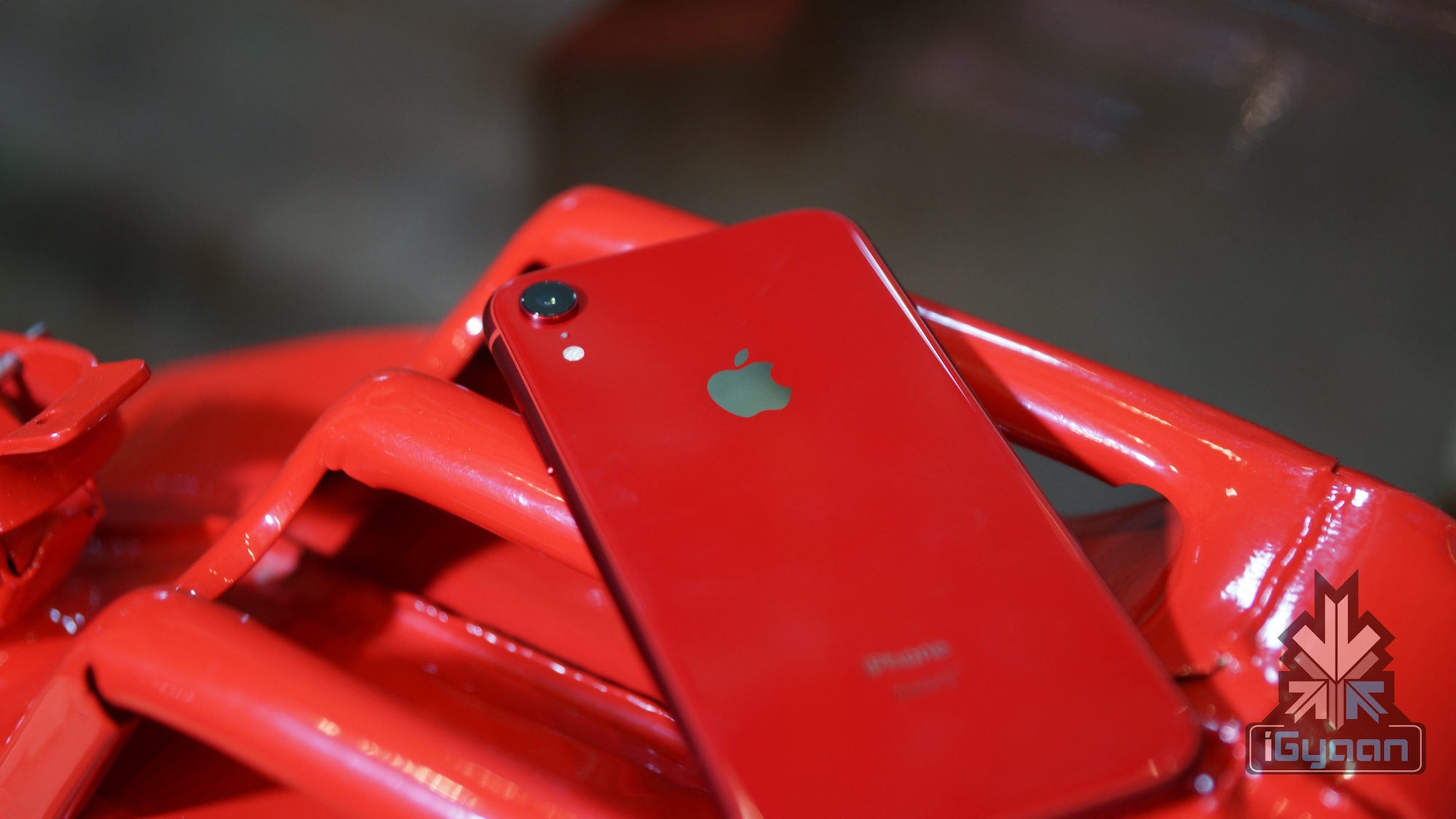
Also Read: OnePlus Now Holds 2% Share In Premium Smartphone Market
A more probable scenario would be the iPhone XR being equipped with the OLED screen due to its popularity. Hence, a better screen on the best-selling product, as said by Apple, is highly likely. Apple is planning on making significant additions and changes in its future lineup to make up for the slowing down of its sales and drop in market share.
-
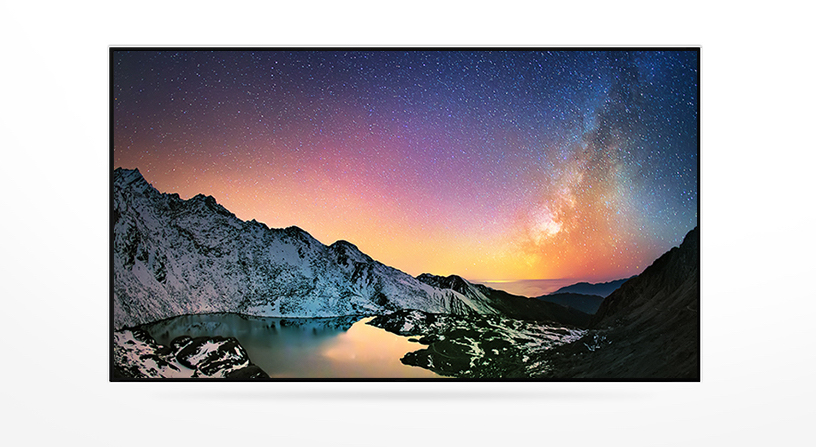
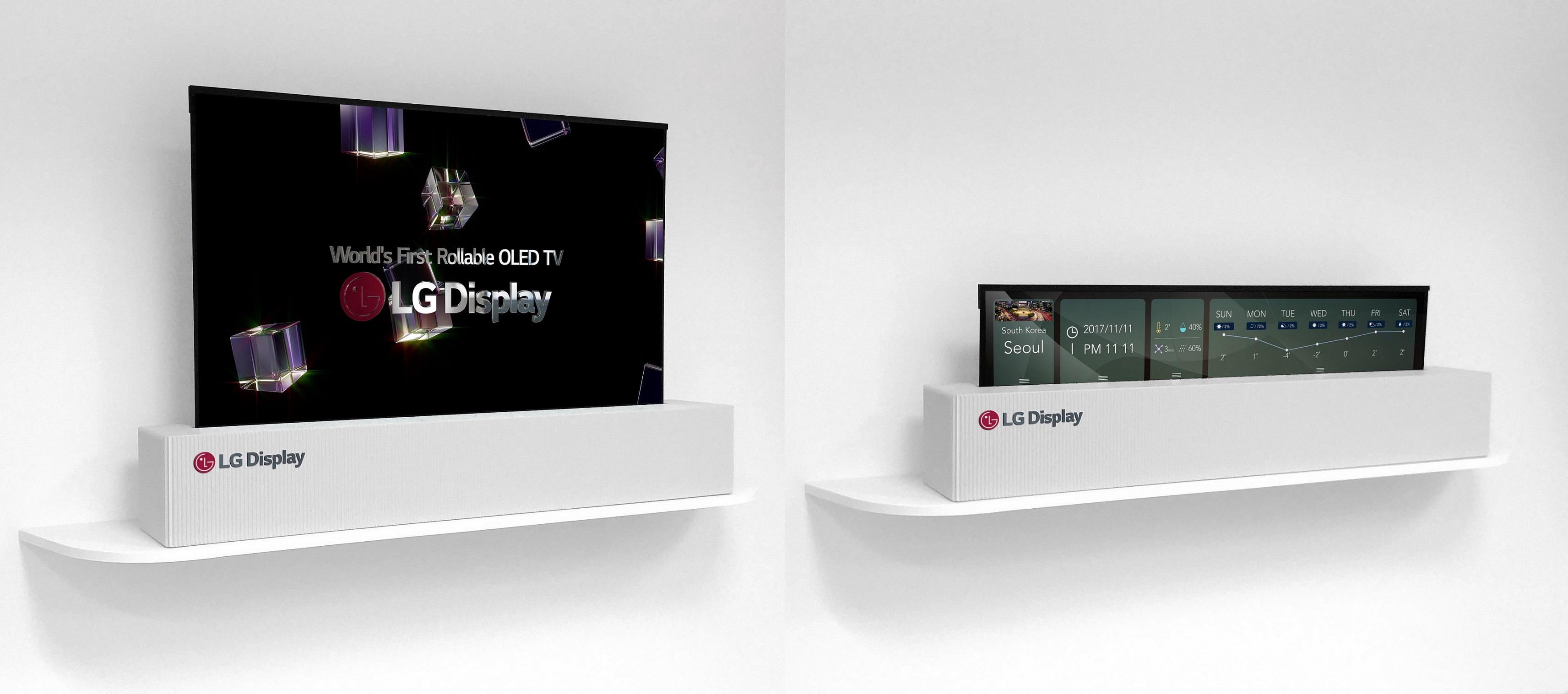
LG To Launch A TV Which Rolls Up Like A Piece Of Paper
Earlier this year, LG had showcased a Television which rolls up just like a movie poster. The company demonstrated the rolling mechanism and its multiple uses. While the technology had grabbed many eyeballs, not many expected it to come into production, especially not this soon. Now, reports suggest that LG will be launching a production variant of the same next year.
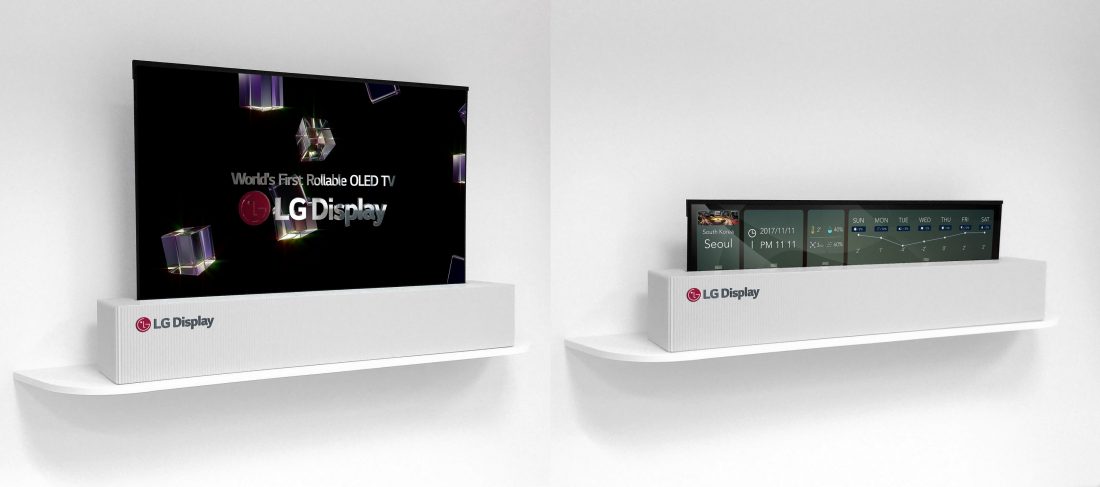
The need for a breakthrough innovation has been long due in the TV industry and LG might have just cracked the code with this one. The TV that has been demonstrated is a 65-inch rolling display with a retracting panel that is operated using a remote. At the press of a button, it emerges out of a base which houses it and also automatically rolls back down.
The uses of such a display are many, as envisioned by the company. The biggest advantage is that of adjusting aspect ratios. You can quickly switch from a 16:9 aspect ratio to a 21:9 aspect ratio. Depending on the nature of content and how you prefer to watch it. The large 65-inch screen will ensure that you get a great viewing experience. Even with a part of the screen rolled down. Adding to this is the 4K resolution that the display offers, which claims to give a great cinematic experience.
Also Read : Samsung Granted Patent For 3D Hologram Display
The base at the bottom is to hide the technology behind the display, according to company officials. The TV sports an OLED display, which will fold more easily than traditional LCD panels. The company also hopes that this boosts their share in the TV market, and also sets them apart from their competition. With not so much happening in this segment over the past few years, we are excited to see how this product will find a place in the homes of consumers when it goes on sale next year.
-
Apple Will Release All 3 2019 iPhones With OLED Displays
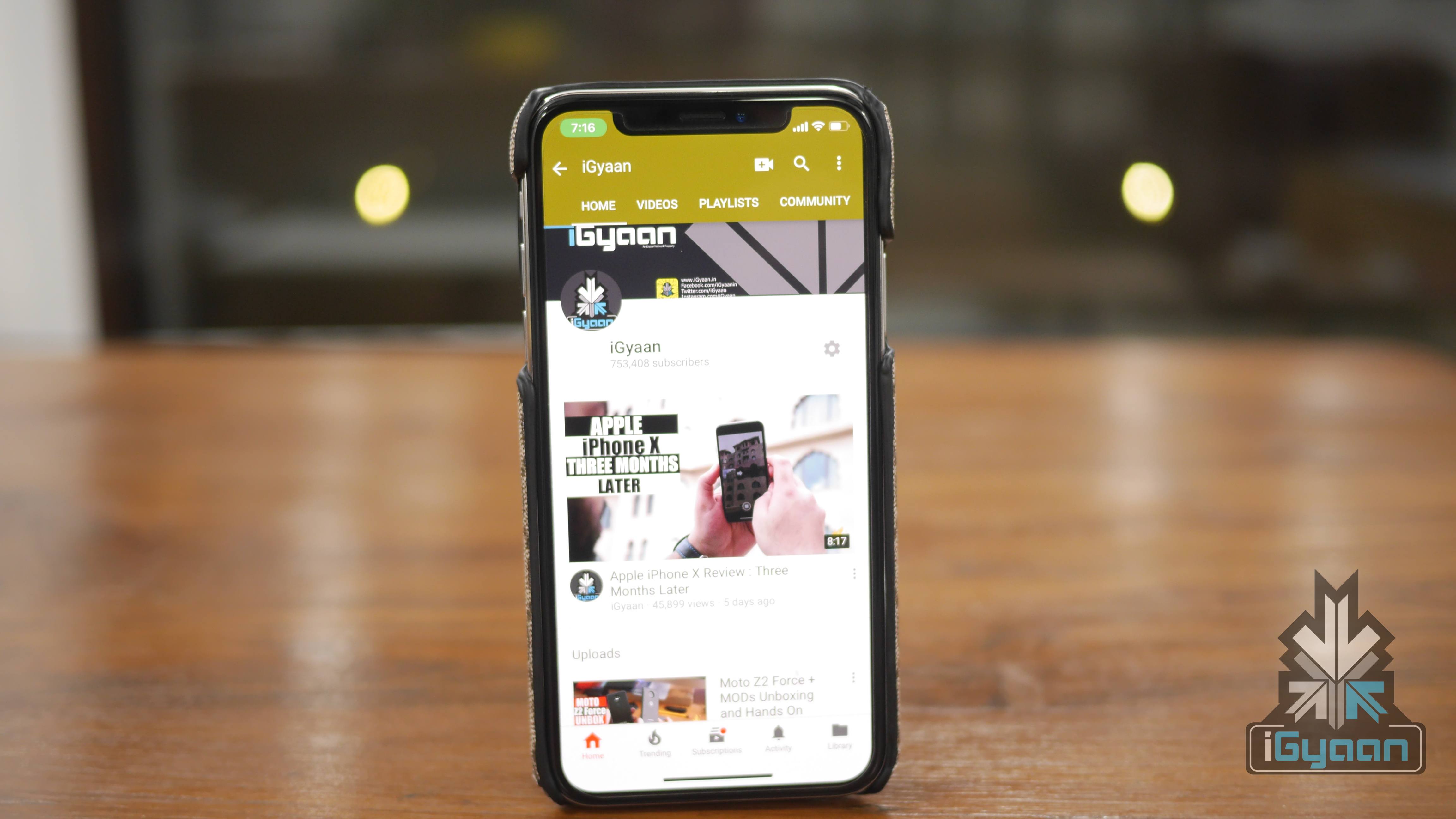
Apple has a busy few months ahead with the WWDC 2018 and September launch event. While we are yet to know telling details about the 2018 iPhone lineup, it appears that the 2019 iPhone lineup has a few thing sorted out already. We know that 2018 will see the launch of three iPhones, out of which, the most affordable one will have an LCD display. A new report claims that the 2019 iPhone lineup won’t have an LCD panel at all.
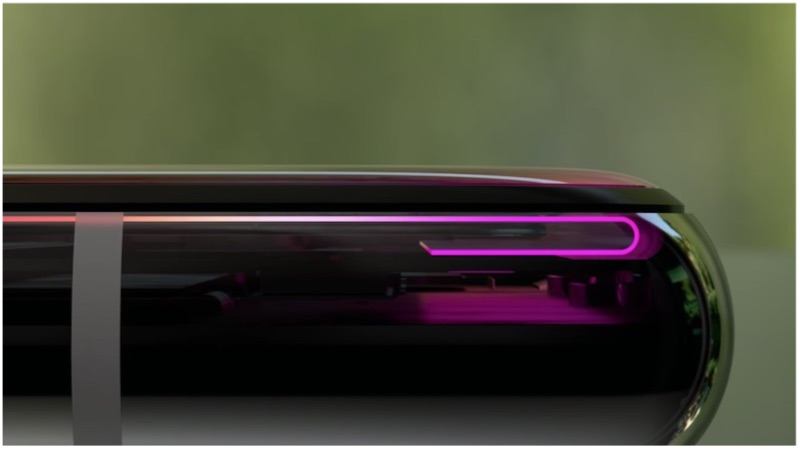
Curved Display Of iPhone X The report by South Korea’s ET News falls in line with previous rumours that Apple will complete its transition to OLED in 2019, with all models adopting the technology. The report apparently quotes an Apple official (Google Translate):
“Apple recently started planning the iPhone model in 2019 and decided to adopt OLED in all three types,” said an official from Apple who said, “The OLED used in the iPhone X (TEN) is a low temperature polysilicon (LTPS) LCD Quality, performance, and so on.
Must Read: 2018 Apple Lineup to Include iPhone , iPhone X and iPhone X Plus
[amazon_link asins=’B072LPF91D’ template=’ProductAd’ store=’igyaan-21′ marketplace=’IN’ link_id=’7c6fca3a-6329-11e8-8d4c-e5f128b3c3d8′]
This is not the first report to claim that Apple will move on to OLED panels completely in 2019. This rumour, however, is affecting a lot of companies involved in the business with Apple. Japan Display, the current supplier of LCD displays for iPhone saw a 20% decline in shares. Sharp Corp., another LCD supplier for Apple saw a 4% decline in its shares.
Samsung is the sole OLED supplier for the company as of now and even though Japan Display is moving on to producing OLED panels, it’ll only be starting out in 2019. This means that it won’t be able to compete with Samsung on any level due to lack of experience and bad timing. However, it appears that Apple doesn’t want Samsung’s display either. The company has allegedly invested billions of dollars in LG to get its OLED display manufacturing up and running. In fact, it is rumoured that LG will be the OLED supplier for 2018 iPhone X Plus.
The 2018 iPhone lineup is still a few months away from the launch. Hence, it is still early days for speculating what the 2019 iPhone lineup will look like but, it is never too early for iPhone rumours.
-
Xiaomi Mi MIX 2S With Samsung OLED Display Hints At In-Display Fingerprint Sensor
Samsung started the OLED trend in the early smartphone days. Now, most of the premium smartphone makers including Apple and LG have shifter to OLED screens.
OLED screens are known to produce better colours, better contrast ratio and consume low energy. Similarly, they are also known for the premature burn-in issues as well. According to a leak, Xiaomi might be the next smartphone maker to make LCD to OLED technology shift on its upcoming smartphones.
A Recent report suggests that Xiaomi ordered 1.1 million 6.01 inch OLED displays in December and 2.2 million in the second month from Samsung. This means the upcoming Xiaomi Mi MIX 2S and the Xiaomi Mi 7 might feature 6.01 inch OLED displays.
Expected features of Xiaomi Mi 7
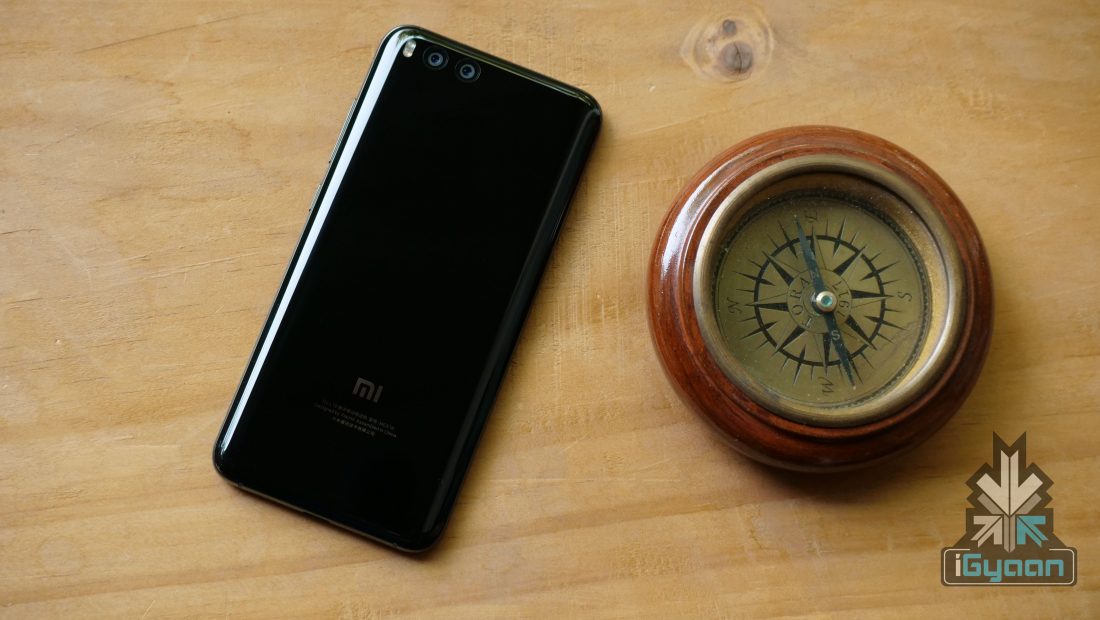
The Xiaomi Mi 7 will be the successor of the Xiaomi Mi 6, which is expected to go official in the Q2 of 2018. Considering the fact that, the smartphone features an OLED display, the smartphone might also feature an In-display fingerprint sensor like the Vivo APEX.
The Xiaomi Mi 7 will be powered by Qualcomm Snapdragon 845 chipset with at least 4GB RAM and 64GB Storage. We might also see models with higher RAM and storage as well. The recent partnership with the Xiaomi and Wireless Power Consortium (WPC) indicates that the smartphone might support Qi-based wireless charging.
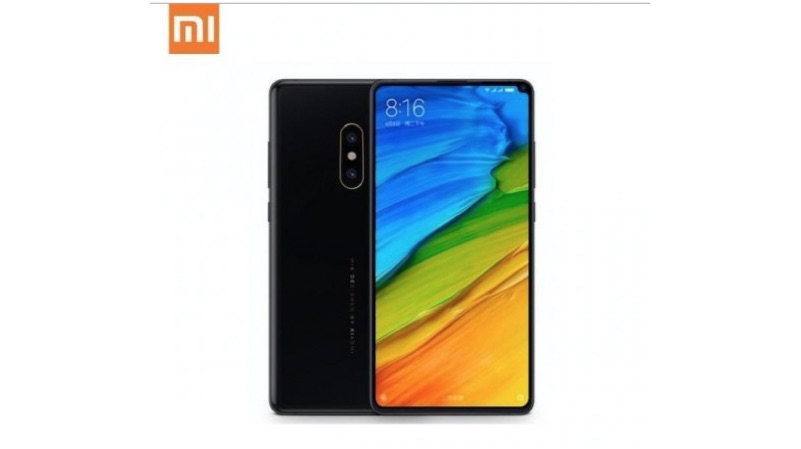
Expected features of Xiaomi Mi MIX 2S
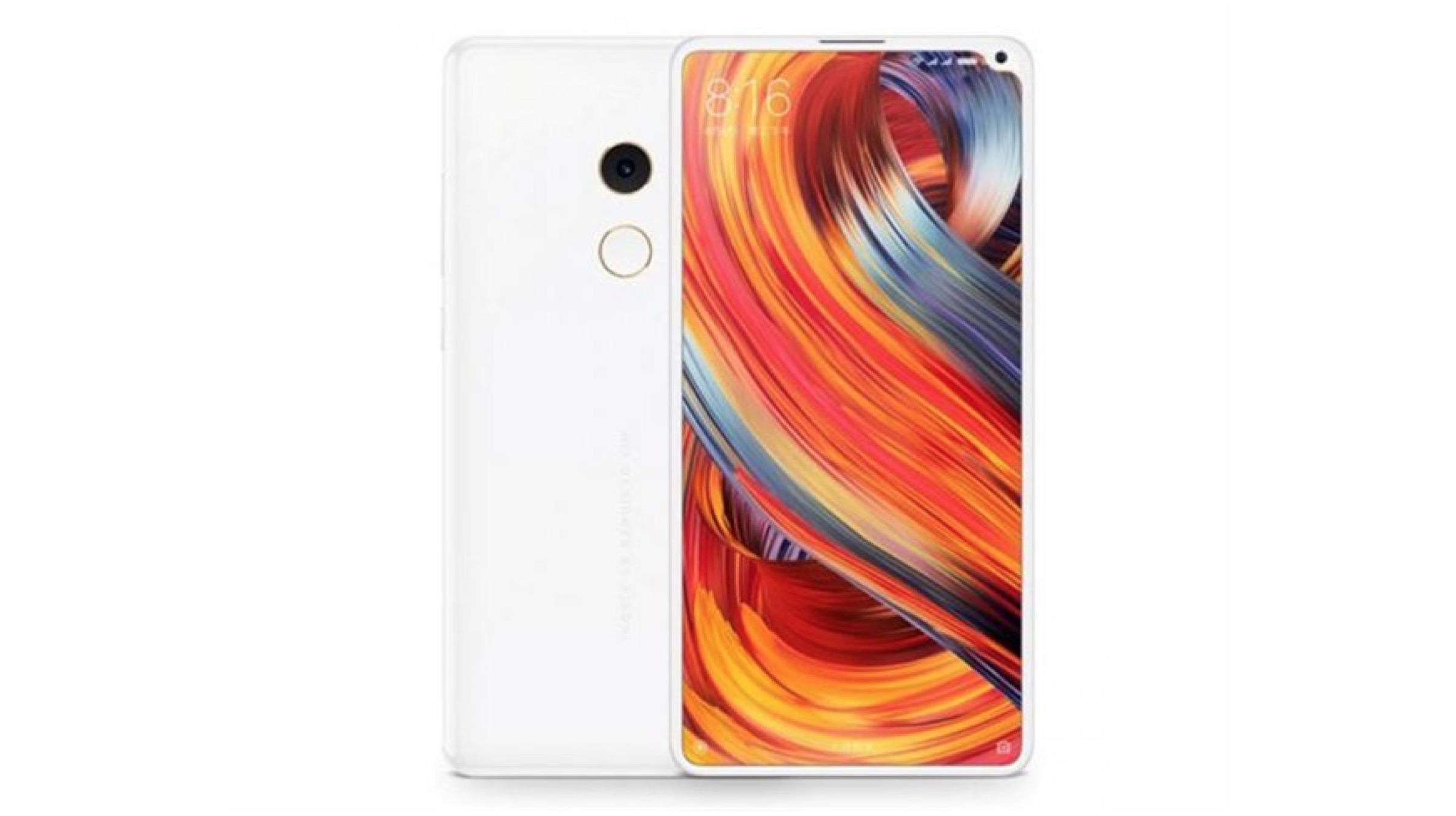
Most of the specifications of the Xiaomi Mi MIX 2S are already known. In fact, the company announced that the Mi MIX 2S will be powered by Qualcomm Snapdragon 845. The smartphone will be launched in China on 27th March. Similarly, the smartphone will have a notch on the right corner, which houses the front-facing camera.
As this is a premium smartphone, we are anticipating 8GB RAM and 256GB storage. This time around, the Mi MIX 2S is expected to offer superior camera performance compared to the Mi MIX.
Unlike the Xiaomi Mi 7, the MIX 2S has a rear-facing fingerprint sensor. The device will have a massive 4400 mAH Li-ion battery with fast charging. However, we are unsure about the wireless charging, as the last two Mi MIX models featured ceramic panel, which doesn’t support wireless charging.
-
All Three iPhones In 2018 Will Look Like The iPhone X
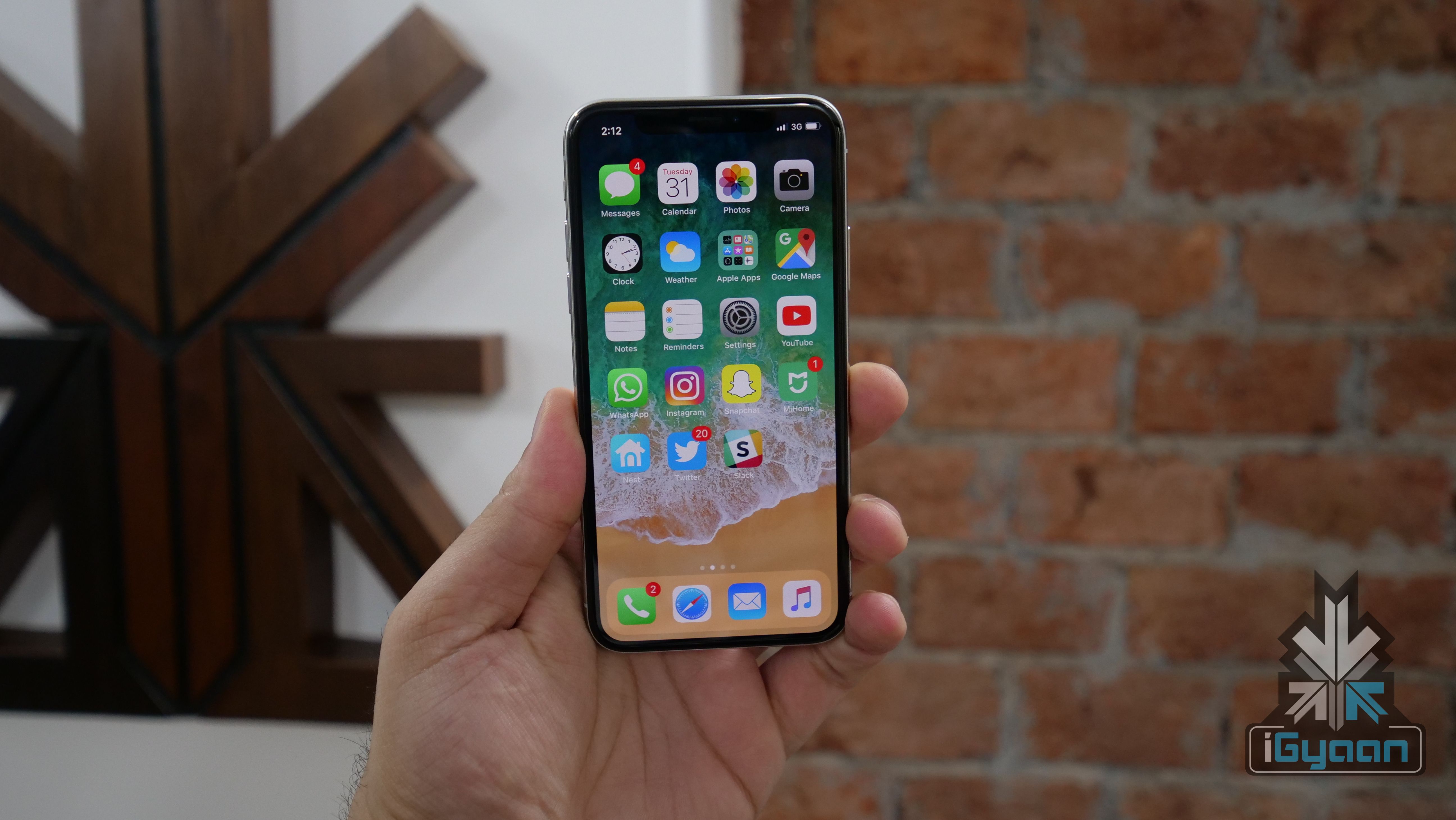
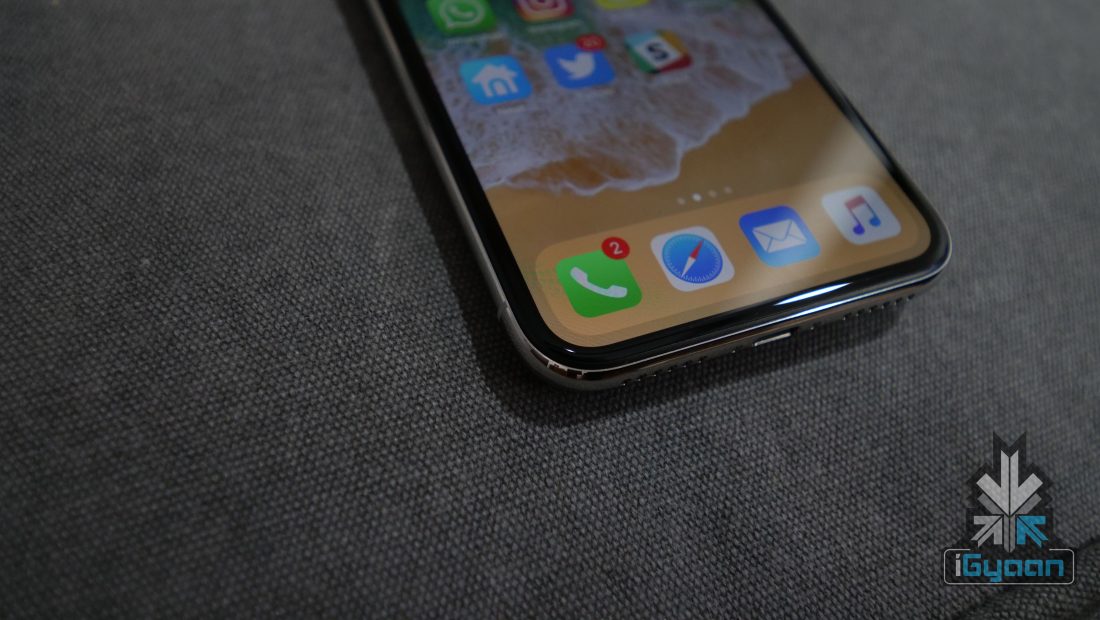
2017 has seen a surge in bezel-less phones and tall displays. Apple also joined the race with the launch of the iPhone X in September. Apple also launched the iPhone 8 and iPhone 8 Plus, which were an incremental upgrade over the iPhone 7 an 7 Plus. With the iPhone X, Apple took some bold decisions like ridding the home button and introducing an OLED display for the first time. In 2018, it appears that all iPhones will look like the iPhone X, with thin bezels, a tall display and a notch.
Ming Chi Kuo, an analyst for KGI believes that the iPhones launching in 2018 will be similar to the iPhone X and that there will be no home button in any of the phones. Kuo has had a good track record predicting what Apple might do. He released a research note which was obtained by MacRumours.
You may also like – I Spent A Day With The iPhone X And I Am Done With The Home Button
According to the note, the iPhones could come in three different sizes:
- A 5.8-inch phone with an OLED display (similar to the iPhone X).
- A 6.5-inch phone with an OLED display (like an iPhone X Plus).
- A 6.1-inch phone with an LCD display.
The two iPhones with OLED displays will be priced closer to the iPhone 8 Plus and the iPhone X while the 6.1 inch iPhone with LCD display is expected to be priced similar to the iPhone 8 (US$649).
The OLED phones are also expected to have better specifications than the LCD iPhone but, that is how Apple will keep the price down for the 6.1 inch model and try to offer an iPhone for everyone in 2018.
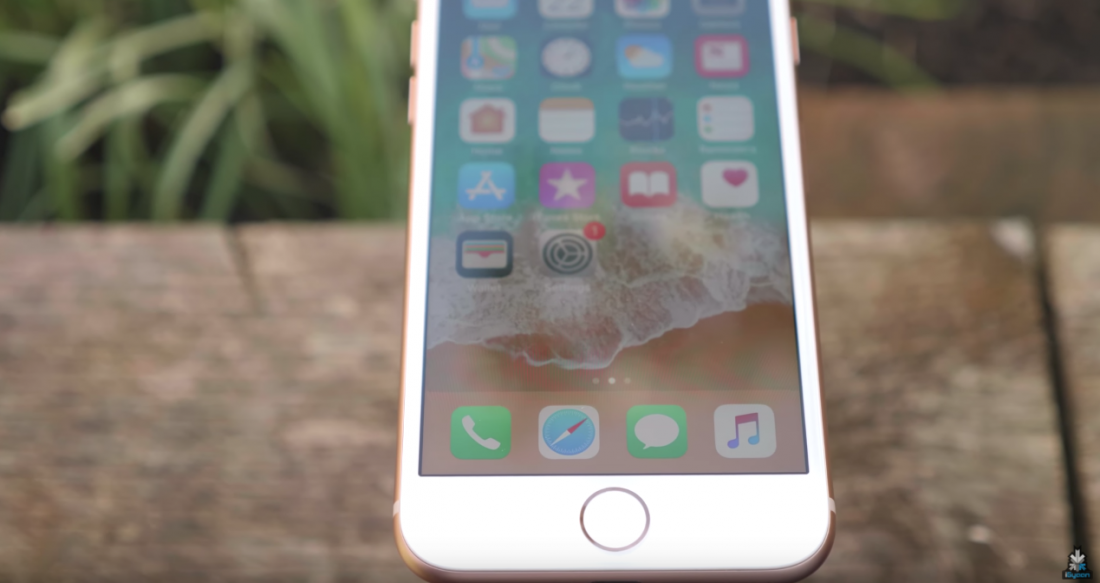
Home Button On The iPhone 8 This means that Face ID is here to stay, for now at least. Many believed that the iPhone X is a test run for Apple and want to ease its consumers into the new future of no home button. It is also possible that the OLED iPhones in 2018 will have in-display fingerprint sensor while the LCD iPhone will only have Face ID. However, Face ID in the next-gen iPhones is expected to be better as Apple will have ample time to iron out the few glitches and errors in the current form of Face ID.
Kuo has also predicted that Apple’s Face ID will come to the iPad Pro and next year’s iPhones.
-
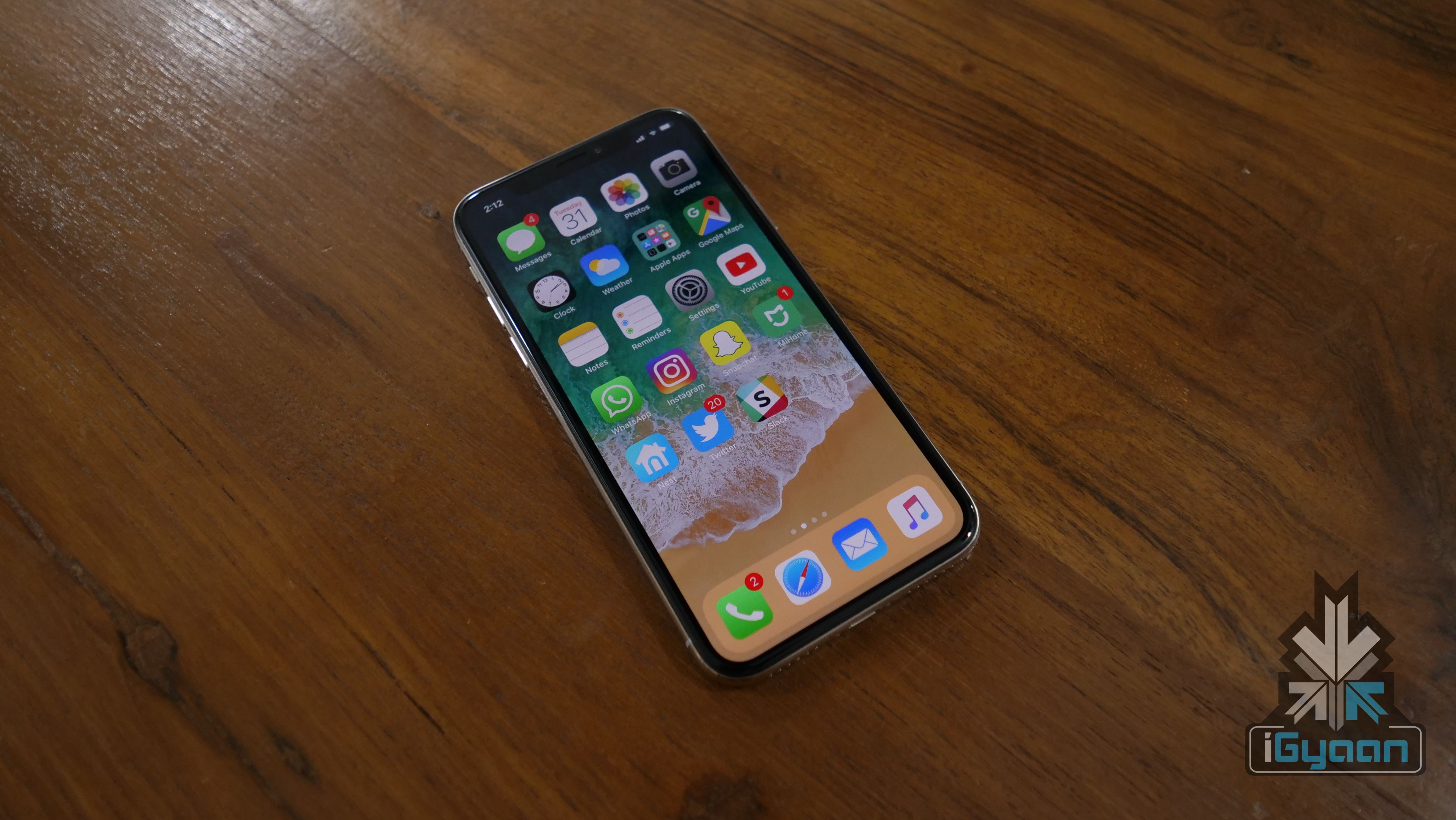
Apple iPhone X Display And Speaker Issues Reported Online
The Apple iPhone X has been one of the most successful iPhones of the recent past. Ever since its launch, the iPhone hX has received great reviews and the transition from Touch ID to Face ID has been organic for a lot of consumers. However, with every new phone, there are complaints of something weird happening to it in some units. The iPhone X seems to be no different as issues of an inextinguishable green line appearing on some people’s phones have surfaced online.
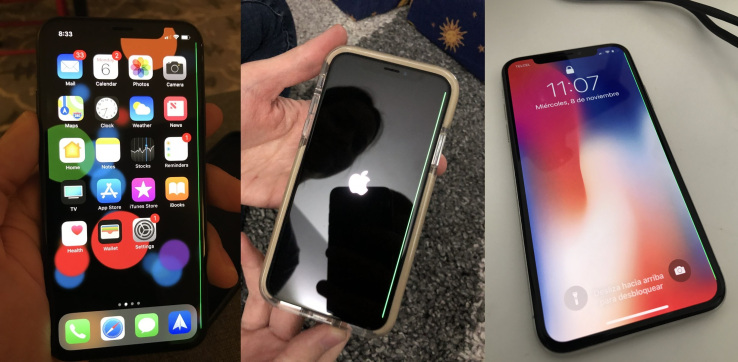
The images above are from Twitter users mix0mat0sis, Nate Heagy and Christian Roman, and represent a few of the examples of the “green line of death” as one of them called it. No one seems to know what causes it or how prevalent it actually is.
The iPhone X has a new diamond sub-pixel pattern in its display, and all green sub-pixels appear in lines, while red and blue alternate. It appears that an electrical fault in a these phones is causing the voltage to flow to all the green sub-pixels in a line. The fact that it stretches from top to bottom of the display suggests it is something at the edge of the display that’s sending an incorrect voltage down a few lines of pixels.
There appears to issues with the speaker of some of the iPhoneXs as well. Some users on Reddit, MacRumors and Twitter have reported that their new iPhoneX’s top speaker is crackling at higher volume levels. There in no constancy in its severity but, it happens regardless of what you’re playing and appears to persist with replacement units as well.

Both of these issues have been reported in enough iPhone Xs to not be called as ‘isolated incidents’ and Apple should be fixing these issues especially considering the price the consumers have paid for the new iPhone X.
-
The iPhone X Has The Most Colour Accurate Display Ever – DisplayMate
The highly anticipated Apple iPhone X is now available to the consumers and has received great early reviews. it may not have broken the Pixel 2’s record on DXOmark, but, its display appears to be doing great. According to a report by DisplayMate, the 5.8 inch OLED Super Retina display of the iPhone X is the “most colour accurate” display.
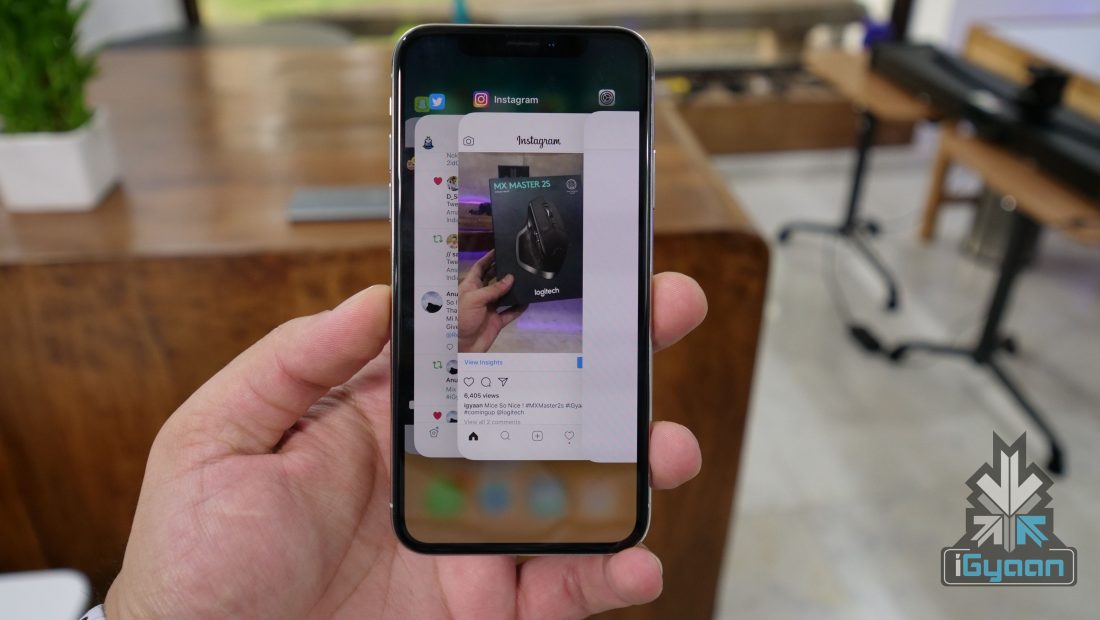
The report was presented by DisplayMate President, Dr. Raymond M. Soneira and claims that the iPhone X display has “close to textbook perfect calibration and performance” through a built-in automatic colour management system. The system switches to a relevant colour gamut on the basis of the image displayed within the Wide DCI-P3 Colour Space that has an ICC Profile. This process helps in rendering correct colours, neither over-saturated nor under-saturated, the report mentions.
You may also like – Apple Claims iPhone X May Suffer From Screen Burn-In Issues
The display of the iPhone X is reported to have the highest brightness for OLED smartphones at 634 nits. This is higher than the 560-nit brightness of the Samsung Galaxy Note8. Similarly, the iPhone X has a Super Dim Setting that can drop down the display brightness to as down as two nits. The image contrast of the iPhone X was found to be “slightly too high”.
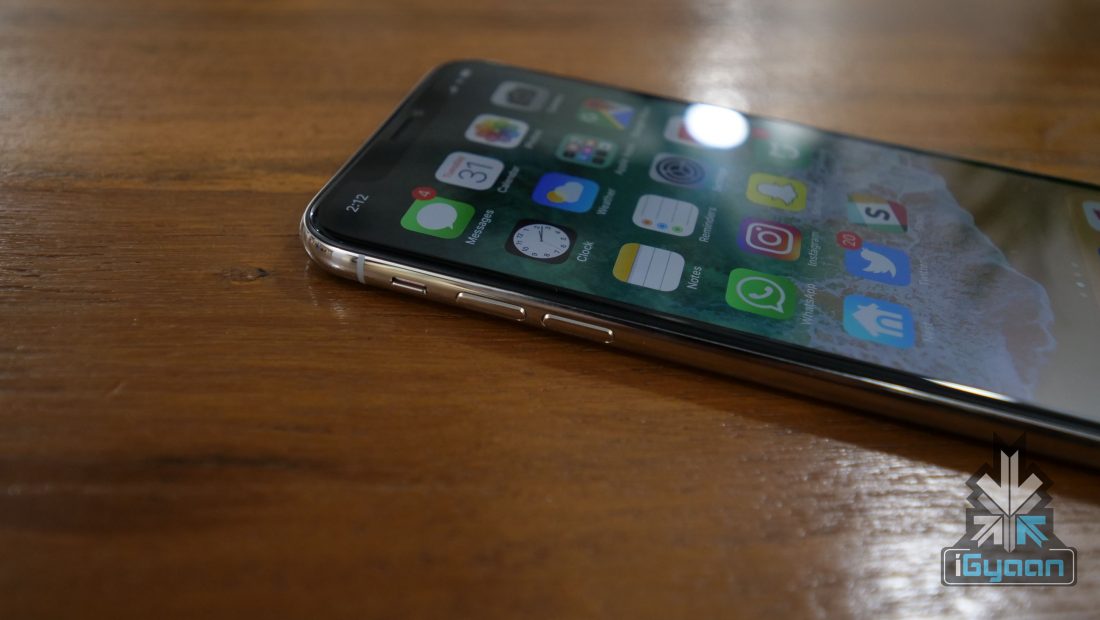
However, the viewing-angle performance of its display is apparently better than any mobile display, monitor, TV or UHD TV that are available in the market right now. The OLED panel on the iPhone X displays 22% decrease in brightness, this is less than the 30% that traditional OLED panels display.
You may also like – iPhone X Phones Worth Rs 10.57 Lacs Seized At Mumbai Airport
DisplayMate also mentions the highly discussed ‘notch’ at the top of the display. The notch, which houses the TrueDepth cameras for FaceID and ‘portrait mode’ selfies has a negligible presence on the front, taking up to 2% of the total screen area.
-
Apple Claims iPhone X May Suffer From Screen Burn-In Issues
The Apple iPhone X, one of the most anticipated smartphones of 2017 went on sale on the 3rd of November across the globe. For the first time ever, Apple opted to use an OLED display panel on an iPhone and everyone loved it. However, OLED panels are notorious in facing screen burn-in issues is used for a long time.
To acknowledge this, Apple has published a support page to detail all the major visual changes of its OLED display. This includes some explanations about common OLED issues like burn-in and the colour shift at some viewing angles. Companies appear to be more diligent about its OLED panels since the Pixel 2 XL’s display debacle tarnished the phone’s overall great performance.
The support page highlights that Apple’s proprietary Super Retina technology overcomes the existing challenges of an OLED display by enabling high brightness and wide colour support alongside an enhanced colour accuracy.
With extended long-term use, OLED displays can also show slight visual changes. This is also expected behaviour and can include ‘image persistent’ or ‘burn-in,’ where the display shows a faint remnant of an image even after a new image appears on the screen.
To prevent the OLED display from acting up, Apple has given some instructions to all its consumers. Apple has recommended consumers to update their devices and use auto-brightness settings as frequently as they can. The display is also advised to be turned off when not in use, users are also advised to avoid displaying static images at maximum brightness for a long period of time.
The iPhone X has so far not shown any signs of screen burn-in issues and no complaint has surfaced online. Apple acknowledging the issues of an OLED panel proves that companies have learnt from the mistakes of Google and are willing to suggest precautions as well.
Pre-Order iPhone X here
-
Apple Could Partner With LG For Foldable Smartphones
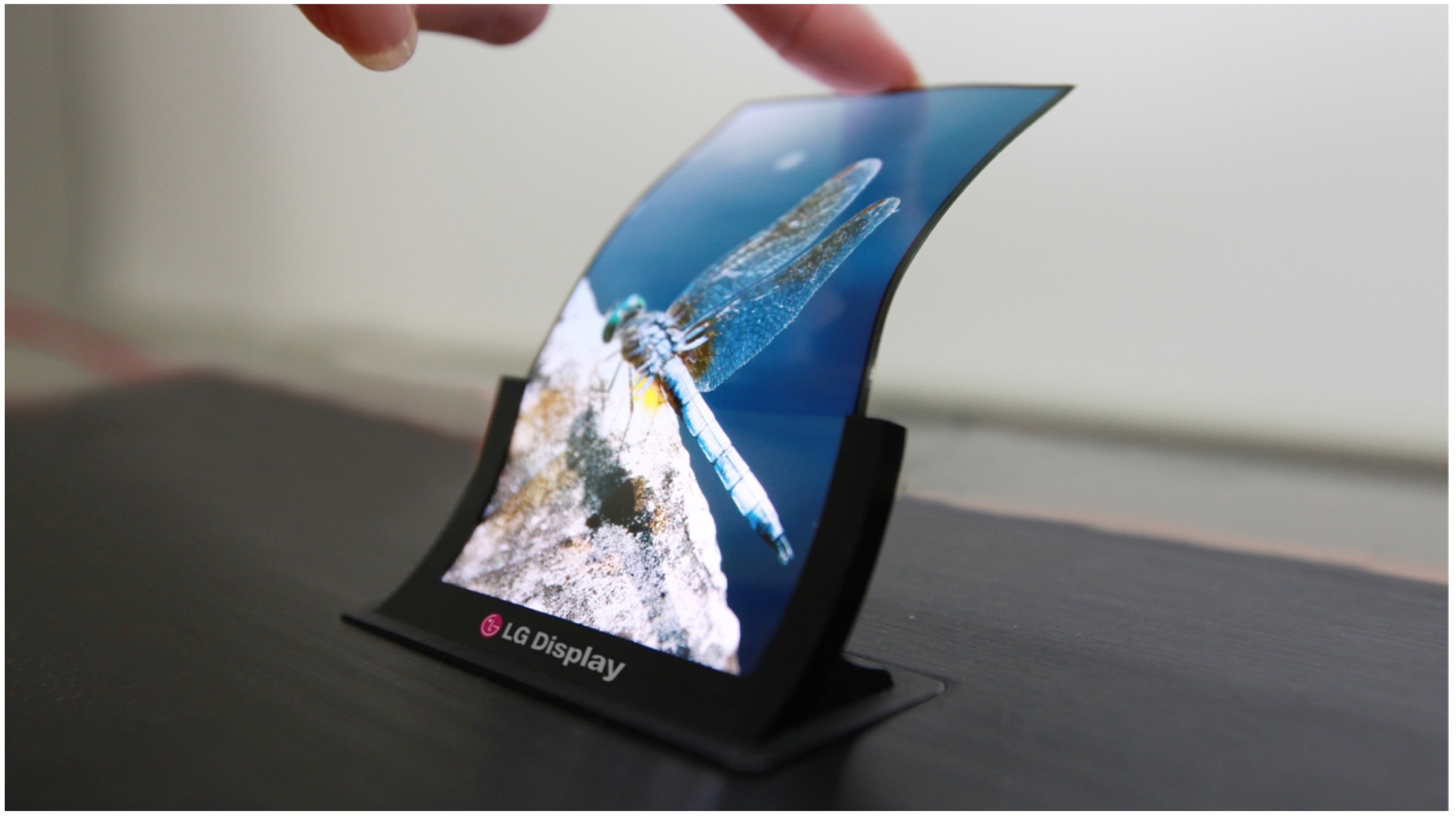
The smartphone industry has seen a gradual slump in innovation over the past few years. Bezel-less display has been the rage of 2017 but, other than that you barely see anything new nowadays. Samsung stirred things up a little with the news of it launching a foldable Android phone in early 2018. Now, there is news that Apple might be teaming up with LG to work on a foldable smartphone.
Samsung has been at the top of its game in the OLED market but, it hasn’t yet commercialised the flexible OLED displays. LG had also revealed a foldable display at CES and has the opportunity to take over that segment of the market and that might be the reason why Apple would choose to team up with LG. This news also falls in line with another report from July about Apple potentially investing over US$2 billion in LG’s new OLED plant.
According to a report from The Bell (via The Investor), Apple will use flexible screens supplied by LG Display for an upcoming folding smartphone. Meanwhile, LG’s Innotek business is already said to be gearing up to produce the rigid flexible printed circuit boards, or RFPCBs, that would feature inside the phones. Apple would be seeking to release this device in 2020, which could give competitors like Samsung and LG itself a head-start.
Samsung already seems well on its way to launch a foldable smartphone in early 2018 with the Galaxy X getting certified in Samsung’s native country, South Korea.
All these are still speculations and as we say it always, take these rumours with a hint of scepticism.
-
Samsung May Not Feel All that Bad If The iPhone X Is A Success
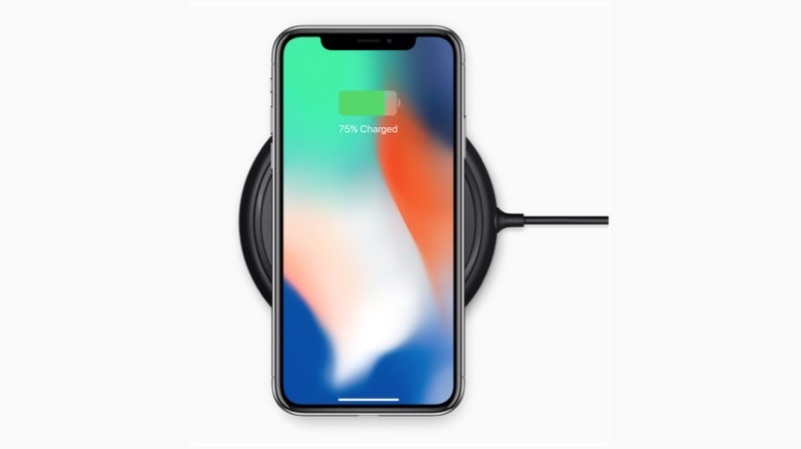
Samsung and Apple may be rivals in the smartphone domain but, Samsung has always manufactures key components of the iPhone including the displays. And it looks like with the iPhone X, Samsung is poised to make a lot of money. Studying the costs of the components Samsung has made for the iPhone X, it reveals that the South Korean tech giant will earn about US$110 for every iPhone X sold.
A market research study conducted for the Wall Street Journal says that Samsung also makes batteries and capacitors for the flagship iPhone X. The highest-profile Samsung component in the iPhone X is also the most expensive, the new OLED screen. This is a custom-made display built to Apple’s specifications. The analysis reports states:
Samsung is likely to earn about $4 billion more in revenue making parts for the iPhone X than from the parts it makes for its own flagship Galaxy S8 handset. Counterpoint expects Apple will sell 130 million iPhone X units, earning Samsung $110 on each through the summer of 2019, while Galaxy S8’s global sales are expected to be 50 million, earning Samsung $202 each from components such as displays and chips in its first 20 months of sales.
You may also like : iPhone X Vs The Competition
The analysis, even though notes the irony is not a fair comparison. The research notes the profit Samsung’s component division makes for the Galaxy S8 but, not the mobile division makes for Galaxy S8 sold. Samsung obviously makes more money by selling its own smartphone because it makes more components for it but, since the iPhone X is expected to sell in far higher volumes, the total value of component sales will be higher for the iPhone. A report by investment bank CLSA estimated that Apple’s component orders make up more than a third of Samsung’s revenue. Oh, the irony.
-

Apple Might Revert To LCD Displays For The iPhone 9
The yet to be released iPhone X was met with great response after it was announced that it will finally sport an OLED display. Apple has been using LCD panels for its iPhones for the longest time and the need for a display with more vibrant colours and deeper blacks was on the rise. Apple satiated those needs with the iPhone X but, it looks like the dream of an OLED display on all iPhones will be short-lived. The Wall Street Journal has reported that Apple is interested in buying LCD display panels from a Japanese manufacturer, Japan Display. But, the LCD panels won’t be any ordinary LCD panels, in fact these LCD displays are called Full Active and are expected to make up 70% of Apple’s display orders for its next lineup of iPhones which will launch in September 2018.
Full Active LCD screens apparently make it easy for smartphone manufacturers to make edge-to-edge phones even more compact. As compared to OLED screens, Full Active LCD screens are only 0.5mm thick (or thin), or half the thickness of OLED screens. Apple’s desire to switch Full Active LCD screen suggests that the Cupertino-based tech giant is on the move to make its smartphones even more bezel-less than the iPhone X. It may also be a case of Apple sticking to LCD screens for its non-marquee smartphones. This also makes sense as LCD screens are cheaper to produce than OLED displays.
The fact that the iPhone X doesn’t come out till November is enough for us to believe that its preliminary to hear things about the 2018 iPhone. It is more than possible that Apple is bulk-ordering these screens for its budget-tier iPhones like the iPhone SE.
-
LG Confirms Switch To OLED Display For The Upcoming V30
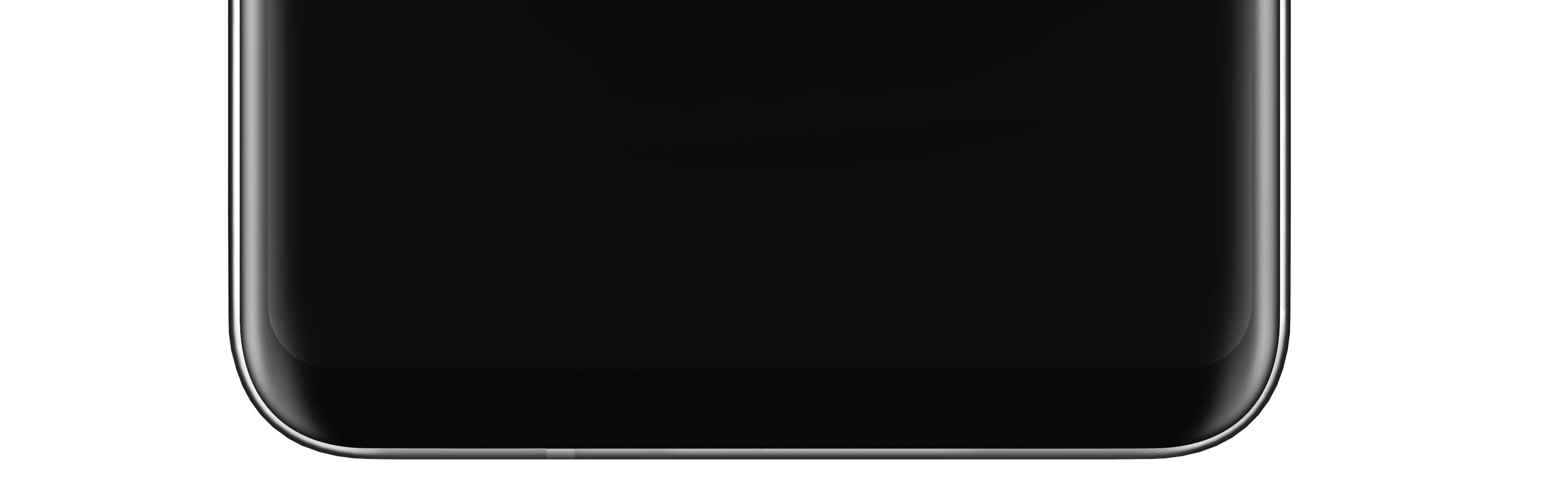
LG has announced that its next flagship device will be the ‘first smartphone from LG to sport a plastic OLED FullVision display.’ The LG V30 was widely reported to feature an OLED display and this announcement confirms those rumours. LG has specified that it’ll be a FullVision display much like the one on the G6. It’s worth noting that LG will feature POLED technology on a smartphone for the first time since the G Flex 2, which was launched a couple of years ago.
The upcoming smartphone will be smaller than last year’s V20 despite sporting a larger 6-inch display. LG claims to have reduced the top and bottom bezels by 20 per cent and 50 per cent respectively while the LG logo is moved to the back of the device. The Plastic OLED screen on the device means that the edges can be curved for a more ergonomic fit in the user’s hand. Although from the image released, it doesn’t seem like LG has taken Samsung’s route of fully curved edges. A Corning Gorilla Glass 5, which incorporates shatter-resistance technology will protect the screen.
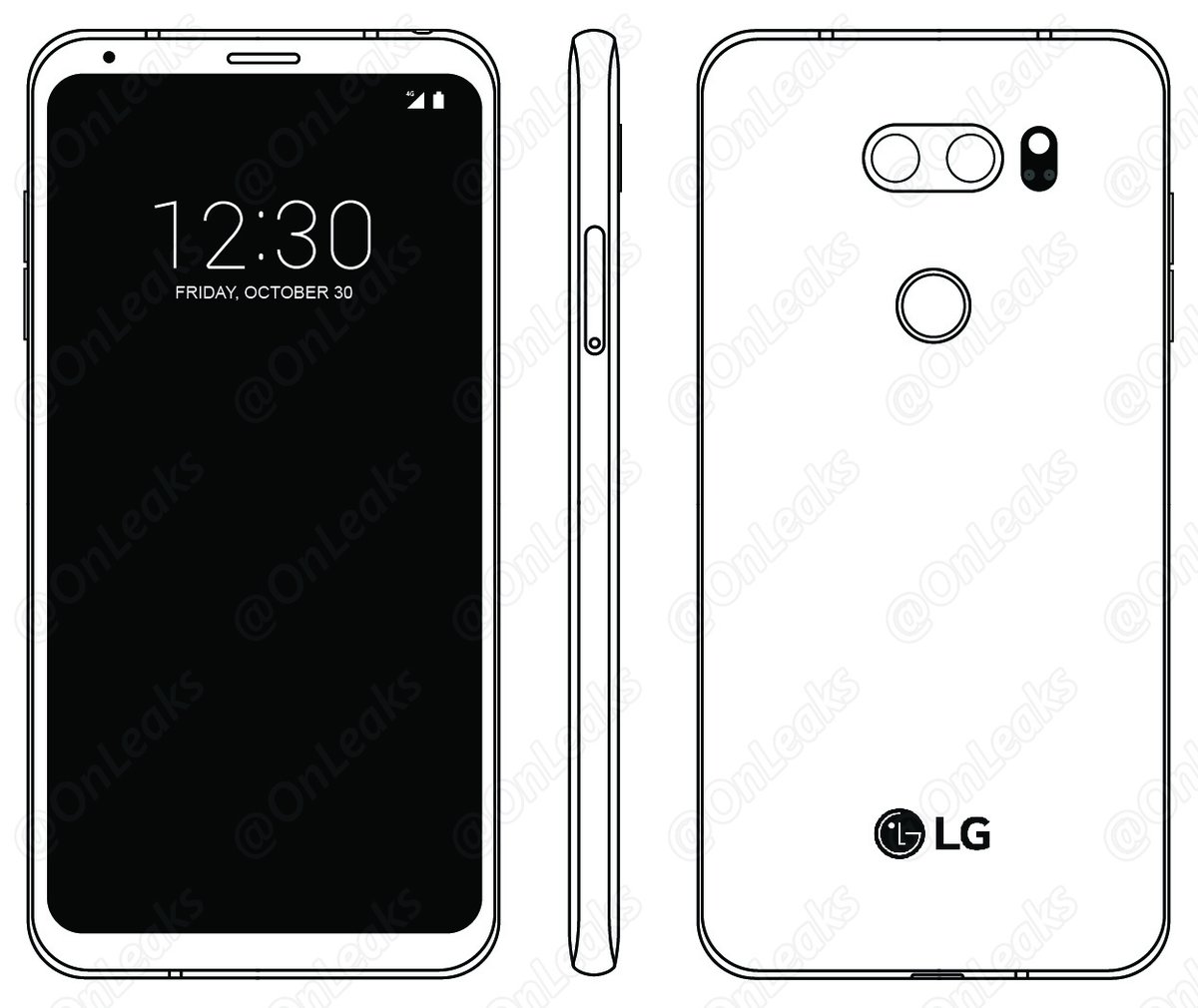
LG V30 render leaks The screen resolution will be 1440 x 2880, which translates to a QHD+ display and enhance the device’s VR capabilities. The advantage of an OLED display is the operational response time, which is a lot faster than LCD. This accelerated response time effectively eliminates afterimages, an important consideration for action movies and VR.
Along with a POLED display, the LG V30 is rumoured to run on the Qualcomm Snapdragon 835 Chipset with 4GB RAM and 64GB onboard storage. The device will be powered by a 3,300mAh battery with support for wireless charging. On the camera front, it will take the G6’s route and sport a 13MP dual-camera setup along with a fingerprint sensor at the back.
The LG V30 is expected to launch at the IFA 2017 in Berlin on August 31. Rumoured to be priced at around USD 700 (approximately INR 45000), it will compete with the soon-to-be-announced Samsung Galaxy Note 8.
-
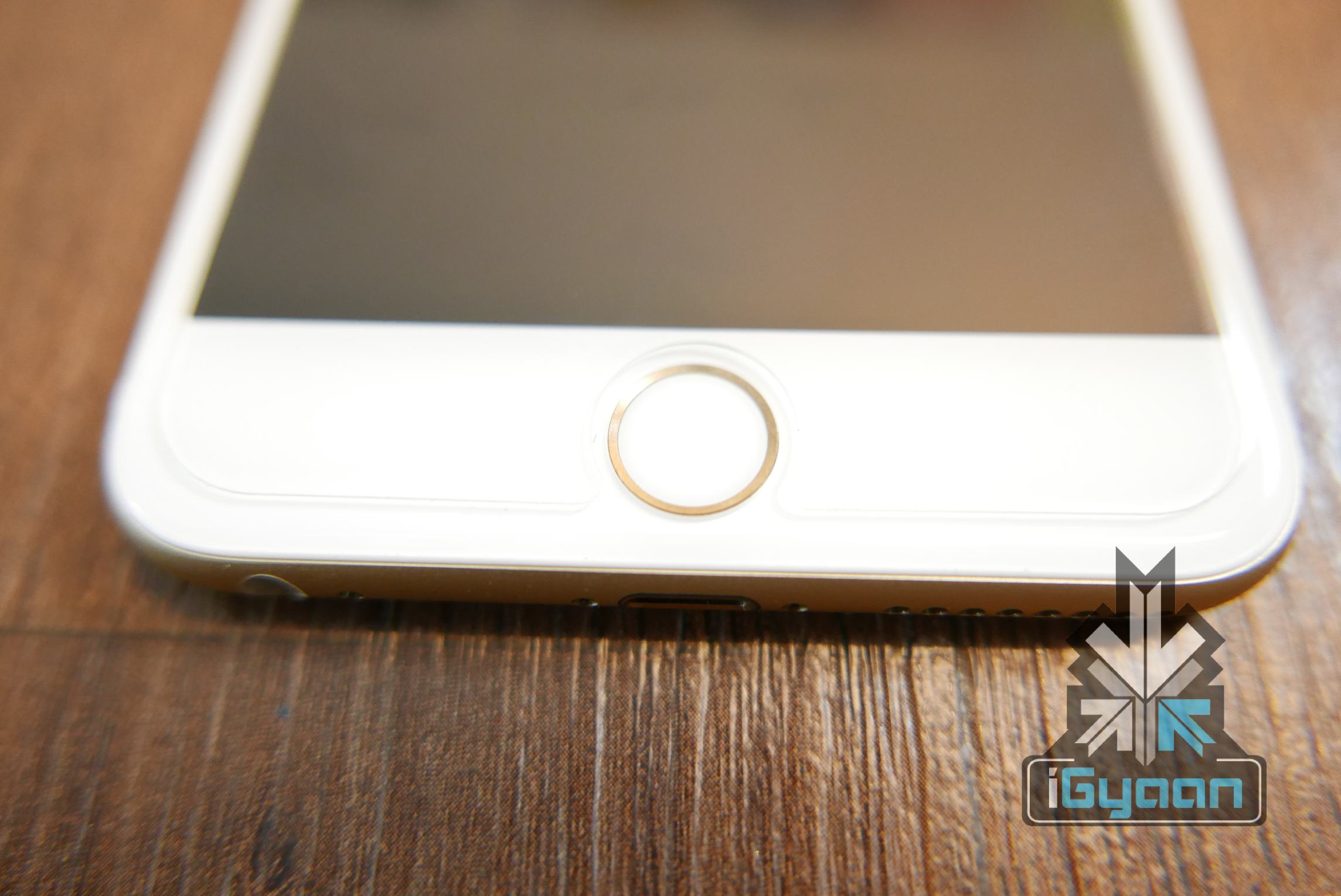
iPhones to get OLED Displays in 2017
According to reports from coming out of China, Cupertino-based tech giant, Apple, had reached out to rivals Samsung and LG towards the end of 2015 to strike a deal to produce OLED panels for Apple. Reports further claim that this deal with the South Korean tech companies could well run over $12 billion.
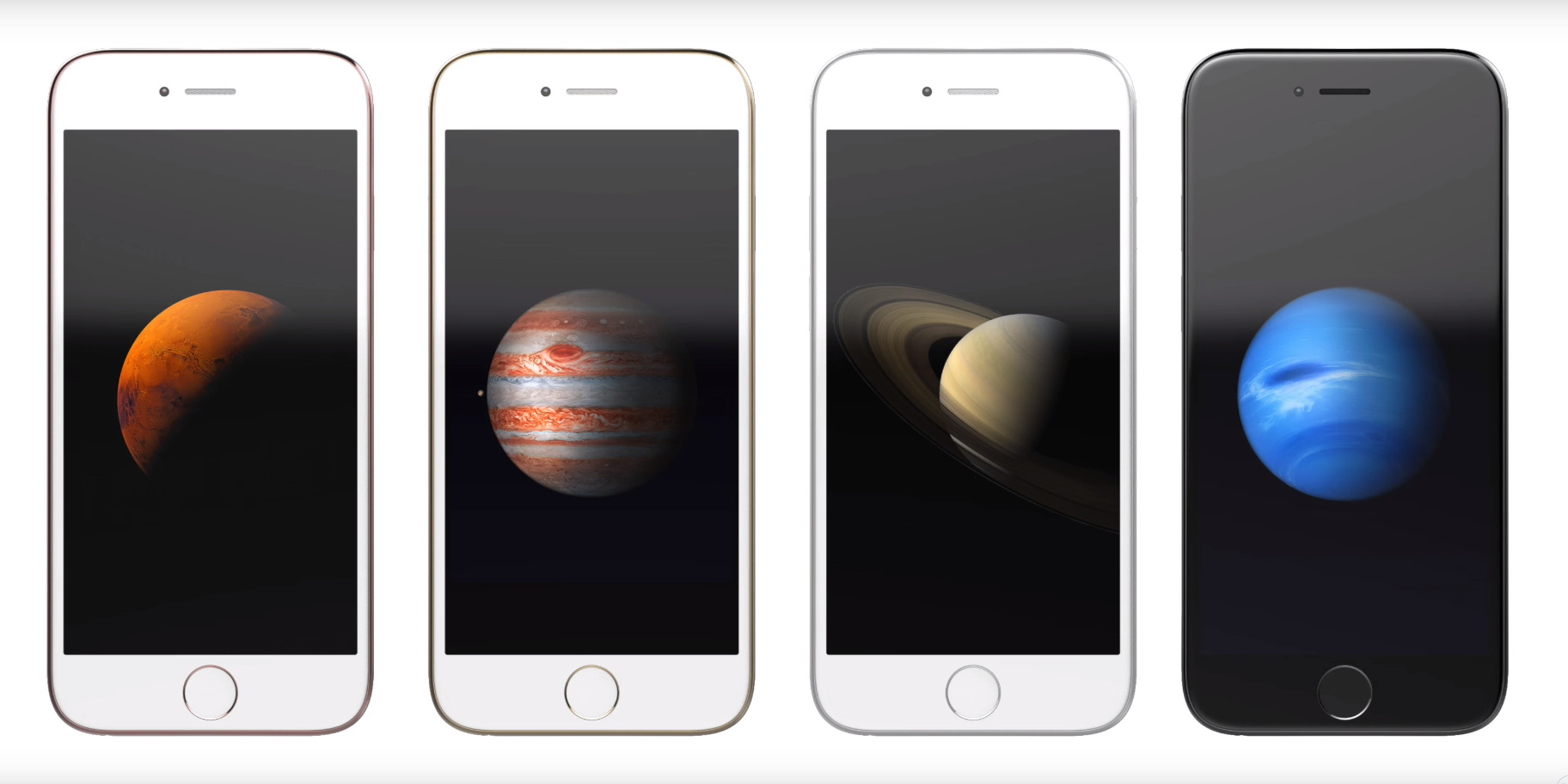
These Oled displays are expected to be for an iPhone 7s that Apple could launch in 2017, or could also be for the upcoming iPhone 7 if Apple plans to push back the date of launch a bit. The iPhone 7 is expected to come groundbreaking tech innovations and is looked as a device that Apple is banking heavily after the sub-par performance of the company in 2015.
OLED displays produce better colors, darker blacks, and offer more energy efficient operations than LCD panels have done in the past. Samsung has used AMOLED panels for many different Galaxy phones in the past several years, and probably it is time Apple also goes for the same displays.