Tag: manufacturing

  • Apple iPhone Flagships To Be Manufactured At Foxconn Chennai Plant

    Apple iPhone Flagships To Be Manufactured At Foxconn Chennai Plant

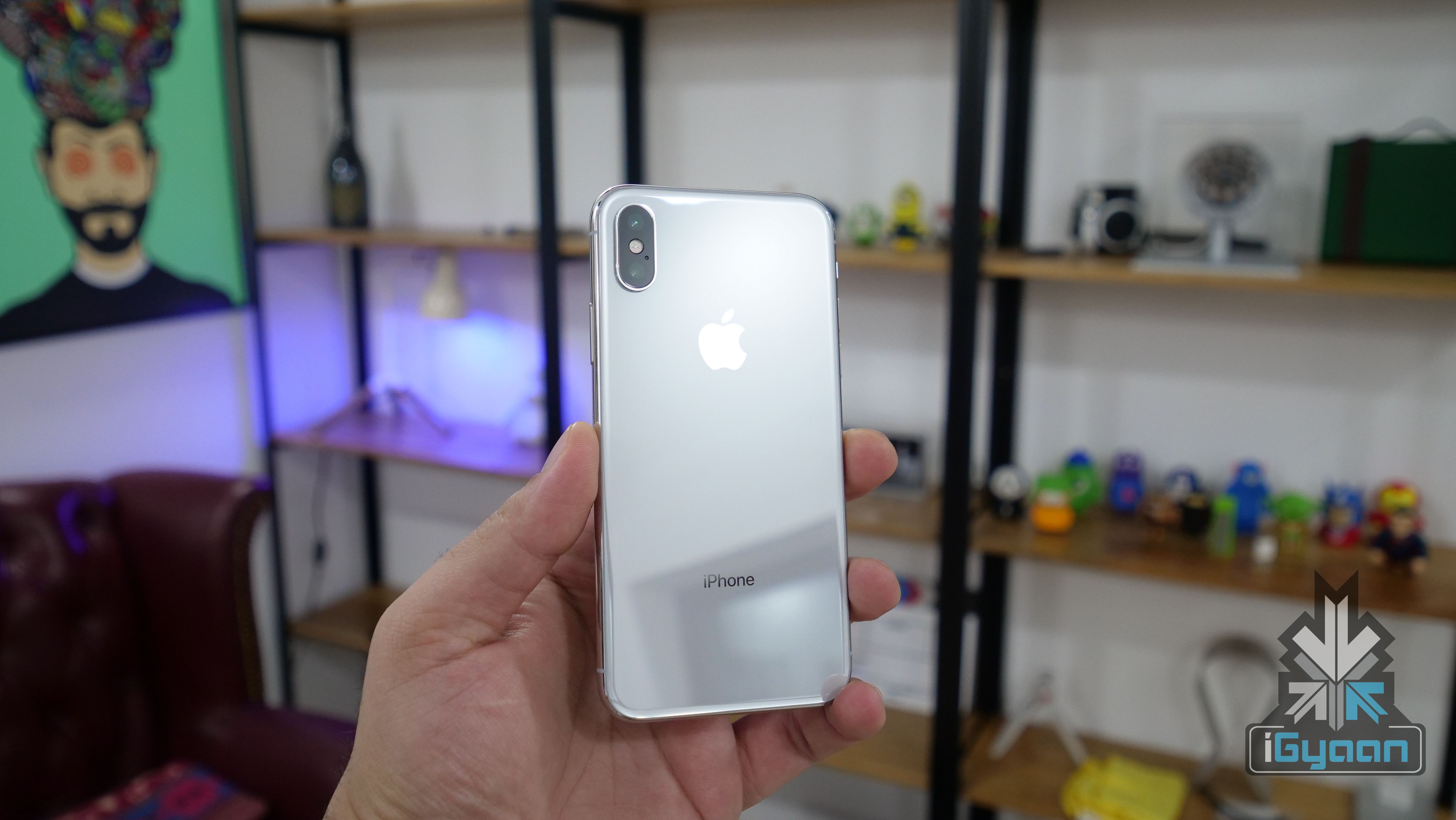
    Foxconn is a Taiwanese multinational electronics manufacturing company. The company is the largest contract manufacturer for Apple Inc. Apart from Apple, Foxconn also manufactures smartphones for companies like Xiaomi, Nokia and Gionee. The company has two manufacturing plants in India which are located in Chennai and Tamil Nadu. Out of the two, the Chennai plant was dedicated to manufacturing Nokia smartphones. But, that plant has remained shut since 2015 after Nokia’s acquisition by Microsoft. The Chennai plant was left out of this deal due to some tax disputes with the Indian government. However, the company plans to revive operations at this location which will be used to manufacture Apple iPhones.

    Foxconn Chennai Plant Revival

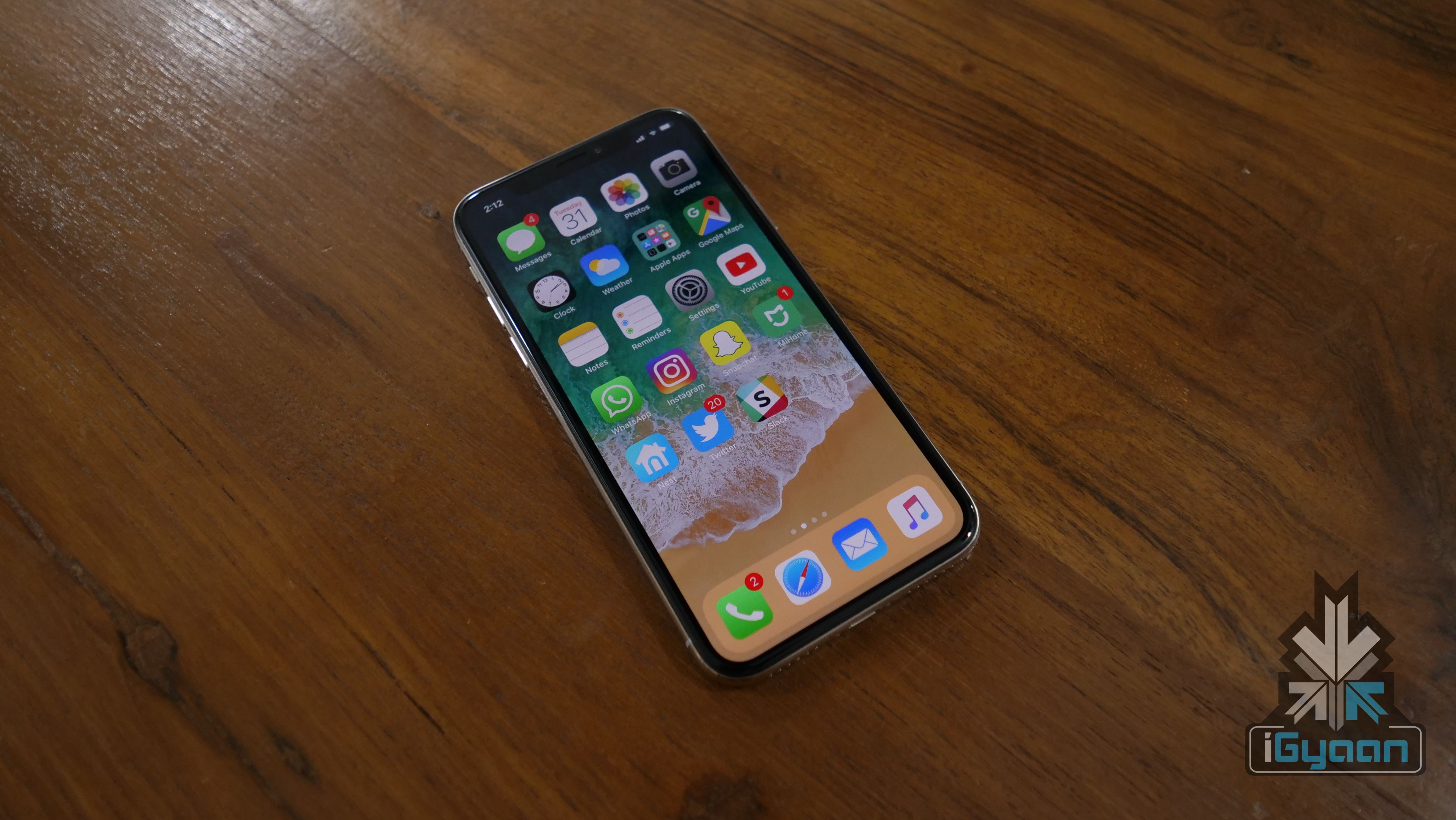
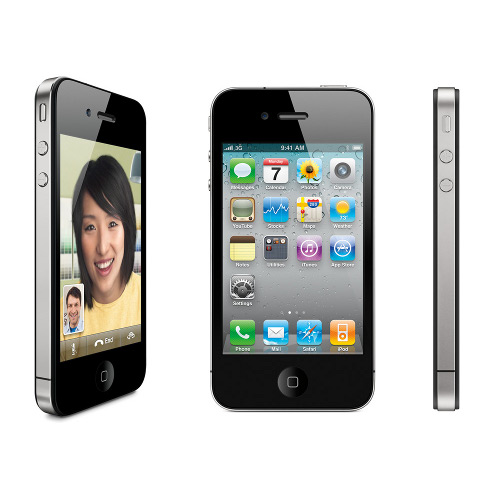
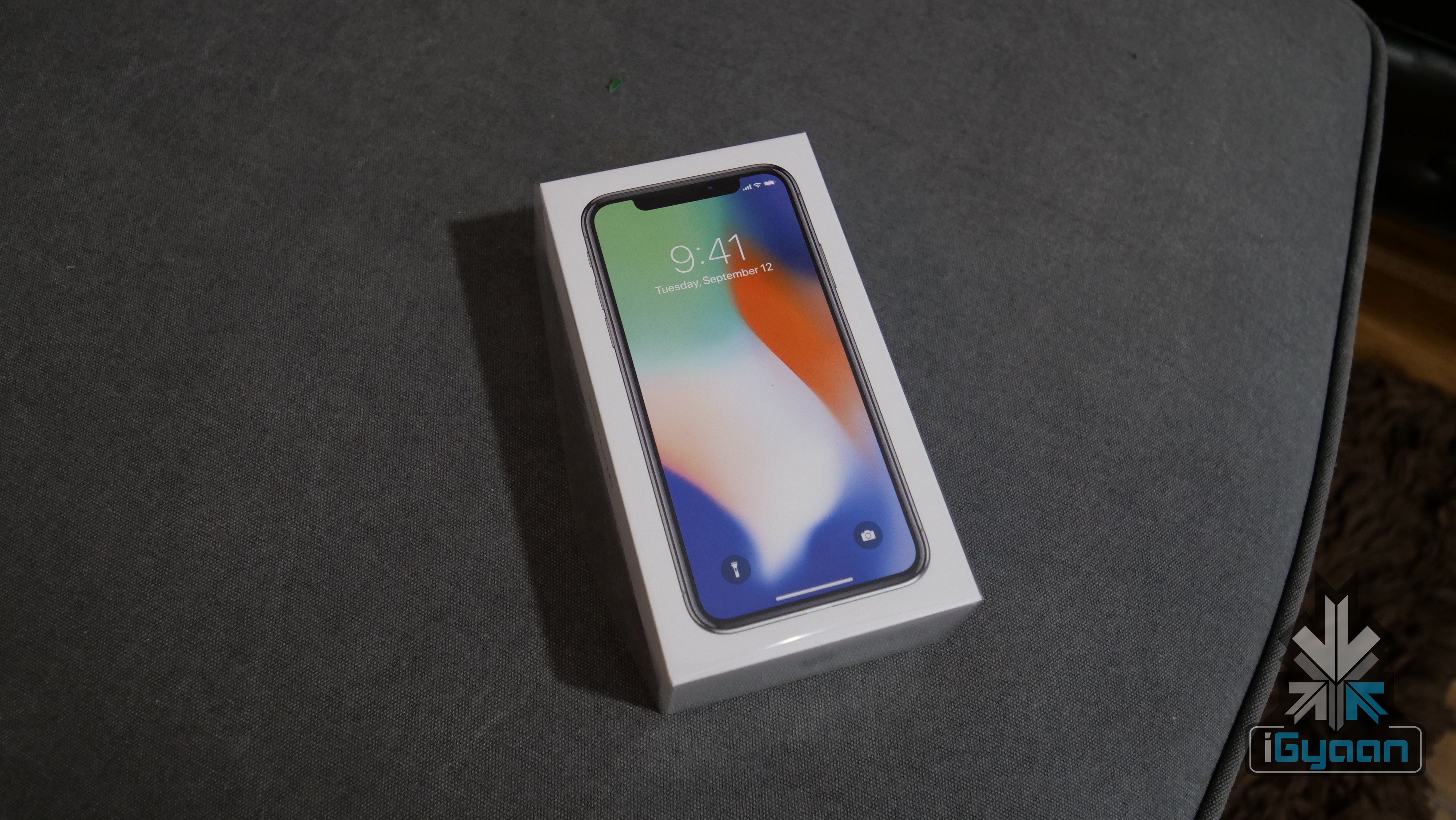
    The asset’s at the Chennai Foxconn plant were frozen by the Indian government due to the alleged outstanding taxes. However, in April 2018 Nokia agreed to pay the pending taxes in the form of provisional payments which has resulted in resolution of the dispute. Therefore, the operations at the manufacturing facility can be restarted. Foxconn officials at a Tamil Nadu state cabinet meeting announced that plant will be utilised to manufacture the Apple iPhone flagships including iPhone X , XS and XR in India. The company will reportedly invest Rs 25 billion to upgrade the plant to manufacture Apple iPhones. Additionally, the restart of operations will create 25000 jobs for the city locals. It is the first time that the iPhone X will be manufactured in India. As of now, Wistron, another Taiwanese company has manufactured the lower end variants of the iPhone including the iPhone SE and the iPhone 6 in Bengaluru.

    Bezel-Less

    An official announcement with precise details is expected to be made at the upcoming Global Investors Meet which is scheduled in Chennai in January 2019.


  • Mobile Phone Manufacturing Crosses 100 Million Mark in India

    Mobile Phone Manufacturing Crosses 100 Million Mark in India

    Telecom Minister of India, Ravi Shankar Prasad on Saturday revealed that mobile phone production in India had crossed the 100 million mark while also telling the media that many leading companies also want to set up their manufacturing units in the country in the coming year. This favourable news comes in at a time when there is an increased push from the country’s government for its pet project, “Make in India”.

    “Today, I am happy to announce that in December, Rs 1.14 lakh crore investment has come in electronic manufacturing in India. We have attracted around 15 new mobile plants. Earlier in 2014, 68 million (mobile phones) were being manufactured and now 100 million are being manufactured,” Prasad said at Global Business Summit here.

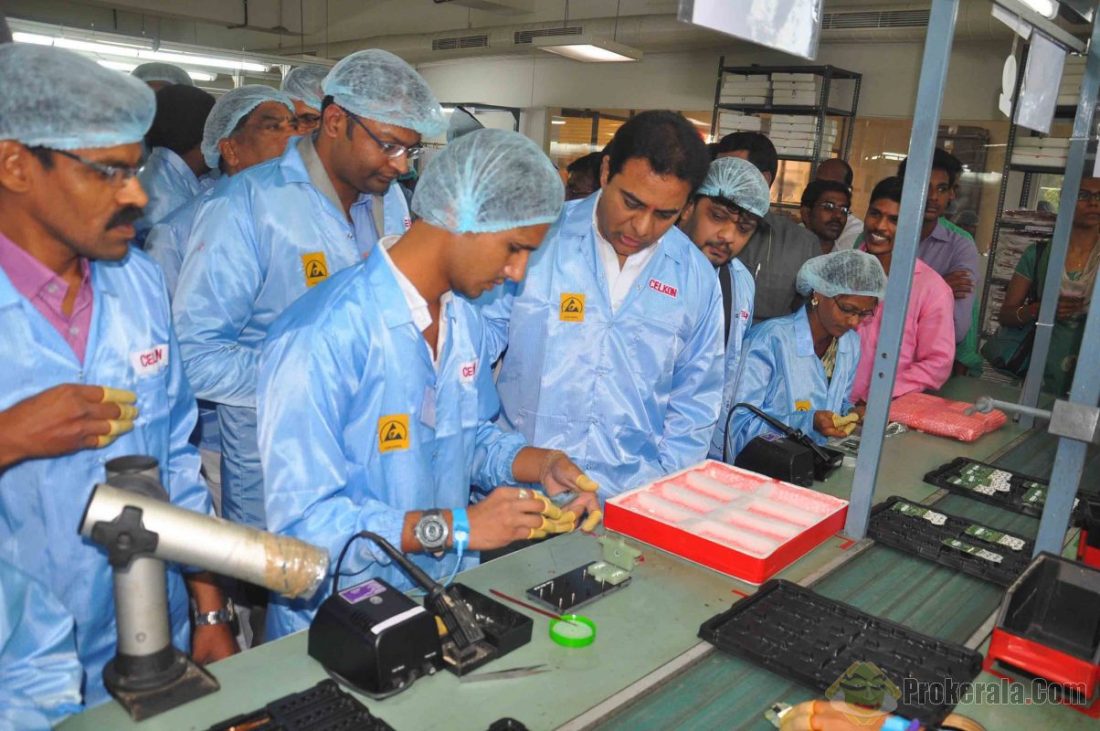
    telangana-it-minister-k-t-rama-rao-during-the-315588

    He added, “All the major companies in the world namely Panasonic, Mitsubishi, Nidec, Samsung, Bosch, Jabil, Flextronics, Continental are in India besides all the top Indian companies who are already here,” Prasad said.

    In addition to this, the president of the Indian Cellular Association, Pankaj Mahindroo was quoted as saying “In terms of value, mobile phone production in India increased 95% in the current financial year as compared to the previous year”

    “Government has made sincere efforts to boost mobile phone production in the country. The new investment has created 30,000 new jobs in the country and state governments have shown keen interest in attracting these investments,”

    The tech savvy telecom minister when asked about the experimentation of new technologies in the country, including that of Project Loon by Google and White space spectrum use for broadband by Microsoft, had this to say, “Once the pilot becomes successful, then depending on security concerns, final call will be taken,”

  • Asus to ‘Make in India’ Smartphones by Partnering With Foxconn

    In line with the enthusiastic ‘Make in India’ initiative that was kickstarted by Narendra Modi in September 2014, the latest to join the bandwagon is Asus. The Taiwanese Smartphone manufacturer has declared that they will start manufacturing smartphones locally, in Sri City, Andhra Pradesh.

    This is a great move by the company as it will christen them into the highly competitive Indian Smartphone market. They ambitiously aim to produce 1.5 lakh phones by the end of this financial year, thereby contributing to 80% of the sales in India, as per reports.

    Asus India Country Manager (System Business Group) Peter Chang told PTI:

    “India offers us a huge opportunity as smartphone penetration is just 10 per cent. We are excited to announce our local manufacturing facility that will cater to the growing demands of the market,”

    Asus isn’t the only one aiming high in the subcontinent. Seeing that India is likely to take over the global Smartphone market in the next few years by throwing USA off its currently held no. 2 position of being one of the largest smartphone manufacturers in the world.

    “We are aggressively targeting the Indian market. We aim to achieve five per cent market share in the country by next year.”

    Keeping this information in mind, we had earlier told you that Xiaomi, Huawei and Motorola were just some companies that had already begun making their handsets in India and are hoping to make grand profits given the exponential growth the country has, backed by the ‘Make in India’ initiative.

    To see the list of companies click here.

  • Microsoft Might Set Up a Smartphone Manufacturing Unit in India

    Microsoft Might Set Up a Smartphone Manufacturing Unit in India

    The smartphone landscape in India is rapidly flourishing. Previously Xiaomi expressed its view to build a manufacturing unit in the country and now, Microsoft is mulling over the same thought. The US-based firm Microsoft is pondering over establishing a local manufacturing unit in India after the government’s decree on import. The company says that post the Indian government’s rigorous take on international organizations, it would be expensive to bring phones to the country.

    Corporate Vice-President at Microsoft Mobile Device Sales, Chris Weber reiterated the same, “We’re evaluating local manufacturing in terms of what our local footprint is. There are some new regulations and tax duties, etc., about local manufacturing and certainly we’re looking at them to make sure that we remain competitive.” He further mentioned that the evaluation is underway for all nations including India.

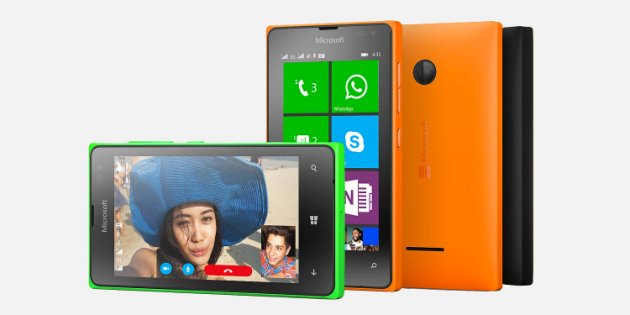
    Lumia 435

    Microsoft got a boost in the smartphone business with the buyout of Nokia’s device business for $7.5 billion last year. The firm has a foothold in the market, but to stay ahead of its competitors like Samsung, Xioami, Micromax and more, Microsoft needs to offer phones at an unbeatable price point.

    As an Indian origin firm, Micromax has added benefits. It can retail its handsets at comparatively lower prices as the Indian government has relieved the home-grown companies from many taxes to give them a push. On the other hand, the current budget puts excessive load on foreign tech companies since it has made import even more pricey. It has led global companies to consider establishing a manufacturing unit in India.

    Weber said that Microsoft will update its 4G devices portfolio in India and make a comeback in the premium smartphone market this year. The hardware and software beast now has several budget and mid-range smartphones in its portfolio. Seeing people’s inclination to high-end devices like Galaxy S6 and iPhone 6 Plus, Microsoft is planning to throw its top-notch devices in the marketplace and enter the premium smartphone battle.

    The American multinational technology firm is presently rebranding the brick-and-motor stores of Nokia all over the world. The rebranding will be held in two categories – Microsoft Priority Resellers and Microsoft Mobile Sellers. The former one will keep all the company products, and the latter will be an experience store.

  • Foxconn is Gearing Up to Begin Manufacturing the Apple iPhone in India

    Foxconn is Gearing Up to Begin Manufacturing the Apple iPhone in India

    Foxconn, one of the biggest contract manufacturing firms based in Taiwan, is most popular for being the manufacturer of Apple’s iPhone. The company is now planning to set up manufacturing the Apple iPhones at its units in India.

    It was reported by Economic Times that Foxconn will be manufacturing the Apple iPhone in India. The locations selected for setting up the manufacturing units include Gujarat, Noida, and a small trial unit in Andhra Pradesh. Foxconn had to previously suspend production at three units on the Chennai-Bengaluru highway due to the Microsoft-Nokia deal. The closure of those three plants resulted in the loss of hundreds of jobs; about 1,700 employees were affected.

    The new manufacturing units will mark the return of Foxconn in India. The company says that it wants to establish the units to take advantage of the present government’s ‘Make in India’ policy. The trial unit in Andhra will engage in research and development of new products.

    India is the third biggest mobile market in the world and is expected to take over the USA by 2017, which is just two years away. Considering this massive market, the government needs to incentivize production, as well as designing of products in the country to give a boost to Indian entrepreneurship in the field.

  • China to Employ More Robots Than Any Other Country by 2017

    China to Employ More Robots Than Any Other Country by 2017

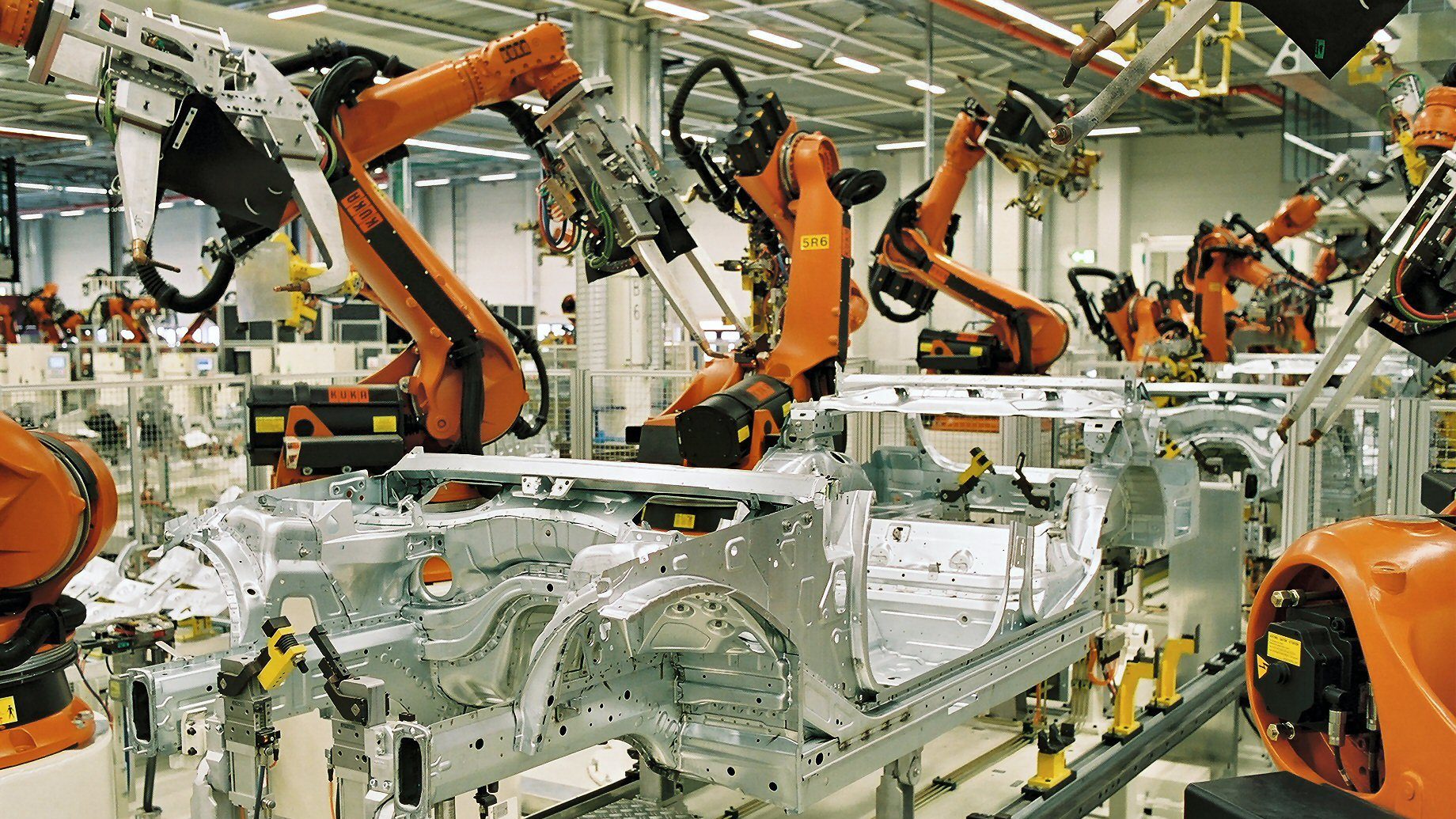
    China is the biggest manufacturing hub in the world. State provided incentives, low wages and the lack of strict labour laws have helped the country become a formidable force in the field of manufacturing. The country is slated to become the biggest employer for robots by 2017.

    To give a boost to its automotive and electronics production the country is in an active automation-drive. The wages have grown over the years and hence the companies are being forced to invest in robots.

    The trend has started with automobile production, but specialists believe it will soon be seen in the electronics production. The automobile industry accounts for about 40 percent of robots currently in operation.

    China is still lagging behind in terms of numbers of robot it employs now. While China has 30 robots per 10000 workers, South Korea boasts of 437; Japan has 323, and the United States has 152. But the the International Federation of Robotics (IFR) estimates the numbers of Chinese robots to grow exponentially.

    Japanese robot suppliers lead the race to supply to the industry and hold 60 percent of the market. Chinese suppliers are also fast gaining ground and have captured a quarter of the market.

    The robots will also actively take jobs away from human workers so its left to be seen how China will address that issue.

  • Royal Enfield Targets 150,000 Sales In 2013

    Royal Enfield Targets 150,000 Sales In 2013

    royal enfield

    Royal Enfield, India’s oldest maker of motorcycles, is looking at doubling its sales at 150,000 units during the next year (2013) as against 75,000 units sold in 2011. For the year 2012, the company is aiming at selling 100,000 bikes.

    In order to meet the growing demand for its high performance motorcycles, the company is setting up second manufacturing unit at Oragadam near Chennai at an investment of Rs 150 crore. It has bought 50 acres land for the purpose. The plant will commence production during the first quarter of 2013, Shaji Koshy, senior vice president, sales and marketing, Royal Enfield said.

     [quote]“Last year we sold 75,000 units, whereas we have achieved that mark in the first three quarters of this year. Our monthly sales volume has increased to 10,000 units from 7,000 units in January this year. With the launch of Thunderbird 500 we hope to double our sales in 2013,” he said.[/quote]

    Talking to reporters after the launch of Thunderbird 500 and all-new Thunderbird 350 in Bangalore on Thursday, Koshy said the company would have a combined manufacturing capacity of 150,000 units in 2013. The company has also increased its dealer network in the country to 237 outlets. The company will start delivering the newly launched bike from end of November and the customers, who have booked Thunderbird 350 would be given a choice to shift to Thunderbird 500 before commencing the booking for new customers, he added.

    The company plans to export about 5 per cent of its total capacity next year. It currently exports its bikes to USA, UK, Canada, and Latin America among other markets.

    Thunderbird 500 is available for Rs 186,622 (On-road, Bangalore) and Thunderbird 350 comes with a price of Rs 146,466 (On-road, Bangalore)

    [Business Standard]

  • Sony Ericsson split complete : Sony Mobile Communication is the new name

    Sony Ericsson split complete : Sony Mobile Communication is the new name

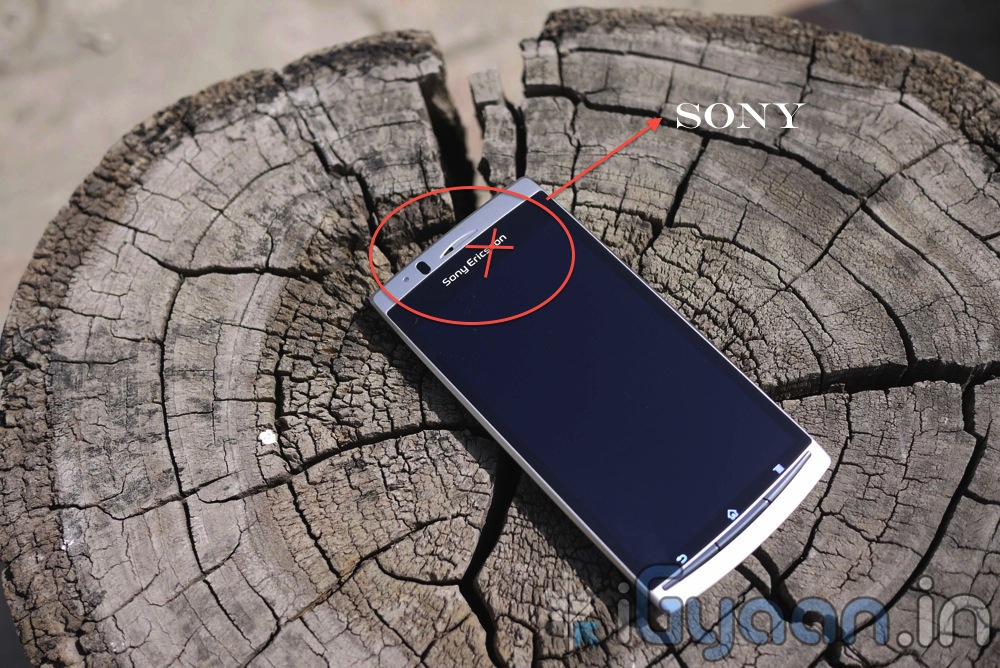
    The big split is finally, final. Sony and Ericsson have finally spilt up, to name the new company Sony Mobile Communications. Sony has finally taken over Telefonaktiebolaget LM Ericsson’s 50-percent stake in the pair’s former joint venture, reported to have cost €1.05 billion ($1.37 billion). The reports of this split started to appear in the last months of 2011.

    PRESS RELESE : 

    • The previously announced divestment of Ericsson’s share of Sony Ericsson to Sony, including the broad IP cross-licensing agreement, completed on February 15, 2012
    • Ericsson’s gain on the transaction will be approximately SEK 7.5 billion and reported as ‘Other operating income’

    Ericsson (NASDAQ:ERIC) has today completed the divestment of its 50 percent stake in Sony Ericsson Mobile Communications AB (“Sony Ericsson”), including the broad IP cross-licensing agreement, jointly announced by Sony Corporation (“Sony”) and Ericsson on October 27, 2011. This makes Sony Ericsson a wholly-owned subsidiary of Sony. The agreed cash consideration for the transaction is EUR 1.05 billion.

    Ericsson’s gain on the transaction will be approximately SEK 7.5 billion and will be reported in the first quarter result on April 25, 2012, as ‘Other operating income’ in the income statement.


    [via]

    [Sony]

  • End Of Days: Sony Buys out stake from Sony Ericsson at €1.05 billion

    End Of Days: Sony Buys out stake from Sony Ericsson at €1.05 billion

    Rumors are all out, and put to an end. Sony has confirmed that it will buy out its stake from the JV of Sony Ericsson for a whopping €1.05 billion in exchange for its 50 percent. This will give Sony full ownership of the company soon to be rebranded worldwide. This will also enable the company to have a more systematic alignment with the arsenal of tablets and PCs it plans in the future.

    The buyout will also give IP cross-licensing agreement and ownership of “five essential patent families” to ensure they stay in the mobile phone business. The separation will be finalized in Jan 2012.

    [toggle title_open=”Press Release” title_closed=”Press Release” hide=”yes” border=”yes” style=”default” excerpt_length=”0″ read_more_text=”Read More” read_less_text=”Read Less” include_excerpt_html=”no”]Ericsson: Sony to acquire Ericsson’s share of Sony Ericsson

    October 27, 2011, 08:16 (CEST)

    Sony Ericsson to become a wholly-owned subsidiary of Sony and integrated into Sony’s broad platform of network-connected consumer electronics products
    The transaction also provides Sony with a broad IP cross-licensing agreement and ownership of five essential patent families
    Ericsson to receive EUR 1.05 billion cash payment
    Sony and Ericsson to create wireless connectivity initiative to drive connectivity across multiple platforms
    Ericsson (NASDAQ:ERIC) and Sony Corporation (“Sony”) today announced that Sony will acquire Ericsson’s 50 percent stake in Sony Ericsson Mobile Communications AB (“Sony Ericsson”), making the mobile handset business a wholly-owned subsidiary of Sony.

    The transaction gives Sony an opportunity to rapidly integrate smartphones into its broad array of network-connected consumer electronics devices – including tablets, televisions and personal computers – for the benefit of consumers and the growth of its business. The transaction also provides Sony with a broad intellectual property (IP) cross-licensing agreement covering all products and services of Sony as well as ownership of five essential patent families relating to wireless handset technology.

    As part of the transaction, Ericsson will receive a cash consideration of EUR 1.05 billion.

    During the past ten years the mobile market has shifted focus from simple mobile phones to rich smartphones that include access to internet services and content. The transaction is a logical strategic step that takes into account the nature of this evolution and its impact on the marketplace.

    This means that the synergies for Ericsson in having both a world leading technology and telecoms services portfolio and a handset operation are decreasing. Today Ericsson’s focus is on the global wireless market as a whole; how wireless connectivity can benefit people, business and society beyond just phones. Consistent with that mission, by setting up a wireless connectivity initiative, Ericsson and Sony will work to drive and develop the market’s adoption of connectivity across multiple platforms.

    “This acquisition makes sense for Sony and Ericsson, and it will make the difference for consumers, who want to connect with content wherever they are, whenever they want. With a vibrant smartphone business and by gaining access to important strategic IP, notably a broad cross-license agreement, our four-screen strategy is in place. We can more rapidly and more widely offer consumers smartphones, laptops, tablets and televisions that seamlessly connect with one another and open up new worlds of online entertainment. This includes Sony’s own acclaimed network services, like the PlayStation Network and Sony Entertainment Network,” said Sir Howard Stringer, Sony’s Chairman, Chief Executive Officer and President. Mr Stringer also noted that the acquisition will afford Sony operational efficiencies in engineering, network development and marketing, among other areas. “We can help people enjoy all our content – from movies to music and games – through our many devices, in a way no one else can.”

    “Ten years ago when we formed the joint venture, thereby combining Sony’s consumer products knowledge with Ericsson’s telecommunication technology expertise, it was a perfect match to drive the development of feature phones. Today we take an equally logical step as Sony acquires our stake in Sony Ericsson and makes it a part of its broad range of consumer devices. We will now enhance our focus on enabling connectivity for all devices, using our R&D and industry leading patent portfolio to realize a truly connected world” said Hans Vestberg, President and CEO of Ericsson.

    When Sony Ericsson started its operations on October 1, 2001, it combined the unprofitable handset operations from Ericsson and Sony. Following a successful turnaround the company has become a market leader in the development of feature phones by integrating Sony’s strong consumer products knowledge and Ericsson’s telecommunications technology leadership. The WalkmanTM phone and Cyber-shotTM phone are well known examples.

    With the successful introduction of the P1 in 2007, Sony Ericsson early on established itself in the smartphone segment. More recently, the company has successfully made the transition from feature phones to Android-based Xperia(TM) smartphones. By the end of the third quarter of 2011, Sony Ericsson held a market share of 11 percent (by value) in the Android phone market, representing 80 percent of the company’s third quarter sales. During its ten years in operation Sony Ericsson has generated approximately EUR 1.5 billion of profit and paid dividends totalling approximately EUR 1.9 billion to its parent companies. Prominent models include “XperiaTM arc” and “XperiaTM mini” which received 2011 EISA Awards, while recent notable additions to the lineup include “XperiaTM PLAY” and “XperiaTM arc S”.

    The transaction, which has been approved by appropriate decision-making bodies of both companies, is expected to close in January 2012, subject to customary closing conditions, including regulatory approvals.

    Ericsson has accounted for its 50 percent share in Sony Ericsson according to the equity method. Following completion of the transaction, Ericsson will have no outstanding guarantees relating to Sony Ericsson and will no longer account for Sony Ericsson as an investment on balance sheet. The transaction will result in a positive capital gain for Ericsson which will be defined after closing of the transaction.

    SEB Enskilda is acting as Ericsson’s sole financial advisor in the transaction.[/toggle]
  • Apple’s new Batteries will make the iPad 3 thinner and lighter than the iPad 2

    Apple’s new Batteries will make the iPad 3 thinner and lighter than the iPad 2

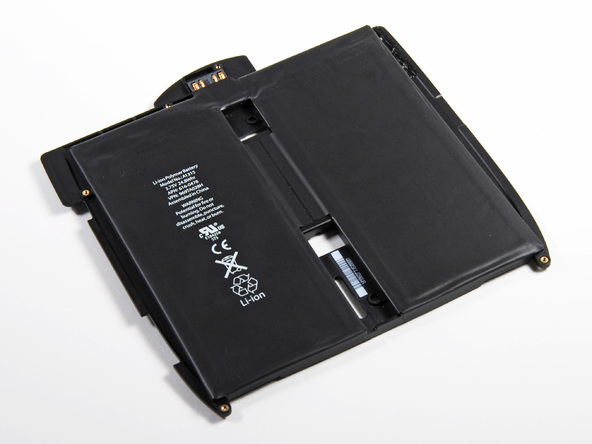
    Apple’s recent trade agreement with Simplo Technology Co. and Dynapack International Technology Corp. if for the supply of batteries to the next generation of iPad expected from the company later this year. The new battery is thinner and lighter than the ones used in the iPad 2, but still supply a longer battery life. Due to this the cost of batteries to Apple is expected to rise by about 30%

    A thinner and lighter iPad could mean serious trouble for business for competitors who are already struggling against the existing iPad 2.

  • iPhone 5 production begins without iOS 5

    iPhone 5 production begins without iOS 5

    Now that the iPhone 5 is set to launch soon , Apple’s manufacturing partners have reportedly begun assembling the iPhone 5 according to a new report from Macotakara.

    Foxconn, who handle 85% of iPhone 5 production, and Pegatron, which has picked up a contract for the remaining 15%, have begin manufacturing parts for the expected jesus phone. Citing information from an anonymous source, the report also notes that finished devices are not yet being packaged, as the release build of iOS 5 has not yet been finalized.

    [macotakara]

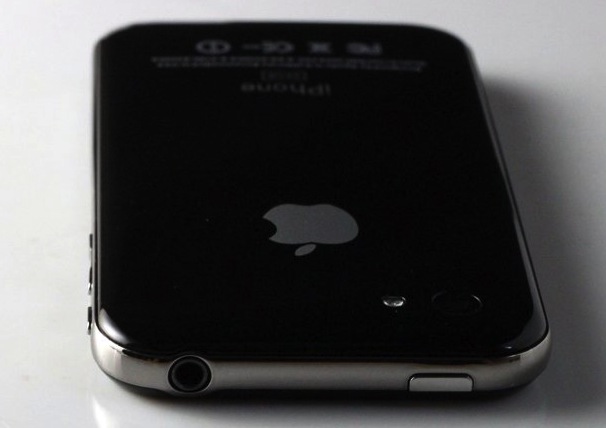
  • Apple will release a cheaper 8GB iPhone 4 in the coming weeks with new iPhone 5

    Apple will release a cheaper 8GB iPhone 4 in the coming weeks with new iPhone 5

    A the heat begins to mount for the impending launch for the next big iOS device, reports are pinging to a cheaper 8GB iPhone 4 this september itself, that could also means an end September release for the the upcoming iPhone 5.

    Reports are also mentioning that Apple has warned their manufacturers that the demand of 45 million iPhones need to be shipped when the lower price is announced.  The rumors of an early october launch are also shunted to show a end-september Launch of the iPhone 5

  • Sony Playstation 4 coming in 2012 ?

    Sony Playstation 4 coming in 2012 ?

    PS4
    CONCEPT PS4 Image

    [dropcap]I[/dropcap]f a report from market hardware news watch website Digitimes reports that, Sony’s manufacturing partners will begin building the Playstation 4 by the end of this year for a launch schedule of quarter 2 2012. There are no specific details , but most rumors talk about a kinect type motion sensing technology to replace the current generation PS3 Move. 

    Sony has always held in strong opinion that physical controls are essential for gaming. Dropping that claim would be very convenient for the company and possibly beneficial. Foxconn and Pegatron, the two manufacturing firms charged with assembling Sony’s PlayStation 3, will build the new console according to DigiTimes’ sources. Also mentioned in the report, shipment volume for 2012 is set at 20 million.

    With the Wii U and the next Xbox coming next year, if was only expected that the third giant upgrade their flagship console.

  • HP to Move Part of Notebook production to Japan Factories

    HP to Move Part of Notebook production to Japan Factories

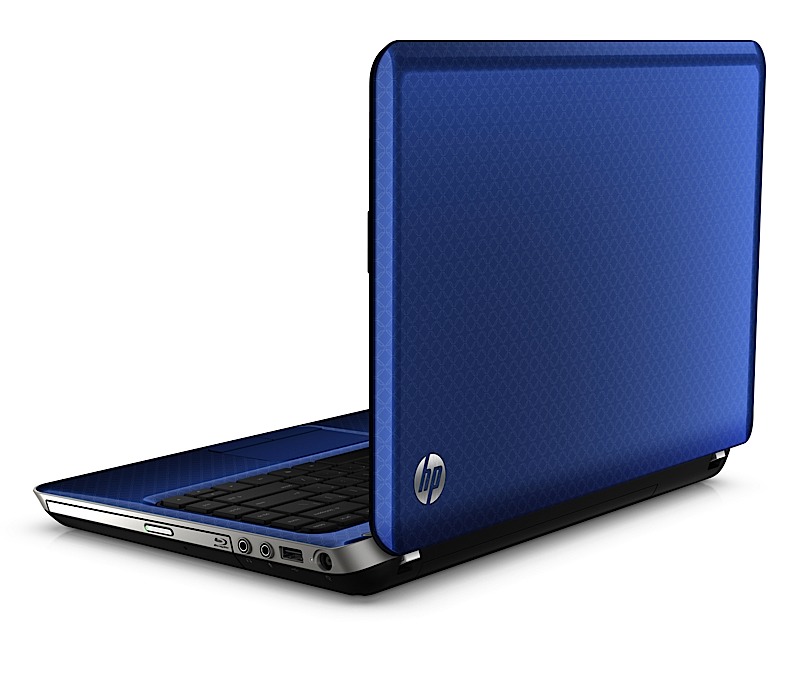
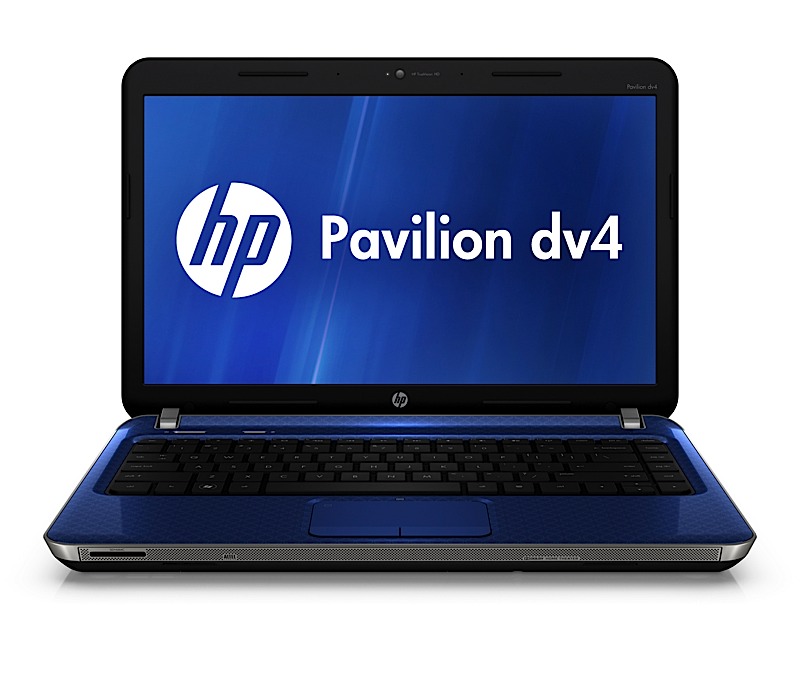
    This is not everyday news, infact it is quite the opposite of everyday news. According to Japanese Paper the Nikkei, HP has decided to move production of its Japanese selling notebooks to Japan based manufacturing units at factories in Akishima near Tokyo. HP also plans to hire 50% more workers in Akishima, boosting the number of employees there to 450.

    HP claims this will increase efficiency, be closer to the market, stand out with a “made-in-Japan” label, and push down delivery times especially to Japanese business customers. According to Nikkei the delivery of the notebooks will go down to just 5-10 days vs the current 15-30 in Japan. HP currently holds 10% market share in Japan , which makes it the number 5 PC vendor in Japanese territory.

iGyaan Network
Privacy Overview

This website uses cookies so that we can provide you with the best user experience possible. Cookie information is stored in your browser and performs functions such as recognising you when you return to our website and helping our team to understand which sections of the website you find most interesting and useful.