Tag: graphics

  • Gaming Graphics: Then And Now

    Gaming Graphics: Then And Now

    Over the past 30 years, video games have become an integral part of our lives and culture. Video game companies have become multi-millionaire giants. The gaming industry has grown to a gigantic extent. Today we see not only see teenagers spending a great deal of time on gaming, but also adults too are immersed in this new culture.

    The first recorded game was invented in 1947. A ‘Cathode Ray Tube Amusement Device’ was patented by Thomas T. Goldsmith Jr. and Estle Ray Mann on 25th January that year. This device consisted of an analog device that allowed users to control a dot on the screen to guide the missile to targets drawn to the screen. This device opened the gateway to the evolution of Video games.

    Let us look at how Gaming Graphics have evolved with time, below:

    Text Based Games
    Text Based Games
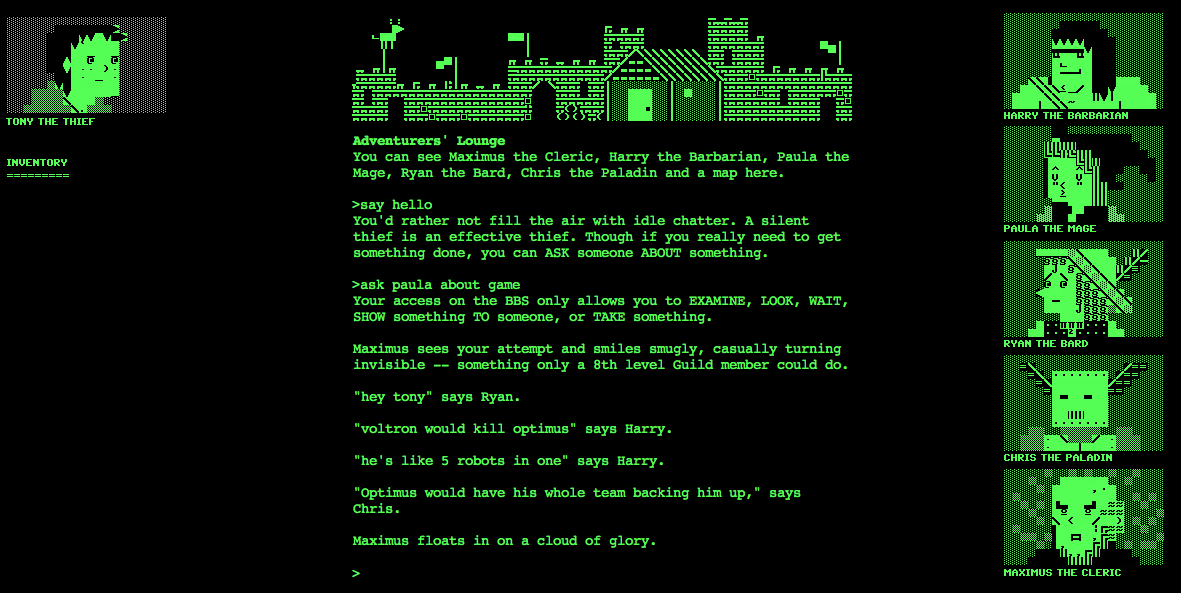
    Guilded Youth

    The earliest games were all text based and used texts instead of bitmap or vector graphics. These games were easy to program and required minimum power, unlike graphic games. These types of games were very popular during the 1970-1990 period. The most popular was Multi-User Dungeons. Here, players read the description of rooms, objects, other players and actions performed in the virtual world. Interaction meant typing commands with each other that resemble a natural language.

    Vector Graphic Games
    Vector Graphic Games
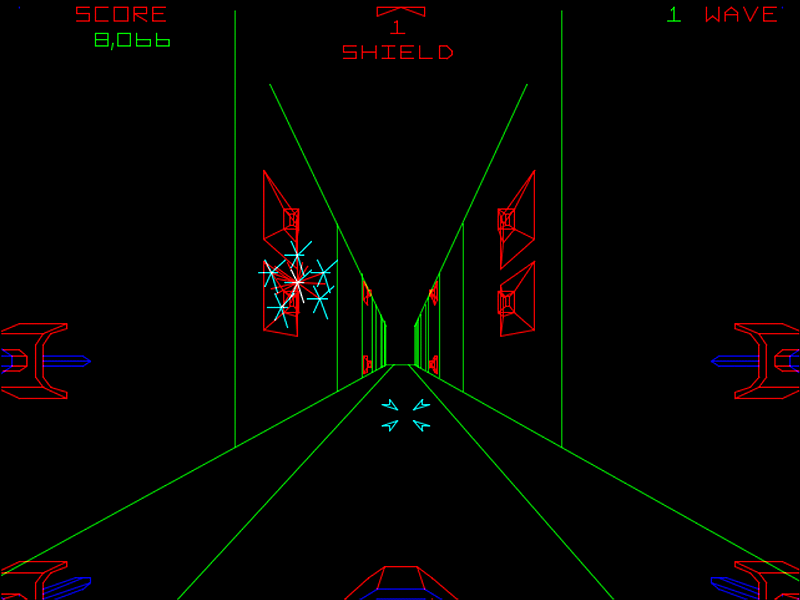
    Project Morpheus

    These games used points, lines and curves to represent images in computer graphics. So, instead of drawing images as pixels, vector graphic display used electronic beams to draw the images. Most of the earlier arcade games used this graphic. Many games gave very detailed static items in full-colour layouts, while moving objects were drawn using a vector beam.

    Companies like Atari and Sega used this type of graphic for their games. Some of the games that are based on Vector Graphics are Space Wars, Star Trek, Space Fury, etc.

    Full Motion Video Games

    Full Motion Video Games
    Jurassic Park: The Game

    This type of graphics required programmers to upload pre-recorded video files to display action in the game. In today’s time, Full Motion Videos are used to present information during cut scenes. This type of graphic makes the game look ‘more movie like’. Games that are based on Full Motion Video are also known as interactive movies.  Some games based on this are Jurassic Park: The Game, The Walking Dead (series), Game Of Thrones, etc.

    2D Games

    2D games are two dimensioned games. This graphic allows users to create a vast game world without any hassle as compared to 3D games. 2D games are broadly divided into three categories:

    Top-Down Perspective
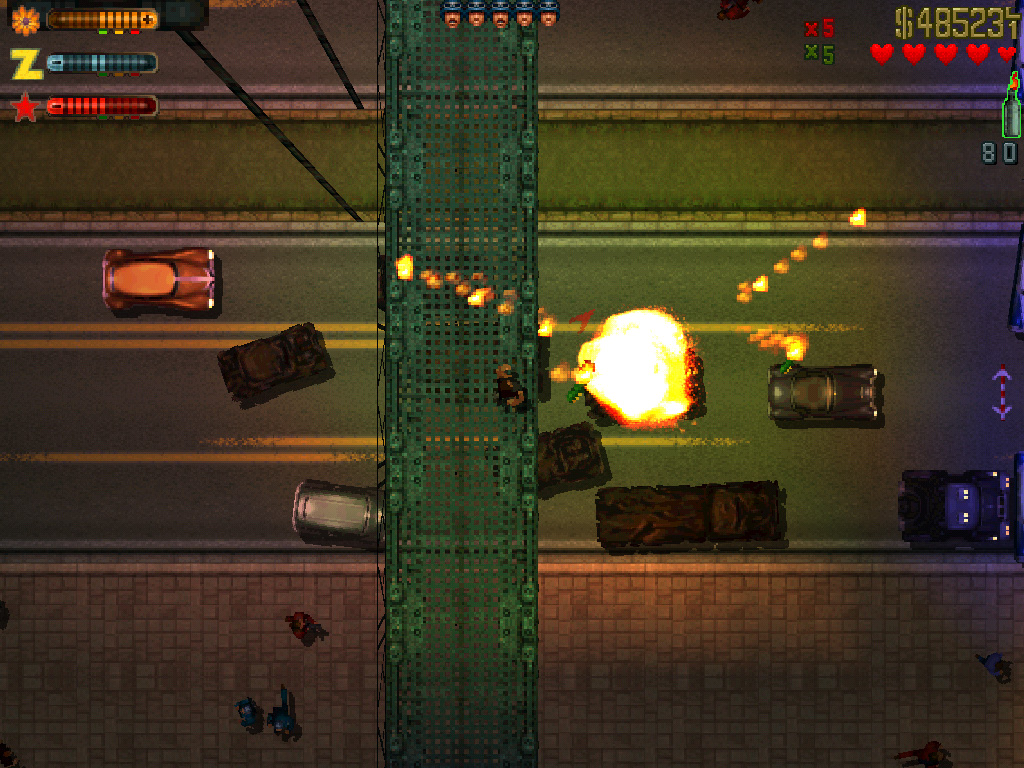
    Top-Down Perspective
    Grand Theft Auto

    More commonly known as the Bird-view, this perspective uses a camera angle that shows the players and the corresponding area from above. Most of our childhood games were played in this particular viewpoint. Some of the famous games included in this list are SimCity, GTA, Pokemon, Railroad Tycoon, etc.

    Side Scroll Perspective
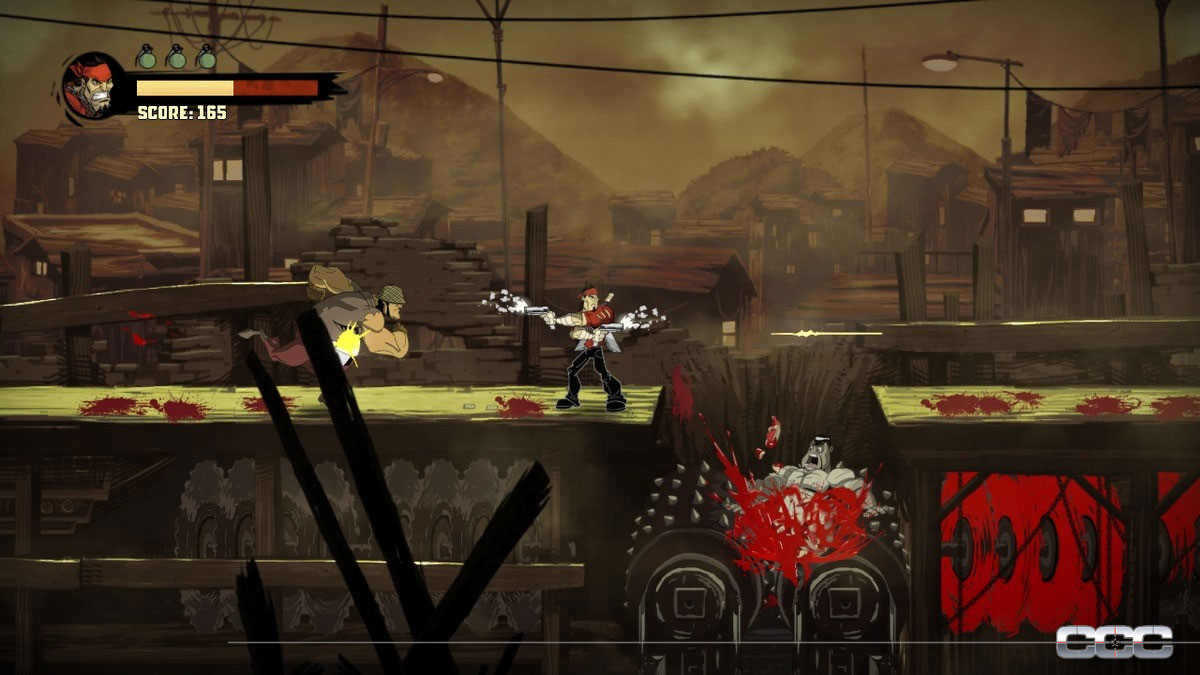
    Side Scroll Perspective
    Heroes of Rock

    Here, the view is sideways where the playable character moves from left to right generally. This type of graphics uses scrolling computer display technology. Sometimes, the screen moves only towards the left or right, and in some games, the screen moves in both ways according to the position of the character. In some games, the screen continuously keeps on moving in one direction, while the character attempts to avoid obstacles and collect things along with catching up with the screen. Some examples would be Duke Nukem, Aladdin, Lion King, etc.

    2.5D or ¾ Perspective or Pseudo 3D
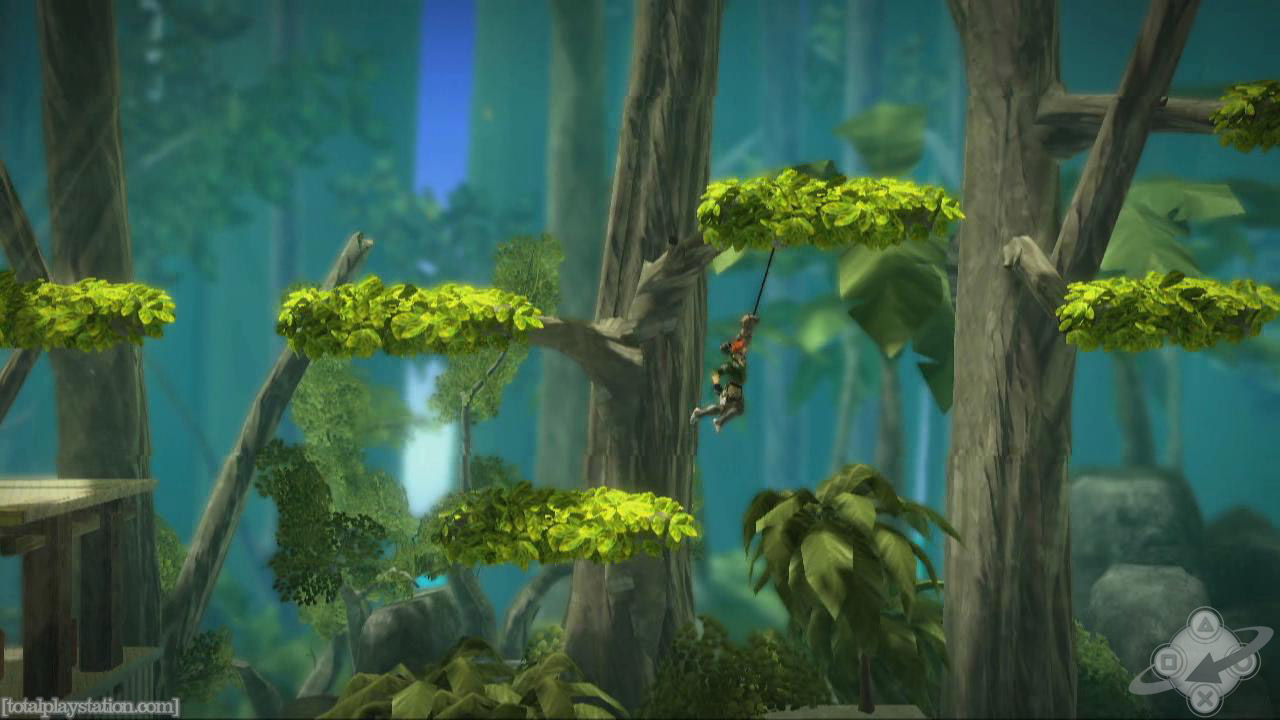
    2.5D game
    IMO Sonic 4

    As the name suggests, these terms are used to describe techniques that are used to create fake 3D graphics. These techniques are used to create an illusion of 3D without actually creating it. Some games have the character and environment rendered in 3D, but most of its levels are not as free-roaming as a real 3D platform. It means that the character only moves in two dimensions, either up and down or left and right.

    3D Games

    3D graphics are graphics that use three dimensions of the geometric data. After the invention of 3D accelerated graphics units (NVIDIA, etc.), video games expanded, way above the level of 2D. 3D games are divided into three categories:

    Fixed 3D
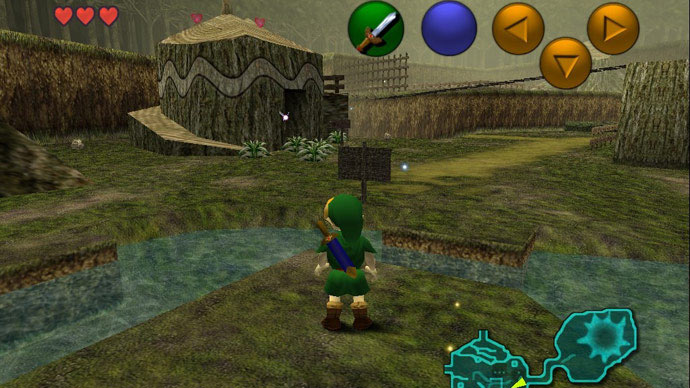
    The Legend of Zelda Ocarina of Time
    The Legend of Zelda: Ocarina of Time

    Here, while the game characters are rendered in 3D and in real time, the foreground remains static. The background tends to stay in 2D. Many of the early 3D games were based on these type of graphics. Examples are Alone in the Dark series, The Legend of Zelda: Ocarina of Time, etc.

    First Person Perspective
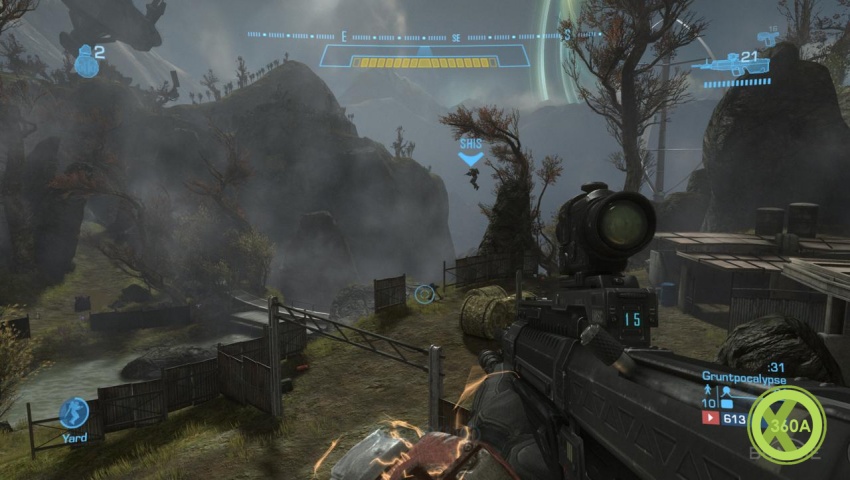
    First Person Perspective
    Halo

    This refers to the perspective rendered from the viewpoint of the player character. These games are avatar based, where the controlling player would see the gaming environment as through the avatar’s own eyes. This kind of graphics applies in most shooting and racing games. Some examples would be Counter-Strike, Halo (series), Call of Duty, Need for Speed, etc.

    Third Person Perspective
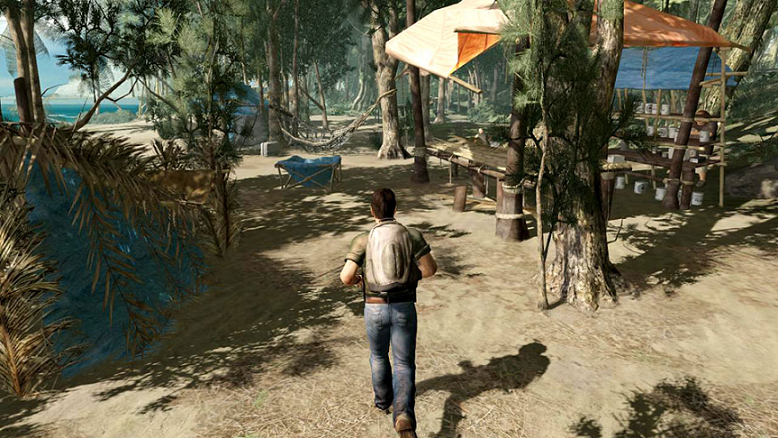
    Lost: Via Domus
    Lost: Via Domus

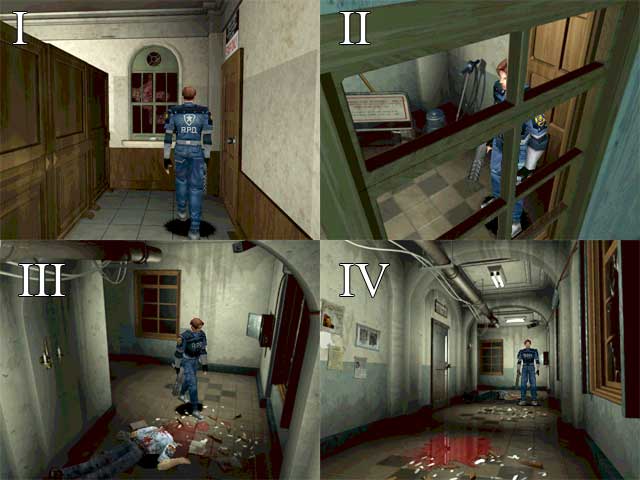
    This refers to a type of graphical perspective that is rendered a distance away from the playable character. This allows the player to see the full body of the character and is the most common type of graphic used in action and adventure games. One of the few difficulties related to the graphic is the awkward jerking of the camera when the character stands against a wall. The three types of camera view in this graphic are:

    Fixed Camera System
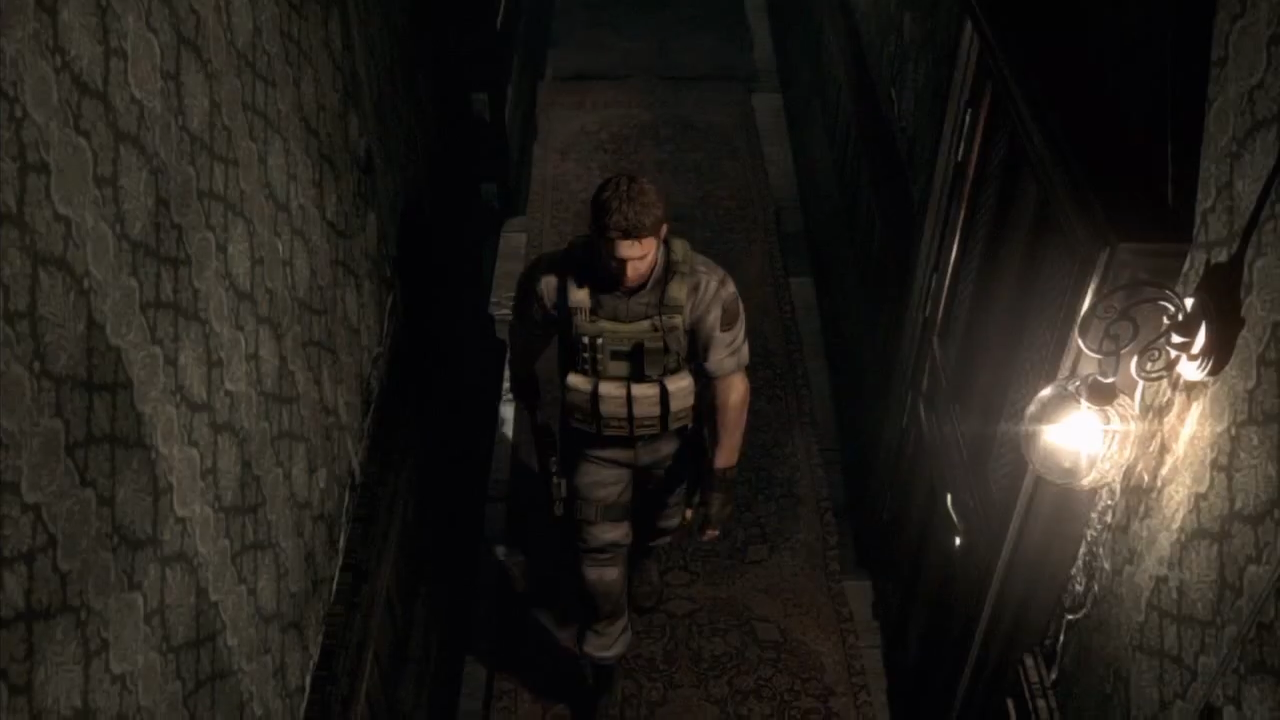
    Fixed Camera System
    Resident Evil

    The camera positions are fixed during the creation of the game.

    Tracking Camera System
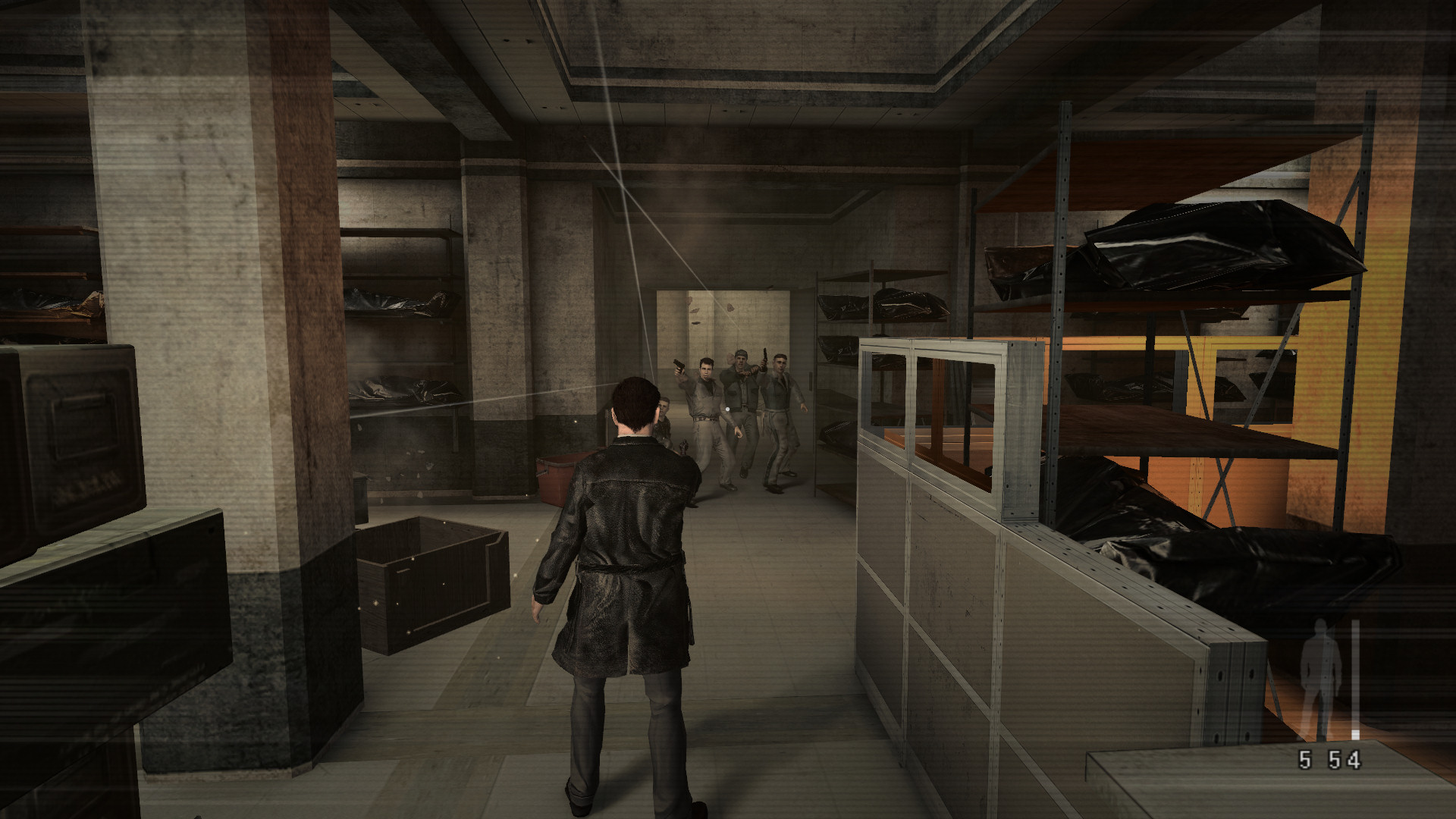
    Max Payne
    Max Payne

    The camera only follows the character.

    Interactive Camera System
    Resident Evil
    Resident Evil

    The cameras are under the command of the user, that is; it can be adjusted according to the need of the controlling player.

    Some famous examples of Third Person Perspective games would be Batman (series), Max Payne (series), Assassin’s Creed (series), etc.
  • NVIDIA launches Tegra 4: with quad-core Cortex A15 and 72 GPU cores !

    NVIDIA launches Tegra 4: with quad-core Cortex A15 and 72 GPU cores !

    tegra 4 2013-01-07 at 10.46.39 AM


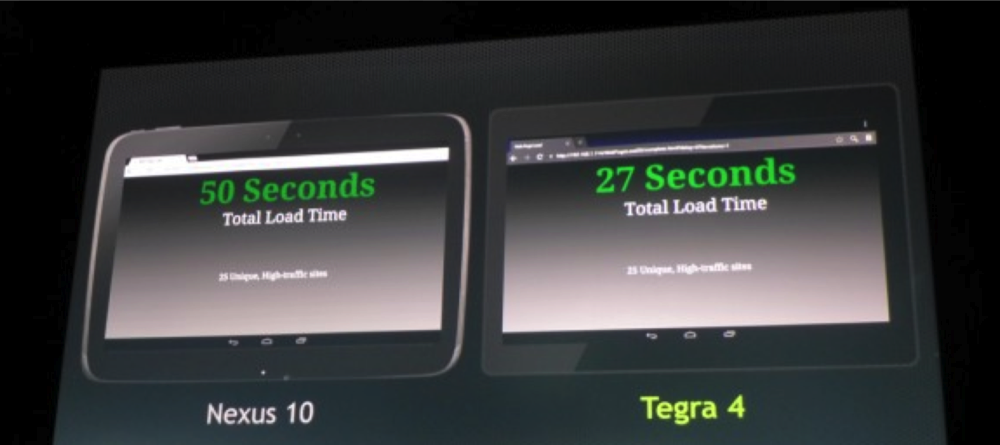
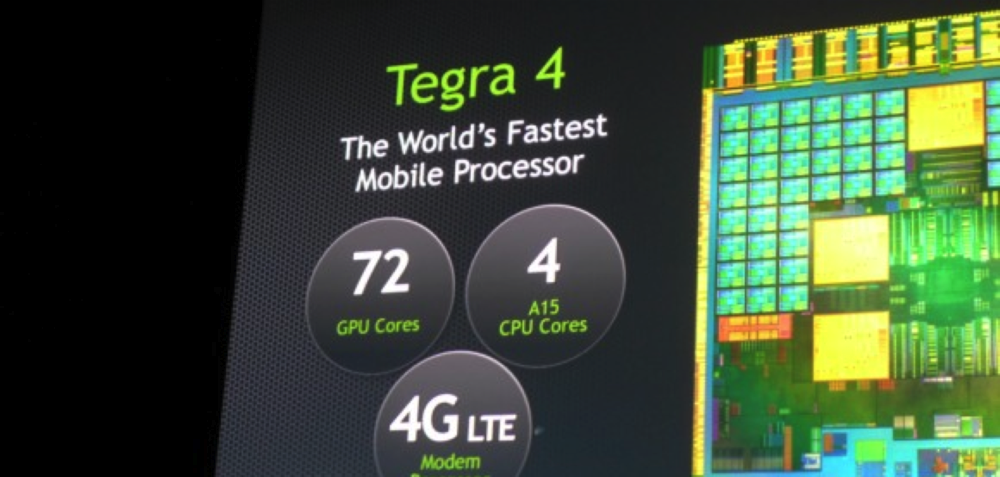
    At CES 2013, NVIDIA has announced their chipset upgrade of the year, The Tegra 4 platform. Even though the chip retains the same 4-plus-1 arrangement of the Tegra 3 Platform, adds capabilities of an impressive 72 GPU cores. That will improve the GPU capability almost 6 times. 


    The first test this processor was put to live on stage was between itself in an unnamed tablet and the Google Nexus 10 – loading webpages on the Tegra 4 finished  almost 50% quicker than the Nexus 10.tegra 4 2013-01-07 at 10.47.05 AM

    Its also the first quad-core processor with Cortex A15 cores on-board, which offers compatibility with LTE networks. NVIDIA also claims this piece of silicon is the world’s fastest mobile processor. in a comparative chart putting the NVIDIA Tegra 4 ahead of the iPad 4 and then the Nexus 10.

    The Tegra 4 also boasts of new Photography computational expertise, which will drastically improve the time between an image clicked, processed and saved. NVIDIA said that it will introduce a new mobile processor architecture each year, with the Tegra 4 however it seems the Tegra 3 chipset has been updated.


    tegra 4 2013-01-07 at 10.46.58 AM

  • Crytek releases CryEngine 3 Tech Trailer for Crysis 3

    Crytek releases CryEngine 3 Tech Trailer for Crysis 3


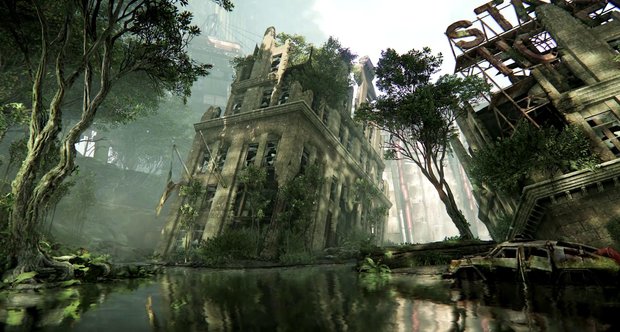
    Today Crytek released a trailer that serves as a preview of Crysis 3‘s graphics and the capabilities of their proprietary tech CryEngine 3. It’s pretty much porn for you video game artists out there. 

    The in-game footage is probably from a high-end PC. While the PS3 and Xbox 360 versions of Crysis 3 will be easy on the eyes, it seems unlikely they’d be capable of this level of quality. Look at it as a preview of next-gen consoles’ potential, I guess. 

    Tesselated vegetations, displacement mapping and real-time volumetric cloud shadows are among the features touted in the trailer. I understand about half of those words. The video seems to be targeted at fellow developers. Fortunately purty graphics are easy to decode even if the tech jargon isn’t. 

    Crysis 3 is due in February of next year. 

  • HTC will Buy S3 Graphics as a dead investment, security for future Patent suits.

    HTC will Buy S3 Graphics as a dead investment, security for future Patent suits.

    HTC has assured that after a final assessment of the worth of S3 graphics the company will wrap up the buyout some time soon. The 270 patents that come into HTC portfolio will help the company fight off any legal issues that may arise in the future.

    The strong Patent portfolio may also scare potential competition and make them think twice before any other patent wars begin

    [Focus Taiwan]

  • The New iPad goes through Benchmarks, iPad 3 vs iPad 2 vs Transformer Prime vs Galaxy Tab 10.1

    The New iPad goes through Benchmarks, iPad 3 vs iPad 2 vs Transformer Prime vs Galaxy Tab 10.1

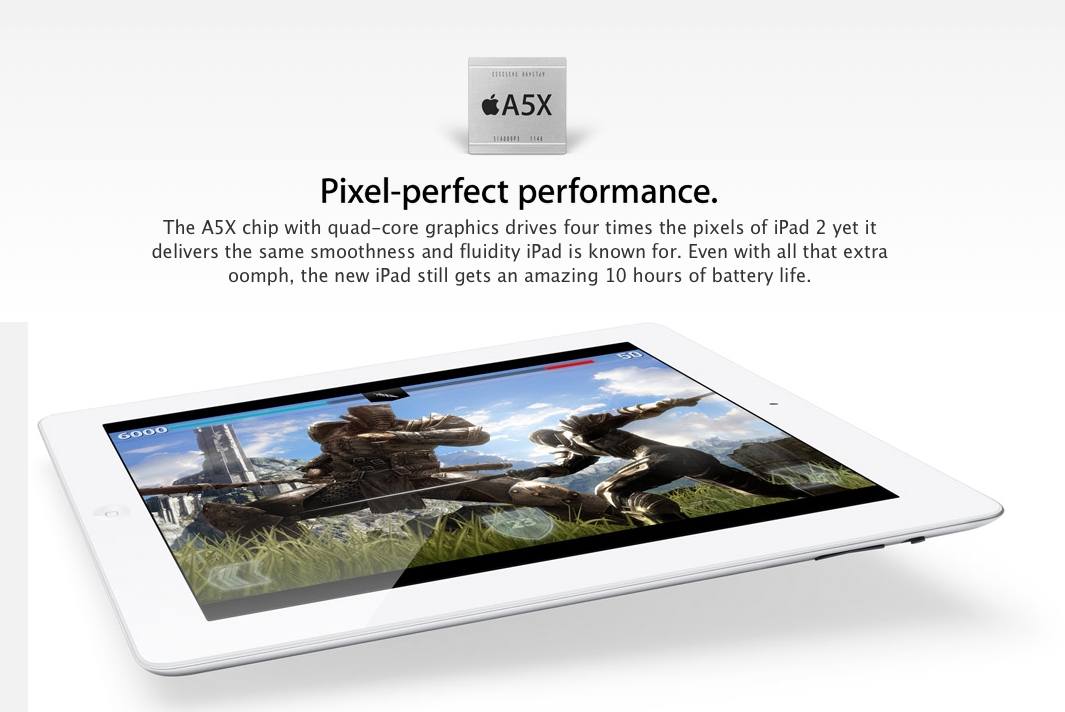
    During the launch of Apple’s third-gen iPad, the company made huge claims about the performance of the new A5x chip, claiming that the A5X processor with quad-core graphics provided up to 4x the graphics performance of NVIDIA’s Tegra 3 chip and  2x the graphics performance of the iPad 2?s A5 chip.

    Benchmark data shows the iPad 2?s A5 chip bettering both the A5X and Tegra 3 with the A5X’s improved graphics being used mostly to power the new iPad’s high-resolution Retina display of 3.1 million pixels.

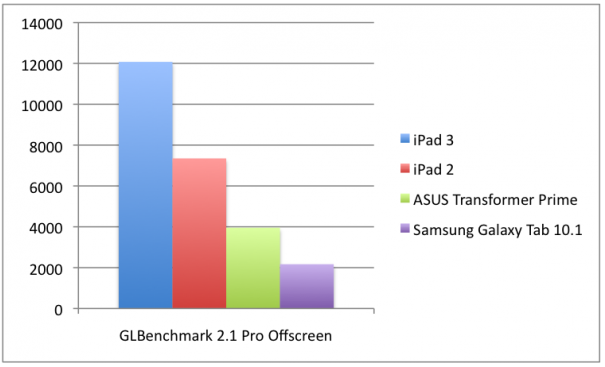
    However when the Screen is in off mode and benchmarks are run, the results of the A5x significantly prove to outperform all remaining devices. 

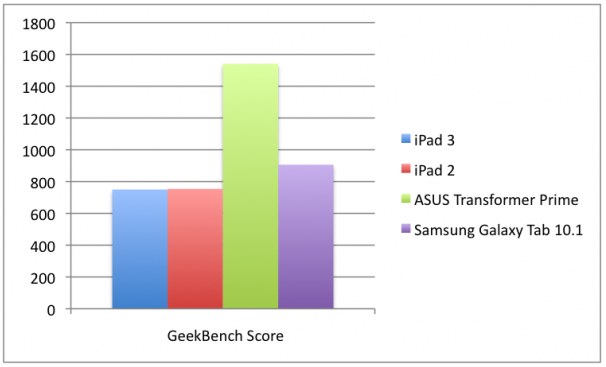
    For CPU Tegra 3-powered ASUS Transformer Prime and Galaxy Tab 10.1 scored higher in GeekBench than both the iPads:

    Tegra 3?s quad-core configuration blazes past the dual-core A5X, garnering GeekBench scores of 1540 and 750, respectively. Interestingly, the A5X’s average score fell a few points short of the iPad 2?s standard A5 chip, 753. Both the A5X and the A5 also fell shy of the Samsung Galaxy Tab 10.1?s Tegra 2, which received an overall score 905. The gains made by the Tegra 3 are easily chalked up to its two extra cores, but it is also boasts the highest clocking speed of the group at 1.6GHz, compared to the 1GHz clock of the A5X, A5 and Tegra 2.

    IGN

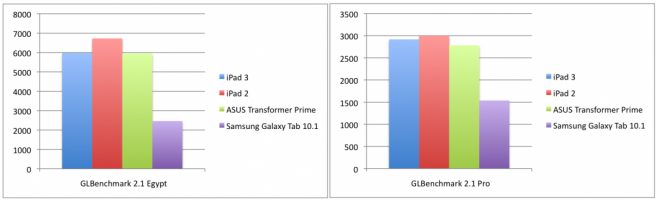
    For graphics tests with GLBenchmark, iPad 2 scored higher than the third-gen iPad in both tests. 

    For the Egypt test, the iPad 2 (1024×768) produced 6,709 frames at a framerate of 59 frames-per-second, while the new iPad (2048×1536) ran 5,974 frames at 53 FPS and the Transformer Prime (1280×800) generated 5,955 at a rate of 52 FPS. The Galaxy Tab 10.1 (1280×800), on the other hand, produced only 2,465 frames at a surprisingly low 21 FPS.

    -IGN

    The results of the off-screen tests show the A5X producing 15,412 frames at a rate of 138 FPS compared to the iPad 2 that has 10,143 frames at 90 FPS.

  • Samsung Galaxy S2 BenchMarks !!

    Samsung Galaxy S2 BenchMarks !!


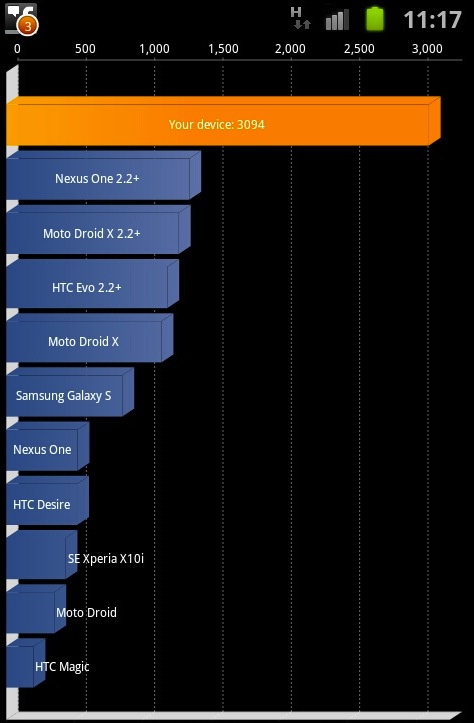
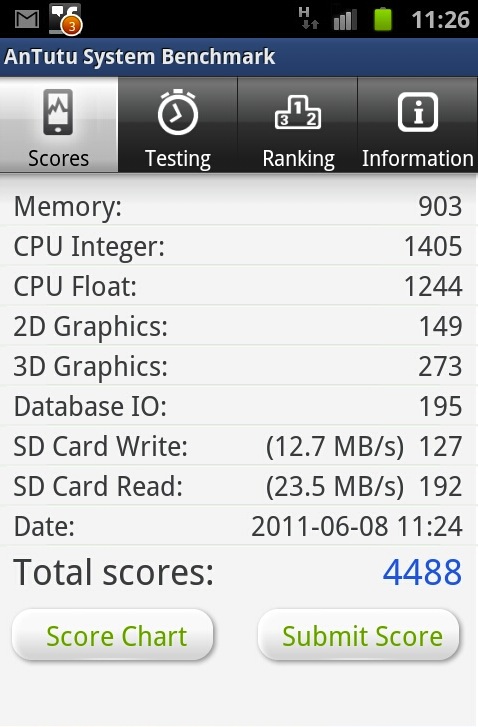
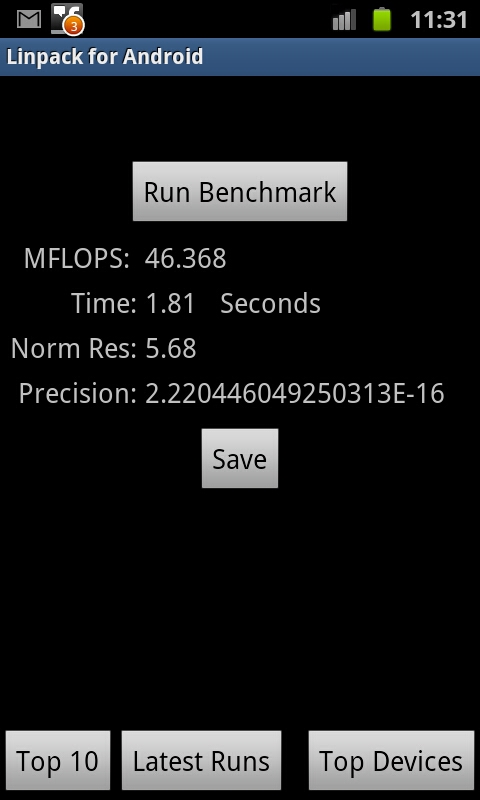
    So while we were playing around with the new Samsung Galaxy S2 and found a great screenshot feature so we decided to show you benchmark screenshots: take a look at the amazing scores from Samsung Galaxy S2


    Quadrant Benchmark

    AnTutu System


    NeoCore

    Linpack

  • ASUS Matrix GTX 580 and MARS II graphics cards ANNOUNCED

    ASUS Matrix GTX 580 and MARS II graphics cards ANNOUNCED

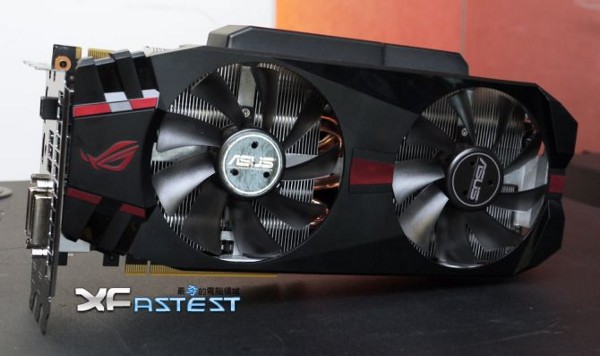
    ASUS has just announced the new Matrix GTX 580 and MARS II Graphics cards. The Matrix GTX 580 will come in two options — standard and Platinum — both with 1.5GB of RAM and dual-fan cooling solution requires three PCI slots.

    MARS II, the 3GB, dual-GPU has an even bigger cooling rig attachment, which will be detailed in the near future. The Mars 2 (II) also comes with 19-phase power and Super Alloy components.


    More Details and Specs as we Get Them.

iGyaan Network
Privacy Overview

This website uses cookies so that we can provide you with the best user experience possible. Cookie information is stored in your browser and performs functions such as recognising you when you return to our website and helping our team to understand which sections of the website you find most interesting and useful.