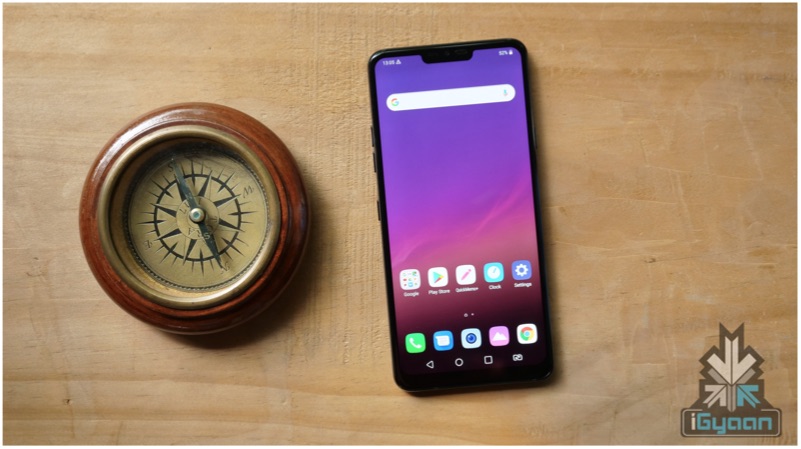
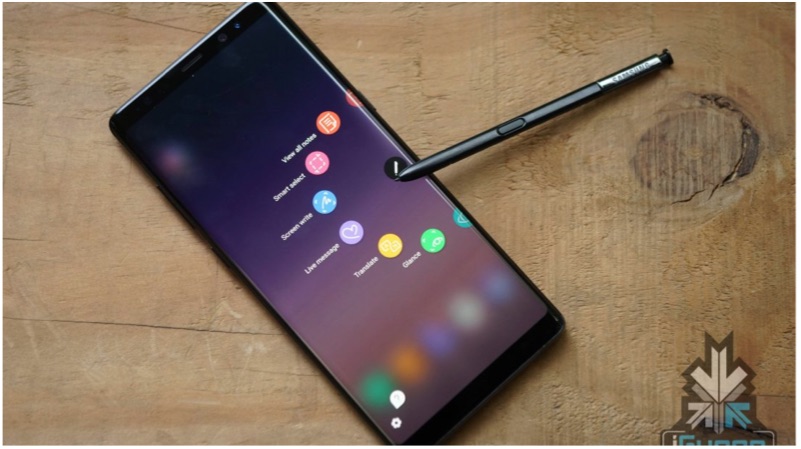
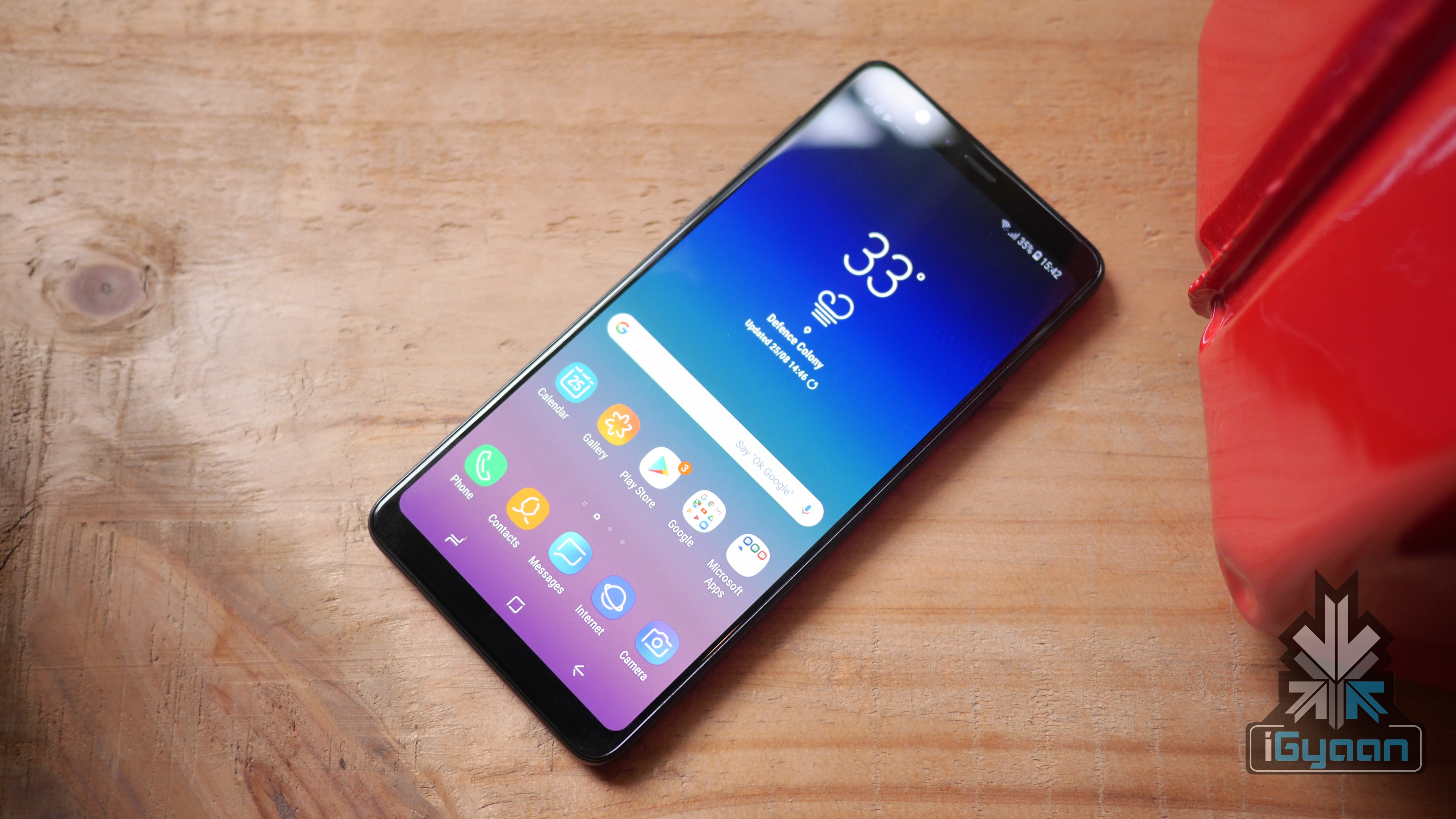
Consumer Electronics Show (CES) is one of the largest annual trade shows that is held in the month of January. The show is organised by the Consumer Technology Association (CTA) in Las Vegas, United States. During the event, several companies from around the globe showcase the latest innovations and developments. In the past decade, smartphones have taken centre stage at CES and the same is expected from the 2019 event which is scheduled for 8 January-12 January. ETNews, a Korean news agency claims that LG and Samsung will showcase smartphones with an in-display earpiece speaker.
What Is An In-display Speaker?
Conventional speakers on smartphones make use of a diaphragm which is connected to a voice coil. The voice coil, when charged with a magnetic field, causes the diaphragm to vibrate up and down to produce sound. However, smartphones with an in-display earpiece speaker are reported to use a piezo sensor. It is a disc-like component which also produces sound. In comparison to normal speakers, the piezo sensor is very thin and sleek therefore they can easily be mounted behind the surface of a display panel.
Advantages of In-Display Speaker
It is apparent that smartphone manufacturers are trying to pack in as many components as possible in a small form factor smartphone. Hence, the use of an In-Display piezo sensor speaker will allow companies to save up on valuable space inside of a smartphone. This extra space can be utilised for other important components like a larger battery and powerful processor. Furthermore, a smartphone with this technology can significantly reduce the noise that is emitted outside the call. It can be promoted as a feature that is vital for confidential phone calls.
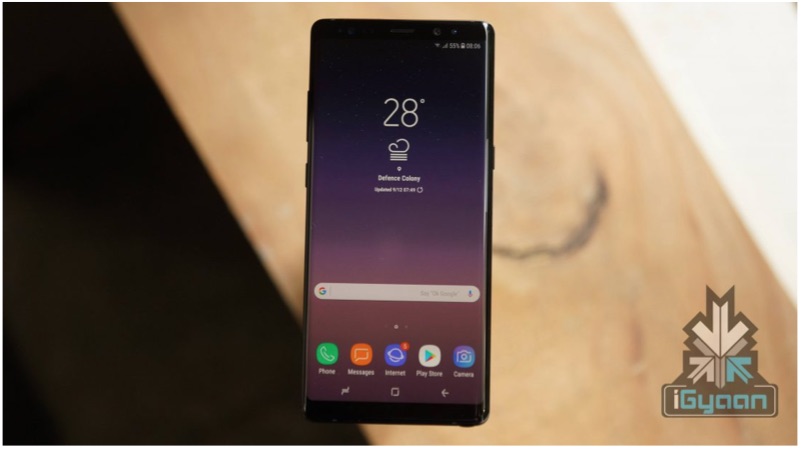
LG has previously showcased CSO (Crystal Sound OLED) panels for monitors and televisions. As the name suggests, Crystal Sound OLED is a type of display panel that can emit sound waves and this display can be seen on the smartphones at CES 2019. Samsung has also showcased a similar type of SoD technology panel. The Sound on Display (SoD) panel has an under panel sound sensor.
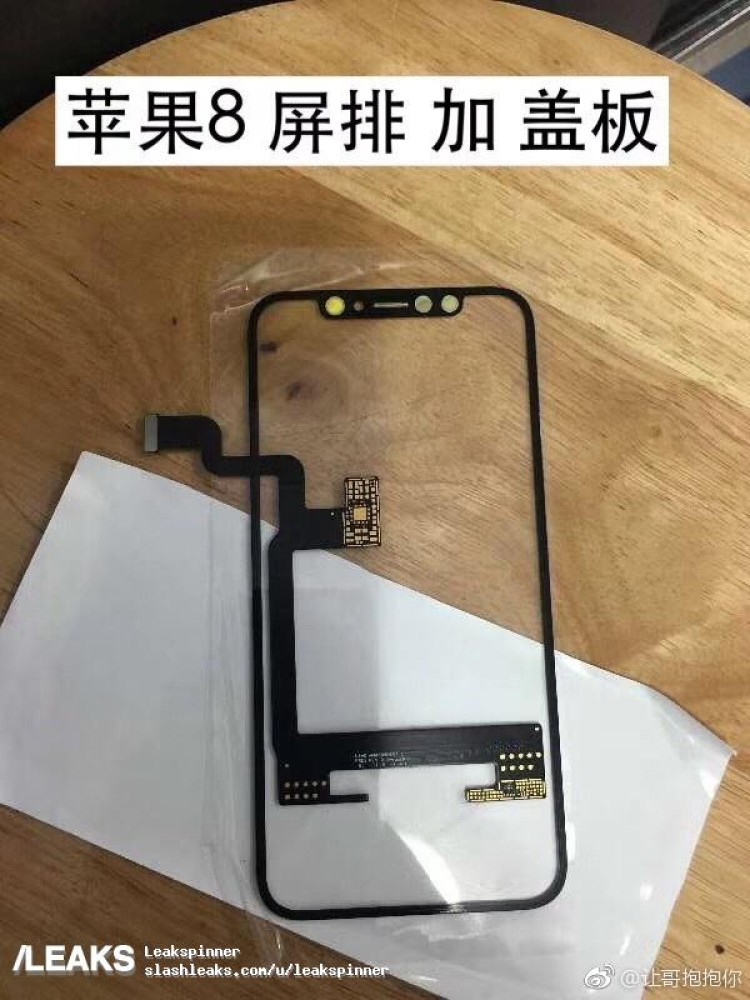
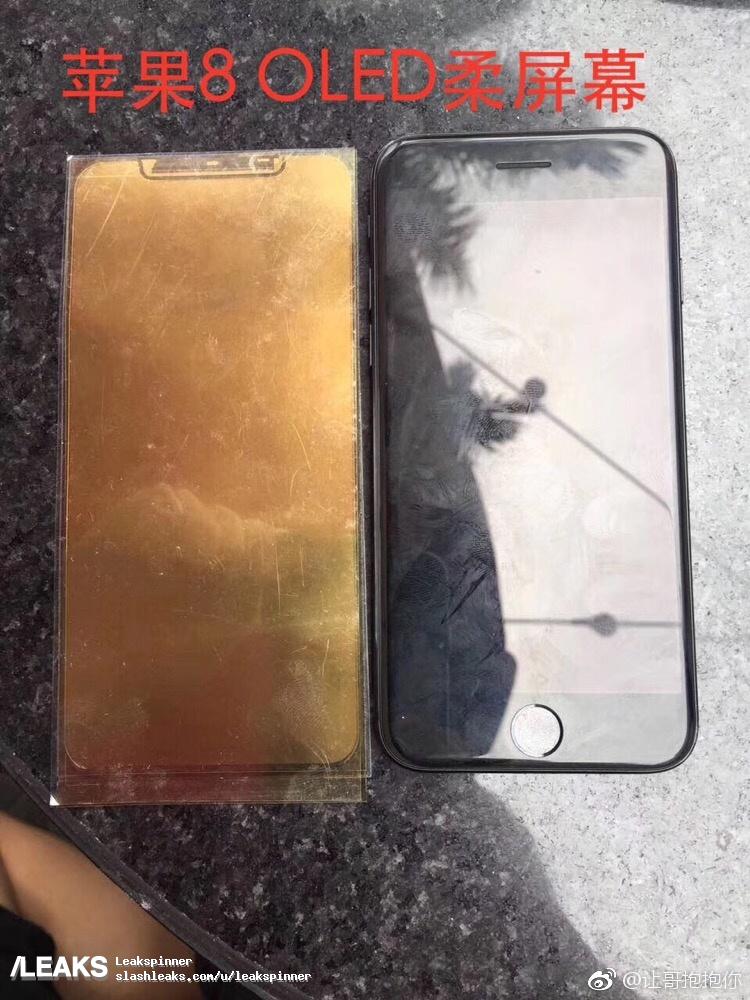
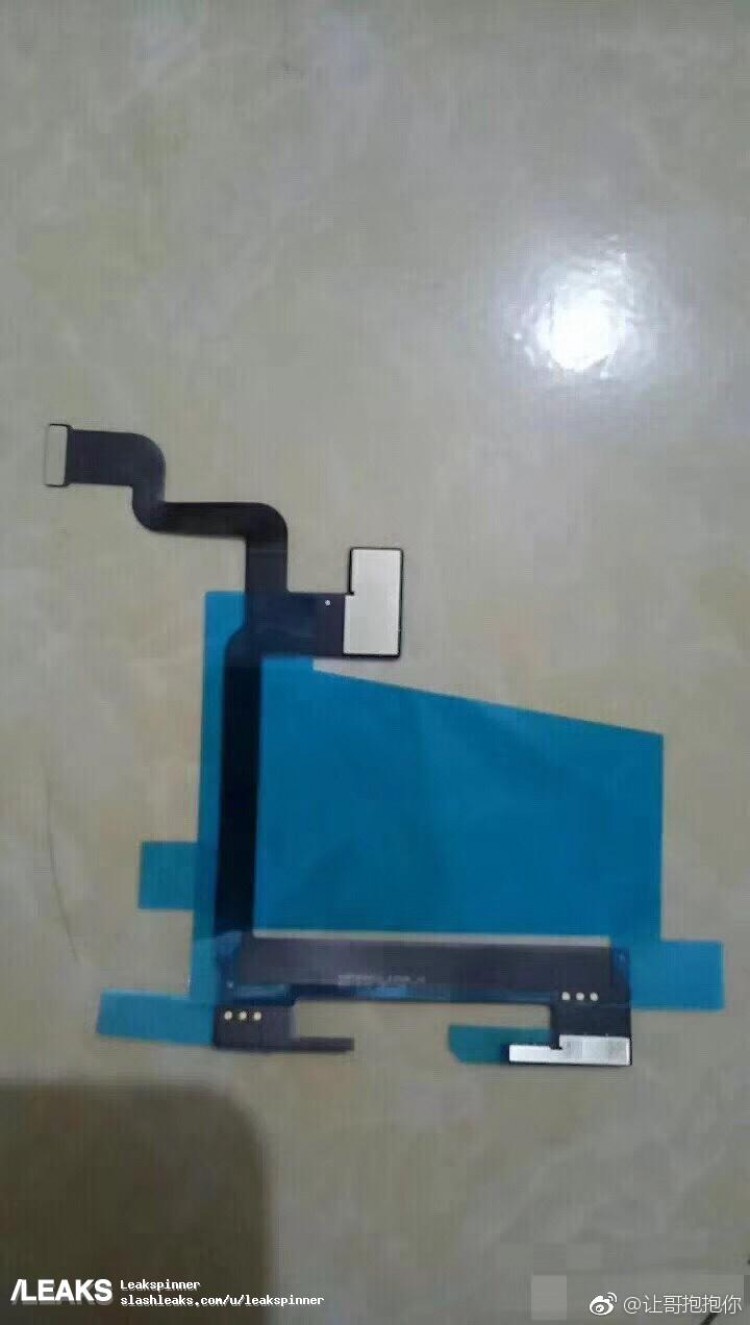
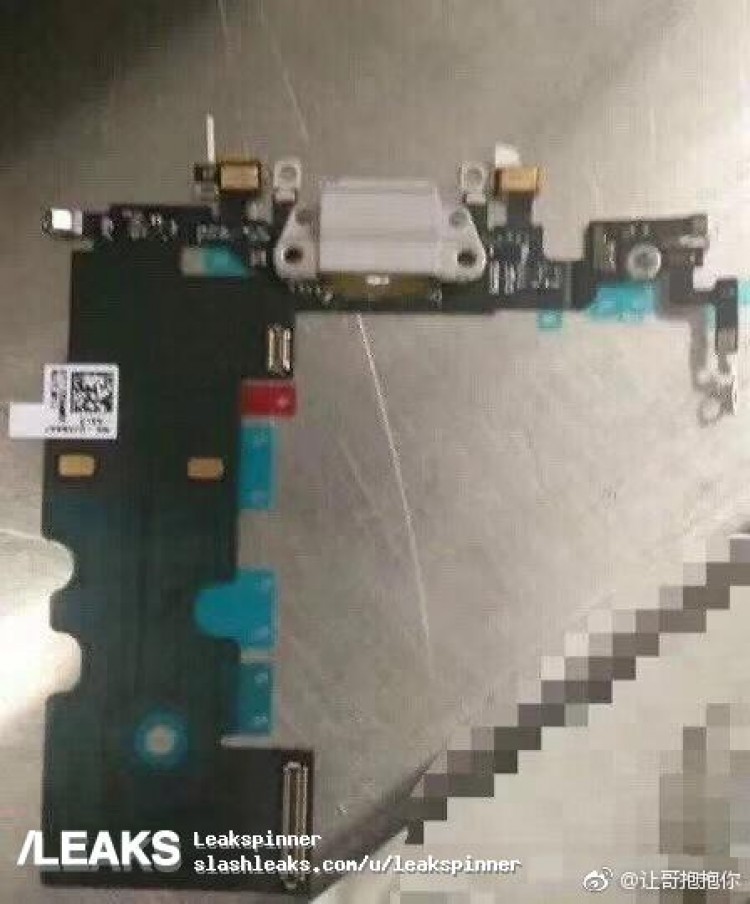
Apple is prepping for the September launch of the widely anticipated iPhone 8. Though the launch is nearer than ever, the smartphone still doesn’t seem to be catching a break from leaks and rumors. An image leak shows iPhone 8’s OLED display assembly, lightning and power flex cables, further corroborating the existing reports.
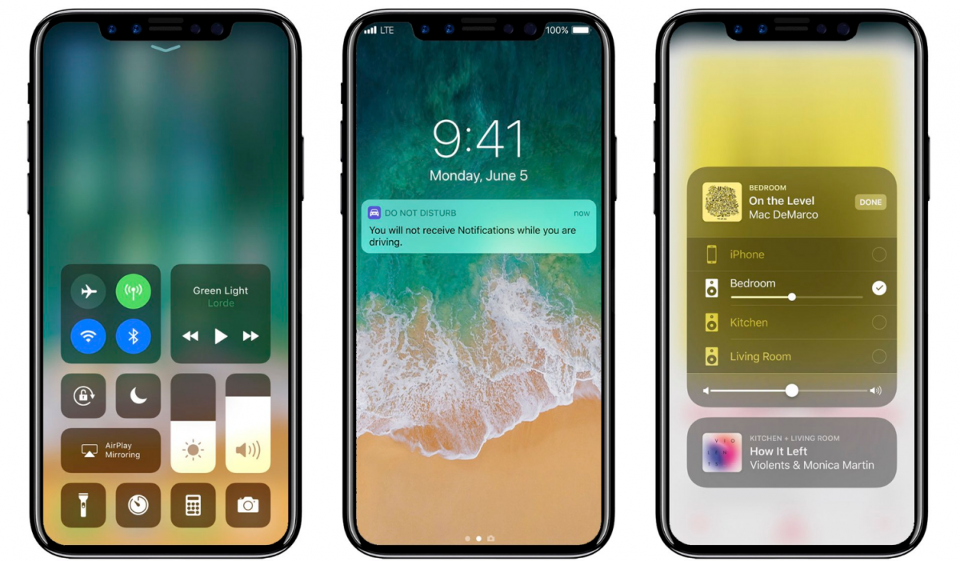
These images, though blurry give a close look of the iPhone 8’s internals. The display panel picture confirm the curved edges and bezel less design. No physical home button could be seen on the images, indicating that the iPhone 8 will feature a virtual home button and most likely launch without Apple’s iconic Touch ID.
The OLED panel image also displays the notch on the top of the smartphone which houses the sensors and the dual-cameras used for 3D mapping for FaceID. The HomePod firmware leak had confirmed that the iPhone 8 will arrive with facial recognition technology. The smartphone’s front camera, which was rumored to feature 4K video recording at 60 FPS can also be seen in the leak.
The display has always been a major component of the iPhone (or any smartphone) and Apple may finally be throwing OLED panels into the mix, all thanks to Samsung ramping up its manufacturing facilities after Apple termed the latter as the sole provider of the iPhone 8’s display.
Apart from the display assembly, the image leak also includes lightning and power flex cables.There have been multiple reports suggesting that Apple will launch the iPhone 8 with wireless charging capabilities.
The smartphone is expected to run on the Apple A11 Chipset and will be available in 128GB and 256GB variants for the iPhone 8. To be launched with iOS 11, the smartphone is speculated to range from US $ 1,100 to US $ 1,200.
In the near future wearable tech, not watches and glasses, but the tech that you wear right on your skin may become something that we take for granted. However, we might be headed in that direction sooner than expected. University of Tokyo researchers have developed an optoelectronic skin whose polymer LEDs and organic photodetectors are thin enough to directly slap onto your skin. This 3 Micrometer thin display at the moment doesn’t do much more than tell your blood oxygen concentration levels.
This 3 Micrometer thin display at the moment doesn’t do much more than tell your blood oxygen concentration levels. The current prototype is a little rough and requires a lot of refinement, however it the display can be crumpled and stretches without affecting output result and may make for a great first step in finding a true wearable display skin in the near future.
Thin-film electronics intimately laminated onto the skin imperceptibly equip the human body with electronic components for health-monitoring and information technologies. When electronic devices are worn, the mechanical flexibility and/or stretchability of thin-film devices helps to minimize the stress and discomfort associated with wear because of their conformability and softness. For industrial applications, it is important to fabricate wearable devices using processing methods that maximize throughput and minimize cost. We demonstrate ultraflexible and conformable three-color, highly efficient polymer light-emitting diodes (PLEDs) and organic photodetectors (OPDs) to realize optoelectronic skins (oe-skins) that introduce multiple electronic functionalities such as sensing and displays on the surface of human skin. The total thickness of the devices, including the substrate and encapsulation layer, is only 3 ?m, which is one order of magnitude thinner than the epidermal layer of human skin. By integrating green and red PLEDs with OPDs, we fabricate an ultraflexible reflective pulse oximeter. The device unobtrusively measures the oxygen concentration of blood when laminated on a finger. On-skin seven-segment digital displays and color indicators can visualize data directly on the body.
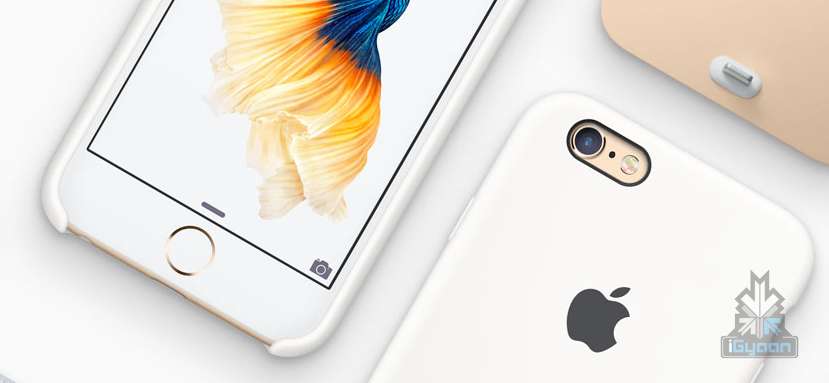
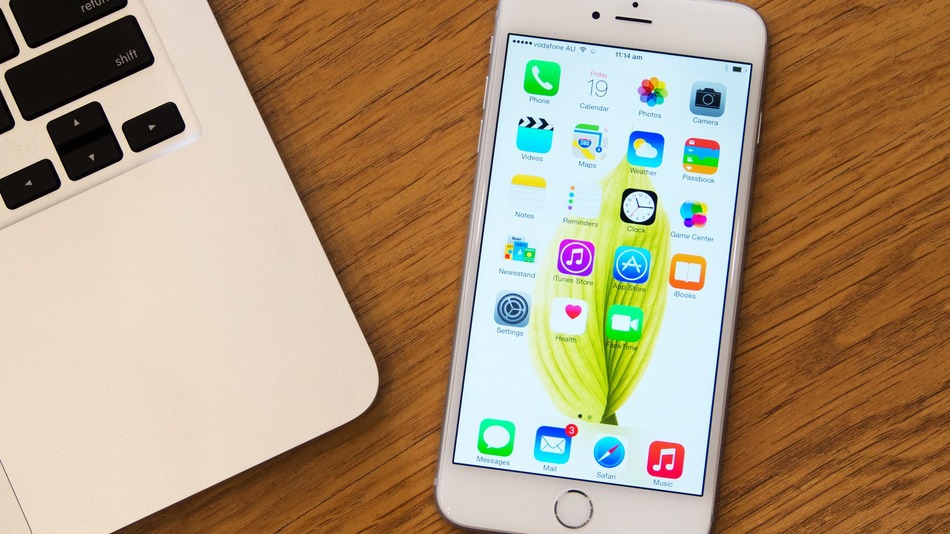
There’s no denying that when it comes to design and looks, Apple does incredibly well to draw the publics gaze. But if there is an area that is still left wanting, it’s to do with the display. Apple has rarely made any dramatic changes to its iPhones, both in design and hardware. But the little that the company does do tends to leave out the display that is still using LCD screens with 750 x 1334 pixel resolution, while other have moved on to bigger and brighter things.
Back in November, fresh rumors surrounding the upcoming iPhone 7 suggested the Apple may be changing quite a few things this time around, one of which is the display. The iPhone 7 is rumoured sport an OLED display thereby giving up on LCD display that it has relied on so far. Apple followers will know that the Apple Watch is the only Apple device to sport an OLED display currently. In 2013, Tim Cook has expressed his distaste for the OLED displays calling them “awful” when it came to colour saturation.
iPhone 6
Furthermore, Samsung and LG are pegged as the two companies that will be providing the bulk of the OLED panels to Apple. Another new report also suggests that Apple is ready to invest in this particular screen technology by working with AU Optronics. According to Focus Taiwan, Apple wants to transform AUO into an AMOLED screen supplier for the iPhone.
if the rumors do turn out to be true, this could be quite a catch for AUO who has currently been supplying OLED displays for Huawei and other Chinese handset makers.
But that’s not all. Another set of rumors also suggest that Apple has a secret lab in Taiwan where where former Qualcomm and AUO employees are working on developing micro-LED screen tech for thinner, lighter, and brighter displays for the iPhone. We’ll just leave you here for now to let all of that sink in.
For most smart-homes a shiny looking, flat-screen panel in the living room is the heart of everything smart, and beautiful. Over the years, display manufacturers have gone to great extents to create gorgeous looking TVs that not only add a dash of class to your home, but also are an embodiment of the latest technology available in the market.
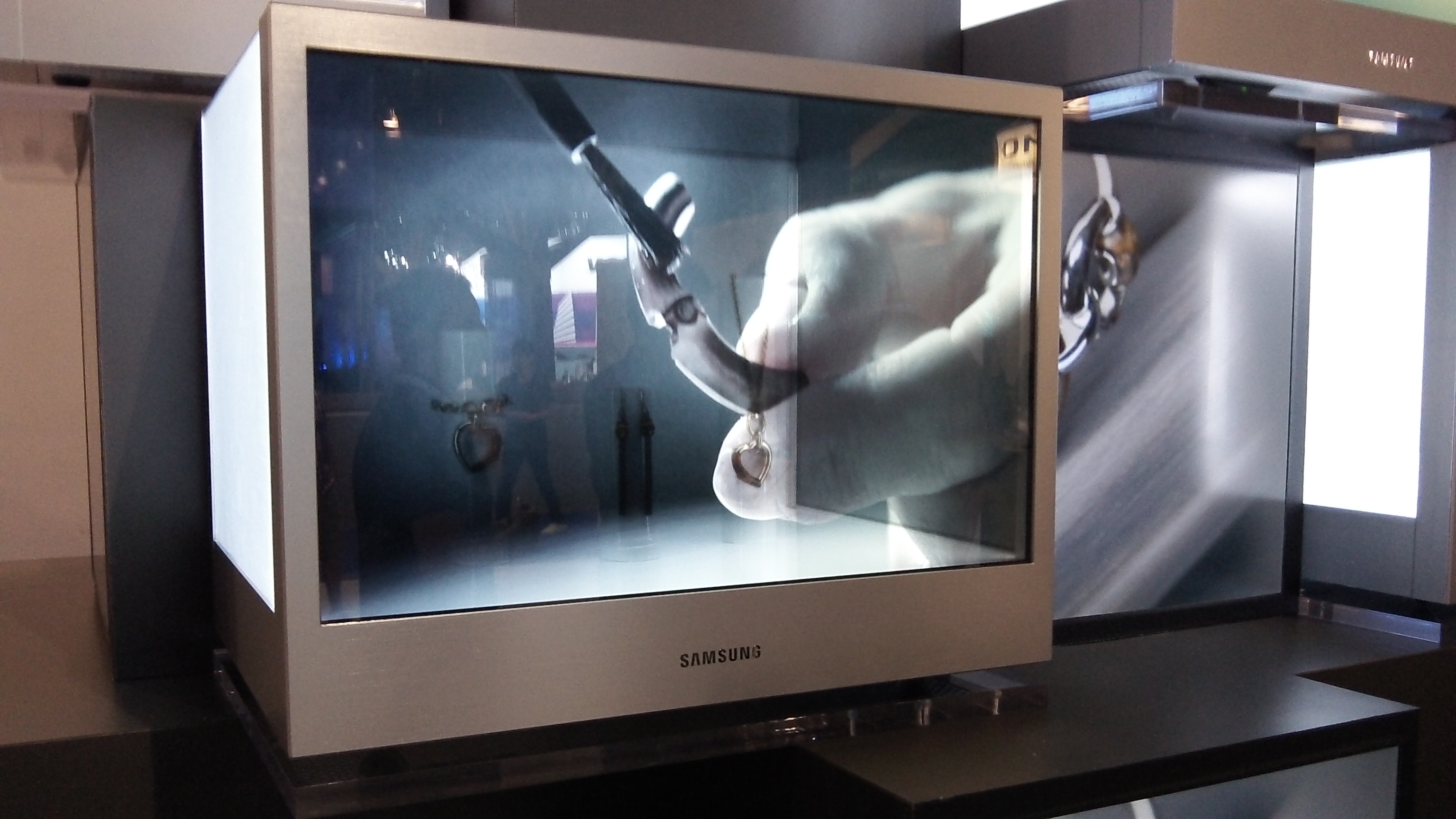
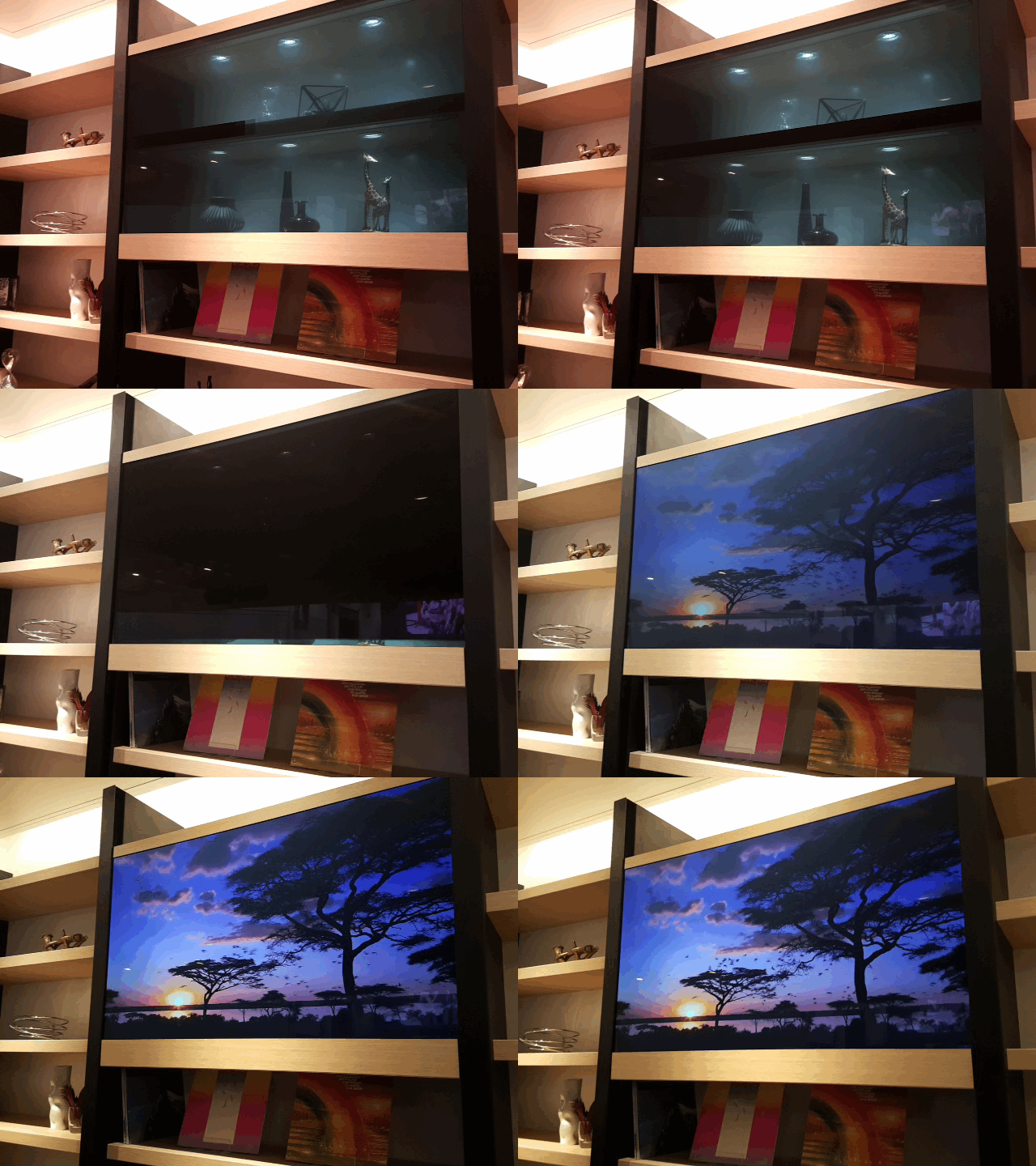
Panasonic, in a bid to take things in this already heavily competitive space to another level, has come up with a new experimental screen that fades to total transparency when not in use.The display technology has such potential, that when it eventually gets retail release, it could well turn out to be one of the biggest TV advancements since the advent of the flat screen.
The Japanese company revealed its transparent TV screen on the floor of CES 2016, and was greeted by never ending crowds gathered around it. The display on show was a thin LCD panel with adjustable dimensions.
According to reports, the display has a slight tint to it which the engineers at Panasonic aim to get rid of in the future. The display also for now cannot process resolutions over 1080p, but be that as it may, this concept display is still nothing short of amazing!
Just thinking about the real life applications of this tech brings a smile to our faces at iGyaan. Imagine a warm morning couple of years down the line, when you wake up to look outside your window, and lo and behold, a notification pops up on your windowpane intimating you of the weather forecast for the day, or plays a video of the goal you missed from last night’s Champion’s League game! Yes, all that, and more could well become real in the future.
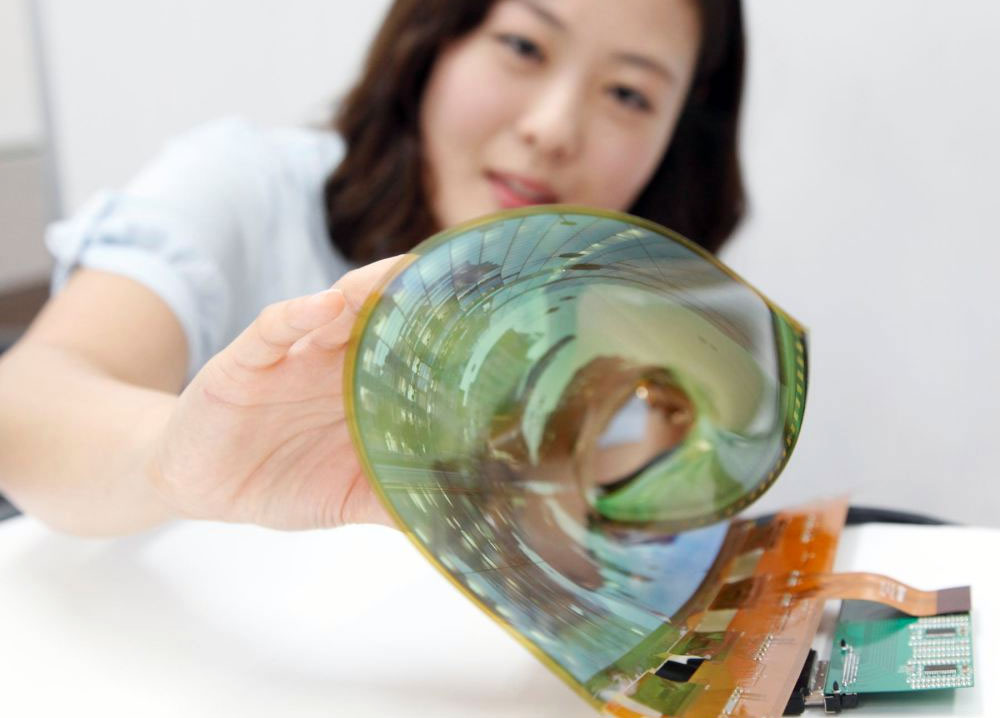
LG has taken foldable and bendable displays a step ahead this year. The company had hinted at similar tech last year at CES but had kept mum the entire year. However, now the company is ready to display a prototype at CES ’16 this time around.
LG is ready with a prototype of an 18-inch rollable screen it will showcase at the Consumer Electronics Show this time around. Similar concept displays have been seen in the past by companies like Samsung, Sony and Sharp. Now LG follows suit and marks an important moment for displays of smartphones, tablets and television sets. It is concentrating on making OLED screens bendable, curvable and rollable.
The company is also expected to unveil a 25 inch curvable screen installed in a car as part of the Auto Zone of CES ’16. We can also expect to see a 55-inch “paper thin” television with all its components installed independently according to LG. Watch this space for more updates.
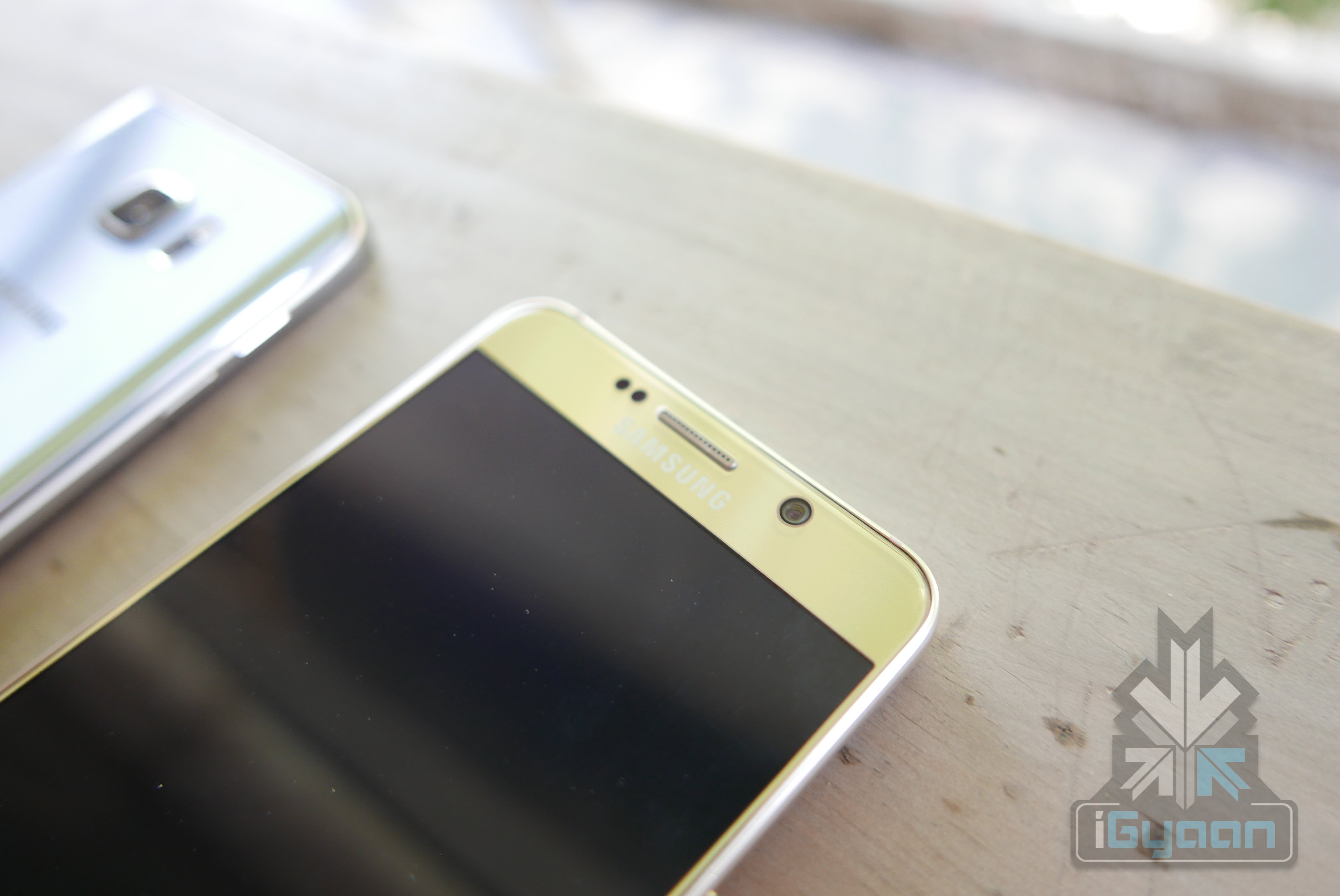
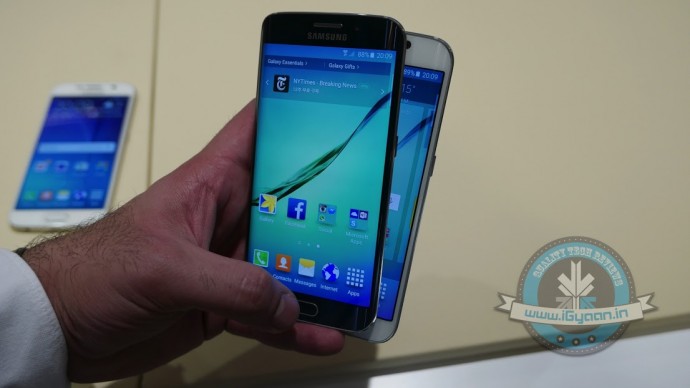
Expected to make its debut during the Mobile World Congress in February 2016, Samsung Galaxy S7 is likely to arrive with a pressure sensitive display.Though Samsung is tight-lipped about its new smartphones, its silence hasn’t done much to keep speculations and rumours in check as Wall Street Journal reports that the display of S7 will be pressure sensitive.
Looks like Samsung is all set follow in the footsteps of Apple which cannot stop talking about the 3-D Touch of the iPhone 6s and 6s Plus.
Samsung Galaxy S6 and S6 Edge
Additionally, Galaxy S7 will have a Type C USB Port which means the device will charge significantly faster. WSJ quotes sources that say that a single round of charging would “allow for a full day’s charge in under 30 minutes and in some cases significantly faster than that.”
There are rumours of a retina scanner as well to be included in the smartphone, but things are quite uncertain at this point. Like the Galaxy S6, Galaxy S7 will arrive in two variants, that is, S7 and S7 Edge. Once unveiled in February, it would take another couple of weeks before the smartphone is finally up and ready for shipping hopefully in March. Hold your breath until then.
Sources have revealed that Apple has opened a lab in Taiwan and has recruited at least 50 engineers to work on display tech for iPhone and iPad. It is further suggested that many of these engineers previously worked for companies like AU Optronics and Qualcomm.
While the company is working on making its displays thinner, lighter and more efficient, Bloomberg says Apple is working on OLED (organic light-emitting diodes) displays. They are not only thinner, but also require no back-lighting. LG and Samsung have previously employed the same tech in the screens of their various products from television sets to mobile phones.
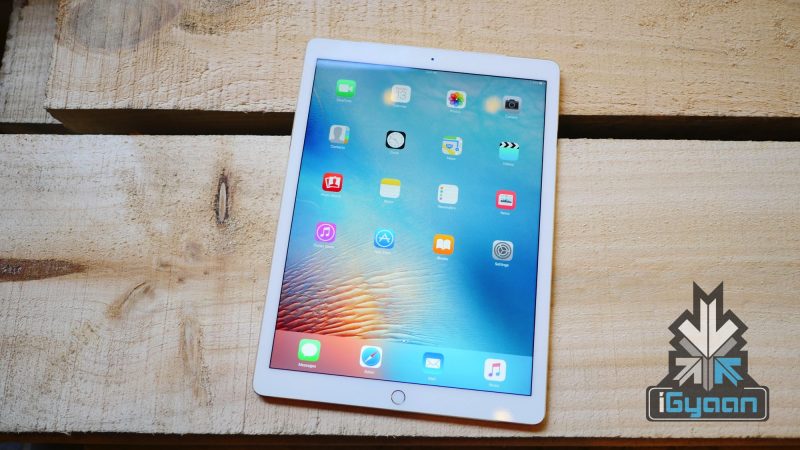
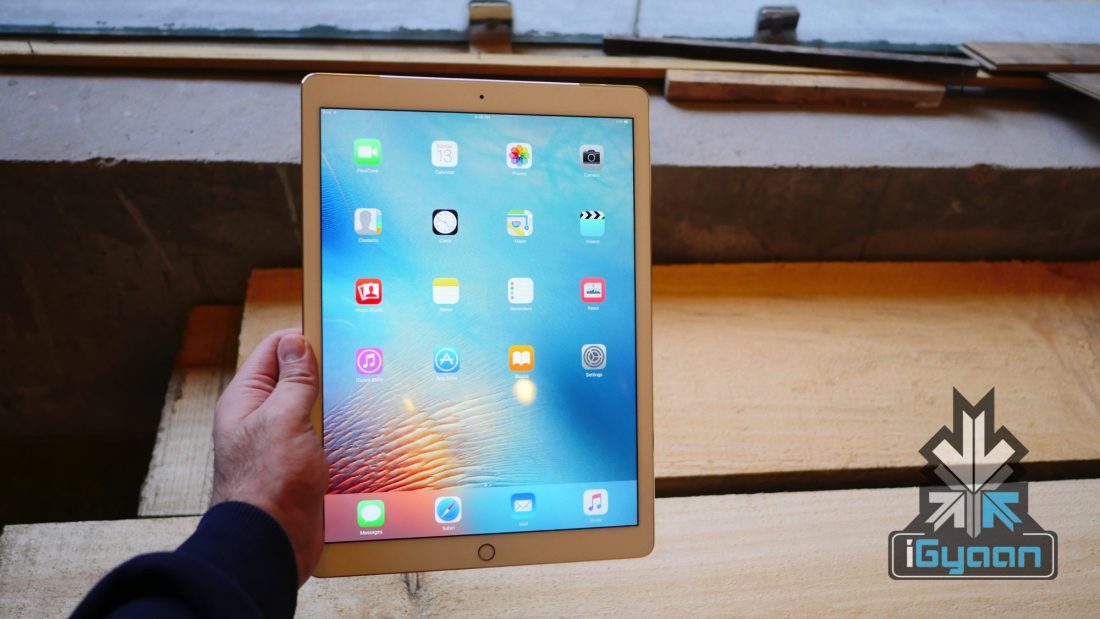
The Apple iPad Pro
If Apple manages to incorporate its own in-house OLED displays, its supply demands from other manufacturers would go down, giving the company an edge over its counterparts. Any progress on the display front would mean less dependency on companies like Samsung Electronics, Sharp Corp. and Japan Display.
Meanwhile, there is immense secrecy around the lab with no external signs of Cupertino company anywhere close to it. Apple has declined to make any official comments about it.
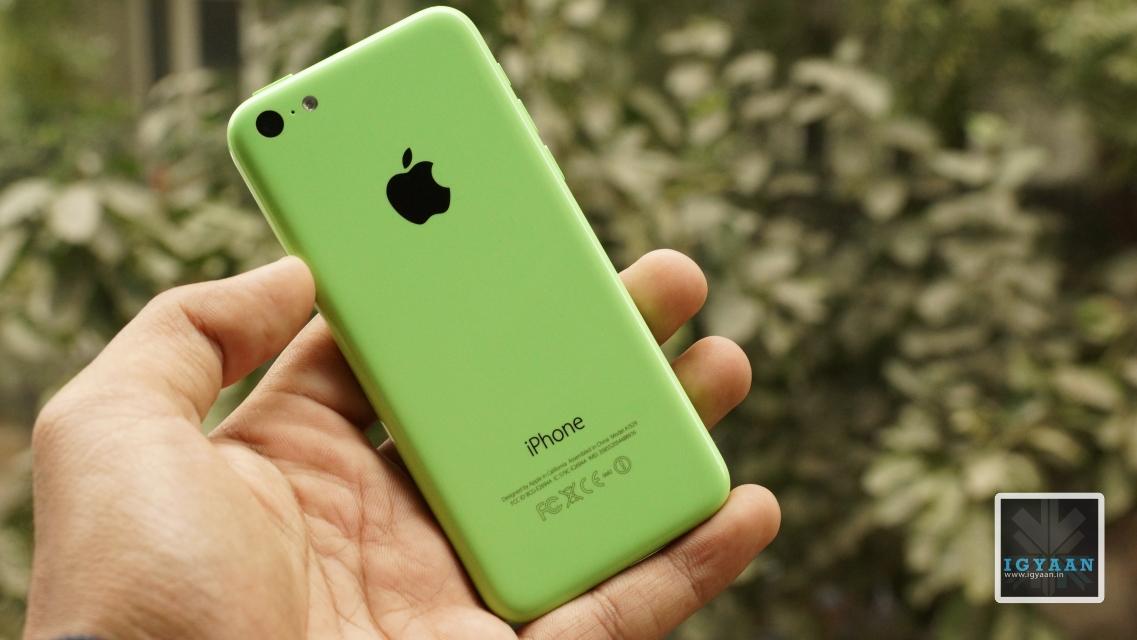
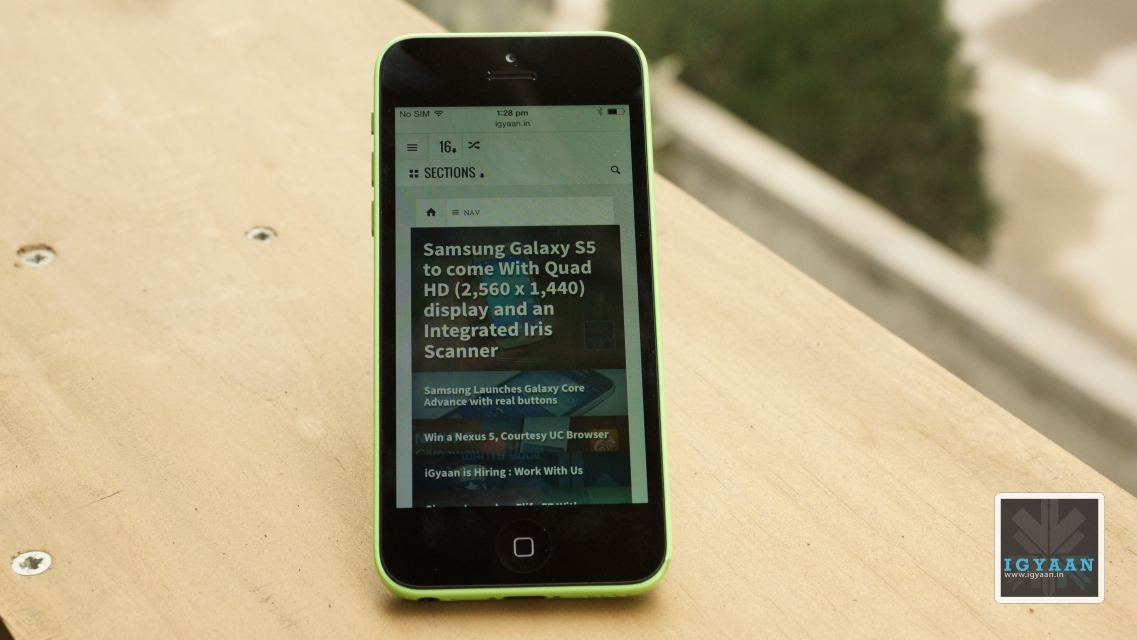
Post the launch of the iPhone 5c, more popularly referred to as the ‘cheaper’ iPhone, most people wanted to see another upgraded ‘c’ version of the iPhone. We waited for an iPhone 6c which didn’t happen, and now rumours have resurfaced about an iPhone 7c.
The information suggests that the iPhone 7c will have a 4 inch display and can be expected to be unveiled in September 2016. Further reports also suggest the price of this device; it will be tagged at around $400-$500.
These rumours are all well placed as we await the arrival of the iPhone 7. Needless to say, Apple hasn’t confirmed any of the above rumours.
iPhone 7 is still a year away, but that has not stopped the rumour mill working day and night to bring you every little piece of speculated news. Earlier, there were rumours that the upcoming flagship device from Apple will lose the home button. Now, we have fresh rumours regarding the screen of the iPhone 7.
According to AppleInsider, the iPhone 7 will sport an OLED display thereby giving up on LCD display that it has relied on so far. Apple followers will know that the Apple watch is the only Apple device to sport an OLED display currently. In 2013, Tim Cook has expressed his distaste for the OLED displays calling them “awful” when it came to colour saturation.
However, it looks like Tim Cook may have changed his opinion now. One reason behind this change could be that OLED displays have improved considerably since they were first introduced. OLED offers a deeper black and can do without a backlight, which means that devices can be slimmed down. It is clear that Apple will look to make it’s upcoming flagship sleeker, slimmer, and perhaps wider than its predecessors, and an OLED display will certainly help with that.
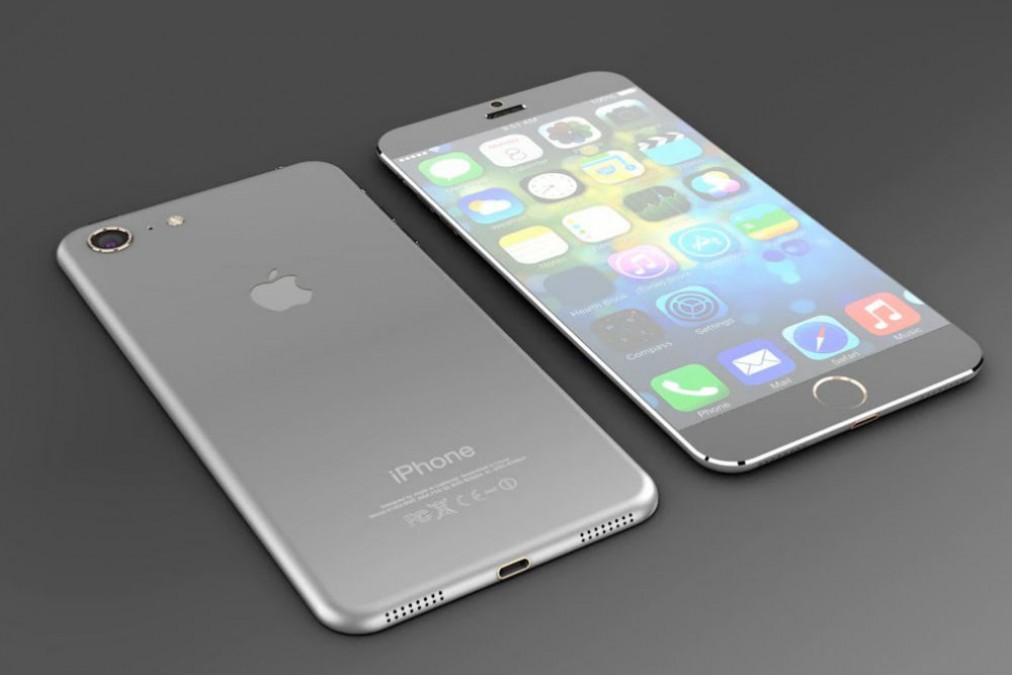
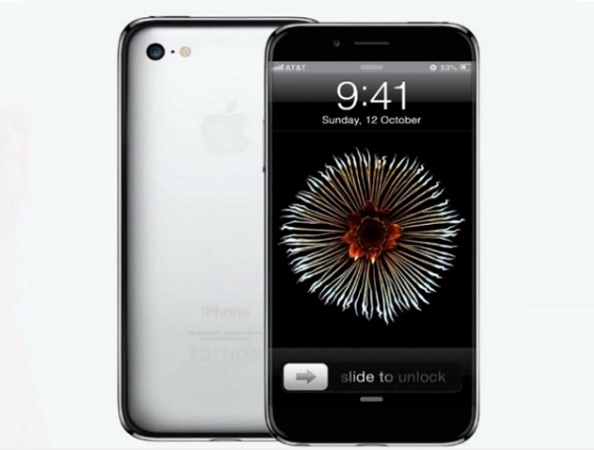
Concept
As of now, LG has been supplying Apple with OLED displays for the Apple Watch and will probably do so for the upcoming iPhone as well. Meanwhile, Samsung is also trying to become a supplier for Apple’s wearable device and reports suggest the Korean manufacturer also wants to supply displays for the iPhone 7 and has already shown some sample OLED display panels for Apple to consider.
Samsung’s OLED displays have been praised over the past few year while Apple’s displays have been wanting. Switching from LCD to OLED will undoubtedly give users a better visual experience with the iPhone 7. Apple has yet to confirm the reports. A concept video of the iPhone 7 was posted by FreeMind. The actual device may be far from it, but the concept does look good. Follow this space for all the latest news on the iPhone 7.
Our apologies for focusing on Apple and Samsung for so long when there are people out there making hover boards. The world needs more hover boards and other technologies that Back to the Future expected from 2015.
Yes, we are celebrating the 30th anniversary of the cult and cultural phenomenon that is Back to the Future. Released in 1985, the first Back to the Future was all things groundbreaking, had everything a science nerd could ask for including a time-travelling DeLorean, Marty McFly and Doc Brown, ’nuff said. The massive success of the first movie led to a trilogy.
If you watched the equally awesome sequel, Back to the Future Part 2 (1989), you’d remember that Marty traveled 26 years into the future, or more precisely, October 21, 2015. And that’s today. Fans of the movie have been eagerly waiting to see if the 2015 as shown in Back to the Future 2 matches the 2015 of today. The movie promised flying cars, flat TVs, hover boards, Artificial Intelligence and a championship season for the Chicago Cubs. Well, we can’t say much about the Cubs, but how about all that technological stuff?
Flat TVs are already here and have been here for a while, so we can check that off the list. Flying cars are still a way off so we might have to wait a few more years before that can happen. It’s the 21st of October, 2015, so let’s see if our present is what Marty saw 26 years.
Hover Boards
One of the coolest moments in the sequel was when we saw Marty riding a hover board. Back in the ’80s this was a pretty exciting scene on the big screen mostly because people were only aware of a normal skateboard. For fans like myself, this remained something awesome even in the early ’00s.
The hover board needed three specific requirements to work: the ability to hover above ground, the ability to bear your weight, and the ability to last long. While these aspects were seen fulfilled in the movie, it took a long time for reality to get there, but we finally did get there. There are a number of prototypes today that have actually succeeded in making the hoverboard a reality.
Take the Hendo Hoverboard, for example. In 2011, Greg Henderson invented a hover board that used four maglev engines to rise about an inch off the ground and a 135-kilogram payload. However, the battery lasted only about seven minutes. But this was just the start. Unveiled in August 2015, the most recent hover board created by Lexus is undoubtedly awe inspiring. It’s a prototype hoverboard that uses magnetic levitation technology. The board has two reservoirs of superconducting material that’s kept at -197 degrees C through immersion in liquid nitrogen and can be operated when placed above a track that contains permanent magnets.
The video showing the board in action makes you want to scream out “Great Scott!” like Doc Brown. Watch the it below and imagine how Marty would love getting on to one of these babies.
https://www.youtube.com/watch?v=ZwSwZ2Y0Ops
Artificial Intelligence
Mart, Doc Brown, and Biff speak into computerized gadgets and the devices respond intelligently. Sound familiar?
Way before Siri even entered the picture, artificial intelligence already made its appearance on many sci-fi movies, and of course, Back to the Future as well. AI is a process of ‘deep learning’. The ability for a computer to understand human language and respond precisely is something almost every major tech brand today is working on to perfect. AI assistance like Siri and Cortana (first seen in the Halo series) have all drawn inspiration from movies like 2001: A Space Odyssey which featured HAL, the computer in charge of the spaceship.
AI has come a long way and today it’s become extremely intelligent. And yet, AI knows no bounds. Developers are still exploring, looking at how far and wide AI can reach. Today, AI looks to please consumer needs, so much so that physicists like Stephen Hawkins worry about intelligent machines taking over the world.
Fingerprint Biometrics
In the movie, when police officers dropped the 1985 Jennifer to her 2015 home, they had to use her thumbprint to enter the house. The door did not have a typical door knob lock. The thumbpad was also seen on currency devices used by taxi drivers in the movie.
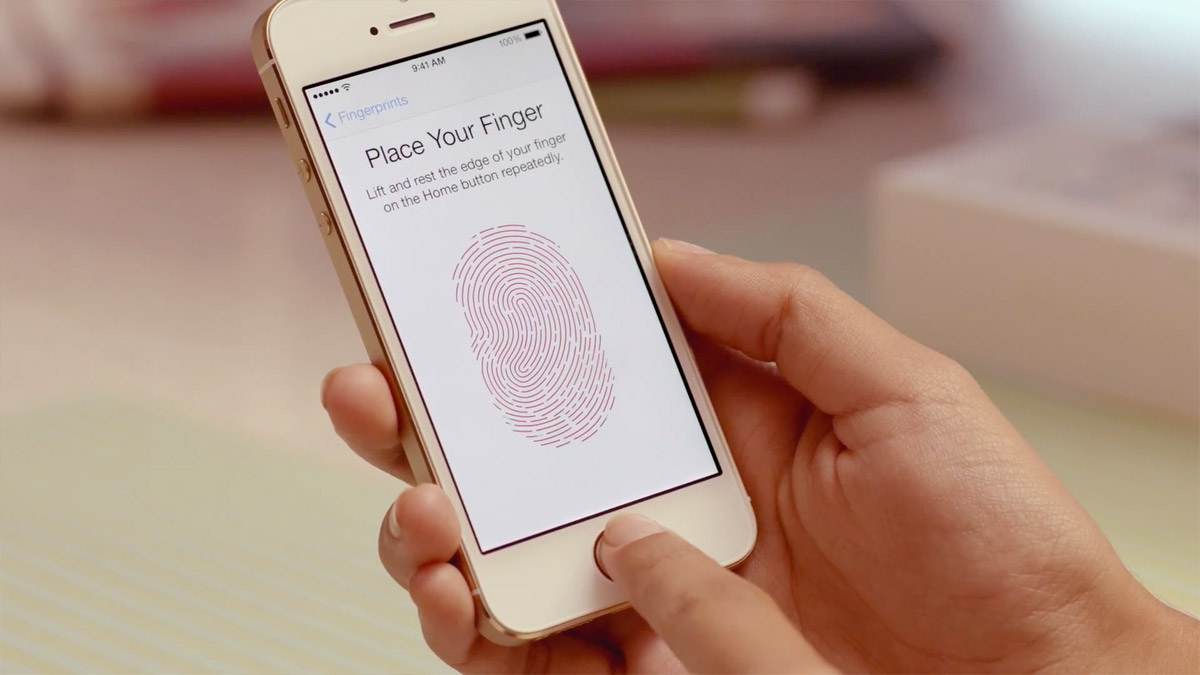
Biometric doorknobs are currently present in the market and work just like they do in the movie. Even smartphones and other gadgets use fingerprint scanners these days for a variety of purposes including that added safety that you need to keep your device protected.
Visual Displays
Throughout the movie, you find a number of visual gadgets being used for a number of reasons. You have a flat-screen TV for video conversations, robotic waiters in the shape of flat screen monitors, and you also see a tablet.
Small flat-screens have have been in existence since the 1960’s, but it wasn’t until 2005 that the LCD and Plasma screen TVs took over the traditional Cathode Ray Tube TVs, and could also be mounted on walls like you see in the movie.
Now for tablet computers. In the movie, Terry walks up to Marty and asks him to pay via a thumbprint on a pad. It’s interesting to see that the thumbpad is mounted on what looks like a tablet computer. Many years after this you would see Apple making the very first tablet called the iPad.
Wearable Technology
Back to the Future 2 also foresaw visual glasses. In a dinner scene with his future kids, Marty Jr. and Marleen are seen sporting electronic video glasses that can also make and receive phone calls. Interestingly, the scene also shows Marty’s mom hydrating a 2-inch pizza in a Black&Decker machine to a size that could easily feed four. Sadly, this technology has not yet been invented in reality by the company yet.
In recent years, we have seen Google trying to create tech goggles with Google Glass. There’s also the more popular Oculus Rift gaming headset. With these devices in the works, virtual reality is not far. Microsoft also recently announced HoloLens which is supposed to bear some resemblance to junior Marty’s glasses.
Microsoft demonstrating HoloLens
Self-tying Shoes
Marty’s self-tying shoes were one of the more bizarre but neat inventions when he visited 2015. As the name suggests, they were shoes that could tie the laces by itself, and they were Nike. As a homage to the movie, Nike designer Tinker Hatfield has confirmed that the team is working on the very same self-tying shoes as seen in the movie and hopes to have them ready for sale by the end of 2015. It’s a beautiful thing when fiction meets reality, isn’t it now?
Finally, we had to add this last one in because it’s too brilliant to leave out. Among the things Marty saw in 2015, there was Jaws 19 being shown at a theater. Let us assure you that there is no Jaws 19 in existence and the series ended with only three sequels being made, none of which were as commercially successful as the original.
Jaws 19 was one of the few false predictions in the movie (no flying cars yet), but that didn’t stop Universal Pictures to release a trailer for a fake Jaws 19 movie in celebration of Back to the Future’s 30th anniversary. The trailer is hilarious and you can’t help wonder at how spot on the naming of the titles are if it were true.
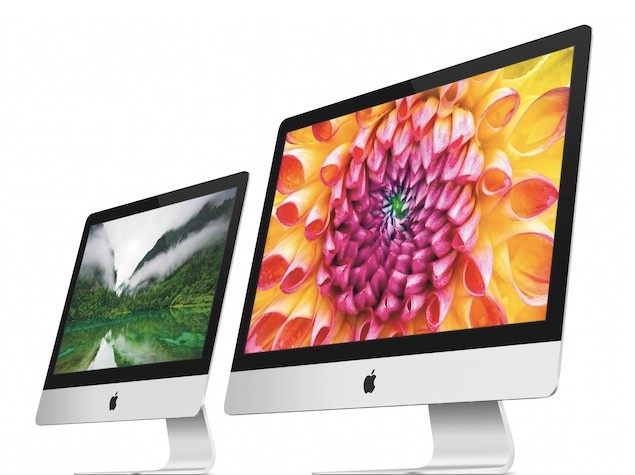
This October would bring in Apple’s new 4K screen to its 21.5 inch iMac. It will come equipped with a resolution of 4096 x 2304, an improvement from its previous1920 x 1080, by the end of next month. This launch will take place alongside OS X El Capitan making the product ready for shipping by November.
New features will include faster processors and improved colour saturation. Sadly enough, the higher resolution will, in all probability, increase the price of the new iMac, reminiscent of the 5K display which raised the price of the 27-inch iMac last year. However, the current model of the 27-inch iMac might still be available for sale post the launch.
We often get similar questions from multiple users, this new section is to address exactly that, and we begin with the most asked question in recent times.
User Question :
Bharat Addresses to “ppi” in his videos, what does this mean? and does it have any relation to the camera resolution?
iG Answer :
PPI (pixels per inch), often referred to as pixel density is a measurement of the resolution of display of the device in question. this can also be the density of the images captured by a camera, but in Bharat’s reference it is always in terms of the display of the device in question.
PPI, is an actual count of the number of pixels found in one inch of a display, which varies depending on the resolution of the display and the overall size of the display.
Lets clarify further:
1. Calculate .
2. Calculate PPI:
where
is diagonal resolution in pixels,
is width resolution in pixels,
is height resolution in pixels and
is diagonal size in inches.
The HTC One M9+ has a screen resolution of 1440×2560 px
So, = [underoot of = (2073600 + 6553600)] =2937.2 (approx)
The diagonal size in inches is 5.2 inch, therefore / = 2937.2/5.2 = 564.84
Therefore the pixels per inch (ppi) of the HTC One M9+ = 565 (rounded)
Ever since Apple’s got the idea to launch an iPhone in the Golden color, we have seen many phones opting the Gold color to name few, the HTC One and even the Galaxy S4.
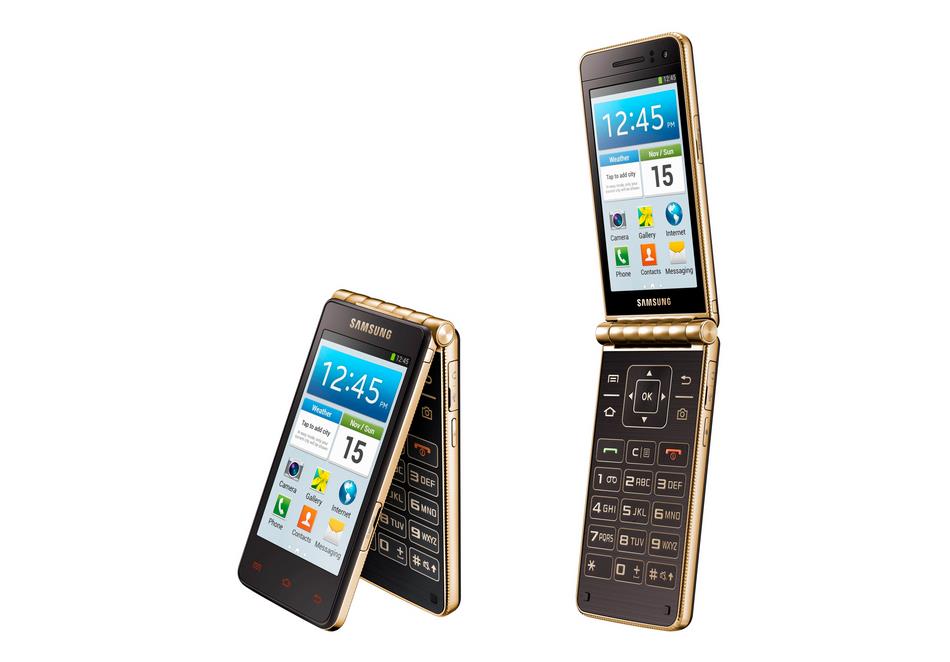
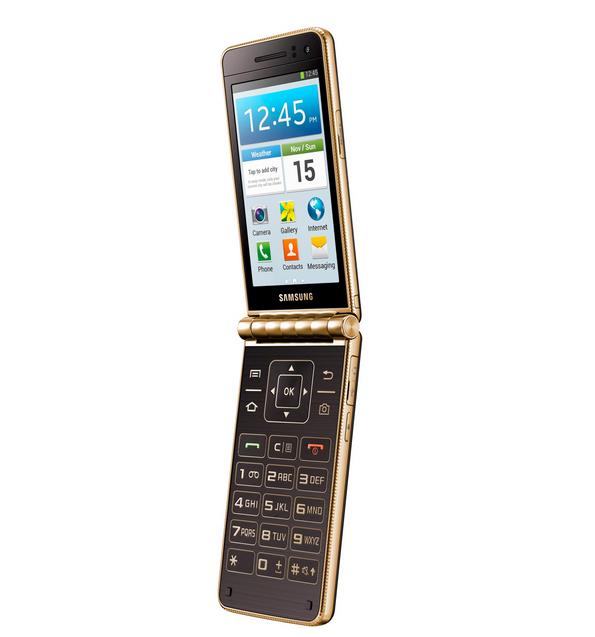
Today Samsung has announced a new phone in the Indian market, Samsung Galaxy Golden Flip Phone is now available in the leading stores. Flipkart is taking pre-orders for the smartphone at a price of Rs. 49,900. The look alike of this phone was first launched in the Korean market in August this year and is now available in India probably at the right time, Diwali!
The company claims the device is made to give an easy to use and operate experience. It comes with ‘Easy Mode’, which comes with large fonts and icons and enables the users to access and search apps quickly. It also highlights certain features on the device like favorite apps and easy settings. Another feature is the ‘Hidden Receiver’ that allows users to take calls without opening the folder.
Commenting on the launch, Vineet Taneja, Country Head, Samsung Mobiles and IT said, “At Samsung, we are committed to making lives easier and smarter for our customers and GALAXY Golden does exactly that. With its innovative dual display and premium golden finish, GALAXY Golden brings together the best of touch and type experience on a smartphone. This specially crafted device is aimed at consumers seeking seamless integration of stunning classic design and functionality to make their lives more efficient.”
The Samsung Galaxy Golden features two screens both are 3.7 inch Super AMOLED displays, on the inside and the outside of the top-half. The phone is powered by a 1.7 GHz dual-core processor and runs on Android 4.2 Jelly Bean. The Golden Flip Phone has a 1.5 GB of RAM and 16 GB of inbuilt storage which can be expanded upto 64 GB. Galaxy Golden features a 8 MP primary camera along with a 1.9 MP front facing camera. The device has a 1820 mAh battery and connectivity option include Wi-Fi, GPS and Bluetooth.
The Samsung Galaxy Golden should be available in the shops nearby you, the phone is priced at 51900 INR which seems overpriced for a phone with these specifications, while the price high could be because of the two 3.7 inches Super AMOLED displays.
Press Release
Samsung Launches the Exquisitely Crafted GALAXY Golden phone
Premium folder design with dual screen and golden finish to add to Diwali festivities
New Delhi, October 28, 2013: Samsung Electronics Co., Ltd, a global leader in digital technologies, today announced the launch of GALAXY Golden – a premium flip phone with a golden coloured accent. GALAXY Golden is specially designed for discerning consumers seeking innovation, stylish design and convenience.
GALAXY Golden sports a differentiated premium folder design that provides users a unique touch and type smartphone experience. The phone is equipped with two 3.7” slim Super AMOLED screens to provide greater flexibility and convenience to the users. While the outer screen enables the users to expeditiously make and receive calls, flipping the phone open brings up the inner screen and a large 3×4 keypad with big and bold keys to help users operate the phone with greater ease. GALAXY Golden is a stunning looking smartphone with its rich black casing accentuated with an elegant golden finish. The back cover offers a smooth textured finish which gives the phone a premium feel and makes it easy to grip.
Speaking about the launch, Mr. Vineet Taneja, Country Head, Samsung Mobiles & IT, said, “At Samsung, we are committed to making lives easier and smarter for our customers and GALAXY Golden does exactly that. With its innovative dual display and premium golden finish, GALAXY Golden brings together the best of touch and type experience on a smartphone. This specially crafted device is aimed at consumers seeking seamless integration of stunning classic design and functionality to make their lives more efficient.”
The innovative design is aimed at making the phone easy to use and operate. It comes with ‘Easy Mode’, which comes with large fonts and icons and enables the users to access and search apps quickly. It also highlights certain features on the device like favourite apps and easy settings, which makes it even simpler to use the phone. Another interesting feature is the ‘Hidden Receiver’that allows users to take calls without opening the folder and provides high quality sound in noisy areas.
GALAXY Golden scores very well on the performance front. Powered by 1.7GHz dual-core processor coupled with 1.5GB RAM, the smartphone provides exceptional performance, smoother transitions and faster web browsing. It is based on the Android 4.2 Jelly Bean operating system enabling faster multitasking and easier applications management. It comes with an 8-megapixel rear camera that allows the users to capture rich and stunning images. It also sports a 1.9-megapixel front camera and comes with 16GB internal memory. On the connectivity front, the GALAXY Golden comes with Bluetooth, Wi-Fi and GPS/AGPS.
The GALAXY Golden is available at all leading retail stores at Rs. 51,900/-.
About Samsung Electronics Co., Ltd.
Samsung Electronics Co., Ltd. is a global leader in technology, opening new possibilities for people everywhere. Through relentless innovation and discovery, we are transforming the worlds of televisions, smartphones, personal computers, printers, cameras, home appliances, LTE systems, medical devices, semiconductors and LED solutions. We employ 270,000 people across 79 countries with annual sales of US$187.8 billion. To discover more, please visit www.samsung.com.
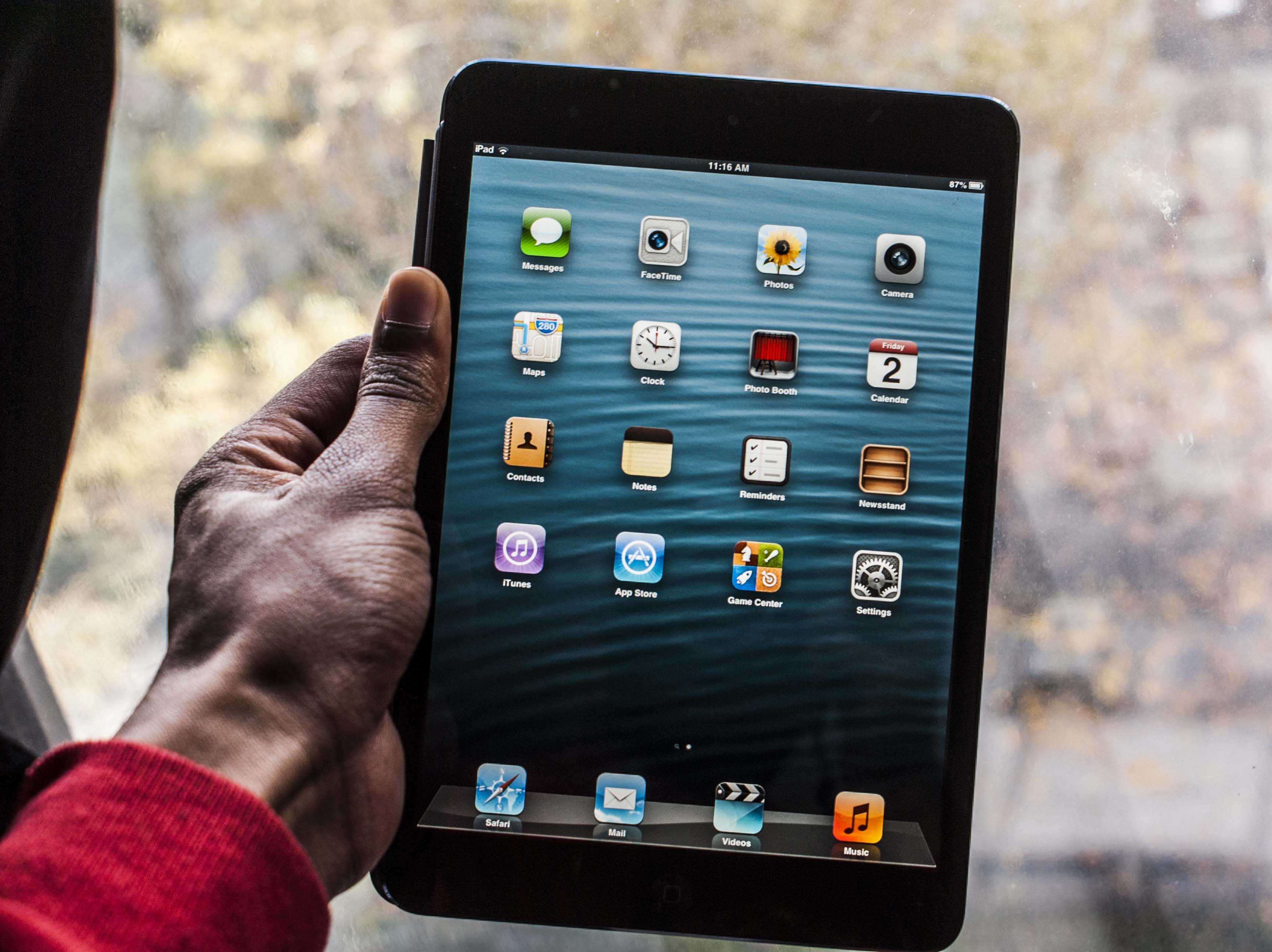
According to a report by the Wall Street Journal, Apple has chosen Samsung to supply the displays for the next generation iPad Mini, which will also boast a retina resolution. As originally imagined, Apple was intending to only employ LG and Sharp for the supply of the LCD panels, but the it seems due to lack of supply, the displays have been also ordered from Samsung’s display division.
Apple has often been known to test components before confirming the final elements of the build. Earlier reports had stated that Apple will not launch an iPad Mini Retina this year, but if the present report is to be believed, not only will Apple Launch a iPad Mini with a high resolution Retina Display, they will also employ their arch nemesis with the job of providing hardware for the unique build.
Apple has tried to completely block off purchasing from Samsung, but the korean giant is probably the only producer of high quality panels that can be produced at an economical and profitable price. Apple presently gets their displays form AU Optronics, who have clearly stated
We cannot take [Apple’s] orders because our rate of output efficiency is too low to be profitable, the company doesn’t make a profit from manufacturing the current iPad Mini’s screens. – said an AU Optronics manager.
In these desperate time it appears that Apple might just have to buy a LCD technology company, but unfortunately for them none are for sale.












 .
.

 is width resolution in pixels,
 is height resolution in pixels and
 is diagonal size in inches.