Tag: business

  • China Prepares A Counter Strike On The Huawei Ban

    China Prepares A Counter Strike On The Huawei Ban

    Trade relations between the US and China are rising in intensity again with China preparing for a response against the US ban on Huawei. The southeast Asian country has taken special measures to restrict the trade of rare earth elements to the US, placing the western country in its own ‘entity’ list. This puts the US in a blacklist as an unfavourable foreign company. 

    Japan’s SoftBank, taking the market opportunity has announced its plans for building its 5G network with equipment from Nokia and Ericsson amidst the turmoil. Huawei prior to this had been the supplier for 4G and was planned to collaborate alongside SoftBank for the same.
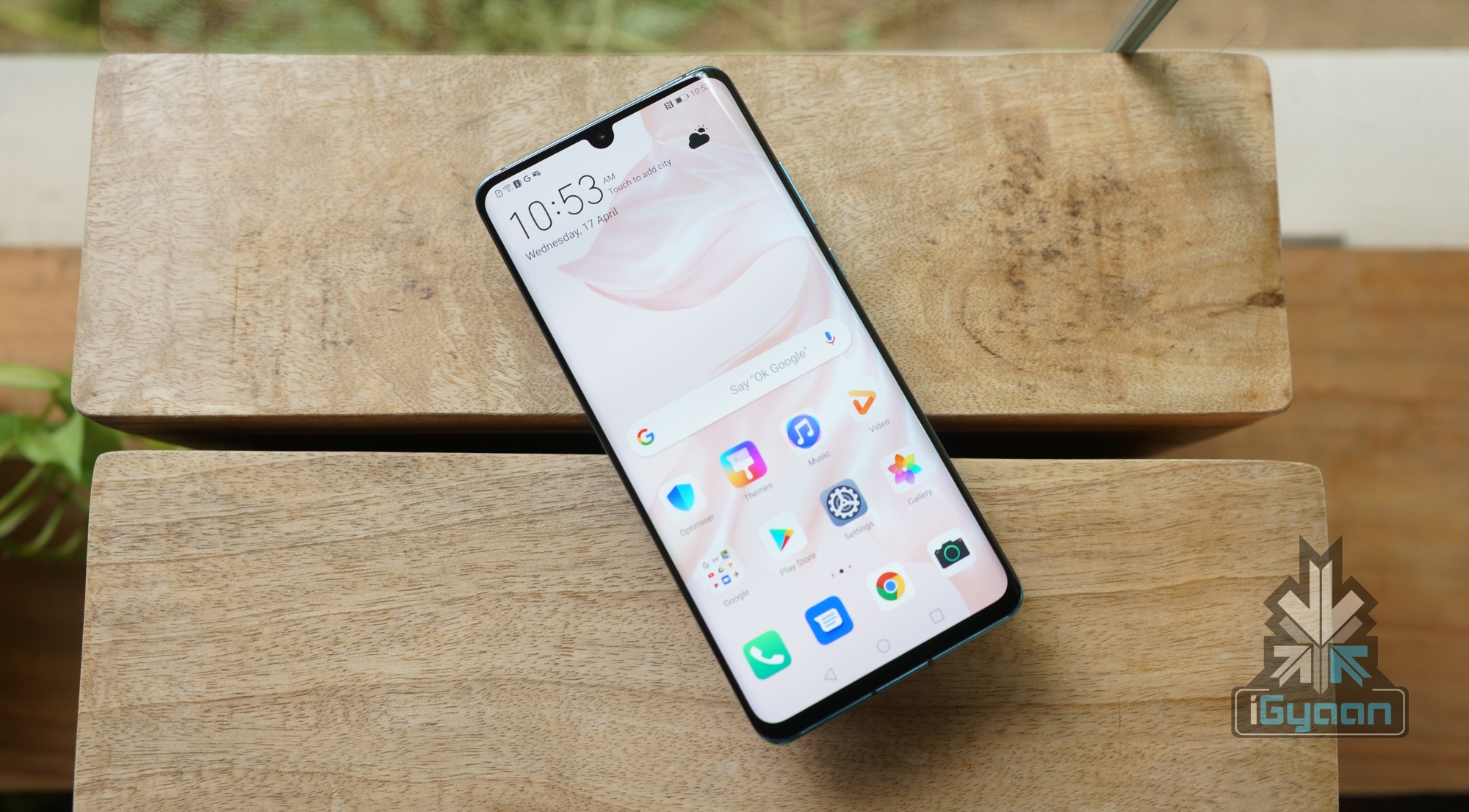
    Huawei P30 Pro

    The restrictions on rare earth elements stand as a signal from the Beijing leaders of its willingness to retaliate with countermeasures in place. This, however, is reported to only be actually deployed if the trade war between the US and China worsens with time. One of the important rare elements derived from China is Neodymium, a popular industrial grade element used to make magnets. It is often seen advertised spec sheets of audio gear such as earphones and headsets. The US according to various trade experts and researchers have no outside alternative worthwhile apart from China.
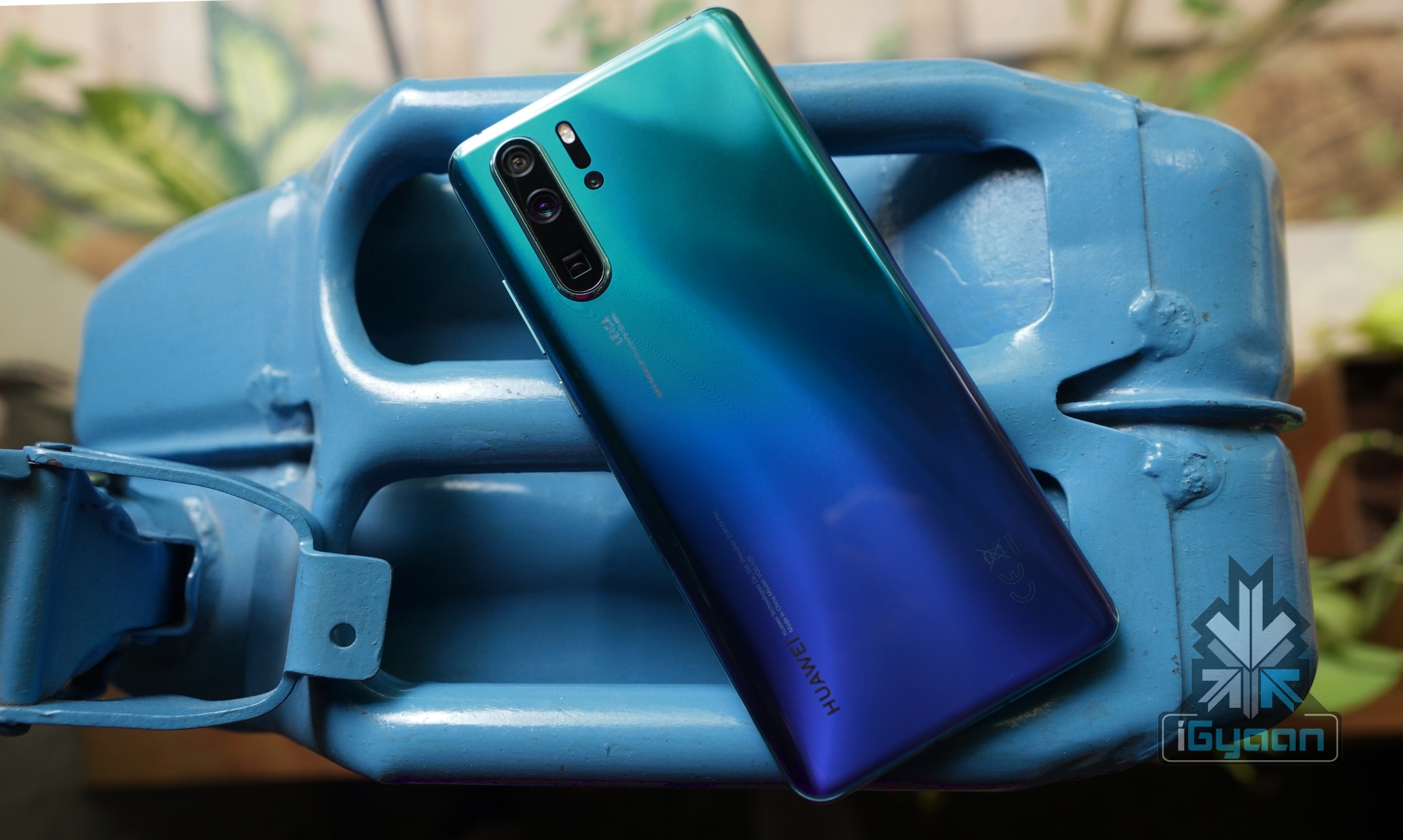
    Huawei

    The Chinese phone manufacturer, Huawei sits in the middle of the trade war zone. Taking a massive hit on its business with the loss of its huge deal with SoftBank related to 5G networking. This incident came after Huawei was claimed to be a national threat by the US President Donald Trump and placed in the Bureau of Industry and Security’s Entity List that has its business operations in America crippled.

    Also ReadApple Planning On Removing 3D Touch Feature In Future iPhones

    Actions questioning Huawei’s networking equipment and services have never been raised although concerns regarding security have driven its potential business operations away from it. The company’s affiliation with the Chinese Government only worsens relations with foreign companies like the Japanese SoftBank who’s decision is only a result of such accusations thrown about. Regardless of how soon or how smoothly the trade tensions die out, Huawei’s brand trust with confidentiality in mind will remain as trauma in the minds of its future partners.

  • How Do Netflix And Other Streaming Services Earn Money

    How Do Netflix And Other Streaming Services Earn Money

    Netflix and Amazon’s Prime Video are always at loggerheads as the streaming giants fight it out to get the most number of subscribers, the best shows and the most eyeballs. Some of the biggest shows from all across the world are either on Netflix or Prime Video. These services disrupted many industries – CD/DVD renting, music and even the film industry itself – giving viewers the opportunity to watch the best movies and tv shows from the comfort of your home.

    So, how did they do it? How did they take over the experience of going to Movie theatres and watching movies on a big screen with a bucket of popcorn shared between the group of people.

    What Is A Streaming Service?

    A streaming service is a website that allows you to view content online for a fixed charge. This can be on a monthly, yearly or even a per show price. These streaming companies sign contracts with different production houses to get exclusive access to content. This allows for a viewer to get a unified content experience vs browsing the internet for different types of content. It also aims at stopping piracy which was prevalent before companies like Netflix showed up. In other words, “What Apple did with Apple Music, Netflix has done with movies and TV shows” which refers to the stopping of piracy in the entertainment business. 

    The World Before Streaming Services

    Viewers like you and I have grown up watching movies at the cinema. Once the movie had run its natural course in these cinema theatres, the work on DVDs would begin. This was approximately five months post the movie release. If someone missed the movie during initial release , they would wait about six months for the movie to hit DVD production. Some preferred to wait for months more to watch the movie when it was eventually broadcast on television. Some even rented movies from places like Blockbuster(R.I.P.) or, in India, local renting stores. 

    Change In Business

    Content production companies, traditionally, have had a business model that likes to control distribution. They wait for as long as they can before releasing a new format. For example, when they release a movie they wait till the vast majority of people who were willing to watch a movie at the cinema has watched it. Then they release other formats one by one. In the earlier days, they used to have different formats released one by one, which included DVD, CD, VCR, PPV and BlueRay. TV broadcasts were usually saved for last as it was reserved for people who wanted to see the movie, but were not willing to pay for it. So the production companies earned from TV sales and ad revenues.

    But things have changed now and many production and distribution companies understand the importance of giving viewers options . The number of movie releases have also increased tenfold and a viewer does not wait for six months to watch a movie. Piracy has also been a concern with camera quality improving drastically, pirated versions of a movie have become very good in quality. The production companies were losing money in trying to control distribution. That is where streaming services came in. 

    Streaming Services Revenue

    Many viewers think that Netflix is being paid by the production companies to list their movies. But in actuality it is the other way around. Netflix pays producers of movies to have content on their website for a set period of time. Once the time has expired, they choose to take it down or if the viewer count is more then they can extend the period by paying more.

    In fact, Netflix’s entire cash flow comes from subscriptions. They have different plans for different countries which has options based on the number of screens. If you are subscribing for more than one screen so that two people from your friends or family can watch simultaneously. Amazon Prime which also earns from subscriptions as well but they have a one person one account policy and everyone has to subscribe to Prime separately.

    Originals

    Even though Netflix earns a lot from the subscription, they spend a lot more in advertising, marketing and overhead as well as operating cost. They also invest a lot on what they call Netflix Originals which are movies and TV shows produced by Netflix themselves. Prime Video have also heavily invested in originals but Netflix has had more hit titles like Stranger Things, Brahman Naman, Narcos, Little Things and so on. The new Black Mirror Bandersnatch and a movie called Bird Box saw rave reviews. 

    Also read: Top Crime Dramas To Watch On Netflix This Weekend

    In a developing country like India with immense growth potential , streaming services like Netflix and Prime Video are producing Indian content and focussing on the Indian market by reducing subscription prices. The competition has just begun in India and it will be interesting to see if other players like Hulu see India as a possible expansion strategy in future. Till then, get your blankets and popcorn out, sit back, relax and stream. 

  • WhatsApp Will Soon Allow You To Make Purchases And Download Apps

    WhatsApp Will Soon Allow You To Make Purchases And Download Apps

    When Facebook acquired WhatsApp for $19 billion last year, we weren’t sure how the social media giant would make use of the messaging app. However, at the F8 conference 2015, Facebook announced a new Business for Messenger initiative, through which the company might be able to make some profit. According to this initiative, Business for its Messenger app will give users the choice to install apps and make purchases with the Facebook Messenger app itself.

    The company said that they would include some of the features of Facebook Messenger and experiment with it on WhatsApp, to promote business to consumer communications that could be paid up by marketers.

    [quote text_size=”small” author=”David Wehner” author_title=”Facebook’s Chief Financial Officer”]

    We think that enabling that [business to consumer] messaging has an excellent business potential for us. As we learn those things, I think there are going to be opportunities to bring some of those things to WhatsApp, but that’s more longer-term than the near-term.

    [/quote]

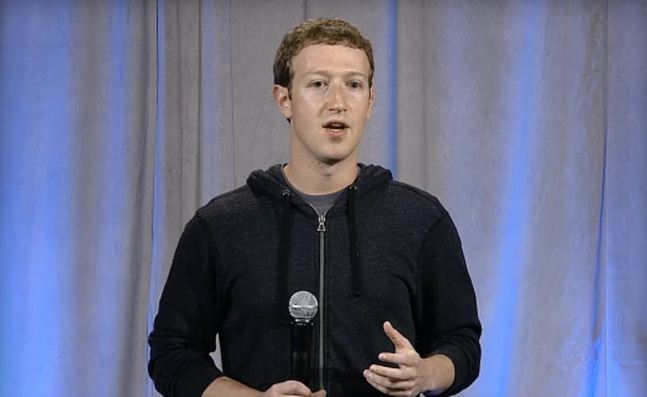
    Facebook CEO, Mark Zuckerberg says that once WhatsApp reaches 1 billion users, will business through the messaging app is meaningful. For now, WhatsApp has got around 800 million users. After the $22 billion acquisition by Facebook, WhatsApp Chief Jan Koum said that the messaging app will be ad-free.

    Currently, Facebook is working with more business partners and will soon begin Business for its Messenger app.

  • Nokia Denies Comeback to Smartphone Business, Says “Reports are False”

    Nokia Denies Comeback to Smartphone Business, Says “Reports are False”

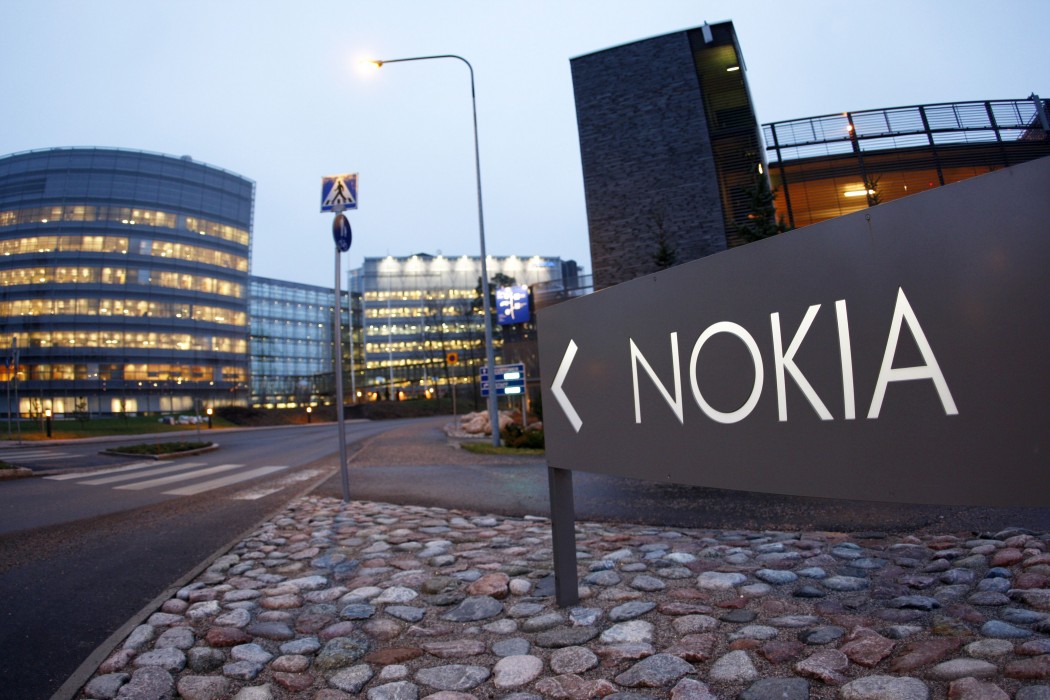
    The former leader of consumer smartphone manufacturer Nokia recently made headlines for considering making a comeback in the mobile manufacturing business. The firm heard the recent buzz over Internet and came out to publically announce that the information was false. The report of Nokia planning to return to the mobile business was surfaced by the reliable technology portal Re/Code, which stated that the news was disclosed by a Nokia Networks executive.

    The exact statement by the Finnish reads –

    Nokia notes recent news reports claiming the company communicated an intention to manufacture consumer handsets out of a R&D facility in China. These reports are false, and include comments incorrectly attributed to a Nokia Networks executive.

    Nokia reiterates it currently has no plans to manufacture or sell consumer handsets.

    Re/Code claimed that Microsoft-acquired Nokia is planning to bounce back to the smartphone business sometime next year. It also stated that several ambitious projects are in the making, and one among them is a virtual reality device. The company recently launched its first Nokia-branded Android tablet, along with an Android app called Z Launcher.

    Nokia was acquired at a whopping price of $7.2 billion last year by hardware and software leader Microsoft. It was learnt that Nokia can’t use its brand name on smartphones till Q4 2016. Since Nokia was launching one or the other products lately, the news didn’t seem unfitting.

    A while back, the company disclosed its move of acquiring Alcatel-Lucent for $16.5 billion. The new firm formed is called the Nokia Corporation. The acquisition will give a boost to its patent licensing business and networks division, which makes for 90 percent of the total revenue. The company is in talks with potential buyers to sell its maps business “HERE“.

  • Winner | Best Debut Company – Tech | iGyaan Tech Awards 2014

    Winner | Best Debut Company – Tech | iGyaan Tech Awards 2014

    In such a cut throat market, to rise above the competition, you must willing to adjust, invent and innovate. There have been many Tech companies that have entered the market, but only those survived who understood the needs of the market and stratergized on customer retentivity.

    Voting is now Closed! The Winner for the Best Debut Company – Tech in the iGyaan Tech Awards 2014 is Xiaomi.

    The winner of the giveaway is announced HERE.


    [button link=”https://www.igyaan.in/awards/” size=”large” text_size=”beta” newtab=”on”]Back To Awards Categories[/button]


  • Xiaomi Now Holds the ‘World’s Third-Largest Smartphone Maker’ Tag

    Xiaomi Now Holds the ‘World’s Third-Largest Smartphone Maker’ Tag

    Despite being in controversies regarding privacy concerns, Xiaomi, the Chinese handset maker, has become the world’s third-biggest smartphone maker. According to the recent report by International Data Corporation (IDC), the smartphone maker has tripled the shipments since last year.

    Also, it’s the first time Xiaomi has made it to the list of top 5 smartphone makers in the world, released by IDC. The company is trailing behind Samsung, who despite witnessing a steep fall in shipment from last year, still leads the race followed by Apple in the second position.

    It is to be noted that Xiaomi’s focus on China and the neighbouring markets like Southeast Asia helped boost Xiaomi into the top 5 by resulting in triple-digit year-over-year growth in the third quarter of 2014. According to IDC,  the launch of Xiaomi’s flagship phone MI4, which is meant to compete against Samsung’s Galaxy S5 and Apple’s iPhone in August, was the key to its success.

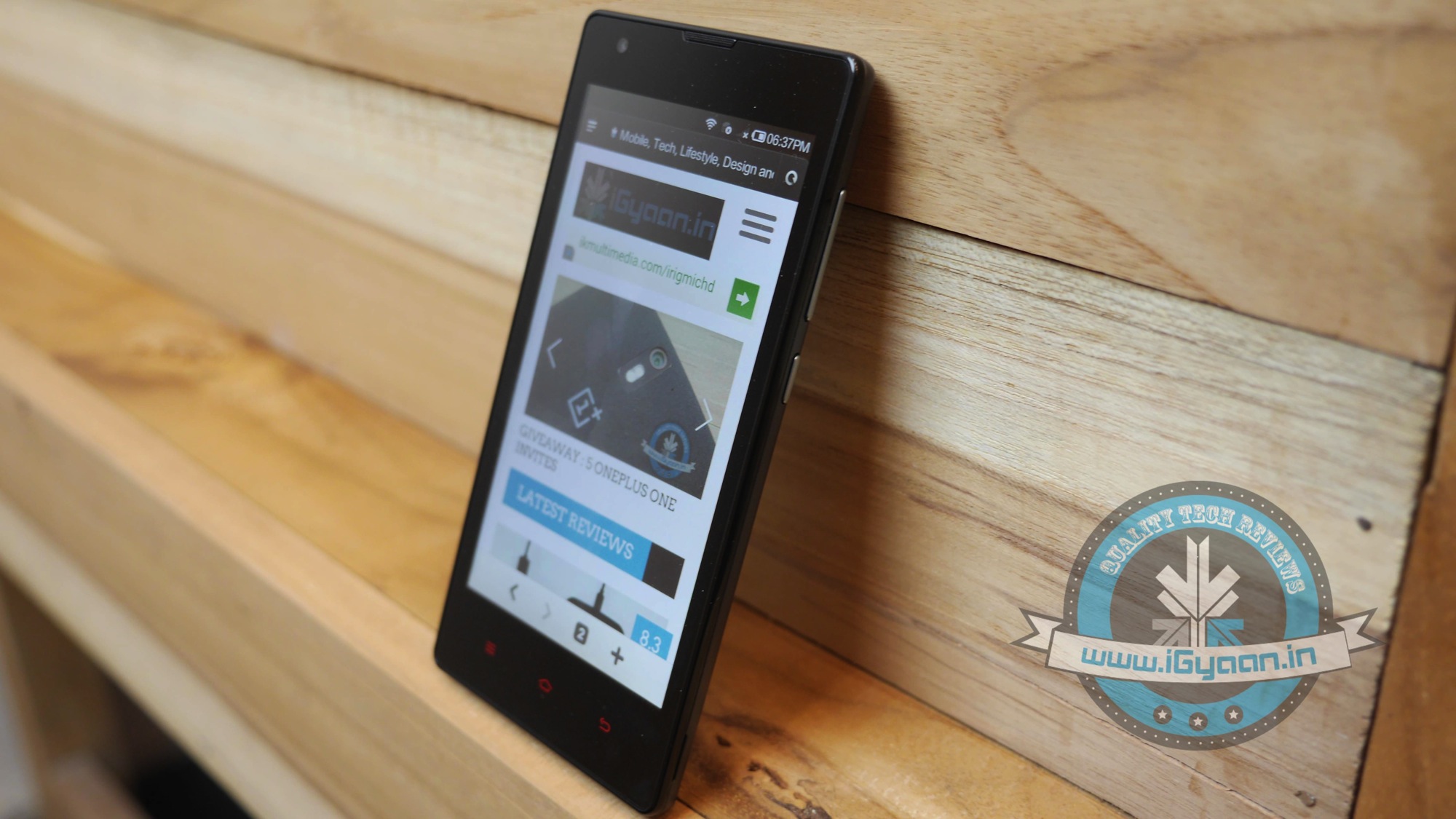
    Xiaomi Redmi 1s Unboxing 16

    Although, the company has made a mark in China and its adjacent markets, it is still unclear how well it will fare in other markets where it faces greater competition from already established smartphone giants – Samsung and Apple. The report illustrates that while Samsung (24.7 percent) and Apple (12.3 percent) still dominate, LG’s recent popularity and increasing sale has also moved it to fourth.

    “Despite rumors of a slowing market, smartphone shipments continue to see record-setting volumes. We’ve finally reached a point where the most developed markets are experiencing single-digit growth while emerging markets are still growing at more than 30 percent collectively,” said Ryan Reith, Program Director with IDC’s Worldwide Quarterly Mobile Phone Tracker.

    While Samsung remained the world’s leading smartphone maker, IDC said it was the only company in the top 5 to see shipment volume decline year-over-year. Meanwhile, Apple’s latest iPhone 6 and iPhone 6 Plus pushed Apple to its largest third-quarter shipment ever.

    The report reveals that Apple has sold close to 10 million units during their first launch weekend of the new smartphones and also continued to sell previous generation iPhone 5s and 5c in large numbers, which made up the bulk of Apple’s volume for the quarter.

  • Facebook-Owned WhatsApp Lost Close to $200 Million in 2 Years

    Facebook-Owned WhatsApp Lost Close to $200 Million in 2 Years

    As a result of the official closing of Facebook’s acquisition of cross-platform instant messaging application WhatsApp, the first clear picture of WhatsApp’s financial results emerged. A Form 8-K/A filed with the Securities and Exchange Commission has revealed that in 2014, WhatsApp lost $140 million and generated just $10 million in revenue. And in 2012 and 2013, the app lost a total of $192.8 million.

    In the six months ending June 30, 2014, WhatsApp brought in $15.921 million in revenue but suffered a net loss of $232.5 million. However, $206.5 million of the net loss was for share-based compensation expenses and issuance of common stock below fair value. Its net cash used in operating expenses during the first half of 2014 was $13.5 million, which sounds much more reasonable.

    “We’re the most atypical Silicon Valley company you’ll come across,” Brian Acton, a WhatsApp co-founder, once said in an interview. “We were founded by thirty-somethings, we focused on business sustainability and revenue rather than getting big fast, we’ve been incognito almost all the time, we’re mobile first and we’re global first.”

    mark zuckerberg

    Essentially, due to WhatsApp’s quickly rising valuation, it used share-based compensation to attract top talent. Eventually, the $22 billion acquisition by Facebook largely made the ‘expenses’ of issuing that stock moot. This is standard for growing companies hiring new talent, and shouldn’t convey that WhatsApp was burning money irresponsibly. $148 million is a lot to lose for a small company, but the company seems to have been doing it wisely. Fewer than $10 million was burned in 2013 in actual operating expenses.

    Overall, Facebook broke down the money it spent on WhatsApp as $2.026 billion for the user base, $448 million for the brand, $288 million for technology, and $21 million for the rest. That left it to chalk up the $15.314 billion difference as “good will” aka the value “from future growth, from potential monetization opportunities, from strategic advantages provided in the mobile ecosystem from expansion of our mobile messaging offerings.”

  • According to IDC, Samsung is Still No.1 in India

    According to IDC, Samsung is Still No.1 in India

    India being a fast growing smartphone market has become the centre of smartphone wars. Apple and Samsung have been trying hard to keep up with players such as Micromax, Lava, Karbon and the new entrant Xiaomi.

    The Indian handset market is currently led by Samsung with Micromax at No. 2, according to an International Data Corporation (IDC) report for India’s mobile market in Q2. The market could experience a shuffle in the rankings amongst the top five vendors in coming quarters, as Chinese and local device makers aggressively tap the entry level segment of smartphones.

    The digits in the IDC report showed that in the overall mobile market, Samsung had a 17 per cent share, while Micromax had a 14 per cent share, ahead of Nokia which was the previous number two and which now has a mere 10 percent share. Karbon and Lava are at number four and five respectively and rest is acquired by other phone makers.

    In smartphones, Samsung ha held a 29% share, which however was a sharp fall from the 35% it held in the January-March period, as aggressive competitors such as Micromax, Lava and Motorola ate into its share. Micromax remained in second place with 18% share, up from 15% in the previous quarter.

    “While Samsung has held on to its leadership position in the market, it is noteworthy that Micromax is growing faster. Samsung needs to continue to address the low-end of the market aggressively, and also needs a blockbuster product at the high end to regain momentum,” said Jaideep Mehta, vice president and general manager, South Asia, IDC.

    IDC (2)

    At the start of the month, another research by Hong Kong-based Counterpoint Technology Market Research showed that, in the April-June period, Micromax’s share of the overall handset market stood at 16.6 per cent, while Samsung’s was 14.4 per cent. The mismatch in numbers may be the result of use different methodology. IDC said it collects data from various sources, including vendors and channels.

    The report also pointed out that with the entrance of Chinese vendors and Mozilla in the smartphone category at $50 level, the low-end segment of the smartphone market will become crucial in the coming quarters. It will be really interesting to see what news Q3 and Q4 will bring out in the Indian mobile and smartphone market with the entry of players like Xiaomi, Oppo. Xiaomi in particular has created a stir in market with the launch of a sole device, the samsung Xiaomi Mi3 .

  • More Jobs Thanks To The Battle Of E-Commerce

    More Jobs Thanks To The Battle Of E-Commerce

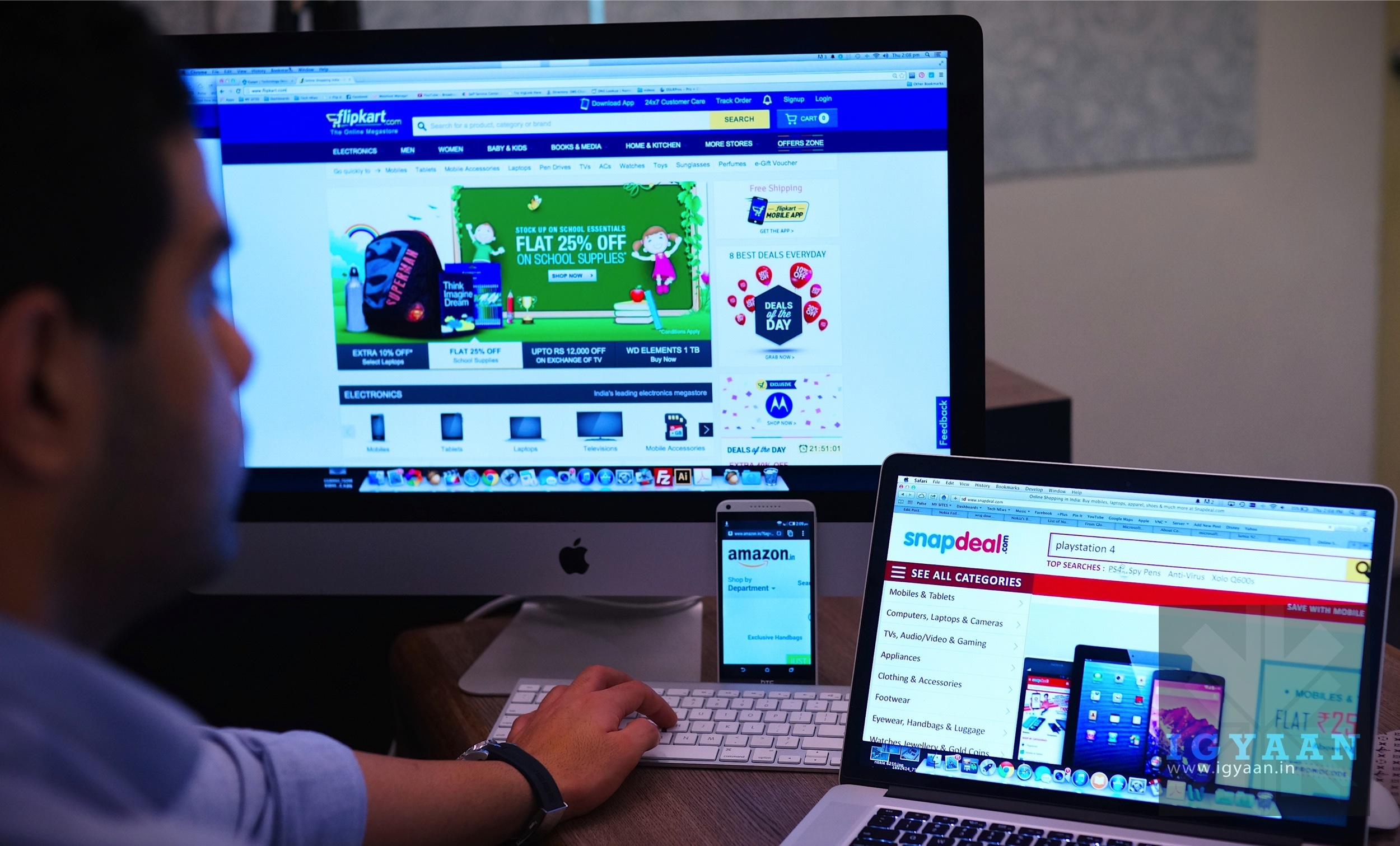
    Flipkart, India’s largest online retail portal, took a great leap this year when it bought Myntra for $330 Million. It was the largest acquisition in the Indian E-commerce sector since last two years. Flipkart is now in battle with Amazon.in and they are locked in competition for the throne of the biggest e-commerce website in India. The invasion of giants like Ebay and Amazon is forcing Indian online retailers to get critical masses to compete.

    E-commerce-money-1

    Founded by two ex-employees of Amazon, Flipkart is expanding day by day and is introducing new categories to their site. They also grabbed an exclusive deal with Motorola Mobility for the sales of Moto X, Moto G and Moto E which has been a phenomenal success. The company immediately rand out of pieces after the release of Moto G and E, even though they had prepared and kept a massive stock.

    Flipkart’s merger with Myntra created an entity with annual sales of $1.5 billion, which is over half of the country’s emerging online shopping market. Venture capitalists have been bucketing money into the sector, scenting potential.

    So far, $497 million worth of deals have been struck already this year, in comparison to the $592 million for all of last year. Most are small in value but significant stepping stones as retailers put together critical mass.

    This battle of the e-throne is also giving a boost to the number of jobs in the sector. The new websites are going live and old ones are expanding. As foreign and domestic e-retail giants are swelling up their businesses antagonistically against each other, hiring activities are expected to grow by over 30 per cent in the sector and may help create up to 50,000 jobs in the coming years.

    Since 2012, considering the growth vista of the E-commerce sector in India, major venture capital firms such as Accel Partners have invested significantly. In one of the principal fund raising, Flipkart.com, in August 2012, raised about INR 822 crore (US$140 million). Entertainment ticketing website BookMyShow.com raised INR 100 crore (US$17 million) asset by Accel Partners. On July 10, 2013, Flipkart announced it had received $200 million from existing investors Tiger Global, Naspers, Accel Partners, and ICONIQ Capital. New investors who are making up the additional $160 million include Dragoneer Investment Group, Morgan Stanley Wealth Management, Sofina, Vulcan Inc. and more from Tiger Global.

    blog_ecommerceHiring has been rather slow in the e-commerce space over last couple of years, but recruitments are expected to rapidly grow by 33 per cent, over the previous year as various retail brands are also bringing in their business online.

    According to Amazon, the industry is growing at a fast rate and there is still a huge potential for growth. They have grown exponentially over the last 11 months and chances are they will continue to see growth.

    To match the rise and pace of the sector, there will be an explosion of new jobs and recruitment’s soon. The scenario of the sector can  be compared with the BPO explosion in early 2000’s which employs approximately 1 Million professionals at present. Nevertheless, BPO offered jobs to people from all walks of life, from housewives to high school graduates, while E-commerce sector need skilled employs which restrict their hiring process.

    Driving sales growth is India’s fast-growing number of Internet connections which was triggered by exploding sales of affordable smartphones and data plans. Internet users, total of 175 million, expected to grow to 429 million by 2019. Up to 30 per cent of e-shopping now is done using mobile devices. About three-quarters of online shoppers are aged 15-to-34. This broad consumer market and the fact that e-commerce websites in India are constantly trying to up their game is creating a huge potential for an jobs in the industry.

    Important Update: Last night Reuters reported that the Indian Government is planning to ease the restrictions on foreign e-commerce sites like Amazon. Another good development since this will allow them to sell their own products in the Indian market.

  • Twitter Commerce Will Allow Users To Buy Directly From Tweets

    According to a recent report on the Re/code site, popular social network Twitter appears to be getting serious about commerce on its service; and is probably close to finalizing an agreement with payment services firm Stripe. 

    The site posted mockups, reportedly created by Fancy, of what would be called Twitter Commerce, a new program that would allow people to purchase items through Twitter. The documents, discovered in a public area of Fancy.com’s website, showed a “buy” button embedded directly in tweets. Customers would have to provide Twitter with payment credentials prior to using the service. 

    Twitter will report its first ever quarterly earnings next Wednesday with investors and analysts sure to be interested in Twitter Commerce and other plans for bringing in revenue. 

    Twitter’s decision to add revenue streams may be a good move for the company but following the recent series of hacks on the social network site raises questions about the safety of user’s financial data.


  • HTC woes continue, Asia CEO Lennard Hoornik Quits, along with Head of Global Digital Service

    HTC woes continue, Asia CEO Lennard Hoornik Quits, along with Head of Global Digital Service

    HTC is headed towards turbulent times it appears as more Key Execs depart HTC to pursue other interests. Asia CEO Lennard Hoornik, has also left the company, the news was later confirmed by HTC. This news comes after yesterdays report of VP of Global Communications and Chief Product Officer quitting. According to CNET, the CEO of HTC Asia Lennard Hoornik has also relieved his post, with regional CFO Chia-Lin Chang taking the reins until a formal replacement is named. Hoornik, who joined HTC from Sony Ericsson, also took care of India operations and was one of the key introducers at major launches around the Asia region. 

    The news also claims, that Lennard Hoornik was absent for over two months before the confirmation of his departure, considering that news, he was either let go, or chose to go on his own. 

    HTC confirmed to Engadget that;

    HTC can confirm that Lennard Hoornik has left HTC to pursue other interests. We appreciate his contributions to our South Asia efforts over the past year and wish him all the best. HTC’s CFO, Chialin Chang will provide interim leadership in this strategic region while we work to find a permanent solution.”

    Also according to reports Head of Global Digital Service Elizabeth Griffin will also be leaving HTC later this week to join Nintendo. Looks like HTC’s “executive worries” are just beginning. 

  • Evernote introduces Evernote Business, Updates its applications on iOS

    Evernote introduces Evernote Business, Updates its applications on iOS

    Evernote today announced their new revision, Evernote has now been designed to work with companies, small and medium, right out to the system. Evernote Business will be launching later this December, but the company is taking active early applicants 


    [Evernote Business]

  • Kodak to sell the film business

    Kodak, the company that defines the Film camera days of our own country, has decided to let go of its Film business in order to save the brand from plummeting into bankruptcy . Kodak had already announced the sale of  their patent portfolio, online gallery, commercial scanning, photo kiosk and theme park businesses. The company will now keep focus on the upcoming Printer business, and that to if it picks up.  The company needs $660 million to revive itself and pay back the creditors by next year.

  • RIM set to save US $ 1 Billion, will Lay Of 6000 + employees

    The Waterloo Record  reports that RIM is all set to lay off unto or more than 6000 of its staff in an effort to save US $ 1 Billion in expenses, as a part of their cost cutting drive.  It’s believed that between 2,000 and 6,000 employees could be let go as the troubled company attempts to save $1 billion by the end of the fiscal year.

    According to reports the manufacturing team has been hit the hardest with hundreds of people already been laid of in the past 24 hours. 

    [The Waterloo Record]

  • Google working on several Nexus devices for Android 5.0, Tablet in tow

    Google working on several Nexus devices for Android 5.0, Tablet in tow

    Looks like Google is planning to release a series of Nexus devices this year, including some tablets, on Google Android 5.0. The Wall Street Journal is reporting that Google is planning to partner with a variety of OEMs (in order to have up to five Pure Google Nexus devices available at once. All of these devices will ship with Android 5.0 Jelly bean

    This move is likely to be announced at the next Google I/O conference.

    [WSJ]

iGyaan Network
Privacy Overview

This website uses cookies so that we can provide you with the best user experience possible. Cookie information is stored in your browser and performs functions such as recognising you when you return to our website and helping our team to understand which sections of the website you find most interesting and useful.